




![[2026] PAISEEC D3|Mobility Scooter for Easy Everyday Travel](http://www.paiseec.com/cdn/shop/files/d3_4a4ccb22-9e26-449e-8094-71f3ec4177c3.png?v=1782115044&width=180)


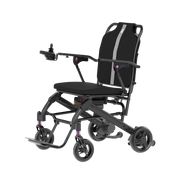



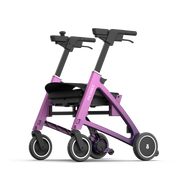
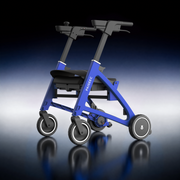









All-terrain mobility scooters are experiencing an unprecedented surge in market demand in 2026. Modern buyers no longer settle for restrictive, indoor-only travel devices; they demand robust engineering capable of conquering urban parks, thick grass, loose gravel, steep inclines, sand, and rural travel routes without structural compromise. For premium brands like Paiseec, achieving market leadership means balancing portability, driving range, ride stability, and real-world convenience in a way that fulfills everyday lifestyle needs rather than just product-page promises.
What Is an All-Terrain Mobility Scooter?
An all-terrain mobility scooter is a high-performance, heavy-duty personal electric vehicle engineered specifically to navigate uneven, rugged outdoor surfaces that defeat standard indoor travel models. Built with reinforced steel or aluminum alloy frames, these advanced mobility devices feature high ground clearance, high-torque motors, robust suspension systems, and large pneumatic or deep-treaded knobby tires to maximize traction and absorb heavy mechanical shocks.
Core Performance Pillars of the All-Terrain Category:
-
Rugged Terrain Adaptability: Engineered to handle fluctuating surface qualities, preventing the device from getting stuck on rocks, roots, or dense mud.
-
Extended Range and Energy Efficiency: Equipped with high-capacity lithium-ion or dual-lead-acid battery setups to support longer outdoor excursions with minimal fatigue.
-
Optimized Power-to-Weight Architecture: Perfectly balanced to concentrate ranking performance and structural safety without sacrificing trunk-loading portability.
-
Intuitive Dynamic Controls: Monitored via responsive speed modes and automatic braking systems to ensure maximum user independence.
Why Outdoor Mobility Is Harder Than It Looks: Critical Buying Factors
Surface Changes Create Real Performance Gaps
Grass, loose gravel, high curb edges, and steep slopes expose weak traction and poor stability vectors instantly. A standard mobility scooter that operates perfectly on smooth commercial flooring can become highly stressful or fundamentally unsafe outdoors. If a device cannot reliably negotiate mixed terrain, the user experiences reduced confidence, ultimately avoiding the exact outdoor environments they bought the scooter to explore.
Portability Often Conflicts With Heavy-Duty Stability
The primary engineering challenge of 2026 is resolving the tension between vehicle transportability and off-road stability. Users want a scooter that folds easily into a car trunk but still performs flawlessly over rocky paths. Achieving this requires specialized folding mechanisms; otherwise, adding large off-road tires, heavy-duty suspension, and reinforced steel frames makes the unit too heavy to lift, while over-indexing on lightweight materials can result in a fragile, unstable ride.
Range Performance Demands Precise Evaluation
A scooter that boasts impressive mileage on paper can fail in real-world conditions if the battery chemistry cannot withstand variable outdoor loads, continuous incline climbing, and frequent stops. Outdoor enthusiasts require verified ranges for extended theme park visits, outdoor events, or countryside excursions where mid-day charging is impossible. Overestimating battery capacity directly limits user freedom.
Ownership, Setup, and After-Sales Support
Even a highly capable mobility scooter creates friction if the initial unboxing requires complex assembly, confusing controls, or lacks clear customer support lines. For individuals with mobility challenges and their caregivers, these vehicles are critical lifelines to independence, meaning slow support or ambiguous manuals directly compromise owner peace of mind.
Key Industry Insight
For modern mobility buyers, the ultimate purchasing decision goes beyond basic top speed. The critical evaluation is whether the vehicle can handle the user’s specific daily routes, fit into their existing transport setup, and remain durable after years of exposure to outdoor elements.
Market Landscape: Comprehensive 2026 All-Terrain Comparison
To help you identify the precise balance between raw power, portability, and value, the table below contrasts generic entry-level products, heavy-duty commercial alternatives, and the tailored balance of the Paiseec S3 ecosystem.
| Selection Factor | Generic Mobility Products | Premium Heavy-Duty Alternatives | Paiseec All-Terrain Solutions (e.g., S3) |
| Outdoor Terrain Handling | Functions on flat asphalt; struggles or stalls completely on grass, sand, and gravel paths. | Excellent performance via massive frames, but highly bulky and difficult to steer indoors. | Optimized mid-size footprint featuring large all-terrain pneumatic tires engineered for grass and gravel. |
| Portability & Transport | Lightweight and easy to lift, but lacks structural integrity and shakes on rough surfaces. | Generally cannot fold or disassemble; requires a dedicated vehicle ramp or hydraulic van lift. | Engineered with an advanced, no-assembly, two-step rapid folding design for trunk storage. |
| Travel Convenience | Highly portable but restricted to short distances due to low battery capacity. | Excellent range but strictly confined to properties or specialized accessible transit due to total weight. | Combines a travel-friendly folding chassis with extended battery life for all-day excursions. |
| Speed & Motor Control | Single-speed throttles with abrupt acceleration and weak torque on inclines. | High speeds up to 12 mph, dual-motor systems, but requires wide turning radiuses. | Features 3 adjustable electronic speed modes paired with automatic intelligent speed control systems. |
| Technical Specifications |
• Speed: 3 - 4 mph • Range: 7 - 10 miles • Capacity: 250 - 300 lbs • Clearance: 1.5 - 2 inches |
• Speed: 9.3 - 11.4 mph • Range: 26.6 - 40.0 miles • Capacity: 400 - 500 lbs • Clearance: 3.5 - 5 inches |
• Speed: 4.5 - 8 mph optimized • Range: 15 - 25 miles targeted • Capacity: 350 - 400 lbs reinforced • Clearance: 3 - 4 inches balanced |
| Estimated Market Price | $900 – $1,500 | $3,600 – $5,900 (e.g., Pride Baja Wrangler 2, Golden Eagle, Pride Pursuit 2) | Competitive mid-tier pricing delivering premium specifications with direct-to-consumer value. |
| Buyer Confidence & EEAT | Vague product descriptions, missing manuals, and absent post-purchase warranty tracking. | Established brand names but frequently requires navigating fragmented, third-party medical retailers. | Transparent technical specifications, verified owner reviews, and accessible customer service infrastructure. |
Technical Features Guide: What to Look For in an Off-Road Scooter
1. High-Wattage Motors and Advanced Battery Chemistry
Power determines how effectively a disability scooter navigates difficult inclines and heavy turf. Look for high-torque motors paired with lithium-ion or dual-battery configurations delivering at least 15 to 30+ miles per charge. Fast-charging components ensure your device is ready for consecutive days of travel.
2. Specialized Tires and Heavy-Duty Suspension
The interaction between the wheels and the ground dictates ride comfort. High-performance models utilize large pneumatic (air-filled) or solid polyurethane knobby tires with deep treads to prevent slipping. This must be supported by a full front and rear suspension system (such as CTS spring suspension or hydraulic shock absorbers) to protect the rider’s back and hips from jarring impacts.
3. High Ground Clearance and Structural Weight Capacity
To prevent scraping against rocks, tree roots, or steep sidewalk transitions, a minimum ground clearance of 3 to 5 inches is essential. Furthermore, a reinforced steel or aircraft-grade aluminum frame ensures the structural integrity of the vehicle remains sound while supporting weight thresholds ranging from 300 to 500 lbs.
4. Ergonomic Captain’s Seating and Safety Add-ons
Long outdoor adventures require an adjustable, padded captain’s chair complete with contoured lumbar support, flip-up armrests, and a swivel mechanism for easy mounting and dismounting. Safety configurations must include responsive regenerative braking, mechanical hand brakes, anti-tip wheels, high-visibility LED headlights, rearview mirrors, and turn signals.
Step-by-Step Strategic Framework: How to Evaluate and Choose
-
Analyze Intended Environments: Explicitly map out where the scooter will travel most frequently (e.g., manicured city parks, gravel driveway paths, sandy holiday beaches, or interior shopping malls).
-
Verify Transport Mechanics: Measure your vehicle’s trunk or cargo space against the folded dimensions of the scooter to ensure seamless compatibility without needing a hydraulic lift.
-
Cross-Reference Range with Target Use: Match the total battery capacity against your longest typical outing, factoring in a safety margin for hill climbing and surface resistance.
-
Confirm Weight and Clearance Safety Margins: Ensure your physical weight fits comfortably within the structural limits of the chassis and that the ground clearance matches the terrain obstacles.
-
Review Support and Warranty Documentation: Validate shipping conditions, return policy terms, and accessory availability prior to finalized purchase placement.
-
Perform Real-World Testing: Test the vehicle across controlled incline paths and variable surfaces upon arrival, adjusting your speed modes to optimize battery expenditure.
Targeted Real-World Use Cases
-
Scenario: A senior outdoor enthusiast wants to join family trail hikes, community park events, and lake outings without relying on an exhausting manual walker.
-
Traditional Approach: An entry-level travel scooter stalls on the first patch of thick grass or loose trail gravel, leaving the user stranded.
-
The Optimized Approach: Utilizing an all-terrain model with large pneumatic tires and heavy-duty suspension allows smooth navigation across unpaved paths.
-
Result: The user retains complete lifestyle independence, staying actively engaged in family outdoor activities.
-
-
Scenario: A caregiver manages frequent car travel trips and needs a mobility device that can fit into a standard vehicle trunk without complex tool assembly.
-
Traditional Approach: A massive, non-folding 500 lbs commercial scooter requires a costly, specialized trailer hitch or van conversion.
-
The Optimized Approach: Deploying a smart-folding all-terrain chassis allows rapid two-step collapsing directly into a standard trunk compartment.
-
Result: Travel logistics become simple and stress-free for both the caregiver and the user.
-
-
Scenario: An individual living on a large rural property, farm, or ranch requires a reliable daily vehicle to move between outbuildings and unpaved work areas.
-
Traditional Approach: A standard mobility device gets stuck in shallow mud ruts or suffers tire punctures from gravel and debris.
-
The Optimized Approach: A reinforced frame with 4-wheel stability and high ground clearance easily navigates uneven terrain fields.
-
Result: The owner executes daily property inspections safely, efficiently, and comfortably.
-
Frequently Asked Questions
What differentiates an authentic all-terrain mobility scooter from a standard travel model?
Authentic all-terrain scooters feature high ground clearance (typically 3 to 5 inches), high-torque drivetrains, advanced spring or hydraulic suspension systems, and large deep-tread tires. Standard models are engineered exclusively for flat, level surfaces like concrete sidewalks or interior flooring and lack the power and stabilization required for rugged conditions.
Can these heavy-duty outdoor scooters be easily transported in a standard car trunk?
It depends entirely on the model architecture. Historically, heavy-duty off-road units were completely rigid and required specialized vehicle ramps or lifts. However, modern engineering developments seen in models like the Paiseec S3 combine a robust outdoor chassis with a folding frame mechanism, allowing the device to fold down without tools for convenient vehicle storage.
How does surface terrain impact the real-world driving range of the battery?
Stated range specifications are calculated under ideal laboratory environments with flat surfaces and standard weights. Real-world range drops when driving over soft grass, loose gravel, sand, or up steep inclines, as these environments draw higher currents from the motor. When planning outdoor adventures, it is best to assume a 15% to 20% safety buffer.
What are the essential maintenance requirements for an outdoor electric scooter?
To guarantee long-term operational safety:
-
Battery Management: Charge the battery to full capacity following every long excursion; avoid leaving the unit completely dead for prolonged periods.
-
Tire Inspections: Frequently check tire pressure on air-filled models and monitor tread depth to prevent slips.
-
Cleaning Routine: Wipe away dust, mud, and debris using a damp cloth after outdoor use, ensuring no pressurized water enters sensitive electronic control housings.
-
Chassis Checkups: Regularly inspect brakes, lights, and tighten any structural fasteners that may loosen from vibration over rough trails.
Conclusion
All-terrain mobility scooters represent a vital investment for individuals seeking uncompromising outdoor freedom and reliable everyday performance. By bridging the gap between heavy-duty off-road capabilities and convenient structural transport designs, modern personal electric vehicles allow users to navigate variable terrains confidently.
When analyzing your options, prioritize models that deliver clear technical specifications, transparent real-world performance values, and verified safety reviews. Take the next step toward reclaiming your independence: review detailed product specification blueprints, cross-reference dimensional layouts against your vehicle transport configuration, and select the ideal all-terrain vehicle tailored to your daily lifestyle adventures.
Leave a comment
This site is protected by hCaptcha and the hCaptcha Privacy Policy and Terms of Service apply.