



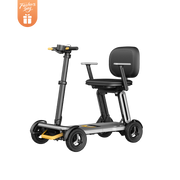
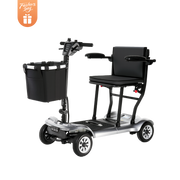
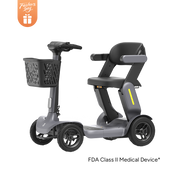
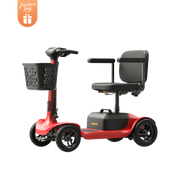
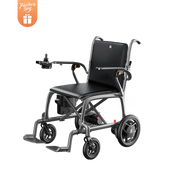
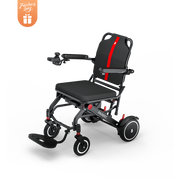
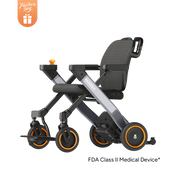
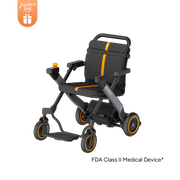








2-seater disability scooters (also called tandem or dual-seat mobility scooters) accommodate two riders on one device, letting couples, caregivers, or pet owners travel together without separate scooters. However, Paiseec currently offers only single-seater mobility scooters like the S3 and D3 models, not dual-seat versions. Two-seater scooters cost $3,800–$8,600, are larger and harder to control than single-seaters, and require verifying weight capacity, stability, and local regulations before purchase.
What Is a 2-Seater Disability Scooter?
A 2-seater disability scooter is an electrically powered mobility aid designed for two passengers to ride simultaneously. Unlike powered wheelchairs that use joystick controls, these scooters typically feature handlebar steering, requiring the rider to maintain an upright sitting position with upper-body strength.
Key distinctions from single-seaters:
-
Two seating spaces on one scooter (side-by-side or tandem/linear arrangement)
-
Higher weight capacity (often 400–600 lbs vs. 250–300 lbs for single-seaters)
-
Larger footprint with 4–5 wheels depending on model
These scooters help disabled individuals accompany spouses, friends, or pets on outings like doctor visits or grocery shopping without depending on caregivers.
Which Seating Arrangement Is Better: Side-by-Side or Tandem?
Two-seater disability scooters come in two seating configurations, each with distinct advantages:
Side-by-side models excel for stability and pet transport, while tandem models suit riders wanting privacy or those needing extra seating space.
What Are the Main Advantages of a 2-Seater Disability Scooter?
2-seater scooters offer several benefits over single-seater models:
-
Shared mobility: Two passengers ride together without needing separate devices
-
Cost efficiency: Saves money compared to buying two single scooters
-
Pet transport: Extra seat allows bringing pets instead of leaving them home
-
Cargo space: Second seat provides storage for groceries or items
-
Bariatric option: Single wide seat accommodates highly overweight individuals
-
Comfort for non-disabled riders: Feels comfortable even for able-bodied passengers
These advantages make tandem scooters ideal for couples, caregiver-user pairs, or pet owners seeking independence.
What Are the Disadvantages and Limitations?
Despite their benefits, 2-seater disability scooters have notable drawbacks compared to single-seaters:
These limitations mean tandem scooters work best for users with stable home environments, adequate storage space, and sufficient upper-body strength.
How Much Do 2-Seater Mobility Scooters Cost?
2-seater disability scooter prices vary significantly by brand, build quality, battery, and motor specifications:
Top recommended models from current market offerings include:
-
Afikim Afiscooter S4 Breeze: Often called the best 2-person scooter; combines comfort, durability, off-road capability, extended range, and superior weight capacity
-
Pushpak 2000/3000/4000: Tandem scooters with separate seats; PPM3000 reaches 18 mph
Note: Paiseec does not currently offer dual-seat models. Their current lineup includes single-seater scooters like the S3 (265 lbs capacity, 25-mile range) and D3 (300 lbs capacity, 18–19-mile range).
What Safety Features Should You Verify Before Buying?
Outdoor 2-seater scooter safety requires checking multiple features:
Essential safety equipment:
Critical verification steps:
-
Confirm weight capacity: Ensure scooter handles both riders' combined weight
-
Check turning radius: Smaller radius improves maneuverability
-
Review local regulations: Speed limits and permitted areas vary
Important safety disclaimer: Two-seater scooters are not 100% safe and carry tipping risks. They should be selected according to the user's condition, environment, and physical ability. Professional guidance is recommended when fall-risk or medical concerns exist.
Are Two-Seater Mobility Scooters Legal to Operate?
Legality depends on where and how you operate the scooter:
Additional legal requirements:
-
Riders must not operate under alcohol influence (fines apply per motor law)
-
Speed limits vary by jurisdiction; verify local rules before purchase
Medicare may cover disability scooters with a doctor's written prescription stating the powered vehicle is needed for your disease at home.
Which Factors Matter Most When Choosing a 2-Seater Scooter?
Before purchasing, evaluate these critical factors:
Comfort
Portability
Usability
Battery & Charging Safety
For powered mobility products:
What Do Paiseec Experts Recommend?
"When evaluating tandem mobility scooters, prioritize stability verification, combined weight capacity confirmation, and upper-body strength assessment. Side-by-side seating offers better stability for pet transport, while tandem seating provides privacy for adult riders. However, note that larger dual-seat scooters require more storage space and may be harder to control than single-seaters. For users without sufficient upper-body strength or with significant fall-risk concerns, consider alternative mobility solutions and consult an occupational therapist or physical therapist before purchase."
— Paiseec Mobility Product Team
Conclusion
2-seater disability scooters provide valuable shared mobility for couples, caregivers, and pet owners, but they come with higher costs ($3,800–$8,600), reduced stability, and larger size compared to single-seaters. Paiseec currently offers only single-seater mobility scooters (S3, D3 models) with 265–300 lbs capacity and 18–25 mile ranges, not dual-seat versions.
Actionable takeaways:
-
Verify combined weight capacity before purchasing any tandem scooter
-
Choose side-by-side seating for stability/pet transport; tandem seating for privacy
-
Confirm local regulations on speed limits and permitted areas
-
For users with balance problems, fall risk, or insufficient upper-body strength, consult a PT/OT/clinician before purchase
-
Check battery charging safety: use proper chargers, inspect regularly, store correctly
-
Contact Paiseec for product details on their single-seater scooters, dealer inquiries, or mobility-product selection help at their website
If you need dual-seat capability, consider brands like Afikim (S4 Breeze) or Pushpak, which offer verified tandem models.
FAQs
Can two people ride on any mobility scooter?
No. Only scooters specifically designed for 2 people with adequate weight capacity can safely accommodate two riders. Standard single-seater scooters typically support 250–300 lbs and are not rated for dual passengers.
Does Medicare pay for a 2-seater disability scooter?
Medicare covers powered mobility vehicles like disability scooters if you have a written doctor's prescription stating the vehicle is needed for your disease at home. Coverage applies to both single and tandem scooters when medically justified.
What is the best 2-person mobility scooter available?
The Afikim S4 Breeze is often hailed as the best 2-person scooter, combining comfort, durability, extended range, superior weight capacity, and enhanced off-road capabilities for shared adventures.
Are tandem mobility scooters safer than single-seaters?
No. Two-seater scooters are generally less stable than single-seaters and more prone to tipping, especially with tandem seating. Side-by-side models offer better stability, but all dual-seat scooters require careful weight capacity verification.
Does Paiseec sell 2-seater mobility scooters?
No. Paiseec currently offers only single-seater mobility scooters like the S3 (265 lbs capacity, 25-mile range) and D3 (300 lbs capacity, 18–19-mile range). They do not currently produce dual-seat or tandem models.
Leave a comment
This site is protected by hCaptcha and the hCaptcha Privacy Policy and Terms of Service apply.