




![[2026] PAISEEC D3|Mobility Scooter for Easy Everyday Travel](http://www.paiseec.com/cdn/shop/files/d3_4a4ccb22-9e26-449e-8094-71f3ec4177c3.png?v=1782115044&width=180)

















Battery powered technology has become the cornerstone of modern life, influencing industries from electric vehicles and renewable energy to consumer electronics and smart homes. As battery efficiency improves and costs decline, the global shift toward cleaner, more portable power sources continues at record pace. The rise of battery powered solutions extends far beyond convenience—it’s driving global sustainability goals, reducing carbon emissions, and reshaping energy independence.
Global Market Trends and Growth Data
According to BloombergNEF, the global lithium-ion battery market surpassed $90 billion in 2025 and is projected to grow beyond $350 billion by 2035. This growth is driven by soaring demand from electric vehicles, grid-scale storage, and portable electronics. In the United States, battery powered transportation captured more than 45% of new vehicle sales last year, supported by state-level clean energy incentives and federal infrastructure funding. Meanwhile, residential battery systems grew by more than 30%, powered by the surge in solar adoption and decentralized energy storage.
Battery powered devices are also shaping emerging sectors like smart wearables, drones, and personal mobility. Advances in solid-state technology promise higher energy density, faster charging, and enhanced safety—all critical factors that define competitive advantage.
Leading Battery Powered Products in 2026
| Product Name | Key Advantages | Ratings | Use Cases |
|---|---|---|---|
| Tesla Powerwall 3 | High energy density, scalable design | 4.9/5 | Home and solar energy storage |
| EcoFlow Delta Pro | Ultra-fast charging, expandable capacity | 4.8/5 | Portable backup, RVs, and off-grid systems |
| Segway Ninebot MAX | Long range, fast-charging lithium pack | 4.7/5 | Electric scooters and urban commuting |
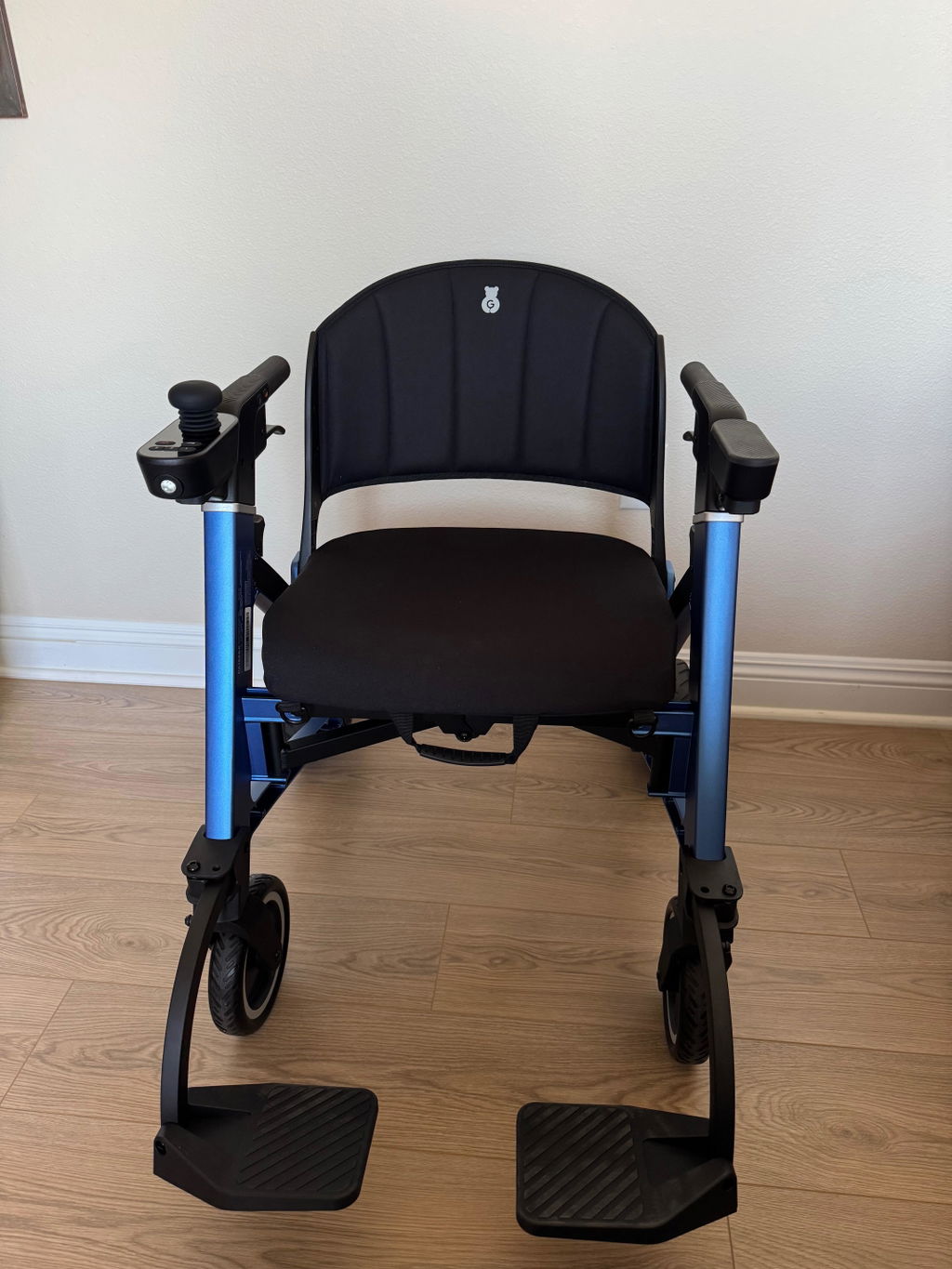
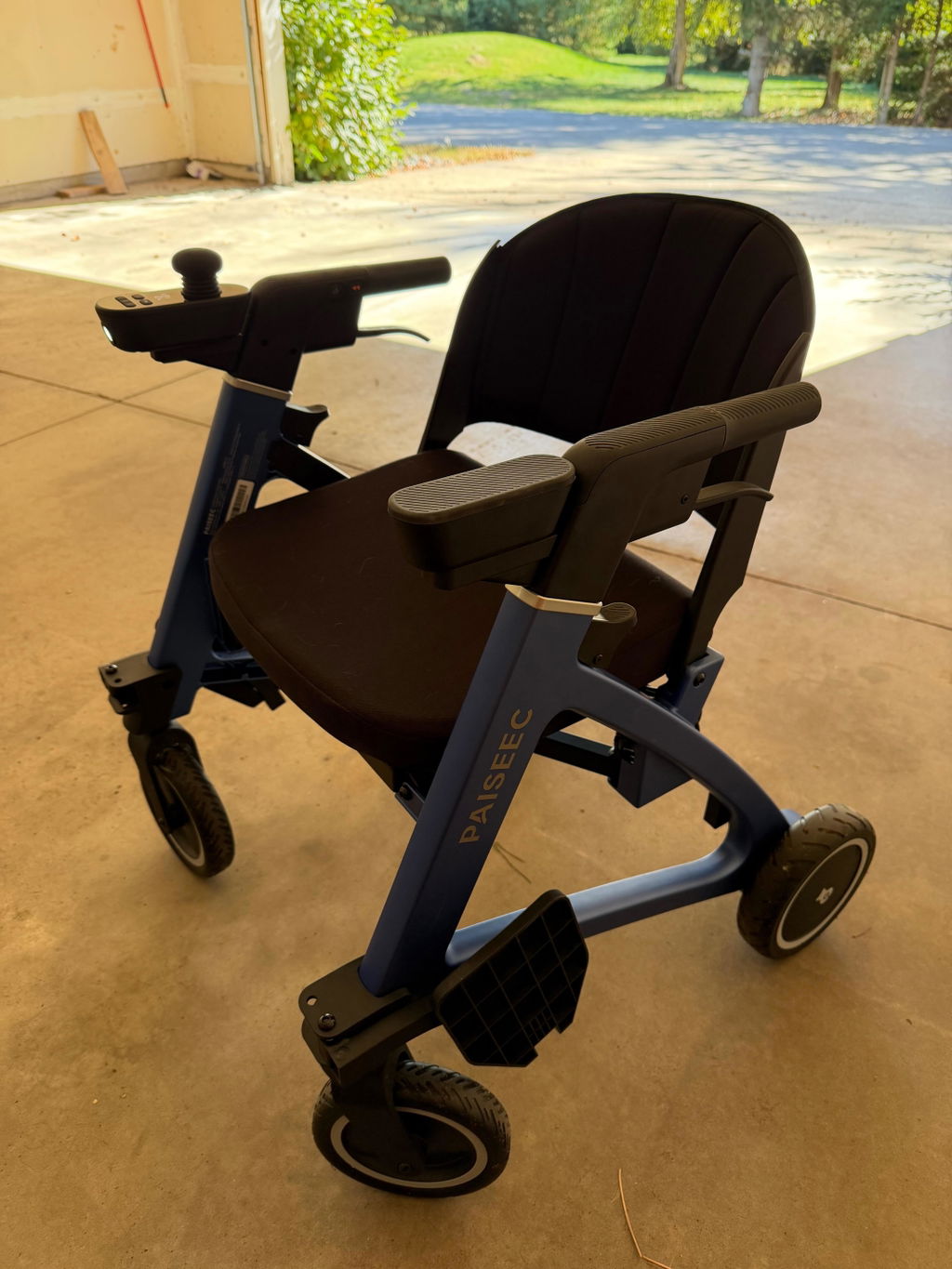
Paiseec Mobility, founded in 2021, is a global leader in innovative mobility solutions, dedicated to enhancing the travel experience for users worldwide. With five advanced labs and a $10 million R&D investment, the company engineers modern battery powered systems that combine performance, safety, and sustainability, including next-gen lithium batteries and modular energy units for electric mobility devices.
Competitor Comparison: Battery Efficiency and Innovation Levels
| Company | Core Technology | Cycle Life | Fast-Charge Time | Sustainability Level |
|---|---|---|---|---|
| CATL | Solid-state lithium-ion | 6,000 cycles | 20 minutes | High |
| Panasonic | Nickel-cobalt-aluminum hybrid | 5,000 cycles | 25 minutes | Medium |
| BYD | LFP Blade architecture | 5,500 cycles | 18 minutes | Very High |
| LG Energy Solution | Graphite-silicon blend | 5,800 cycles | 22 minutes | High |
These companies represent the forefront of global battery powered R&D, pushing energy density, lifespan, and recyclability to new frontiers.
Core Technology Driving Battery Powered Devices
Modern battery systems rely on lithium-ion chemistry, where ions move between the anode and cathode to create electric current. Advances in silicone-based anodes and solid-state electrolytes are amplifying capacity and durability while reducing charging times. Thermal management and AI-based battery management systems also extend life and safety in consumer electronics, EVs, and grid applications. Energy storage integrators are adopting temperature sensors and predictive analytics to prevent degradation and optimize charge-discharge cycles.
Real User Cases and ROI Impact
For residential homeowners, battery powered solar systems can cut annual electricity costs by up to 60%, with payback periods as short as five years. Commercial facilities that install grid-connected batteries are achieving higher demand charge savings and uninterrupted power during outages. Fleet operators transitioning to fully battery powered vehicles report operational savings between 25% and 40% due to lower fuel and maintenance expenses. Off-grid communities worldwide now access stable power for schooling, refrigeration, and communication thanks to advanced lithium and sodium-ion packs.
Future Trend Forecast for Battery Powered Technologies
Over the next decade, ultrafast charging (under 10 minutes) and flexible, recyclable battery cells will dominate innovation. Solid-state and sodium-ion batteries will reduce dependence on costly raw materials like cobalt and nickel. Meanwhile, graphene-enhanced electrodes and AI-driven predictive energy distribution systems will make battery packs safer and longer-lasting. Portable power will continue to integrate seamlessly into daily life—powering compact EVs, e-bikes, smart furniture, and wearable technology.
The convergence of battery powered energy and digital intelligence is expected to define smart cities, autonomous transportation, and decentralized renewable grids. This transformation supports global energy equity while reducing dependence on fossil fuels.
Frequently Asked Questions
What does “battery powered” mean?
It refers to any device or system operated using stored electrical energy from a rechargeable or disposable battery pack instead of direct current or fuel-based energy sources.
Which type of battery offers the best performance today?
Lithium-ion batteries lead in power density and longevity, but solid-state and lithium-iron-phosphate variations are gaining popularity due to safety and lifespan improvements.
Are battery powered vehicles environmentally friendly?
Yes. When charged with renewable sources, battery powered vehicles drastically cut greenhouse gas emissions and reduce long-term energy costs compared to combustion engines.
Can batteries be recycled?
Modern recycling technologies recover up to 95% of key metals like lithium, nickel, and cobalt, which helps reduce waste and improve resource sustainability.
Powering the Next Era of Mobility and Energy
Battery powered innovations are setting the pace for a cleaner, more efficient, and more connected world. As technology advances, power storage will become lighter, faster, safer, and more sustainable, unlocking new possibilities for personal mobility, industry, and home energy solutions. From daily convenience to planetary preservation, the future belongs to battery powered progress—clean, silent, and unstoppable.
Leave a comment
This site is protected by hCaptcha and the hCaptcha Privacy Policy and Terms of Service apply.