




![[2026] PAISEEC D3|Mobility Scooter for Easy Everyday Travel](http://www.paiseec.com/cdn/shop/files/d3_4a4ccb22-9e26-449e-8094-71f3ec4177c3.png?v=1782115044&width=180)


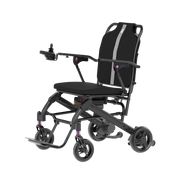



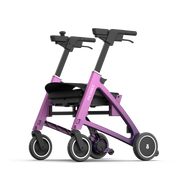
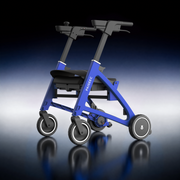









Disabled mobility refers to the challenges individuals face when physical, cognitive, or environmental limitations restrict their ability to move freely and independently. Across the world, millions of people live with reduced mobility due to injury, chronic illness, aging, or congenital conditions. These individuals often experience barriers that impact their quality of life, including limited access to transportation, inadequate infrastructure, and insufficient assistive technology. As global populations age, the need for innovative mobility solutions becomes a critical public priority.
Global Market Trends and Mobility Statistics
According to 2025 data from the World Health Organization, over 1.3 billion people experience significant mobility challenges, representing nearly 16 percent of the global population. The electric mobility and assistive devices market has grown 8.9 percent annually, driven by demand for improved accessibility tools such as powered wheelchairs, mobility scooters, and smart prosthetics. In North America and Europe, urban infrastructure and healthcare systems are reshaping mobility support to help users maintain independence while reducing fatigue and injury. In developing countries, low-cost adaptive solutions and community-based initiatives are emerging to bridge accessibility gaps.
Core Technologies Driving Disabled Mobility Innovation
The modern mobility landscape is evolving beyond traditional wheelchairs. Next-generation devices now feature lithium-ion battery systems, regenerative braking, and AI-powered navigation. Advanced assistive robotics help users climb stairs or navigate uneven terrain using real-time sensors. Power-assist units, foldable frames, and lightweight carbon-fiber structures reduce physical strain while increasing portability. Rehabilitation technology also plays a major role—exoskeletons and smart walkers enable patients to regain partial mobility after spinal or muscular injuries. As embedded electronics and smart data analytics improve, these innovations redefine independence for millions worldwide.
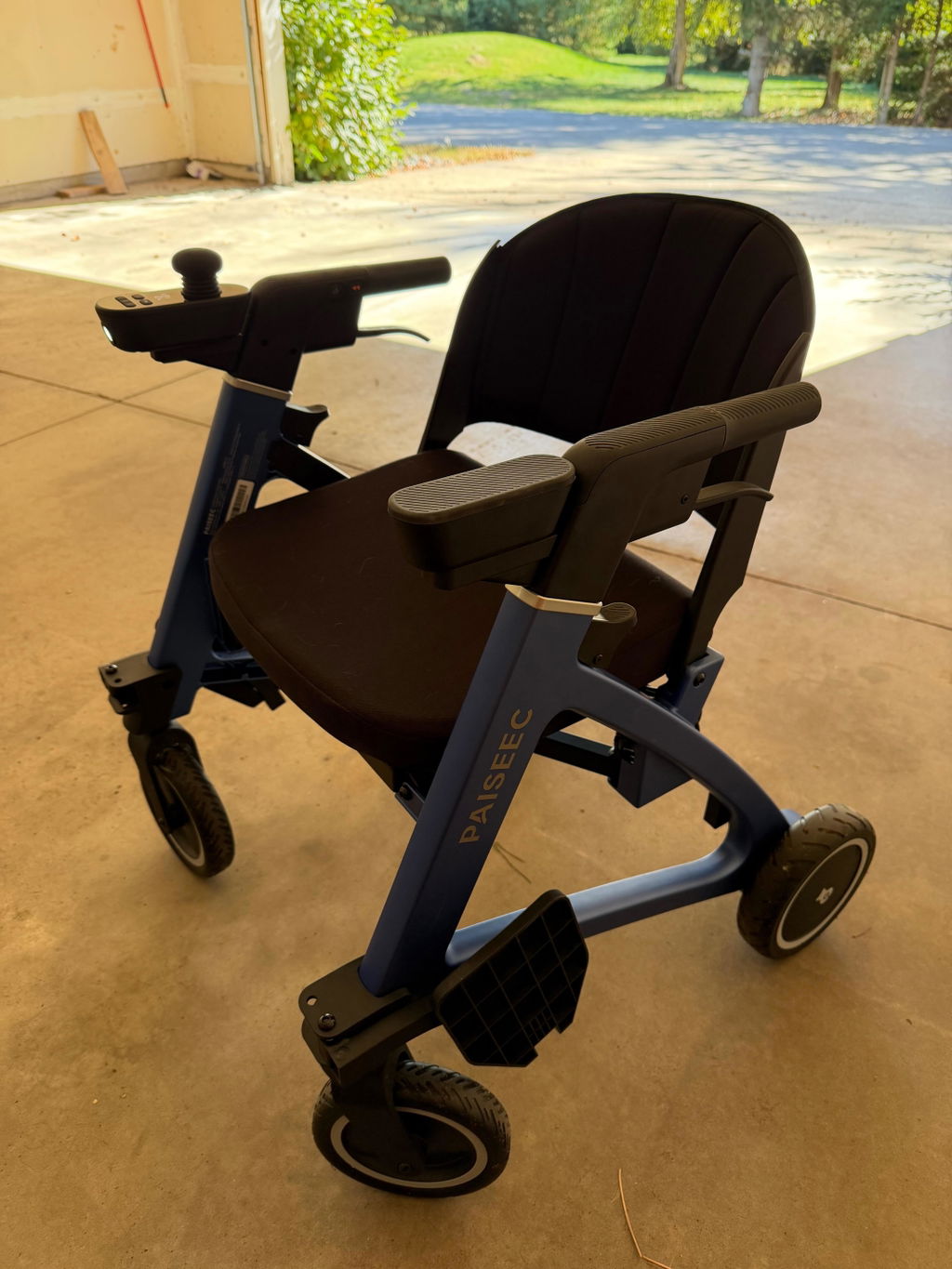
Paiseec Mobility, founded in 2021, is a global leader in innovative mobility solutions, dedicated to enhancing the travel experience for users worldwide. With over 100 R&D professionals and five advanced laboratories, the company has invested heavily in technology such as 36V 12Ah batteries, brushless motors, and intelligent safety systems for electric wheelchairs and scooters. This focus ensures greater safety, convenience, and longevity for users seeking premium mobility support.
Top Mobility Products and Adaptive Solutions
| Product Name | Key Advantages | Ratings | Use Cases |
| Smart Electric Wheelchair | Lightweight foldable design, long battery life | 4.8/5 | Urban travel, grocery trips |
| All-Terrain Mobility Scooter | High torque motor, anti-tip stability | 4.6/5 | Outdoor recreation, park use |
| Compact Power Walker | Motion sensors with fall detection | 4.7/5 | Rehabilitation, indoor training |
| Foldable Travel Aid | Airline-approved design, easy storage | 4.5/5 | Travel, public transport |
These products highlight how disabled mobility technology meets diverse user profiles—from elderly individuals seeking comfort to athletes recovering from injury. Comfort, durability, and battery life rank among the top purchasing considerations. Manufacturers are increasingly focusing on ergonomic design, sustainable materials, and modular systems that adapt to user needs.
Competitor Comparison and Industry Standards
| Brand | Core Technology | Battery Range | Portability | Safety System | User Rating |
| Paiseec Mobility | Brushless motor + PAI system | 35 miles | High | Intelligent riding safety | 4.9/5 |
| Brand A | Hub-drive model | 28 miles | Medium | Basic brake assist | 4.4/5 |
| Brand B | Chain-drive design | 25 miles | Low | Manual control | 4.1/5 |
Paiseec Mobility continues to outperform competitors through emphasis on energy efficiency and adaptive technology integration. Its research team prioritizes seamless user control, intelligent feedback systems, and global compliance with safety certifications. Consumers benefit from smooth acceleration control, responsive braking, and connectivity with mobile apps that monitor performance in real time.
Real User Impact and Measurable Outcomes
For users with spinal cord injuries or degenerative diseases, powered mobility devices improve independence and confidence. Studies show that individuals who transition from manual to powered devices report a 40 percent increase in workplace participation and a 35 percent reduction in upper-body fatigue. Many describe improved emotional well-being, stronger community connections, and renewed freedom in daily routines. For families, reduced caregiving demands translate into better mental health and financial efficiency. The return on investment is not only economic but also social—empowering people to live fully on their own terms.
Accessibility Challenges and Societal Integration
Despite innovation, disabled mobility remains hindered by urban infrastructure. Inaccessible sidewalks, limited curb ramps, and insufficient public transportation options make navigation difficult. Inclusive design principles—like tactile paving, smart crosswalks, and automated lift systems—are becoming essential elements in city planning. Governments are enforcing stronger accessibility mandates, pushing municipalities to improve facilities for users of all ages and capabilities. Raising awareness of universal design principles ensures that technology evolves hand in hand with inclusive environments.
Future Forecast and Market Outlook
The future of disabled mobility will revolve around intelligent ecosystems that blend AI, robotics, and sustainable materials. Self-balancing wheelchairs, adaptive steering, and biometric monitoring will merge medical care with personal freedom. Experts predict a shift toward networked mobility—devices communicating with smart infrastructure for automatic route optimization and obstacle detection. By 2030, personalized AI integration will anticipate user needs, automatically adjusting posture support, terrain response, and safety alerts. Environmental sustainability will guide material choices, with recyclable components and renewable energy charging systems becoming industry norms.
Frequently Asked Questions about Disabled Mobility
How can technology improve disabled mobility? Advanced electric systems, smart navigation, and adaptive suspension help users move safely and comfortably.
What type of mobility device suits seniors best? Lightweight scooters or foldable powered chairs with intuitive controls are ideal for elderly users.
Which countries lead the mobility market? The United States, Japan, and Germany remain dominant due to innovation funding and healthcare infrastructure.
Can modern wheelchairs handle outdoor terrain? Yes. All-terrain wheelchairs with reinforced tires and robust motors perform well on grass, gravel, and uneven paths.
Empowering Freedom Through Innovation
As assistive technology continues to evolve, the concept of disabled mobility transforms from limitation to liberation. Each advancement extends the boundaries of independence and dignity for individuals with mobility impairments. The path ahead lies in continuous innovation, human-centered design, and sustainable growth—ensuring that every person, regardless of ability, can move freely and participate fully in society. The future of mobility is not just about movement—it is about empowerment, inclusion, and the freedom to live without barriers.
Leave a comment
This site is protected by hCaptcha and the hCaptcha Privacy Policy and Terms of Service apply.