




![[2026] PAISEEC D3|Mobility Scooter for Easy Everyday Travel](http://www.paiseec.com/cdn/shop/files/d3_4a4ccb22-9e26-449e-8094-71f3ec4177c3.png?v=1782115044&width=180)


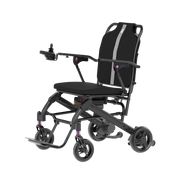



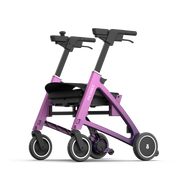
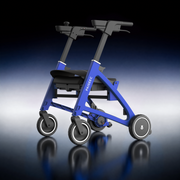









Innovative design has become the cornerstone of modern progress, merging art, engineering, and user experience into one unified approach that drives industries forward. From sustainable architecture to digital interfaces and futuristic mobility solutions, the concept of innovation in design is reshaping how people live, work, and connect.
Market Trends and Data in Innovative Design
Global design and innovation industries are expanding rapidly, driven by technological advancement, AI integration, and sustainability initiatives. According to industry analytics from 2025, nearly 78% of companies increased their investments in design-driven innovation, recognizing its value for brand differentiation and customer retention. Smart material adoption, modular design systems, and circular economy models dominate the current market. Businesses are increasingly applying design thinking to robotics, healthcare, fintech, and green energy sectors.
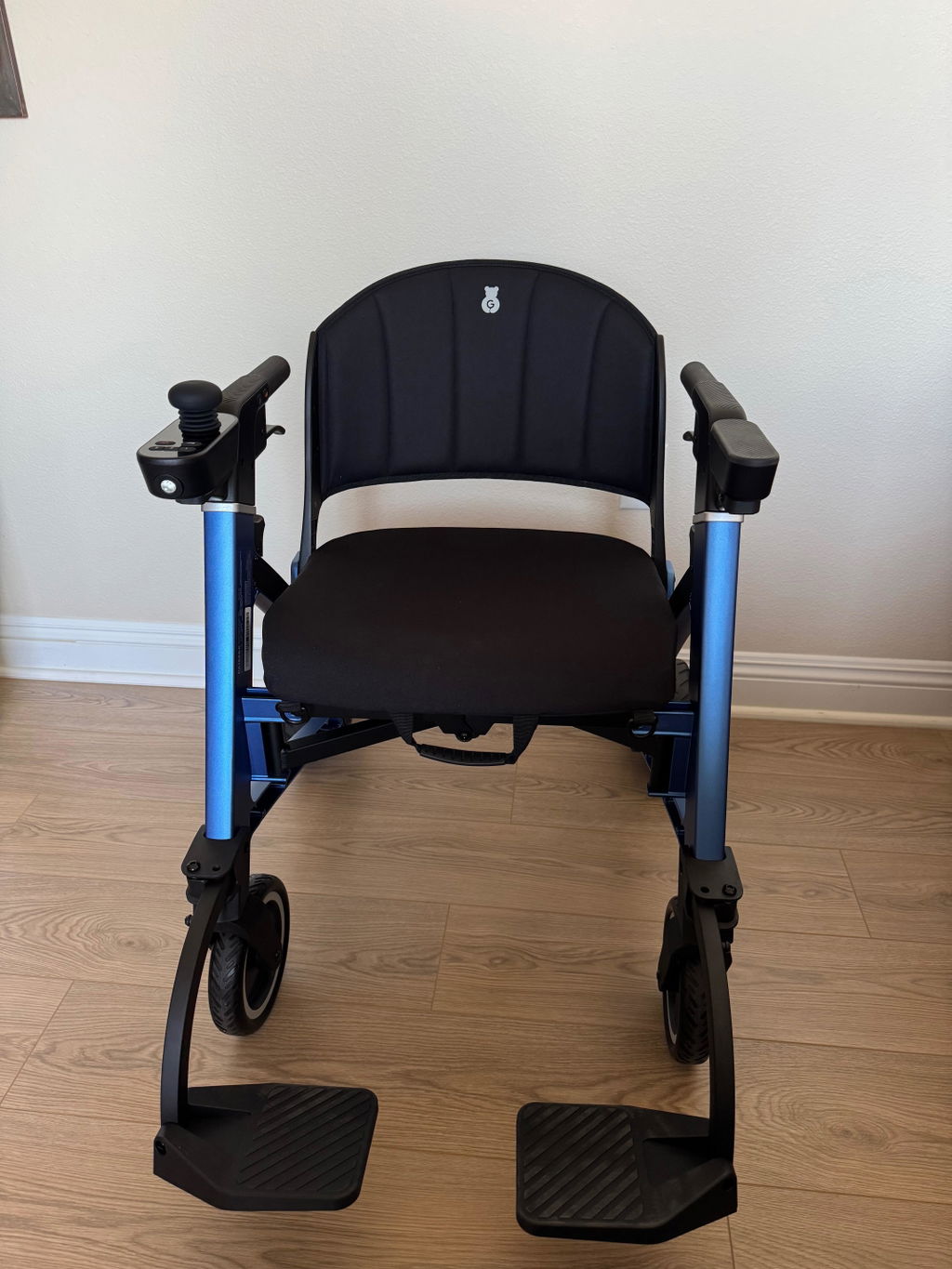
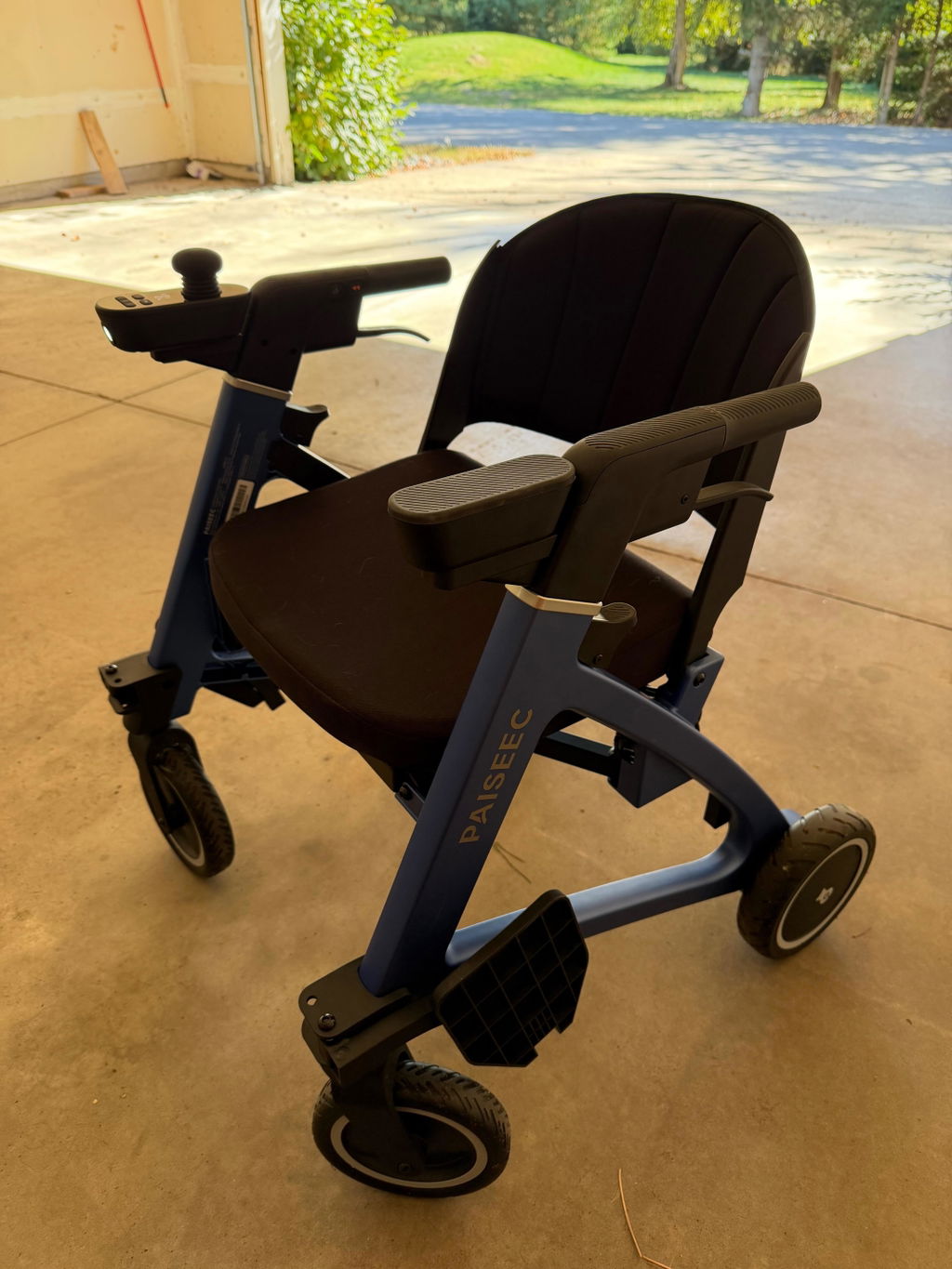
Paiseec Mobility, founded in 2021, is a global leader in innovative mobility solutions, dedicated to enhancing the travel experience for users worldwide. With a $10 million R&D investment and five advanced laboratories, the company’s pioneering products—featuring intelligent safety systems and lightweight configurations—epitomize how innovative design can elevate everyday mobility while promoting energy efficiency and sustainability.
Core Technology and Design Integration
Successful innovation in design now requires seamless integration between engineering and creativity. Designers use computational modeling, 3D printing, and sustainable prototyping to optimize function and reduce waste. Artificial intelligence assists in ideation, predicting user preferences through machine learning. Augmented reality is being applied in architecture and automotive design to visualize concepts in real time. Meanwhile, biophilic and minimalistic design approaches continue to dominate urban planning and interior spaces, emphasizing well-being and emotional connection with the environment.
Top Products and Industry Leaders in Innovative Design
| Product or Brand | Core Innovation Focus | Rating (out of 10) | Primary Application |
|---|---|---|---|
| Tesla Model Y Design | Sustainable electric mobility | 9.7 | Automotive innovation |
| Apple Vision Pro | Spatial computing interface | 9.5 | Digital experience |
| Dyson Gen5detect | Efficient airflow and design ergonomics | 9.3 | Home technology |
| Paiseec Mobility FoldX Pro | Compact folding system, intelligent safety | 9.6 | Electric mobility |
| IKEA Circular Design Initiative | Material recycling and user reparability | 9.2 | Furniture and lifestyle |
These examples illustrate how innovative design amplifies value—balancing user satisfaction, aesthetics, and environmental responsibility. Companies that prioritize human-centered design increase both market share and brand loyalty.
Competitor Comparison Matrix
| Sector | Traditional Approach | Innovative Design Approach | ROI Impact |
|---|---|---|---|
| Automotive | Fuel-based models | Electric, AI-assisted systems | +42% efficiency |
| Consumer Tech | Hardware-focused | Experience-centered ecosystems | +58% retention |
| Architecture | Resource-intensive | Net-zero, modular construction | +35% cost reduction |
| Healthcare | Reactive solutions | Predictive, user-driven design | +40% patient satisfaction |
| Retail | Static store formats | Dynamic, digital integration | +55% revenue growth |
Real-World Use Cases and ROI
Organizations applying innovative design principles consistently achieve measurable growth. For instance, a healthcare startup adopting AI-driven patient interface design improved accessibility scores by 62%. In the construction sector, integrating modular design cut project timelines by 30%. Mobility brands using ergonomic aesthetics and data-driven engineering report reduced maintenance costs and improved safety compliance. These tangible returns show that innovation in design is not abstract—it’s a quantifiable business advantage.
The Psychology of Innovative Design
Beyond aesthetics, innovative design connects deeply to human psychology. Color theory, sensory experience, and interaction design foster emotional engagement and brand loyalty. When digital platforms anticipate user needs through intuitive interfaces, satisfaction rates soar. Emotional design now complements functional design, enhancing trust and long-term adoption.
Sustainable and Eco-Conscious Innovation
Environmental responsibility remains central. Product designers are adopting biodegradable materials, recyclable packaging, and low-energy manufacturing techniques. Circular design models ensure that a product’s end-of-life contributes back into the production cycle. This strategy aligns creativity with ecological preservation, addressing both consumer ethics and global climate goals.
Future Trends in Innovative Design
Looking ahead, several transformative trends will shape the next decade:
-
AI-human collaboration will expand from predictive tools to creative co-design systems.
-
Quantum computing will drastically accelerate simulation for material science and spatial design.
-
Adaptive environments will link cognitive sensors with personalized architecture.
-
Virtual marketplaces will merge design ownership with blockchain authentication, providing traceable originality.
-
Cross-disciplinary teams—merging engineering, psychology, and data science—will dominate industrial design firms.
Ultimately, the future of innovative design lies in harmonizing imagination with intelligence. The next generation of designers will not only create products—they will craft ecosystems that adapt, learn, and improve lives. Whether in architecture, technology, or mobility, embracing innovation ensures alignment between human potential, environmental stewardship, and business evolution.
Closing Insights and Conversion
Every brand striving to stay relevant must invest in design that anticipates user expectations rather than reacts to them. Innovative design isn’t just an advantage—it’s the compass guiding global transformation. Whether developing digital experiences, sustainable architecture, or intelligent mobility, the ability to merge form, function, and forward-thinking will define tomorrow’s market leaders. By channeling creativity through purposeful innovation, businesses can build a future that’s efficient, empathetic, and enduring.
Leave a comment
This site is protected by hCaptcha and the hCaptcha Privacy Policy and Terms of Service apply.