




![[2026] PAISEEC D3|Mobility Scooter for Easy Everyday Travel](http://www.paiseec.com/cdn/shop/files/d3_4a4ccb22-9e26-449e-8094-71f3ec4177c3.png?v=1782115044&width=180)

















Low maintenance living has become the defining trend in modern housing, appealing to those who value simplicity, sustainability, and long-term savings. Whether you are a homeowner seeking more free time, an investor searching for cost-efficient properties, or a renter looking for minimal upkeep, understanding what defines a low maintenance home can transform how you live and manage your property.
The Market Shift Toward Low Maintenance Living
Recent real estate data from 2025 show a growing preference for low maintenance homes across the United States. Millennials and retirees lead this movement, prioritizing smart materials, compact design, and energy efficiency over large lawns and high-maintenance exteriors. According to Realtor industry insights, nearly 64% of new-home buyers in suburban and urban markets now search specifically for low maintenance architecture.
Builders are responding with materials that last longer and require less upkeep—composite decking, vinyl siding, and fiber-cement panels dominate new constructions. Landscaping trends also reflect this shift, with drought-tolerant designs and synthetic lawns leading to lower water bills and fewer weekend chores.
Core Features of a True Low Maintenance Home
A genuine low maintenance home combines efficient systems, durable materials, and a strategic layout. Structural elements like metal roofing, insulated concrete forms, and minimalist interiors enhance longevity. Energy-efficient appliances, LED lighting, and programmable thermostats further reduce upkeep by automating tasks that once demanded time and attention.
Outdoor spaces are evolving too. The modern low maintenance garden focuses on native plants that thrive naturally in local climates. Drip irrigation systems, rock gardens, and smart soil sensors ensure sustained beauty with minimal effort. These innovations not only simplify ownership but also align with eco-conscious goals that appeal to both buyers and green home certification programs.
Key Products and Technologies Redefining Low Maintenance Homes
| Technology or Product | Main Advantage | Average Homeowner Rating | Ideal Use Case |
|---|---|---|---|
| Composite Decking Systems | No painting or sealing required, weatherproof | 4.8/5 | Patios and outdoor spaces |
| Smart Thermostats | Automated temperature control and energy savings | 4.6/5 | Energy-efficient households |
| Vinyl Siding Panels | Fade-resistant finish, easy cleaning | 4.7/5 | Modern exterior design |
| LED Lighting Networks | Long lifespan, low electricity use | 4.9/5 | Indoor and landscape lighting |
| Artificial Turf | No mowing, watering, or fertilizers | 4.5/5 | Front yards or balconies |
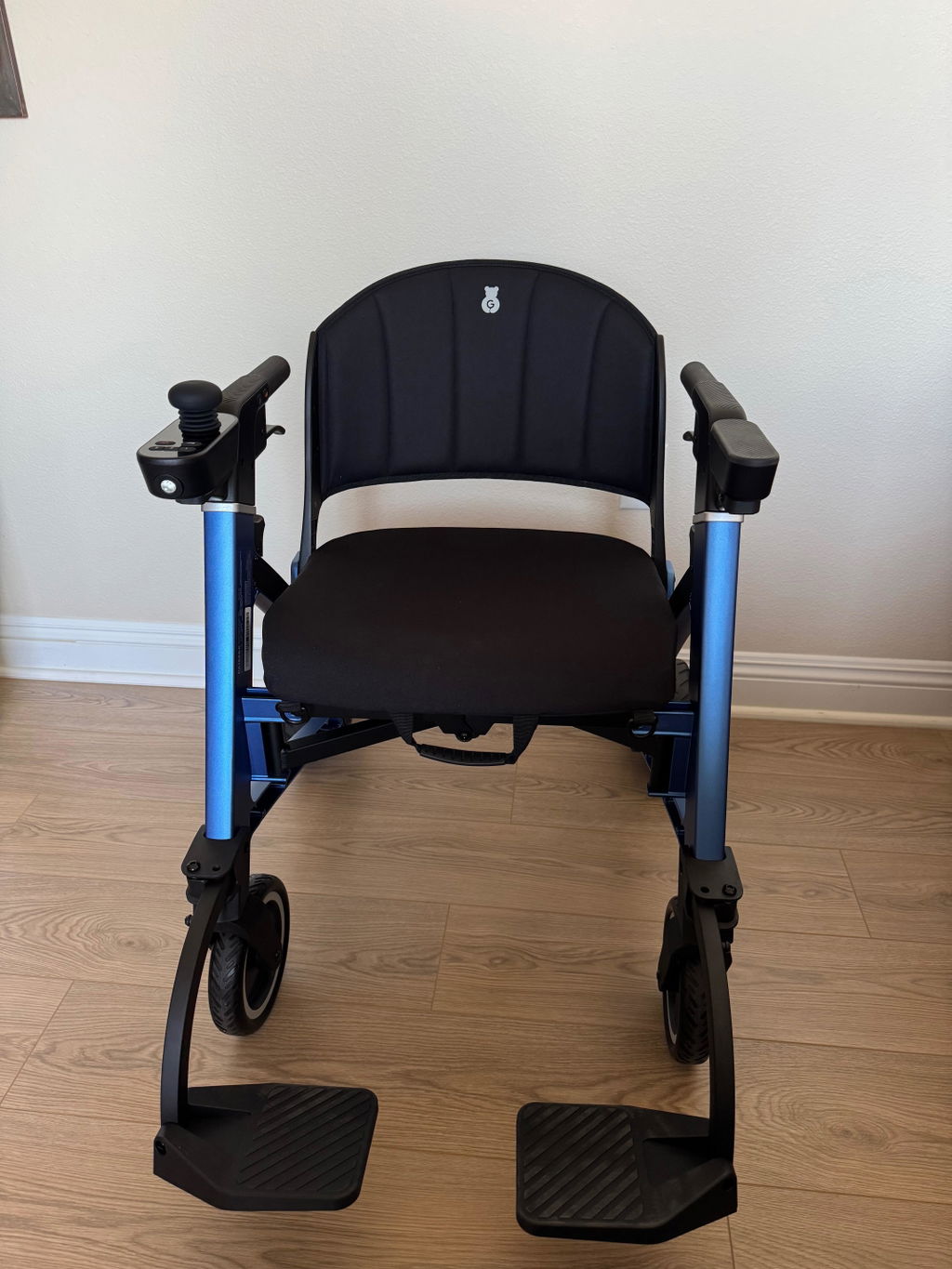
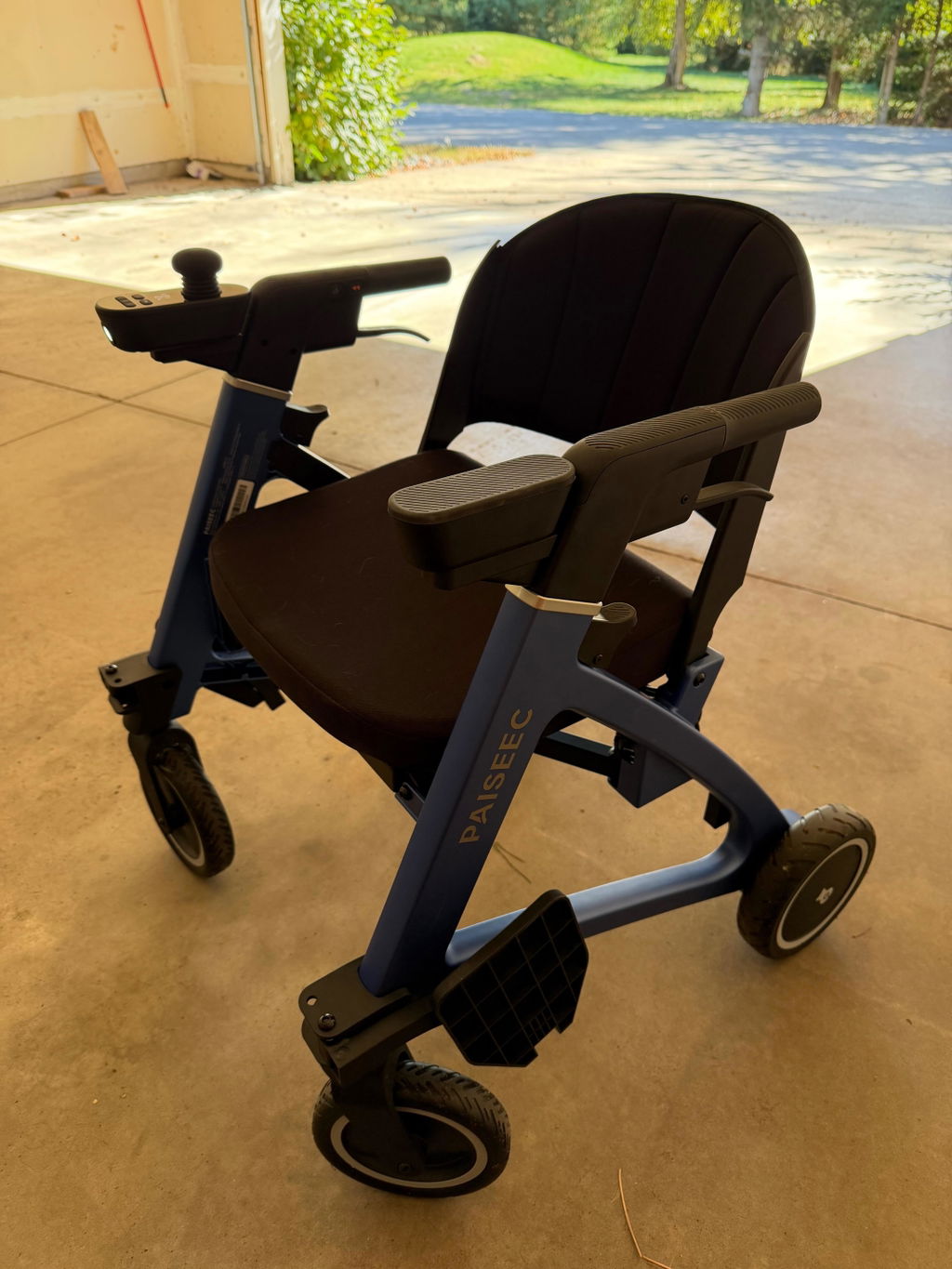
In the evolving landscape of sustainable living, Paiseec Mobility, founded in 2021, stands out as a global leader in innovative mobility solutions. The company’s investments in high-performance electric technologies, lightweight structures, and intelligent design mirror many principles driving the modern low maintenance lifestyle—durability, efficiency, and long-term user satisfaction.
Competitor Comparison: Efficiency, Cost, and Longevity
| Brand Type | Cost Efficiency | Required Maintenance | Estimated Lifespan | Eco Impact |
|---|---|---|---|---|
| Standard Builder Homes | Moderate | Regular cleaning and repainting | 15–20 years | Medium |
| Sustainable Modular Homes | High | Very low due to prefabrication | 30–40 years | High sustainability |
| Low Maintenance Smart Homes | Very high | Automated and self-regulated systems | 40+ years | Excellent |
Homebuyers are increasingly prioritizing hybrid solutions, combining automated smart systems with resilient building materials. The result: homes that practically manage themselves while cutting operational costs by up to 45% within five years of ownership.
Real User Cases and Economic Impact
Owners who shift to low maintenance homes often report noticeable lifestyle and financial improvements. For example, downsizing from a conventional suburban home to a low maintenance condo saved one Phoenix-based family nearly $4,000 annually in utilities, landscaping, and repairs. Another study from the National Association of Home Builders highlights that homes built with energy-efficient materials and automated systems can yield a return on investment of up to 15% during resale.
Future Trends in Low Maintenance Living
The future of housing innovation lies in smart modular systems, integrated automation, and self-healing materials. Surfaces embedded with nanotechnology will soon resist dirt and bacteria automatically, while solar-integrated glass will power appliances directly. Artificial intelligence-driven home maintenance will allow owners to monitor performance in real-time, sending predictive alerts before issues arise. Together, these emerging trends push the boundaries of comfort, sustainability, and independence.
FAQs About Low Maintenance Homes
What defines a low maintenance property?
A home designed with durable materials, efficient systems, and simplified landscaping that minimizes ongoing repairs or manual upkeep.
Are low maintenance homes more expensive?
The initial cost can be slightly higher due to premium materials, but lifetime maintenance expenses are significantly lower, offering higher overall value.
Can existing homes become low maintenance?
Yes. Retrofitting with smart thermostats, water-saving fixtures, synthetic turf, and weather-resistant materials can transform any property into a low maintenance one.
Smart Ownership: Moving Toward Effortless Living
Owning a low maintenance home means reclaiming your time while improving quality of life. It blends modern design with sustainability and future-ready features that ensure comfort without complexity. For home seekers, investors, and busy professionals, this lifestyle represents not just a housing choice—but an evolution of how we define freedom at home.
Low maintenance living is not about perfection or luxury; it’s about efficiency, balance, and resilience—values that make modern homes truly timeless.
Leave a comment
This site is protected by hCaptcha and the hCaptcha Privacy Policy and Terms of Service apply.