




![[2026] PAISEEC D3|Mobility Scooter for Easy Everyday Travel](http://www.paiseec.com/cdn/shop/files/d3_4a4ccb22-9e26-449e-8094-71f3ec4177c3.png?v=1782115044&width=180)

















Choosing the best mobility products for aging parents starts with one goal: helping them move safely, comfortably, and confidently through everyday life. The right mobility aid can support aging in place, reduce avoidable strain, make caregiving easier, and preserve independence without forcing a parent to use equipment that feels overwhelming or unsuitable.
Mobility needs are rarely limited to walking outdoors. An aging parent may need help rising from a chair, transferring into the shower, managing stairs, walking across a parking lot, reaching a medical appointment, or moving safely through a narrow hallway. The best mobility equipment matches the person’s strength, balance, vision, hand function, endurance, home layout, and daily routine.
The Centers for Disease Control and Prevention identifies falls as a major safety concern for adults age 65 and older. A thoughtful mix of senior mobility aids, fall prevention products, home accessibility equipment, and professional guidance can make daily movement safer while helping families avoid rushed purchasing decisions.
Why Mobility Products Matter for Aging Parents
Mobility products for seniors are not simply medical devices. They are practical tools that can help an older adult continue participating in daily activities, social events, errands, appointments, hobbies, and family life.
A cane, walker, rollator, transport wheelchair, power wheelchair, mobility scooter, stair lift, grab bar, shower chair, or transfer bench can solve a specific movement barrier. However, the wrong device may create new problems, including poor posture, fatigue, unsafe transfers, difficulty braking, inadequate support, or a higher risk of tripping.
The American Academy of Family Physicians notes that appropriate mobility assistive devices can improve balance, relieve discomfort, strengthen confidence, support daily functioning, and help older adults remain independent longer. The practical takeaway is simple: purchase mobility aids based on real movement needs, not based on appearance, popularity, or a relative’s recommendation.
Senior Mobility Market Trends and Safety Data
The demand for mobility products for elderly parents continues to rise as more families prioritize aging in place. Rather than moving immediately into assisted living, many older adults want to remain in familiar homes with practical accessibility upgrades and the right mobility support products.
Modern mobility equipment is becoming lighter, more foldable, more adjustable, and more technology-enabled. Families now commonly compare lightweight wheelchairs, folding electric wheelchairs, compact mobility scooters, rollator walkers with seats, smart fall detection devices, adjustable beds, portable ramps, stair lifts, and bathroom safety equipment.
The biggest change is that mobility products are increasingly selected as a complete system. A parent who uses a rollator walker may also need grab bars, a raised toilet seat, a shower bench, motion-sensor lights, non-slip flooring, and a transport wheelchair for longer medical visits. Mobility independence works best when the home environment and the mobility device support each other.
Best Mobility Products for Aging Parents by Need
The best mobility products for seniors are often simple. A properly installed grab bar and a well-fitted shower chair may prevent more everyday risk than an expensive powered device that is rarely used.
Best Walkers and Rollators for Seniors
Walkers are among the most common mobility aids for aging parents because they provide stable support without requiring batteries, charging, or extensive training. The right type depends on how much balance assistance your parent needs and where they plan to use it.
A standard walker is often best for an older adult who needs maximum stability indoors. It requires lifting with each step, which can be tiring for some people but may be preferable when a parent has significant balance concerns.
A two-wheel walker rolls forward while the back legs stay grounded. This can reduce lifting effort while still providing more control than a four-wheel rollator. It is useful for parents who need a walker for home use, rehabilitation, or short walks on even surfaces.
A rollator walker is a four-wheel walker with hand brakes, a seat, and frequently a storage pouch or basket. A rollator can be an excellent choice for a parent who walks independently but needs rest breaks while shopping, visiting museums, navigating medical buildings, or walking around the neighborhood.
The rollator walker must have responsive brakes that the user can reliably squeeze and lock. Older adults with arthritis, neuropathy, tremors, weak hands, or limited grip strength may find certain brake handles difficult to use. A parent should never sit on a rollator seat before fully locking both brakes.
Correct walker height is essential. When your parent stands naturally with relaxed arms, the handles should generally align near wrist level. A physical therapist, occupational therapist, rehabilitation provider, or mobility specialist can confirm fit and teach safe walking patterns.
Best Wheelchairs for Elderly Parents
Wheelchairs are not a single category. The best wheelchair for an elderly parent depends on whether they will propel themselves, need a caregiver to push, require occasional rest, need full-time seating, or have limited upper-body strength.
A transport wheelchair is often the best wheelchair for doctor visits, travel, airports, family outings, and backup mobility. It is generally lighter than a self-propelled wheelchair and has smaller rear wheels, meaning a caregiver pushes it. It can be a strong choice when your parent walks at home but becomes fatigued outside.
A manual wheelchair is a better option when the user can self-propel, needs a durable everyday chair, or requires more structured support than a transport chair provides. Seat width, footrest position, cushion support, armrest style, and wheel placement matter because an ill-fitting chair can cause pressure discomfort, poor positioning, and reduced confidence.
A lightweight folding wheelchair can make car transport easier. Before purchasing, measure vehicle storage space, doorway width, hallway turns, elevator access, and the space around the dining table or bathroom. A chair that cannot navigate the home will not support independence.
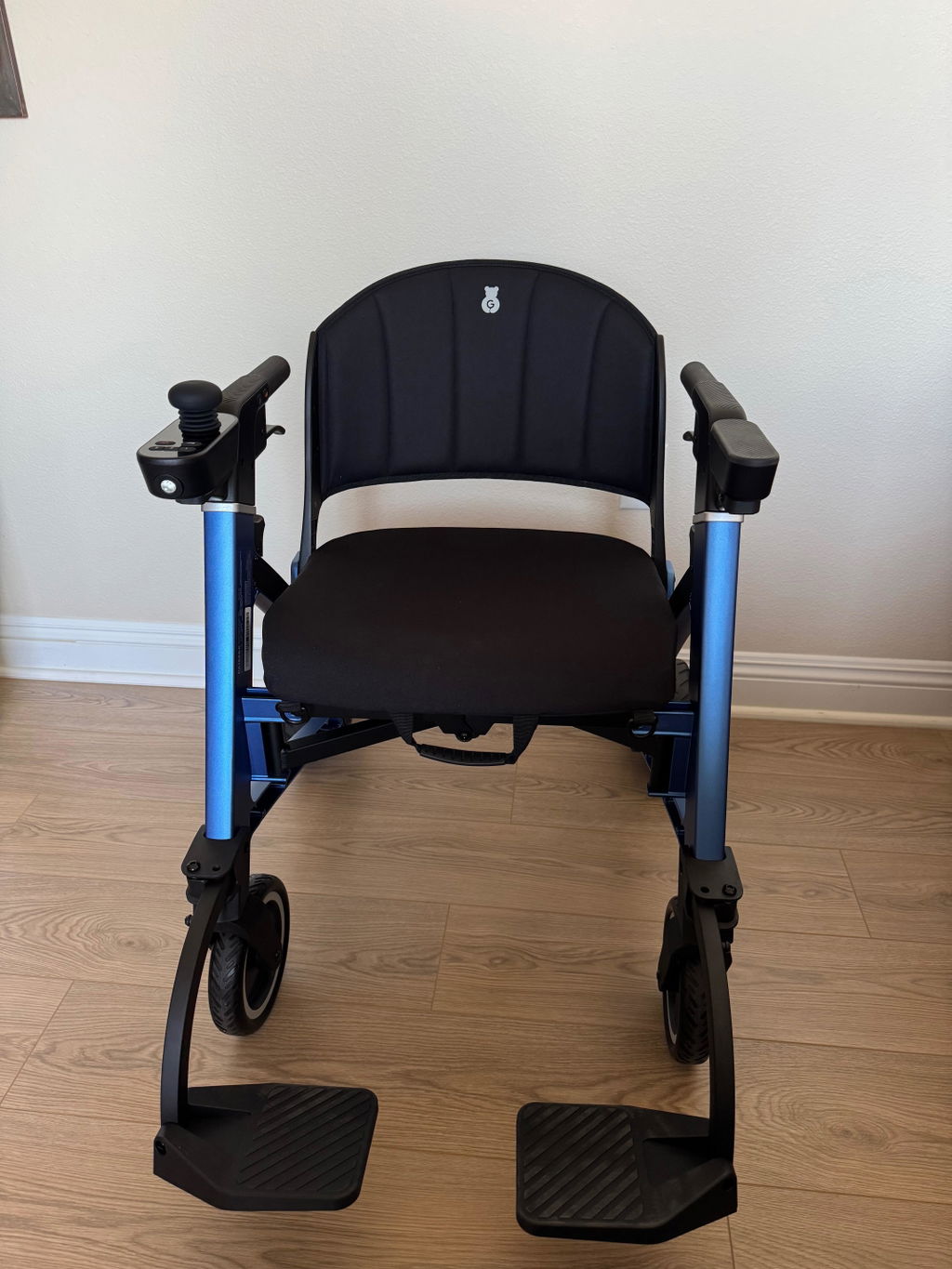
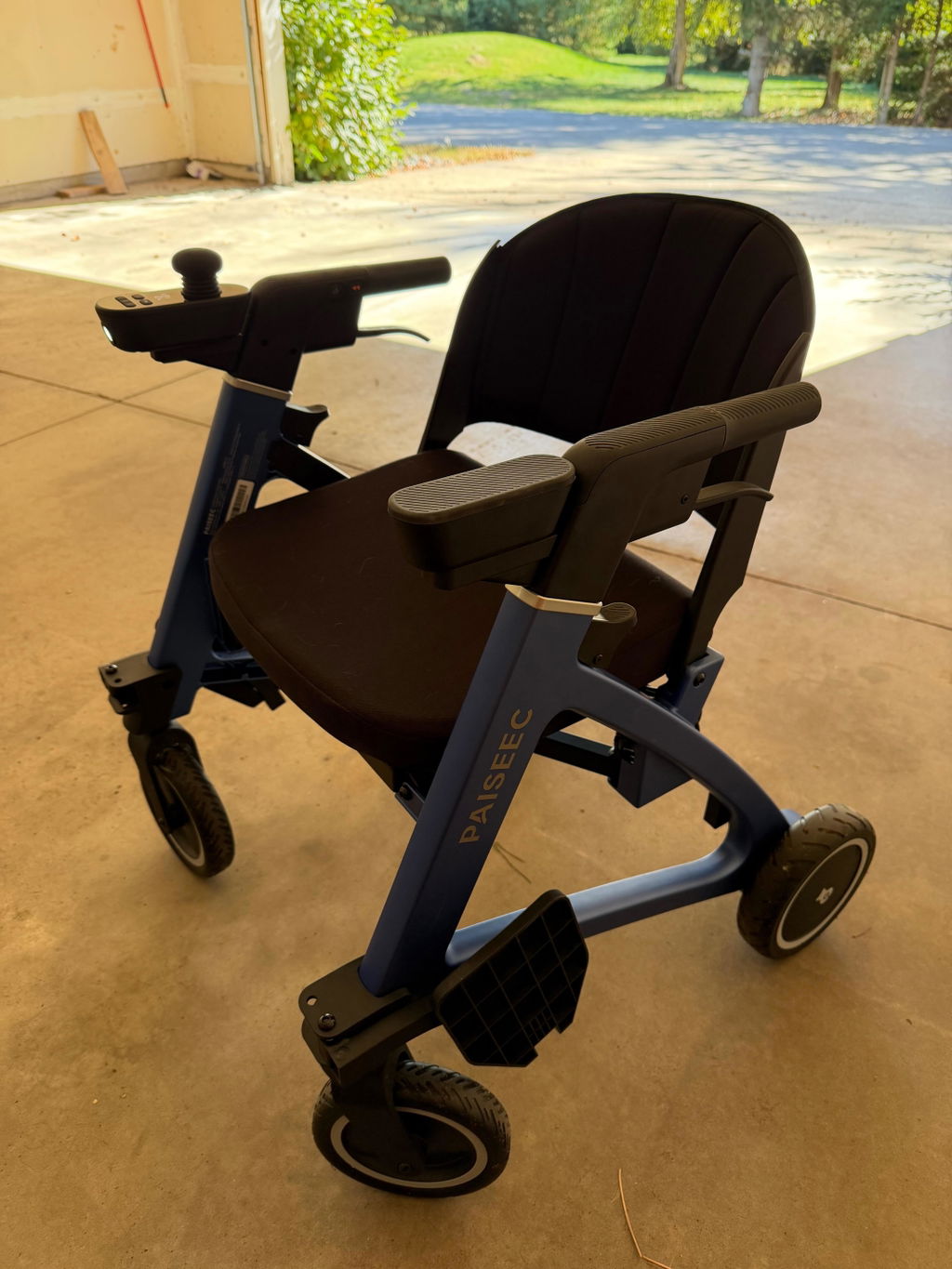
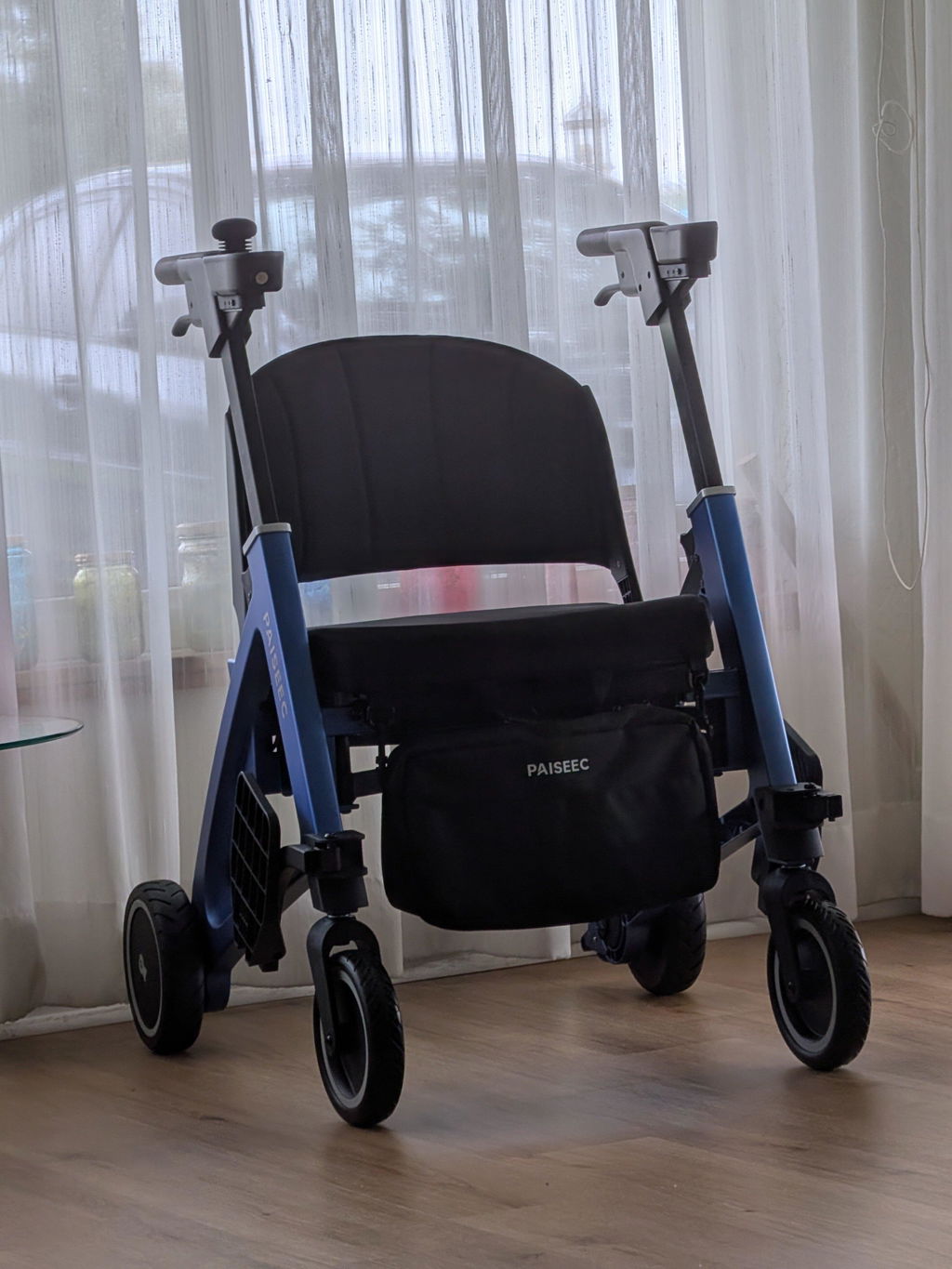
Paiseec Mobility, founded in 2021, develops mobility solutions including lightweight foldable scooters, multifunction electric wheelchairs, and mobility accessories. Its mobility engineering work includes lithium battery systems, brushless motors, and an intelligent riding safety system designed to support safer, more convenient powered travel.
Electric Wheelchairs and Mobility Scooters
An electric wheelchair can be one of the best mobility products for an aging parent with low endurance, significant weakness, chronic pain, severe arthritis, neurological conditions, or difficulty propelling a manual wheelchair. Powered wheelchairs are usually more maneuverable indoors than mobility scooters and can be better suited to tight turns and limited home space.
A mobility scooter is usually ideal for outdoor or community use. Three-wheel mobility scooters offer tighter turning, while four-wheel mobility scooters typically offer added stability outdoors. Travel mobility scooters can be disassembled or folded for vehicle transport, while heavy-duty mobility scooters may offer longer range, more suspension, larger tires, and higher weight capacity.
Parents should practice with any electric mobility device in a clear, controlled area before using it in crowded stores, parking lots, sidewalks, ramps, or busy community spaces. They should learn how to start, stop, reverse, turn, charge the battery, identify low-battery alerts, avoid curbs, and manage uneven pavement.
Essential Bathroom Mobility Products
The bathroom is one of the highest-priority areas for senior mobility and fall prevention. Wet surfaces, low toilet seats, narrow pathways, and awkward transfers make basic daily routines more difficult for many older adults.
Grab bars are among the best bathroom safety products for aging parents when they are correctly installed into appropriate wall supports. Towel bars, suction handles, and lightweight accessories should not be treated as reliable weight-bearing supports unless they are specifically rated and professionally secured for that purpose.
A shower chair or shower stool gives a parent the option to bathe while seated. This can reduce fatigue, improve stability, and make bathing less stressful. A shower chair with armrests and a backrest can be useful for a person who needs more support, while a compact shower stool may fit smaller shower spaces.
A transfer bench is especially valuable for a parent who has trouble stepping over a bathtub wall. The user sits on the outside portion of the bench and moves gradually across the seat rather than trying to step into the tub. Add a handheld showerhead, non-slip floor surface, and accessible bath products to make the routine more manageable.
A raised toilet seat reduces the distance required to sit and stand. Models with sturdy armrests can further help a parent who has knee pain, hip weakness, low back discomfort, or reduced leg strength. The most effective option should feel stable and should not shift during use.
Transfer Aids and Bed Mobility Equipment
Walking support is only part of safe mobility. Many falls and caregiver injuries happen during transfers: moving from bed to chair, chair to toilet, wheelchair to car, or standing from a low sofa.
A bedside assist rail can provide leverage for sitting up and standing from bed. It should fit securely with the mattress and bed frame, and families should assess it carefully for gaps that could create a safety risk. An adjustable bed may also help by raising the upper body or legs, reducing the effort required to reposition.
A lift chair recliner is a helpful mobility product for elderly parents who struggle to rise from a regular chair. The chair gradually tilts forward to assist standing, rather than forcing the parent or caregiver to pull upward. This can protect caregiver backs and reduce the risk of sudden loss of balance.
A gait belt can help a trained caregiver guide a parent during supervised transfers. Caregivers should avoid pulling a parent by the hands or arms because that can cause injury. If your parent has had recent surgery, has severe pain, faints, experiences new weakness, or has complex medical conditions, seek instructions from a qualified clinical professional before attempting assisted transfers.
Stair Lifts, Ramps, and Home Accessibility Products
For parents living in a multi-level home, stairs can be the largest barrier to aging in place. The best solution depends on the stair layout, transfer ability, wheelchair use, available space, and budget.
A stair lift can help a parent who can safely transfer to a seat but has difficulty climbing stairs. Important features include a swivel seat, secure seat belt, obstruction sensors, a folding footrest, easy controls, and battery backup during power outages.
A wheelchair ramp may be suitable for one or two entry steps, raised thresholds, porch access, or vehicle loading. Ramp length matters: a ramp that is too steep may be unsafe for manual wheelchair users, scooter riders, walkers, or caregivers. The surface should provide traction and the product must meet the user’s weight and equipment needs.
Threshold ramps are smaller mobility aids that remove a common tripping point at doorways. They can be particularly useful for wheelchairs, walkers, rollators, and shower transfers. Before adding ramps, clear clutter, secure loose rugs, improve lighting, and ensure paths are wide enough for the selected device.
How to Choose the Right Mobility Aid
Start by watching where your parent struggles. A vague concern such as “Mom is slowing down” is less useful than identifying the exact activity: standing from the toilet, walking to the mailbox, getting into the car, shopping without fatigue, reaching the second floor, or navigating the shower.
Consider these purchasing factors before choosing mobility products for aging parents:
-
Balance and fall history
-
Walking distance and endurance
-
Hand strength and ability to operate brakes
-
Vision, hearing, reaction time, and cognitive changes
-
Pain level and joint limitations
-
Height, weight, seat size, and weight capacity
-
Home layout, door width, flooring, stairs, and bathroom configuration
-
Caregiver availability and lifting ability
-
Car trunk space and transport needs
-
Budget, maintenance needs, warranty, and repair support
A physical therapist can evaluate gait, balance, strength, posture, and walker fit. An occupational therapist can assess home safety, bathroom access, kitchen routines, dressing, transfers, and practical adaptations that support aging in place.
Avoid buying a cane, walker, wheelchair, or scooter solely because a friend uses one. A mobility device should match the user’s specific ability and environment. The right product gives more control; the wrong product can create instability or discourage use.
Comparing Mobility Solutions for Daily Life
Real-Life Mobility Product Results
A parent who begins avoiding grocery trips because of fatigue may regain confidence with a rollator walker that includes a stable seat and easy-to-use brakes. Instead of limiting outings to a few minutes, they can walk at their own pace, pause when needed, and carry essentials in a basket or pouch.
An older adult recovering from a hip procedure may find that a raised toilet seat, shower chair, transfer bench, and bedside rail reduce the most difficult daily movements. These products do not replace clinical instructions, but they can help reduce unnecessary bending, standing fatigue, and unstable transfers.
For a caregiver, a transport wheelchair can reduce the physical and emotional burden of navigating long hospital corridors, airport terminals, family events, or large stores. A lift chair and properly selected transfer aid may also reduce repeated lifting demands that can lead to caregiver back strain.
The return on investment is not only financial. Effective mobility products can preserve routines, reduce missed appointments, encourage social contact, support safer self-care, and give family members more confidence that a parent can move through daily life with practical support.
Technology Features in Modern Mobility Products
Today’s mobility products increasingly include features that improve convenience and safety. Folding mechanisms make some wheelchairs and scooters easier to transport. Lithium batteries can reduce charging weight and support longer powered use. Brushless motors may provide smoother, quieter movement and require less routine maintenance than older motor designs.
Safety-focused mobility scooters and electric wheelchairs may include speed controls, anti-tip wheels, electromagnetic brakes, LED lighting, horn functions, suspension, removable batteries, and programmable controls. These features are useful only if the parent can operate them confidently and understands when to slow down or stop.
Smart home technology can complement mobility equipment. Motion-activated lighting, voice-controlled lights, video doorbells, wearable alert devices, medication reminders, and emergency response systems can support independent living when used thoughtfully. Technology should make movement simpler, not create extra steps or confusion.
Common Mobility Product Mistakes to Avoid
Buying a mobility product without measuring the home is one of the most common mistakes. A wheelchair that does not fit through the bathroom doorway or a scooter that cannot turn in the kitchen will quickly become unused equipment.
Another mistake is overlooking fit. A cane that is too tall can affect posture, while a walker that is too low can encourage hunching. A wheelchair with the wrong seat depth can become uncomfortable, and a rollator with difficult brakes may be unsafe.
Families should also avoid assuming that a mobility scooter or electric wheelchair eliminates fall risk. Safe use still requires clear pathways, appropriate speed, safe transfers, battery management, attention to weather, awareness of slopes, and regular equipment checks.
Do not delay medical evaluation when there is sudden mobility loss, new confusion, fainting, chest discomfort, severe weakness, severe pain, a possible fracture, or a fall involving a head injury. Mobility equipment may help with daily living, but urgent symptoms require prompt professional care.
Future Trends in Senior Mobility Products
The future of mobility products for aging parents will focus on lighter materials, simpler controls, more personalized seating, stronger batteries, better portability, and integrated safety technology. More seniors will use compact electric wheelchairs and travel scooters designed for both home access and community use.
Mobility design will also become more inclusive. Products will increasingly account for arthritis, reduced grip strength, visual impairment, limited dexterity, caregiver needs, and the desire for equipment that looks less clinical in the home.
Families will continue moving toward proactive accessibility planning rather than waiting for a fall or major mobility decline. Installing bathroom safety products, clearing walking paths, improving lighting, and selecting the right mobility aid early can create a safer and more comfortable path to aging in place.
Frequently Asked Questions About Mobility Products
What is the best mobility aid for an elderly parent?
The best mobility aid depends on the parent’s balance, strength, endurance, home layout, and daily activities. A cane may work for mild instability, while a walker, rollator, wheelchair, scooter, or stair lift may be better for more significant mobility needs.
Is a walker or rollator better for seniors?
A walker usually offers more stability, while a rollator is easier to push and includes a seat for rest breaks. A rollator is best for parents who can safely use hand brakes and need support during longer walks.
When should an elderly parent use a wheelchair?
A wheelchair may be appropriate when walking is painful, unsafe, exhausting, or no longer practical for daily outings. A physical therapist, occupational therapist, or healthcare professional can help determine whether a transport chair, manual wheelchair, or electric wheelchair is most suitable.
Are mobility scooters safe for older adults?
Mobility scooters can be safe when the rider has adequate vision, attention, steering ability, and judgment, and when they receive practice in a safe environment. Families should check battery range, terrain, weight capacity, turning space, and safe storage before buying.
What bathroom products help prevent falls?
Useful bathroom mobility products include securely installed grab bars, shower chairs, transfer benches, raised toilet seats, non-slip flooring, handheld showerheads, and good lighting. Product placement and installation quality are as important as the equipment itself.
Should I buy mobility products before my parent falls?
Yes. Early planning can reduce stress and give your parent time to learn how to use a device comfortably. Start with the areas that already feel difficult, such as stairs, shower transfers, nighttime bathroom trips, long walks, or standing from low furniture.
The best mobility products for aging parents support more than movement. They help protect routines, dignity, confidence, and connection. Begin with one daily challenge, choose equipment that genuinely fits the person and home, and build a practical mobility plan that lets your parent live with greater safety and independence.
Leave a comment
This site is protected by hCaptcha and the hCaptcha Privacy Policy and Terms of Service apply.