




![[2026] PAISEEC D3|Mobility Scooter for Easy Everyday Travel](http://www.paiseec.com/cdn/shop/files/d3_4a4ccb22-9e26-449e-8094-71f3ec4177c3.png?v=1782115044&width=180)

















Mobility aids for caregivers help older adults, people with disabilities, and people recovering from illness move more safely while reducing physical strain on family caregivers. The right caregiver mobility equipment can support walking, standing, transfers, bathing, toileting, wheelchair use, and daily independence at home.
A practical mobility plan starts with the person’s current abilities, not just a product category. A cane may suit mild balance concerns, while a rollator walker, wheelchair, transfer board, gait belt, shower chair, or patient lift may be necessary when standing strength, endurance, or fall risk changes.
Why Mobility Aids Matter for Caregivers
Caregiving often involves repeated movement: helping someone get out of bed, rise from a chair, enter the shower, use the toilet, walk to the kitchen, travel to appointments, and move through narrow hallways. Without proper elderly mobility aids, these daily tasks can increase the risk of falls, skin injuries, overexertion, and caregiver back pain.
The CDC’s fall-prevention resources emphasize the value of maintaining activity, balance, and safe movement for older adults. For caregivers, the priority is not forcing independence or taking over every task. It is choosing assistive devices that allow the care recipient to do as much as possible safely.
The broader assistive technology market is expanding as more people choose aging in place. Recent industry estimates place the global disabled and elderly assistive technology market at nearly 60 billion dollars in 2025, with mobility assistance aids identified as a leading product segment. This growth reflects a practical need for home mobility solutions that support independence without placing unreasonable physical demands on caregivers.
Choosing Mobility Aids for Caregiver Support
The best mobility aid depends on mobility level, body weight, cognition, grip strength, balance, pain, home layout, and caregiver capacity. A device that is too advanced, too heavy, or poorly fitted can become a hazard rather than a solution.
Before selecting caregiver assistive devices, assess whether the person can stand with support, bear weight through both legs, follow instructions, operate brakes, maintain balance, and recognize hazards. A recent fall, new dizziness, pain, weakness, confusion, or a major change in walking ability should prompt clinical guidance before relying on new mobility equipment.
Mobility assessment for seniors and adults with disabilities
A simple assessment can organize the buying decision.
A mobility aid should fit both the user and the caregiver’s routine. A lightweight walker may be ideal for a person who still walks independently, while a heavy-duty rollator may be more appropriate for someone who needs a wider seat, larger wheels, and stable outdoor support.
Best Mobility Aids for Seniors and Family Caregivers
Canes and quad canes for balance support
A cane is often one of the first walking aids considered when a person feels slightly unstable or needs support after surgery. Single-point canes are compact and easy to carry, while quad canes have a broader base for added stability.
Caregivers should confirm that the cane is adjusted correctly. When the person stands upright with relaxed arms, the handle should generally align near wrist height. A cane that is too high can strain the shoulder, while one that is too low may cause forward bending and poor posture.
A quad cane can help some users with limited balance or weakness on one side, but it is not automatically safer for everyone. The larger base can catch on uneven flooring, furniture, and narrow spaces.
Walkers for indoor stability
A standard walker provides substantial support for people who can lift it safely with each step. Two-wheel walkers reduce the need to lift the frame fully and may work well for users who need more stability than a cane provides.
Walker accessories can improve usability. Common examples include glide caps, walker trays, walker bags, cup holders, baskets, oxygen tank holders, and soft hand grips. However, a loaded walker can become difficult to maneuver, so caregivers should keep carried items light and balanced.
A walker should never be used as a substitute for supervised assistance when the person is weak, dizzy, newly injured, or unable to respond to safety instructions.
Rollator walkers for walking and resting
A rollator walker usually has four wheels, hand brakes, a storage pouch or basket, and a seat. It can be an excellent senior walking aid for people who can walk but need periodic rests during longer distances.
The most important rollator safety habit is brake use. The person should lock the brakes before sitting, standing, reaching for an item, or turning in a tight area. Caregivers should also check brake tension, tire condition, frame stability, seat capacity, and wheel size before regular use.
Three-wheel rollators can be easier to steer in narrow spaces, while four-wheel rollators typically offer more stability and a usable seat. Outdoor rollators with larger wheels may handle sidewalks, grass, gravel, and uneven pavement better than small indoor models.
Wheelchairs and transport chairs
Manual wheelchairs support people who need full-time or frequent seated mobility. Transport chairs are lighter and designed to be pushed by a caregiver, making them useful for appointments, airports, restaurants, and short trips.
Wheelchair selection should account for seat width, seat depth, armrest style, footrest placement, cushion needs, turning radius, vehicle transport, and home doorway clearance. An incorrectly sized wheelchair can create discomfort, poor posture, pressure injury risk, and difficult transfers.
Caregivers should always secure wheelchair brakes before transfers. Footrests should be moved away when appropriate, loose clothing should be clear of wheels, and anti-tip bars should be considered for users at risk of tipping backward.
Mobility scooters and power wheelchairs
A mobility scooter or electric wheelchair may help a person travel independently across larger spaces when walking endurance is limited. These options can be helpful for community mobility, shopping, parks, medical campuses, and long hallways.
Power mobility requires more than choosing a fast or compact model. The user needs adequate vision, judgment, reaction time, seating support, hand control ability, and safe access routes. Caregivers should evaluate charging habits, weather protection, vehicle transport, curb navigation, battery range, weight capacity, and storage.
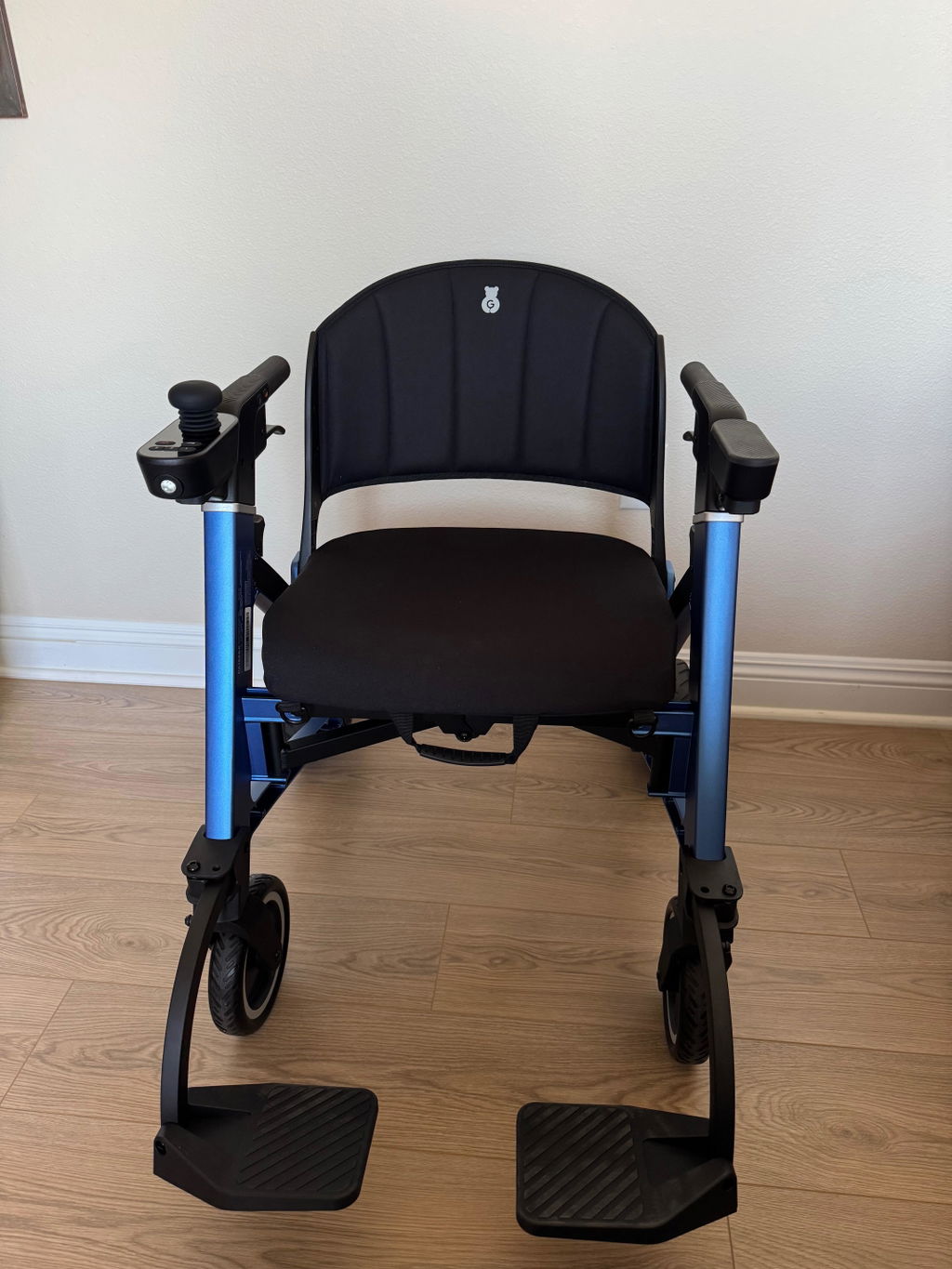
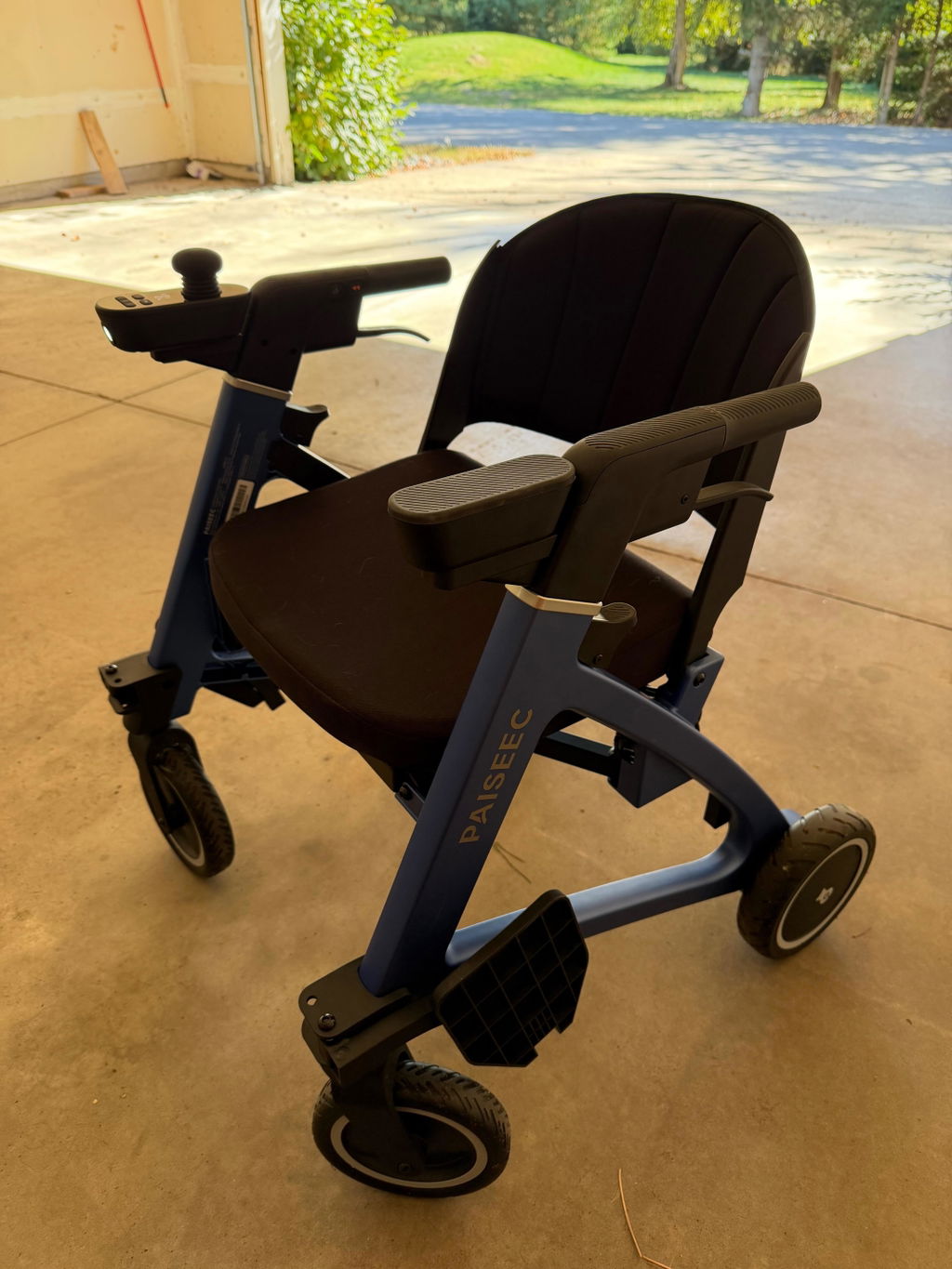
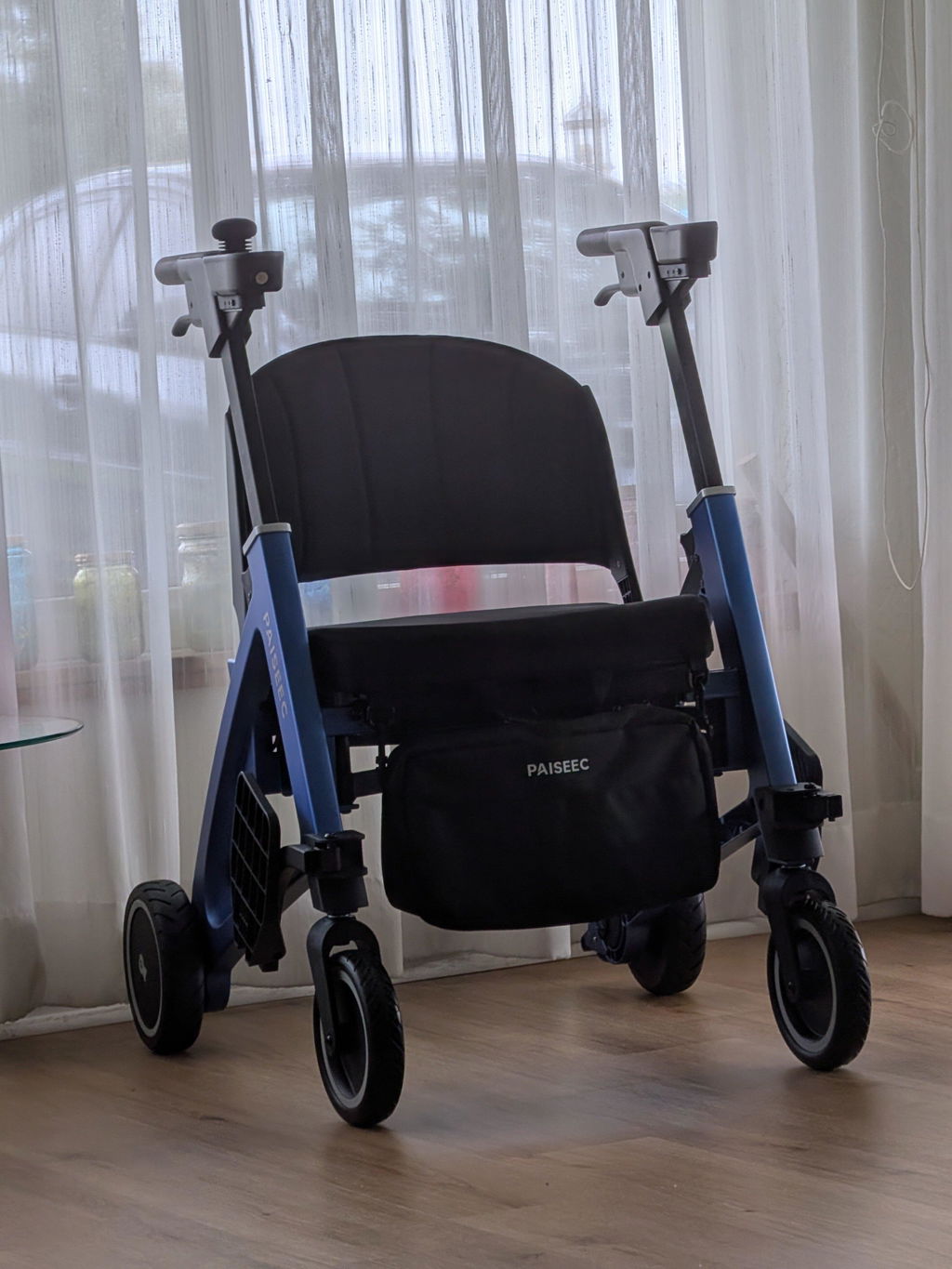
Paiseec Mobility, founded in 2021, develops electric mobility products including lightweight folding scooters, multifunction electric wheelchairs, and mobility accessories. Its research focus includes 36V 12Ah lithium battery systems, 250W brushless motors, and its PAI intelligent safety riding system, designed to support safer, more confident personal mobility.
Transfer Aids for Caregivers and Safe Patient Handling
Transfers are among the most physically demanding parts of home caregiving. A transfer occurs whenever a person moves from one surface to another, such as bed to wheelchair, wheelchair to toilet, chair to standing, or shower bench to wheelchair.
The main goal is not to lift a person manually. It is to create a controlled movement with proper equipment, a clear path, stable surfaces, and participation from the person receiving care whenever possible.
Gait belts for standing and pivot transfers
A gait belt is a wide belt placed around the user’s waist to provide a safer handhold during assisted walking, standing, and pivot transfers. It can give the caregiver more control without pulling on the person’s arms, shoulders, or clothing.
A gait belt is not appropriate for lifting a person who cannot bear weight. It also requires caution for people with recent abdominal surgery, feeding tubes, severe osteoporosis, fragile skin, or pain around the torso. In these situations, a clinician should recommend a safer transfer method.
Transfer boards and slide boards
A transfer board bridges the gap between two seated surfaces, allowing a person to slide from a bed to a wheelchair, wheelchair to car, or wheelchair to toilet chair. Slide boards can improve independence for people with good upper-body strength who cannot stand safely.
Caregivers should ensure the board is stable, the surfaces are close enough, wheelchair brakes are locked, and the destination surface will not move. Clothing, skin protection, and hand placement matter because friction can contribute to skin shear or loss of balance.
Patient lifts and transfer lifts
A patient lift is often the safest option when a care recipient cannot support their own weight, has unpredictable balance, or requires total assistance. Manual hydraulic lifts, powered lifts, sit-to-stand lifts, and ceiling lift systems serve different transfer needs.
A sit-to-stand lift may help a person who can bear some weight and hold a stable posture. A full-body lift is more appropriate for a person with very limited trunk control or inability to stand. The correct sling size, sling type, weight rating, and attachment method are essential.
Bathroom Mobility Aids for Caregivers
Bathrooms combine wet floors, tight turns, hard surfaces, low toilets, and frequent transfers. For many households, bathroom safety equipment delivers more immediate value than a new walking aid because it addresses several high-risk daily tasks.
Grab bars should be installed securely into wall studs or with an approved mounting system. Towel bars, suction accessories, and unstable furniture should never be treated as substitutes for properly installed grab bars.
Shower chairs and bath benches
A shower chair lets a person sit during bathing, reducing fatigue and fall risk. A bath bench or transfer bench extends over the side of a bathtub, allowing the person to sit first and then move their legs across the tub edge while seated.
A shower chair works best in a walk-in shower with enough floor space. A transfer bench is often more helpful when stepping over a bathtub wall is unsafe. Non-slip flooring, handheld shower heads, long-handled sponges, and accessible soap storage can further simplify the bathing routine.
Raised toilet seats and toilet safety rails
A raised toilet seat reduces the distance required to sit and stand. Toilet safety rails provide stable handholds, while bedside commodes can reduce nighttime walking distance for people with urgent toileting needs.
For caregivers, these tools can reduce repeated low transfers that strain the back and shoulders. Check the toilet seat’s weight limit, locking mechanism, armrest stability, and fit before use.
Home Modifications That Improve Mobility Safety
Mobility aids work best when the home supports them. A premium rollator cannot navigate a cluttered hallway, and a wheelchair cannot move safely through doorways that are too narrow or blocked by furniture.
Start with a room-by-room home safety review. Look for loose rugs, cords, unstable tables, poor lighting, slippery bathroom floors, uneven thresholds, narrow pathways, and commonly used objects stored too high or too low.
Bedroom mobility equipment
Bedroom mobility aids can make morning and nighttime routines safer. Bed rails, bed canes, adjustable beds, transfer poles, bedside commodes, overbed tables, and non-slip slippers may reduce the effort involved in repositioning, dressing, and getting to the bathroom.
A bed rail should be selected carefully, particularly for people with confusion, severe weakness, or a risk of entrapment. A bed cane or transfer handle may be a simpler option for users who only need support while sitting up or standing.
Stair and doorway accessibility
Stair lifts, handrails on both sides, portable ramps, threshold ramps, and widened access routes can improve mobility at home. A caregiver should not attempt to guide a heavy wheelchair up or down stairs without suitable equipment and training.
For wheelchair users, measure the narrowest doorway, tightest hallway turn, bathroom entry, and vehicle access point before purchasing a chair or scooter. Real-world clearance matters more than product measurements alone.
Caregiver Body Mechanics and Injury Prevention
Even the best mobility aids cannot remove every physical demand from caregiving. Good body mechanics and realistic care planning are essential for reducing caregiver injury.
Keep the person close to your body, bend through the knees and hips rather than the waist, keep the spine aligned, avoid twisting, and move your feet instead of rotating your torso under load. If a transfer feels too heavy, unpredictable, or unsafe, stop rather than forcing the movement.
A caregiver should seek professional training if they routinely assist with transfers, use a patient lift, provide post-surgery mobility support, or care for someone with progressive neurological conditions. A physical therapist, occupational therapist, nurse, or qualified home care professional can recommend devices and demonstrate techniques for the individual’s needs.
Mobility Aids Comparison for Caregivers
Real Caregiver Situations and Practical Value
Consider an adult daughter caring for her father after a hip fracture. He can stand with support but becomes tired quickly. A two-wheel walker may support short household distances, a raised toilet seat can reduce painful low sitting, a shower chair can make bathing less exhausting, and a gait belt can provide controlled support during transfers.
In another situation, a spouse cares for a partner with advanced mobility limitations and cannot safely manage bed-to-wheelchair transfers alone. Replacing manual lifting with a properly fitted full-body patient lift can reduce repeated strain and create a more predictable routine for both people.
The value of mobility equipment is not only measured in product cost. It can include fewer near-falls, fewer urgent care disruptions, less caregiver fatigue, safer bathing, reduced dependence on emergency assistance, and more opportunities for the person receiving care to participate in daily life.
How to Buy Mobility Aids for a Loved One
Start by identifying the task that creates the most risk. It may be getting out of bed, walking to the bathroom, standing from the toilet, bathing, managing stairs, entering a vehicle, or traveling outside the home.
Then measure the environment. Check doorway widths, turning space, tub height, toilet height, bed height, car seat height, threshold changes, storage space, and available charging access for powered mobility equipment.
Next, verify the product’s user weight capacity, seat dimensions, handle height range, brake system, wheel style, warranty terms, replacement parts availability, and cleaning requirements. For power wheelchairs, mobility scooters, and electric wheelchairs, also consider battery type, range, charging time, incline capability, weather limitations, and transport weight.
A low-cost mobility aid that does not fit the person or the home may create additional expense and risk. The best choice is the one that supports safe daily use consistently.
Mobility Aids for Caregivers: Common Questions
What is the best mobility aid for an elderly person?
The best mobility aid depends on balance, leg strength, endurance, cognitive ability, home layout, and caregiver support. A cane may help mild unsteadiness, while a walker, rollator, wheelchair, transfer device, or patient lift may be more appropriate for greater mobility limitations.
What equipment helps caregivers transfer a patient safely?
Common transfer aids include gait belts, transfer boards, sliding sheets, pivot discs, sit-to-stand lifts, and full-body patient lifts. The safest option depends on whether the person can bear weight and follow transfer instructions.
Can a caregiver lift a person alone?
A caregiver should avoid manually lifting someone who is unable to bear weight, is significantly heavier, has unstable balance, or cannot cooperate with the transfer. A patient lift, second caregiver, or professional assessment may be needed.
What mobility aids help prevent falls at home?
Walkers, rollators, canes, grab bars, shower chairs, raised toilet seats, non-slip surfaces, bed supports, improved lighting, and clutter-free pathways can all reduce fall hazards when properly matched to the user.
Are mobility scooters good for seniors?
Mobility scooters can be useful for seniors who cannot walk long distances but can safely operate controls, judge surroundings, and access suitable routes. They are most effective when storage, charging, transportation, and terrain needs are considered in advance.
Does insurance cover mobility equipment?
Coverage depends on the insurer, plan, medical necessity requirements, provider documentation, and equipment category. Ask the insurer and healthcare provider about eligibility before purchasing major equipment such as a wheelchair, hospital bed, or patient lift.
Future Trends in Caregiver Mobility Solutions
Mobility aids are becoming lighter, more adjustable, and more connected. Smart walkers, fall alerts, remote monitoring tools, power-assist features, obstacle detection, location support, ergonomic seating, and improved battery technology are shaping the next generation of caregiver mobility equipment.
Electric wheelchairs and mobility scooters are also moving toward more portable designs, better suspension, enhanced braking, foldable frames, and simpler control systems. These developments can make community mobility more practical for users while helping caregivers manage transportation and daily routines.
The strongest trend is personalization. Rather than treating mobility equipment as one-size-fits-all medical gear, manufacturers and care teams are increasingly focusing on a person’s home, health needs, daily goals, body dimensions, confidence level, and caregiver capacity.
Build a Safer Daily Mobility Plan
If you are beginning your search, focus first on the one task that feels hardest or least safe. Improving a bathroom transfer, a bedroom routine, or a short walk through the home can make caregiving more manageable immediately.
If mobility needs are increasing, build a complete plan that connects walking aids, transfer equipment, bathroom supports, home modifications, and professional guidance. This approach can reduce avoidable strain while helping your loved one remain active and involved in daily decisions.
When mobility becomes complex, choose equipment based on safety, fit, and consistent use rather than appearance alone. The right mobility aids for caregivers can protect the caregiver’s health while preserving dignity, confidence, and independence for the person receiving care.
Leave a comment
This site is protected by hCaptcha and the hCaptcha Privacy Policy and Terms of Service apply.