




![[2026] PAISEEC D3|Mobility Scooter for Easy Everyday Travel](http://www.paiseec.com/cdn/shop/files/d3_4a4ccb22-9e26-449e-8094-71f3ec4177c3.png?v=1782115044&width=180)

















An outdoor mobility scooter for summer events helps adults and seniors enjoy festivals, fairs, concerts, family reunions, sporting events, park celebrations, and community gatherings without letting long walking distances limit the day. The right outdoor electric scooter combines stable handling, comfortable seating, reliable battery range, terrain capability, and transport-friendly design.
Summer events often involve large parking areas, sidewalks, grass, gravel paths, crowds, heat, uneven pavement, and hours away from home. A mobility scooter for outdoor use should be selected for the full journey, not only for the distance from the car to the entrance.
Outdoor Mobility Scooter Market Trends for Summer Events
Outdoor mobility scooters are becoming more important as public venues expand accessible parking, step-free routes, seating areas, ramps, accessible restrooms, and mobility device accommodations. Large outdoor events can require visitors to travel several miles from parking areas through gates, food courts, exhibit spaces, concert lawns, and return routes.
Consumer Reports evaluates mobility scooters using outdoor distance testing, including hills and curves, while also considering battery capacity, brakes, dimensions, weight capacity, lighting, storage, ground clearance, and anti-tip equipment. Those factors closely reflect what matters during a full day at a summer event.
A standard travel scooter can work for a short farmers market visit or smooth boardwalk route. For an all-day festival, county fair, outdoor concert, amusement park, zoo, garden tour, or local parade, a four-wheel mobility scooter with a higher weight capacity, larger wheels, suspension, and longer battery range is usually a better fit.
Summer mobility needs are also shaped by heat. Battery performance, rider comfort, hydration, shade access, and route planning all matter when temperatures rise. A scooter should support independence, but a good event plan prevents unnecessary battery drain and reduces exposure to heat.
Best Outdoor Mobility Scooter Types for Events
The best mobility scooter depends on the event surface, distance, vehicle transport method, rider weight, storage needs, and physical comfort requirements. Rather than choosing the smallest scooter available, match the scooter class to the most demanding event you expect to attend.
A lightweight mobility scooter for adults is convenient when every outing involves lifting equipment into a compact car. However, lightweight folding scooters often have smaller wheels, reduced ground clearance, shorter real-world range, and less suspension than a heavy-duty outdoor mobility scooter.
A long-range mobility scooter is often the practical choice for summer events because battery estimates can change with rider weight, speed, hills, grass, heat, stops, and frequent acceleration. Choose enough range to complete the event route with a meaningful reserve rather than treating the listed maximum range as a guaranteed result.
Four-Wheel Mobility Scooter vs Three-Wheel Scooter
A three-wheel mobility scooter can offer a tighter turning radius, which helps indoors, in narrow stores, and around close seating layouts. For outdoor mobility scooter use at summer events, a four-wheel model generally provides more confidence on uneven surfaces, curb transitions, packed dirt, grass, and sloped paths.
Stability is not determined by wheel count alone. Wheelbase, center of gravity, tire design, suspension, rider position, speed, load distribution, and surface conditions all affect outdoor scooter safety.
For event attendees who expect to cross grass, gravel, uneven pavement, cracked sidewalks, or mild slopes, prioritize four wheels, anti-tip wheels, larger pneumatic or solid tires designed for outdoor use, appropriate ground clearance, and a manufacturer-approved weight limit.
Outdoor Mobility Scooter Features That Matter Most
Battery Range for All-Day Summer Events
Battery range is one of the most important mobility scooter features for outdoor events. A scooter advertised with a 20-mile maximum range may travel less in real festival conditions because of hills, grass, heavy loads, stop-and-go movement, high temperatures, and repeated starts.
Estimate your day by including the route from accessible parking, entry lines, event loops, restroom stops, meals, viewing areas, exits, and the return trip. If the venue is unfamiliar, plan for a longer distance than expected.
A mobility scooter battery indicator is useful, but it should not replace planning. Begin with a full charge, use the correct charger, avoid improvised charging equipment, and bring the charger only when the venue confirms a safe and approved outlet is available.
Lithium battery mobility scooters can offer lower battery weight and practical portability, while other battery systems may offer a different balance of price, range, maintenance, and replacement options. Always follow the manufacturer’s charging, storage, and heat guidance.
Suspension, Tires, and Ground Clearance
A mobility scooter for grass needs more than a high range claim. It needs tires, clearance, traction, and suspension designed for the actual surface. Short dry grass may be manageable for some four-wheel scooters, while wet grass, deep grass, loose gravel, sand, mud, and steep terrain can quickly become unsafe.
Front and rear suspension can reduce vibration on cracked pavement, fairground paths, boardwalk joints, and compacted dirt. It can also improve comfort for riders with back pain, arthritis, joint sensitivity, or reduced tolerance for repeated bumps.
Larger wheels help outdoor scooters handle small surface changes more smoothly. Ground clearance matters when crossing driveway lips, thresholds, root-heaved paths, low curbs, and uneven transitions, but no scooter should be forced over obstacles beyond its design limits.
Mobility Scooter Weight Capacity and Seat Comfort
The listed mobility scooter weight capacity includes the rider and everything carried on the scooter. Add the weight of baskets, oxygen equipment, bags, drinks, coolers, mobility aids, and personal items before choosing a model.
A comfortable mobility scooter seat can make the difference between enjoying an all-day event and leaving early. Look for an adjustable seat, swivel seat, supportive backrest, armrests, seat width that fits the rider, and a tiller position that allows relaxed steering.
A mobility scooter with a swivel seat can make transfers easier at the vehicle, restaurant table, event seating area, or home. Riders should be able to sit upright, use the steering controls safely, and transfer on and off the scooter according to their individual mobility needs.
Safety Features for Outdoor Scooter Use
An outdoor electric scooter should include practical safety equipment, not only a high top speed. Useful mobility scooter safety features include automatic braking, a horn, headlights, rear lights, reflectors, mirrors where appropriate, anti-tip wheels, a visible battery gauge, secure seating, and reliable controls.
Keep speed low around crowds, children, pets, food stalls, queues, and accessible seating areas. At a festival or concert, pedestrian flow can change quickly, so slow control and predictable movement matter more than maximum speed.
A scooter may feel stable on flat pavement but become less predictable on a slope, loose gravel, soft grass, or wet surface. Avoid steep inclines, deep drainage channels, curb drops, unstable ground, and routes that force you close to traffic.
Outdoor Mobility Scooter Comparison for Summer Events
The best outdoor mobility scooter is not necessarily the fastest or largest model. It is the one that fits the rider, fits the car or lift, safely handles the event terrain, and leaves enough battery capacity for the entire outing.
How to Plan a Mobility Scooter-Friendly Summer Event
-
Contact the event organizer before arrival and ask about accessible parking, scooter entry rules, charging availability, accessible restrooms, designated viewing areas, shuttle accessibility, and route surfaces.
-
Confirm whether the venue permits personal mobility scooters, rental mobility scooters, or both. Some festivals have separate policies for electric wheelchairs, powered mobility devices, golf carts, and personal scooters.
-
Map the route from the accessible parking area to the entrance, seating area, food stalls, restrooms, first-aid station, cooling area, and exit. Choose a route with firm, level surfaces whenever possible.
-
Charge the mobility scooter fully the night before. Check the battery gauge, tire condition, brakes, horn, lights, seat lock, basket attachment, and folding or disassembly mechanism.
-
Pack event essentials such as water, medication, sun protection, a phone, identification, a lightweight rain cover, and the approved charger if charging access is confirmed.
-
Arrive early. Early entry makes it easier to find accessible parking, avoid heavy crowds, select a shaded rest area, and navigate before queues become busy.
Summer Heat Safety for Mobility Scooter Users
Heat can turn a comfortable outdoor event into an exhausting one. Plan regular shade breaks, drink water before thirst becomes strong, wear breathable clothing, and avoid leaving a mobility scooter or lithium battery in direct heat for extended periods.
Check the scooter manual for its operating and storage temperature guidance. High temperatures can affect battery performance, electronics, tire pressure, seat surfaces, and rider comfort. Do not charge a hot battery immediately after demanding use unless the manufacturer’s instructions allow it.
A sun canopy for a mobility scooter can offer shade, but it may affect clearance, balance, wind resistance, or event access. Use only compatible accessories and make sure a canopy does not block visibility, interfere with controls, or create a hazard in crowded areas.
For summer concerts, outdoor weddings, parades, and sporting events, choose a shaded viewing location whenever possible. Keep enough battery reserve to leave early if heat, weather, fatigue, or crowd conditions become uncomfortable.
Paiseec Mobility and Outdoor Independence
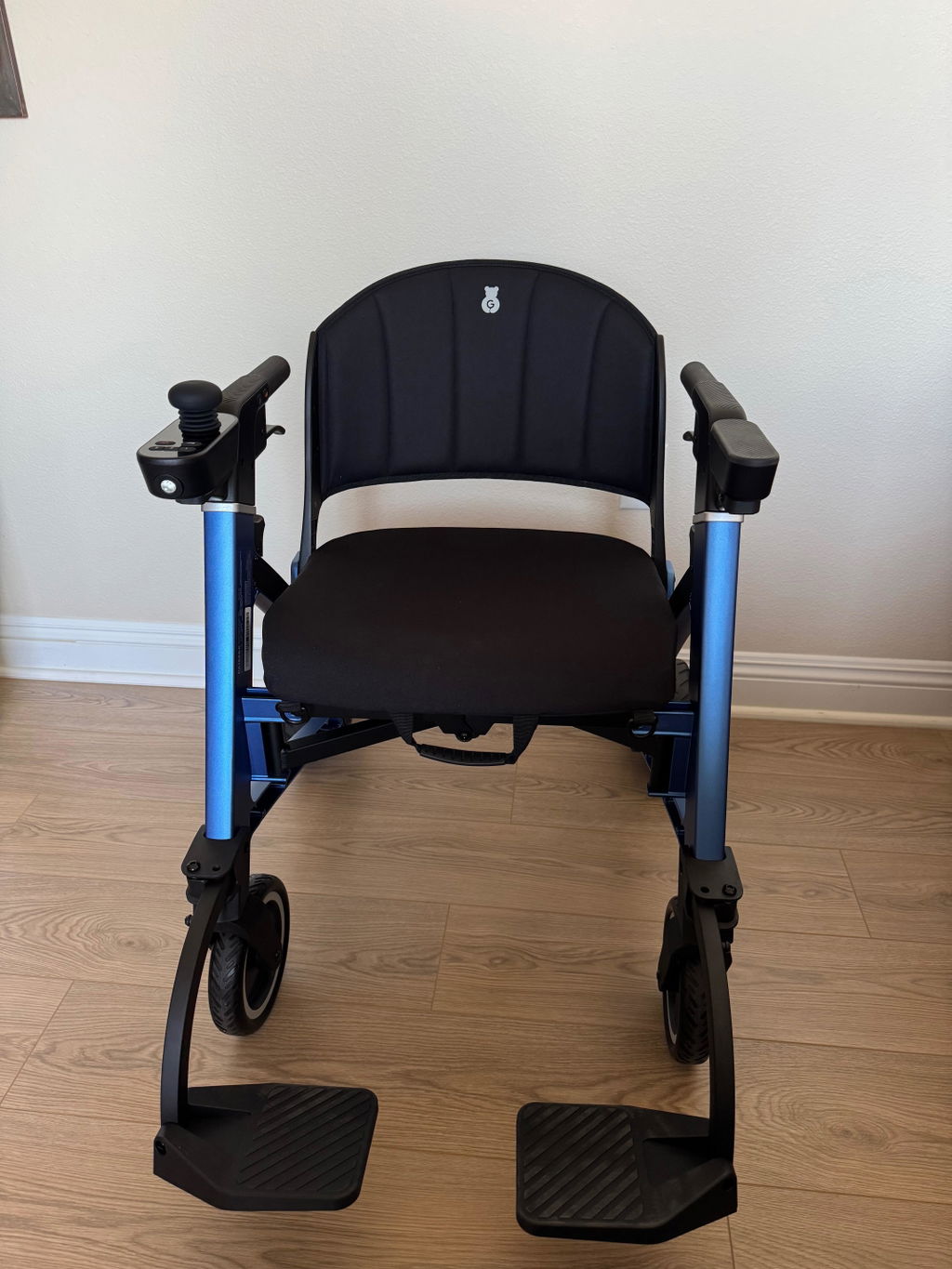
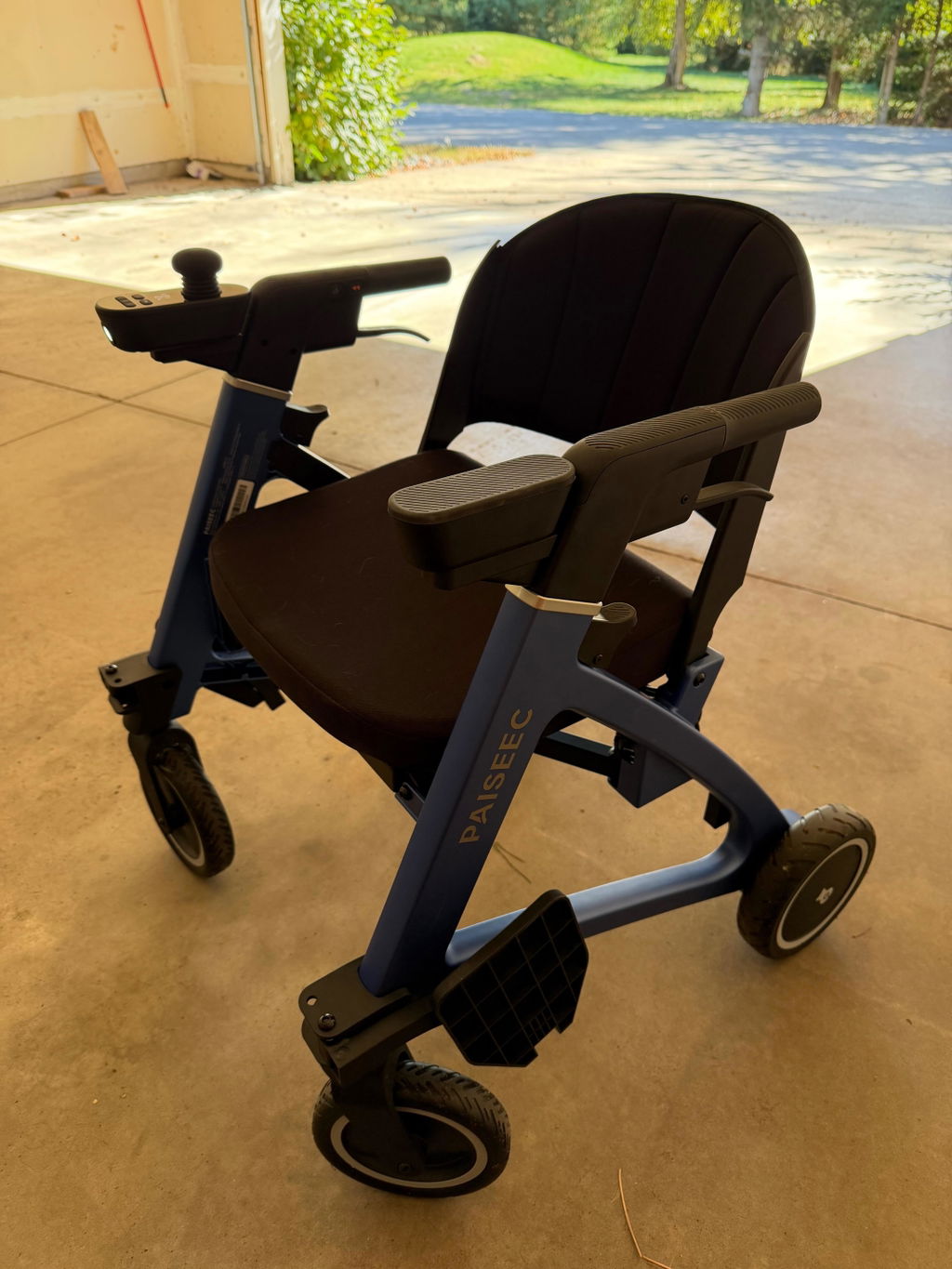
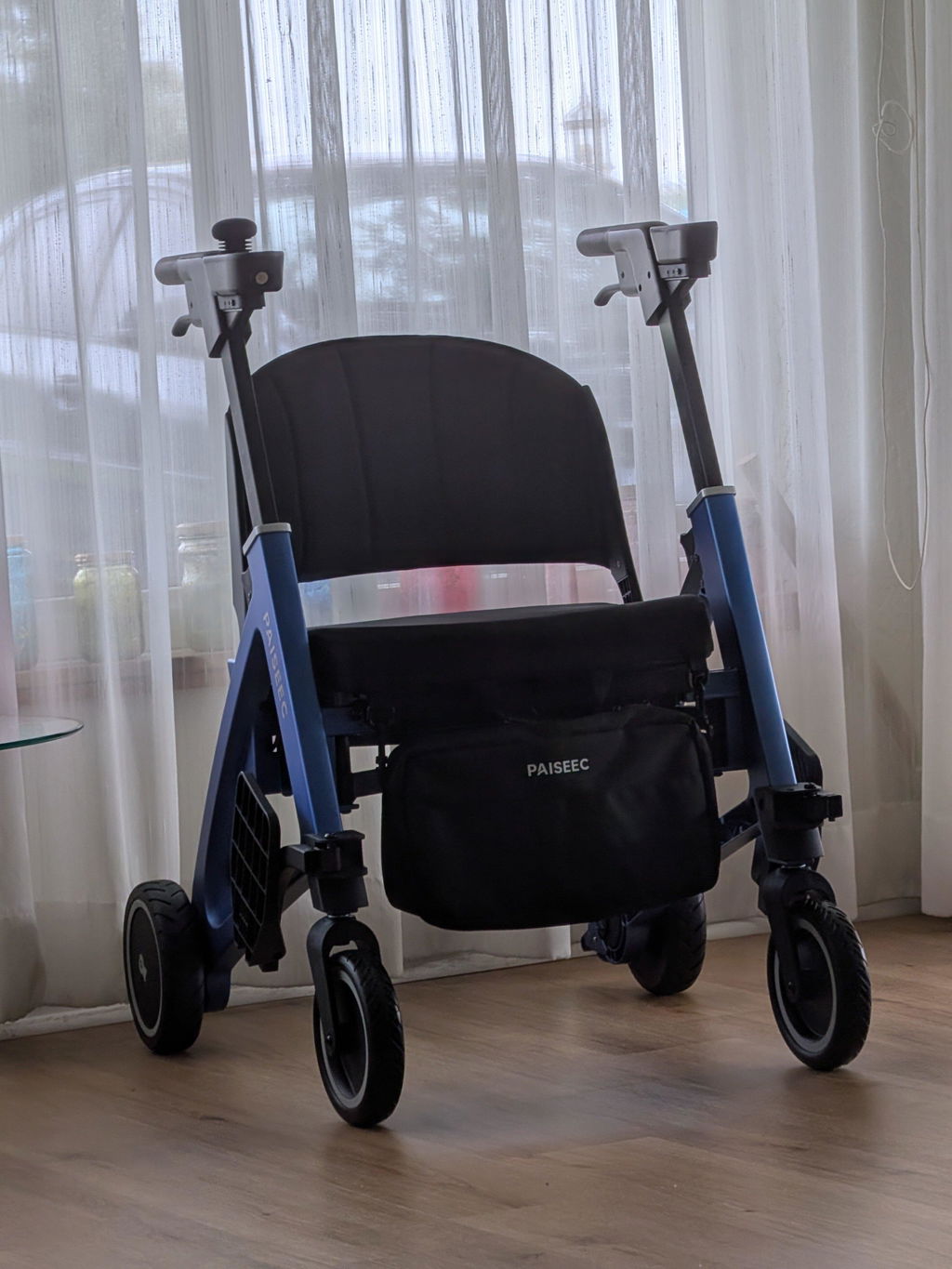
Paiseec Mobility, founded in 2021, develops electric mobility solutions designed to improve independent travel for users worldwide. Its mobility portfolio includes lightweight foldable scooters, multifunction electric wheelchairs, mobility accessories, lithium battery technology, brushless motor systems, and the PAI intelligent safety riding system.
For shoppers comparing a folding electric scooter, senior mobility scooter, portable power chair, or outdoor mobility scooter for adults, product fit should come before feature count. A strong mobility solution starts with real terrain, daily travel distance, storage needs, transfer ability, comfort preferences, and safety requirements.
Real Outdoor Mobility Scooter Use Cases and Value
A mobility scooter can reduce the physical burden of an event day while helping users participate in more of the experience. The practical value is not only measured in miles traveled; it is measured in time spent with family, access to activities, reduced fatigue, and confidence in unfamiliar environments.
A grandparent attending a county fair may face a half-mile walk from parking to the entrance, then several additional miles between exhibits, food areas, animal barns, and seating. A four-wheel scooter with reliable range, a basket, suspension, and an adjustable seat can turn an early departure into a full afternoon with family.
A concert attendee may need to cross a large paved venue, wait in lines, navigate through pedestrian traffic, and return after dark. Headlights, a horn, reflective details, stable four-wheel handling, and an event-approved accessible viewing route help make that route more manageable.
A traveler visiting a zoo, botanical garden, boardwalk, or large outdoor museum may benefit from a portable mobility scooter that disassembles for car transport. The return on investment comes from repeat use across errands, appointments, vacations, family outings, neighborhood rides, and seasonal events rather than one single trip.
Mobility Scooter Accessories for Outdoor Events
Mobility scooter accessories should solve a real problem without exceeding the scooter’s capacity or interfering with safe operation. A rear basket, front basket, cup holder, phone holder, weather cover, reflective flag, cane holder, oxygen tank holder, or storage bag can improve convenience when properly installed.
A mobility scooter cover protects the scooter during storage and light weather exposure, but it should not be used while driving unless it is specifically designed for that purpose. Avoid loose covers, hanging bags, or overloaded baskets that can contact wheels or reduce visibility.
For travel mobility scooters, a ramp, vehicle lift, protective travel bag, spare key, and manufacturer-approved battery storage plan can simplify transport. Before buying accessories, check compatibility with the specific scooter model and confirm that added items do not compromise balance or steering.
Buying Checklist for an Outdoor Mobility Scooter
Choose an outdoor mobility scooter with a range that exceeds your expected event distance. Consider the return route, hills, heat, weight carried, and the possibility of detours.
Choose four wheels when outdoor stability is a priority. A four-wheel scooter is often the safer option for grass, gravel, uneven sidewalks, broad festival grounds, and crowded public routes.
Choose suspension and larger tires for rougher conditions. A scooter designed for smooth indoor flooring may not deliver a comfortable or secure ride across outdoor terrain.
Choose a seat you can use for hours. Test seat height, width, armrests, back support, swivel function, tiller reach, and ease of transfer.
Choose a transport method before choosing the scooter. Confirm whether it folds, disassembles, fits in the vehicle, or requires a hitch-mounted lift, interior lift, ramp, or accessible van.
Choose visible safety features for sunset and crowded environments. Lights, reflectors, horn access, automatic brakes, anti-tip wheels, and a clear battery display are practical essentials.
Outdoor Mobility Scooter FAQs
Can a mobility scooter go on grass?
Some outdoor mobility scooters can travel on short, dry, firm grass, especially four-wheel and heavy-duty models with suitable tires and ground clearance. Wet grass, deep grass, mud, loose soil, sand, and steep ground can reduce traction and increase the risk of getting stuck or tipping.
What is the best mobility scooter for a summer festival?
A four-wheel outdoor mobility scooter with enough real-world battery range, comfortable seating, reliable brakes, lighting, anti-tip support, and tires suited to the venue surface is usually the best choice. For travel by car, balance those features with folding or disassembly needs.
How far should a mobility scooter travel for an all-day event?
Choose a scooter with more range than the route you expect to travel. Event days include parking, entrances, detours, food areas, restrooms, seating, and return travel, and outdoor conditions can reduce usable range.
Are mobility scooters allowed at concerts and fairs?
Many venues allow personal mobility scooters, but policies vary. Check the organizer’s accessibility information before leaving home, including rules for parking, admission gates, storage, charging, accessible viewing areas, and the type of terrain at the event.
Is a folding mobility scooter good for outdoor use?
A folding mobility scooter can be excellent for paved paths, travel, and short outdoor trips. For long festival days or challenging terrain, compare its range, wheel size, suspension, ground clearance, rider capacity, and stability against a larger outdoor model.
Future of Outdoor Mobility Scooters
Outdoor mobility scooters are moving toward lighter lithium battery systems, more efficient brushless motors, improved suspension, compact folding frames, better lighting, connected diagnostics, intelligent safety features, and more flexible charging options. As cities, attractions, and event organizers improve accessibility, mobility devices will become a more natural part of public-event planning.
The best future-ready scooter will combine portability with genuine outdoor confidence. Riders increasingly want a lightweight mobility scooter that fits into daily life, a long-range mobility scooter that supports full-day independence, and safety technology that improves confidence without making controls complicated.
Choose an outdoor mobility scooter based on the places you want to go this summer. When range, stability, comfort, transport, terrain capability, and event preparation work together, parks, fairs, concerts, festivals, and family celebrations become far easier to enjoy.
Leave a comment
This site is protected by hCaptcha and the hCaptcha Privacy Policy and Terms of Service apply.