



![[2026] PAISEEC D3|Mobility Scooter for Easy Everyday Travel](http://www.paiseec.com/cdn/shop/files/d3_4a4ccb22-9e26-449e-8094-71f3ec4177c3.png?v=1782115044&width=180)



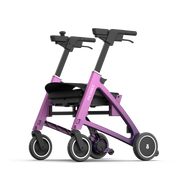
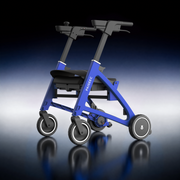


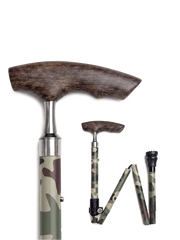






Hot weather can make everyday mobility harder, especially for wheelchair users, mobility scooter riders, seniors using walkers, and anyone who relies on canes, crutches, rollators, or electric mobility devices. The right mobility aids for hot weather help reduce heat exposure, protect skin from hot surfaces, improve hydration access, and make summer travel safer.
Heat affects more than comfort. High temperatures and humidity can increase fatigue, dehydration, dizziness, swelling, battery strain, slippery grips, and the risk of heat-related illness. A hot weather mobility plan should protect both the person and the mobility equipment before leaving home.
Why Hot Weather Is Harder for Mobility Aid Users
People with limited mobility may have fewer ways to quickly move into shade, reach an air-conditioned building, carry water, or return home when they feel unwell. Older adults are also more vulnerable to heat-related health problems because the body may not adjust to sudden temperature changes as effectively, according to the CDC.
A wheelchair user, power wheelchair user, or mobility scooter rider may sit closer to heat-reflecting pavement for longer periods. Asphalt, concrete, metal handrails, vehicle interiors, vinyl wheelchair seats, scooter armrests, and black mobility equipment can become uncomfortably hot in direct sunlight.
Hot weather can also worsen chronic pain, arthritis symptoms, leg swelling, multiple sclerosis fatigue, respiratory discomfort, and circulation issues. For people using a walker with seat, rolling walker, transport chair, manual wheelchair, electric wheelchair, or travel scooter, pacing becomes a core safety strategy rather than a convenience.
Heat Risks for Wheelchair and Scooter Users
Electric wheelchairs and mobility scooters have batteries, motors, controllers, tires, seating materials, and electronic displays that can all be affected by summer conditions. Leaving a power chair or portable mobility scooter in direct sunlight may increase surface temperatures and place extra stress on the battery system.
Lithium battery safety matters during hot weather. Batteries should be charged using the manufacturer-approved charger in a cool, dry, ventilated location rather than in a hot garage, sun-facing porch, or parked vehicle. A damaged battery, wet connector, unauthorized charger, or overheated battery should be treated as a safety concern.
Manual wheelchair users also face summer-specific issues. Hot push rims may cause discomfort, sweaty hands can reduce grip, and sun exposure can raise the risk of burns on uncovered legs, arms, and feet. Wheelchair gloves, breathable seating, sun protection, and shaded route planning can make outdoor travel more manageable.
Best Mobility Aids for Hot Weather
The best summer mobility aid depends on where you travel, how long you are outdoors, your weight capacity needs, your balance, your storage space, and whether you need powered mobility. Lightweight mobility aids are often easier to lift into a vehicle, but stability, battery range, seat support, and heat protection should never be overlooked.
Cooling Accessories for Wheelchairs and Mobility Scooters
A cooling wheelchair cushion can reduce the discomfort of a hot seat, particularly for users who spend long periods sitting outdoors. Look for breathable mesh, moisture-wicking fabric, ventilated gel, or pressure-relief materials that do not become overly warm in sunlight.
A wheelchair umbrella, scooter sun canopy, mobility scooter canopy, or detachable sunshade can provide useful protection when correctly fitted. The safest option is one designed for the specific wheelchair or scooter model, with clear sight lines and no interference with steering, transfers, braking, controls, or caregiver access.
Other useful hot weather mobility accessories include insulated water bottle holders, clip-on fans, cooling towels, UV-protective lap blankets, breathable wheelchair back cushions, padded grips, anti-slip gloves, sun hats, and reflective seat covers. Prioritize equipment that supports safety and comfort without making the device heavier, less stable, or harder to fold.
How to Choose a Summer Mobility Aid
Start with your most common route. A compact travel wheelchair may work well for air-conditioned stores and medical appointments, while a heavy-duty mobility scooter may be better for longer outdoor distances, provided it has enough battery range and appropriate suspension.
Choose a device with surfaces that are easy to inspect and cover. Dark vinyl, exposed metal, black armrests, and unshaded seats can absorb substantial heat. A removable light-colored seat cover, breathable cushion, or UV-resistant canopy may reduce direct heat on high-contact areas.
For a power wheelchair or electric scooter, ask about battery type, expected range, charging guidance, motor protection, maximum incline, weather guidance, and replacement battery availability. Never assume advertised scooter range will be the same during high heat, steep terrain, frequent stops, heavier loads, or low tire pressure.
Features That Matter in Summer
Paiseec Mobility, founded in 2021, develops electric mobility solutions designed around independent travel, safety, and practical daily use. Its range includes lightweight foldable scooters, multifunction electric wheelchairs, mobility accessories, lithium battery systems, brushless motors, and its PAI intelligent safety riding system.
Hot Weather Safety for Mobility Equipment
Before each outing, check the weather forecast and heat index, not only the outdoor temperature. Humidity can make it harder for sweat to evaporate, so a moderate temperature with high humidity may feel more stressful than expected.
Plan outdoor activity for cooler morning or evening hours whenever possible. Public transportation, grocery trips, medical appointments, park visits, and social events are easier to manage when you map shade, accessible entrances, ramps, restrooms, cooling centers, water refill points, and indoor stops in advance.
Do not leave a wheelchair, scooter, walker, cane, or crutches in a parked car for long periods. A vehicle can heat quickly, while hot frames, handles, cushions, batteries, and electronics may become unsafe or uncomfortable to touch.
Power Wheelchair and Scooter Battery Care
Charge a mobility scooter battery or electric wheelchair battery after it has cooled down from use. Avoid immediately charging a hot battery after a long ride in direct sun, and keep chargers away from moisture, flammable materials, blocked vents, and heat sources.
Use only the charger intended for the mobility device. Battery compatibility is not a minor detail: the wrong voltage, connector, or charging profile may damage the battery and create a serious safety risk.
If a battery case looks swollen, cracked, leaking, unusually hot, or damaged after impact, stop using the device and contact the manufacturer, dealer, or qualified mobility technician. Do not attempt to open, modify, repair, freeze, or puncture a lithium battery.
Protecting Tires, Brakes, and Controls
Heat can contribute to tire pressure changes, especially on mobility scooters and power wheelchairs. Check tires before longer trips, follow the manufacturer’s recommended pressure, and inspect for cracks, worn tread, embedded debris, or uneven wear.
Test brakes before every outing. On a rollator walker, verify that the hand brakes engage correctly and that the brake cables are secure. On a scooter or power chair, confirm braking response, speed controls, lights, horn, seat lock, and battery indicator before leaving home.
For a cane, walker, crutches, or rollator, inspect rubber tips and wheels regularly. Hot pavement, sand, loose gravel, rain-slick sidewalks, and poolside surfaces can reduce traction, so worn or hardened rubber tips should be replaced promptly.
Staying Cool While Using Mobility Aids
Hydration needs vary based on health conditions, medications, activity level, and clinician guidance. The National Institute on Aging advises drinking fluids and avoiding alcohol and caffeinated beverages in hot conditions; people who have fluid restrictions or take diuretics should ask a healthcare professional how much to drink during hot weather.
Carry water in a wheelchair bag, mobility scooter basket, rollator pouch, backpack, or insulated bottle holder. Make hydration easy rather than relying on thirst alone, particularly during errands, outdoor events, accessible trail visits, and long waits for transportation.
Wear lightweight, loose-fitting, light-colored clothing. A wide-brimmed hat, UV-protective clothing, sunglasses, sunscreen, cooling neck wrap, and breathable footwear can reduce sun exposure while preserving comfort and movement.
Heat Exhaustion and Heat Stroke Warning Signs
Heat exhaustion can include heavy sweating, weakness, dizziness, headache, nausea, muscle cramps, cool clammy skin, and a fast weak pulse. Move to an air-conditioned or shaded location, loosen clothing, cool the skin with cool water or wet cloths, and follow individualized medical guidance about fluids.
Heat stroke is an emergency. Confusion, fainting, loss of consciousness, very high body temperature, seizure, or hot skin can signal a dangerous condition that requires emergency help immediately.
Caregivers should pay special attention when a person has dementia, reduced sensation, limited communication, impaired vision, medication-related heat sensitivity, or difficulty getting indoors independently. A prearranged check-in call can be as important as a sunshade or cooling accessory.
Daily Summer Mobility Checklist
-
Check the temperature, humidity, heat index, and chance of storms before leaving.
-
Charge the electric wheelchair or mobility scooter in a cool, dry, ventilated indoor location.
-
Touch-test armrests, seat surfaces, footplates, handles, push rims, and buckles before sitting down or transferring.
-
Pack water, medication if needed, a phone, identification, sunscreen, cooling towel, and emergency contact information.
-
Inspect tires, brakes, wheels, lights, battery level, cane tips, walker grips, and rollator brakes.
-
Choose routes with shade, accessible indoor stops, benches, ramps, curb cuts, and public restrooms.
-
Schedule rest breaks before fatigue, overheating, or dizziness develops.
Mobility Aid Comparison for Summer Travel
Real-World Summer Mobility Scenarios
A rollator user attending an outdoor family gathering can reduce heat strain by arriving early, parking near an accessible entrance, identifying an indoor cooling area, carrying a cold drink in the rollator bag, and taking a shaded seated break every 20 to 30 minutes. The return on planning is fewer emergency departures, more time with family, and less caregiver stress.
A mobility scooter rider completing weekly errands can improve reliability by beginning with a full charge, using a route with indoor stops, avoiding the hottest afternoon window, and checking the scooter tire pressure before travel. A battery range buffer prevents the common problem of returning home with a low battery after extra detours, heat-related slowdowns, or inaccessible entrances.
A manual wheelchair user at a summer festival can use a breathable cushion, lightweight UV lap cover, gloves, water holder, and canopy suited to the chair. These small additions can reduce direct sun exposure, protect hands from hot push rims, and improve comfort during long waits.
Future Trends in Heat-Safe Mobility Aids
Mobility aids for hot weather are moving toward lighter frames, smarter battery monitoring, improved ventilation, modular shade systems, pressure-relief seating, app-connected diagnostics, and more portable designs. As hotter summers and extreme heat events become more common, users will increasingly expect electric wheelchairs and mobility scooters to support real-world heat planning rather than basic transportation alone.
Battery technology will continue to focus on safer charging, better thermal management, longer lifespan, and clearer battery health information. Future mobility scooters may provide more accurate real-time range estimates based on rider weight, terrain, outside temperature, tire condition, and route elevation.
Accessible cities will also play a larger role. Shaded sidewalks, reliable curb cuts, accessible public transit, cooling centers, water stations, well-maintained pavement, and indoor rest locations all influence whether a mobility aid user can travel safely in summer.
Frequently Asked Questions About Mobility Aids for Hot Weather
Can a mobility scooter be used in hot weather?
Yes, but reduce direct sun exposure, confirm the battery charge, check tire condition, carry water, and plan shaded or air-conditioned stops. Avoid storing or charging the scooter in extreme heat.
Can heat damage an electric wheelchair battery?
Excessive heat can place added stress on a battery and charging system. Store and charge the wheelchair in a cool, dry, ventilated setting, use the approved charger, and follow the device manufacturer’s battery guidance.
How do I stop a wheelchair seat from getting hot?
Use a breathable seat cushion, light-colored removable cover, wheelchair sunshade, and shaded parking whenever possible. Test the seat, armrests, footplates, and buckles with your hand before sitting down.
What is the best walker for hot weather?
A lightweight rollator walker with a seat, reliable brakes, comfortable grips, and a storage bag for water is often practical for summer outings. The best choice depends on balance needs, terrain, seating needs, and whether the route includes shade.
Are cooling wheelchair cushions worth it?
They can be useful for people who experience sweating, skin discomfort, or heat buildup while seated for longer periods. Choose a cushion that supports posture, pressure management, airflow, and easy cleaning.
What should I pack for a hot day with a mobility aid?
Bring water, a phone, sunscreen, protective clothing, medication if needed, a cooling towel, emergency contact details, and any device-specific essentials such as a charger, key, rain cover, or mobility scooter manual.
Make Summer Mobility Safer
Start with the essentials: inspect your mobility aid, carry water, protect yourself from direct sun, and choose a route with accessible indoor breaks. These changes can make an immediate difference for daily errands, appointments, social outings, and independent travel.
For longer summer outings, build a personalized mobility plan around your device, health needs, battery range, local weather, and available cooling locations. A reliable wheelchair, walker, cane, rollator, mobility scooter, or electric wheelchair is most useful when it helps you conserve energy and stay prepared.
Choose mobility equipment and accessories that fit your lifestyle, support safe movement, and make it easier to stay cool when temperatures rise. Independence in hot weather starts with planning for comfort before the heat becomes a problem.
Leave a comment
This site is protected by hCaptcha and the hCaptcha Privacy Policy and Terms of Service apply.