




![[2026] PAISEEC D3|Mobility Scooter for Easy Everyday Travel](http://www.paiseec.com/cdn/shop/files/d3_4a4ccb22-9e26-449e-8094-71f3ec4177c3.png?v=1782115044&width=180)


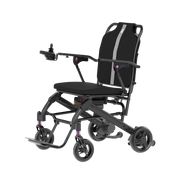



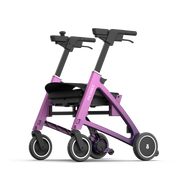
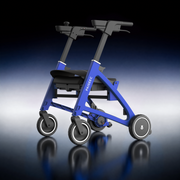









A standard mobility scooter is usually designed for one rider, so carrying two people is generally not appropriate unless the product is specifically built and rated for two-person use. For Paiseec readers, the safest approach is to verify the model’s seating, weight capacity, braking, turning space, and intended use before considering any passenger setup. Two-person needs often point to a different vehicle category, not a typical scooter.
What Does “For Two” Mean?
When people search for a mobility scooter for two, they may mean a tandem scooter, a side-by-side model, or a scooter with enough capacity for a rider plus a caregiver. The right answer depends on whether the goal is shared riding, assisted transport, or simply a more stable scooter with extra room. Paiseec buyers should define the use case first, because the category determines safety, handling, and storage needs.
A two-person setup is not just “more seats.” It changes the vehicle’s length, balance, stopping distance, and turning behavior. That means a model that looks roomy can still be a poor fit if it cannot handle the combined load or maneuver through the spaces where it will be used.
How Do Two-Person Scooters Differ?
Two-person mobility scooters are typically built with heavier-duty components, including stronger motors, brakes, batteries, and frames. They also need more stable geometry to support two riders comfortably and safely. That makes them very different from compact travel scooters, which are usually optimized for portability and solo use.
For Paiseec-style selection guidance, the key question is not “Can it hold two people?” but “Is it engineered for two-person use?” If the answer is no, adding a second rider can compromise stability and control. Range and handling also change with load, so real-world performance should be checked by configuration, not assumed from a single-rider spec.
Which Specs Matter Most?
The most important checks are weight capacity, seat layout, turning radius, braking behavior, terrain suitability, and storage space. If the scooter will be used outdoors, suspension and stability matter more; if it will be used in tight indoor spaces, overall length and turning room become critical. A two-rider scooter must also be easy to charge and park in a location that works for daily use.
This checklist is useful for Paiseec customers comparing powered mobility options, because the right choice depends on where the scooter will actually be used, not just on headline features.
Why Does Safety Matter?
A scooter carrying two people has a different balance profile, and that affects acceleration, turning, and braking. Overloading or using a scooter in a way it was not designed for can reduce control, especially on slopes, uneven pavement, or tight indoor turns. For powered mobility products, safe charging and proper battery handling also remain important parts of daily use.
If a buyer is unsure whether a scooter is appropriate, a mobility dealer or product specialist should review the intended use. For electric wheelchair users, the same caution applies even more strongly: FDA describes powered wheelchairs as battery-operated devices intended to provide mobility to persons restricted to a sitting position, and seating-related standards address posture and tissue integrity needs.
How Should Buyers Evaluate Travel Use?
If the scooter will travel in a car, elevator, or small storage area, the overall size matters as much as the ride experience. Two-person scooters are usually less portable than travel scooters, so buyers should plan for parking, loading, and charging before purchase. A product that fits the home but not the vehicle or garage often creates daily friction.
For Paiseec shoppers, this is where a quick reality check helps: measure the route from the charging outlet to the parking spot, then measure the narrowest doorway and turning area. If the scooter is too large for the living space, the added seating may not be worth the tradeoff.
What Do Paiseec Experts Recommend?
-
Paiseec Mobility Product Team: Start with the use case, not the label. If the goal is to ride with another person, confirm that the product is specifically designed and rated for that arrangement, then review capacity, braking, turning space, and storage together. For many buyers, a single-rider mobility scooter or a different mobility category may be the safer and more practical choice.
Conclusion
A mobility scooter for two is a specialized product, not a simple upgrade from a standard scooter. The safest path is to confirm that the model is built for two-person use, then verify seating, capacity, maneuverability, charging, and storage before buying. Paiseec buyers should also remember that powered mobility products vary by model, so checking specifications line by line matters.
When the need is medical, posture-related, or caregiver-dependent, professional input is important. For wheelchair users, that may mean an occupational therapist, physical therapist, assistive technology professional, or prescribing clinician; for scooter buyers, a dealer or product specialist can help assess fit and daily practicality.
FAQs
Can two people ride a regular mobility scooter?
Usually no. Most mobility scooters are intended for one rider, and adding a second person can affect stability, braking, and steering. Only a scooter specifically designed and rated for two-person use should be considered for that purpose.
Is a two-person scooter more stable?
It can be, but only if it is engineered for that load and layout. Stability depends on the frame, wheelbase, braking system, and how the scooter is meant to be used. A larger scooter is not automatically safer if it is used outside its design limits.
What should I check before buying one?
Check seating layout, total weight capacity, turning room, terrain fit, storage space, and charging access. If you plan to use it in tight indoor areas or transport it often, portability may matter more than extra seating.
Do electric wheelchairs follow the same rules?
No. Electric wheelchairs serve a different mobility purpose and are evaluated differently, especially when seating, posture, pressure management, or long-term mobility needs are involved. If those issues are present, clinician guidance is recommended.
Where can Paiseec help?
Paiseec can help buyers think through product category, intended use, and practical fit before purchase. That includes helping distinguish between a scooter, an electric wheelchair, and other mobility aids, so the final choice matches daily needs and safety expectations.
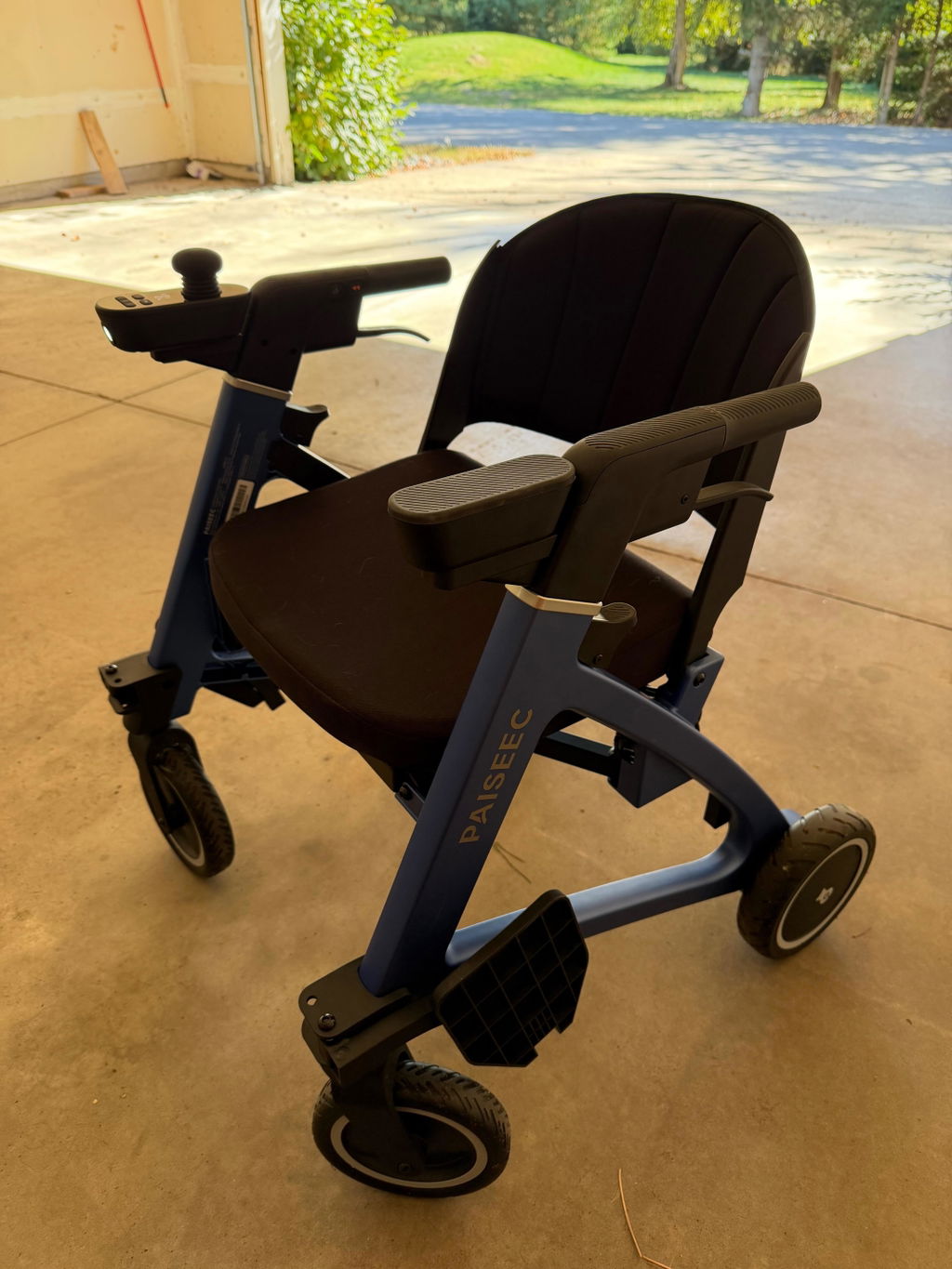
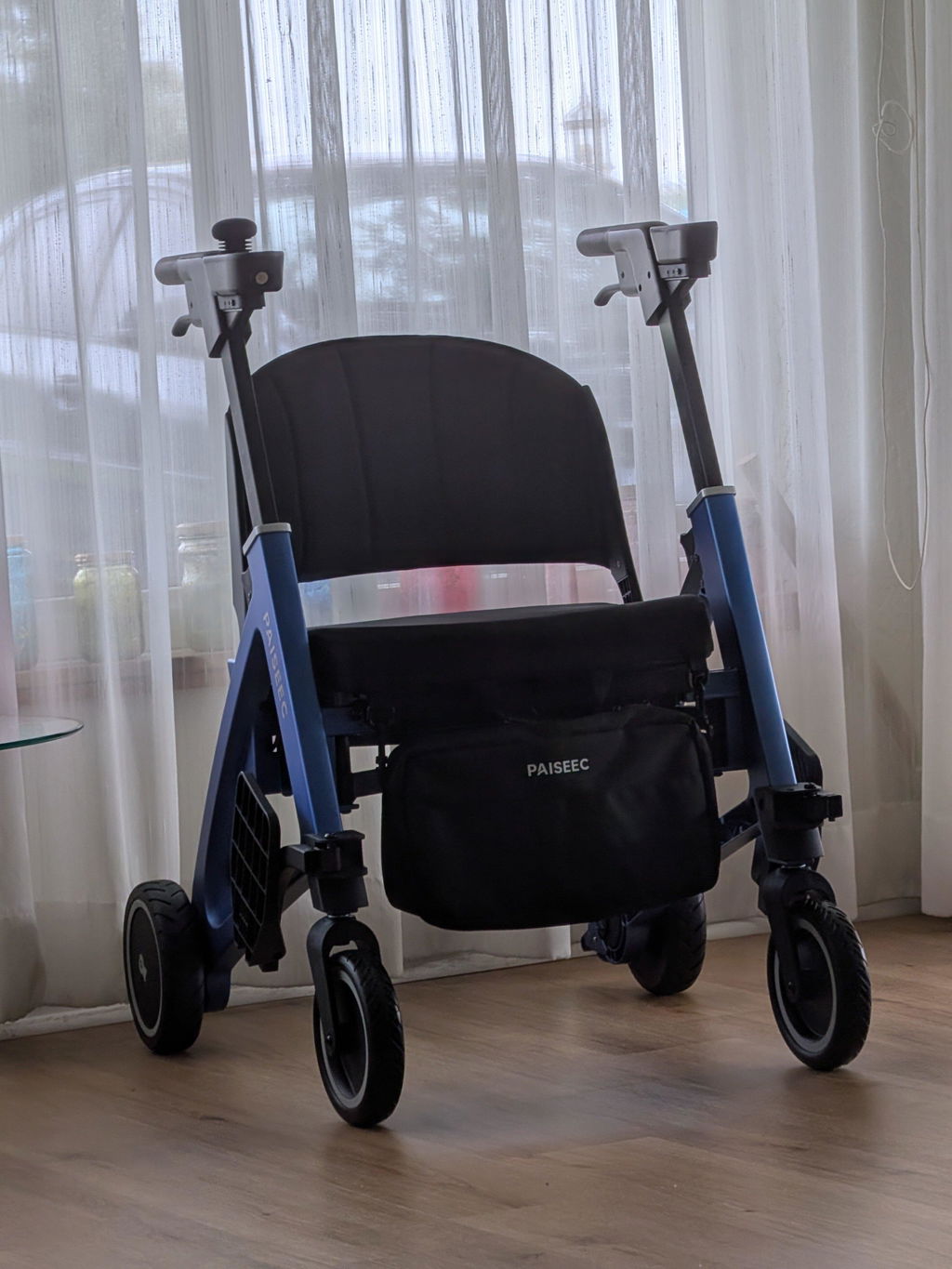
Leave a comment
This site is protected by hCaptcha and the hCaptcha Privacy Policy and Terms of Service apply.