




![[2026] PAISEEC D3|Mobility Scooter for Easy Everyday Travel](http://www.paiseec.com/cdn/shop/files/d3_4a4ccb22-9e26-449e-8094-71f3ec4177c3.png?v=1782115044&width=180)







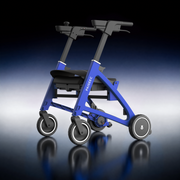









A power-assist wheelchair and rollator can combine walking support, seated rest, and electric travel in one mobility solution. It may suit people who can walk short distances but tire on longer outings, hills, or uneven surfaces. The best choice depends on balance, transfer ability, seating needs, route conditions, battery capacity, device stability, and professional mobility guidance.
What Is a Power-Assist Wheelchair and Rollator?
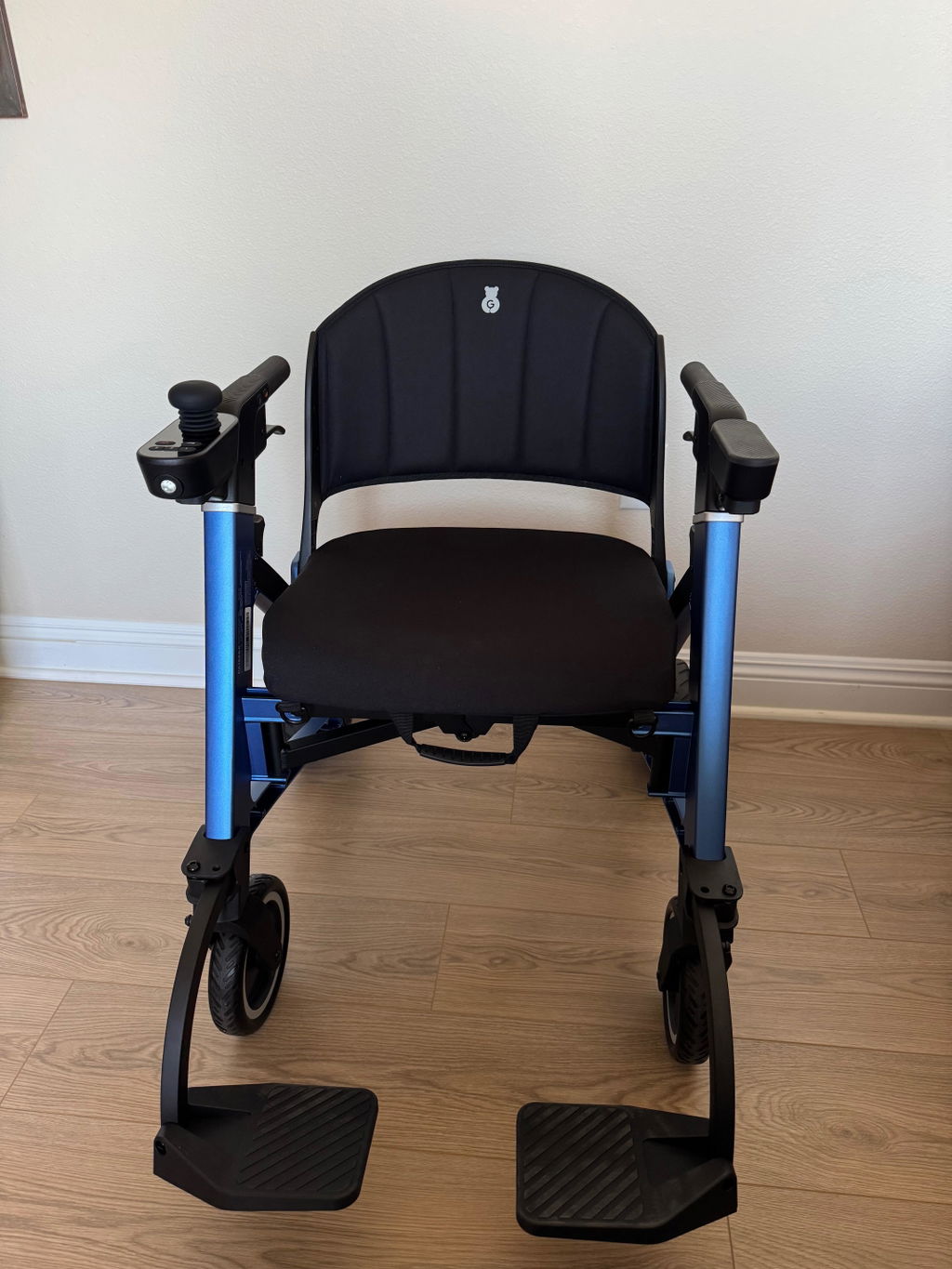
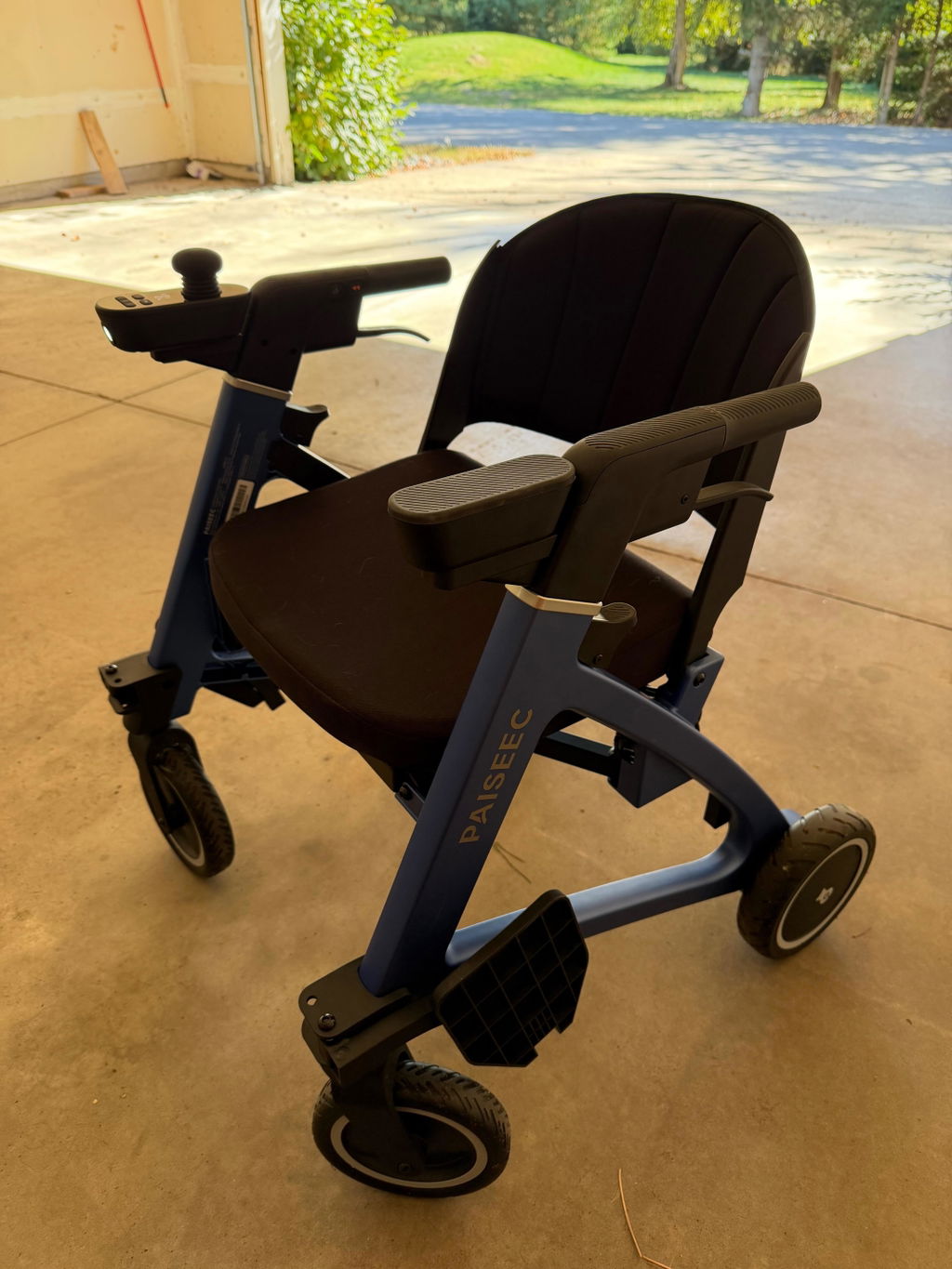
A power-assist wheelchair and rollator is a hybrid mobility device that can support walking, provide a seat for rest, and offer motorized travel when fatigue limits safe movement. Depending on the model, the user may operate it as a rollator, a transport chair, or a powered wheelchair.
This category covers several designs rather than one universal product. Some devices provide motor assistance while a person walks behind the frame. Others convert from a rollator into a seated electric wheelchair. Manual wheelchairs can also receive powered wheel systems or front-drive attachments that reduce propulsion effort.
The main benefit is flexibility. A user may walk through the home, sit while waiting at an appointment, and use powered travel for the return trip. This can reduce the need to bring separate walking and seated mobility equipment.
A hybrid device should still match the user’s physical abilities. It cannot safely replace proper seating, posture support, or clinical assessment when those needs are significant.
How Does a Hybrid Mobility Device Work?
A hybrid mobility device uses a battery, electric motor, controller, brakes, wheels, and frame to support walking or seated travel. In walking mode, the motor can reduce the effort required to move the device. In wheelchair mode, a joystick, throttle, or caregiver controller can manage powered movement.
The system usually includes four connected components:
-
Frame and seating: Supports the user, seat, wheels, footrests, and folding components
-
Drive system: Uses an electric motor to deliver controlled movement to the wheels
-
Battery system: Stores electricity for propulsion, lights, safety functions, and controls
-
Safety system: Includes brakes, speed controls, anti-tip design, and protective monitoring
A 250W brushless motor can provide useful low-speed torque for starts and moderate slopes. However, motor wattage alone does not determine climbing capability. Rider weight, wheel diameter, tire grip, battery voltage, controller limits, gradient, and surface condition all affect real performance.
Paiseec develops mobility equipment around integrated engineering rather than isolated specifications. Its electric mobility platforms combine 36V battery architecture, brushless motor calibration, controlled acceleration, and the PAI intelligent safety riding system to help create more predictable movement.
Which Users Benefit Most From Powered Rollator Support?
Powered rollator support can benefit people who can still walk but experience fatigue, limited endurance, joint discomfort, reduced confidence, or difficulty controlling a standard rollator on slopes. It may also help caregivers who need a safer alternative to manually pushing a seated user over longer distances.
Common user situations include:
-
A person who walks comfortably at home but tires during shopping or medical visits
-
An older adult who needs stability when navigating longer hallways, sidewalks, or ramps
-
A user recovering from surgery who requires gradual walking support and frequent rest periods
-
A caregiver assisting someone whose walking ability varies throughout the day
-
A traveler who wants one foldable device instead of transporting a rollator and wheelchair separately
A hybrid system works best when a user can safely stand, sit, turn, transfer, and follow operating instructions. People with frequent falls, severe dizziness, poor trunk control, or significant cognitive changes should receive professional guidance before using motorized walking support.
Why Does Battery Performance Matter More Than Rated Range?
Battery performance matters because published range figures are often measured under controlled conditions. Real-world range changes with user weight, hills, temperature, tire condition, stop-and-go travel, speed selection, and battery age.
A 36V 12Ah lithium battery stores approximately 432Wh of energy:
That energy supports the motor, controller, safety electronics, lights, and other electrical functions. On level indoor flooring, energy use may remain low. On sidewalks with inclines, rough surfaces, and frequent stops, consumption rises quickly.
Battery capacity also decreases gradually with age. Repeated deep discharges, high temperatures, long periods of full-charge storage, and heavy motor loads can reduce usable capacity over time. A device may still power on normally while delivering fewer miles per charge.
Paiseec uses 36V 12Ah lithium battery configurations in selected mobility products to balance usable energy, compact design, and everyday charging practicality. Users should plan every trip with reserve battery capacity rather than relying on the final power indicator.
Helpful battery practices include:
-
Charge after routine use instead of repeatedly draining the battery fully
-
Use the approved charger supplied for the device
-
Store the device in a dry, moderate-temperature location
-
Check the charge level before longer outings
-
Expect reduced range in cold weather, on hills, and with heavier loads
How Should You Test Stability, Braking, and Hill Control?
Test stability, braking, and hill control in a supervised setting before relying on a powered mobility device outdoors. Begin on level ground, use low speed, and move to gentle inclines only after the user can start, stop, turn, sit, and stand with confidence.
A useful real-world test should include:
-
Smooth starts without sudden acceleration
-
Reliable stops at low and moderate speeds
-
Controlled turns in narrow spaces
-
Stable seated positioning without side-to-side leaning
-
Secure parking brakes on a gentle slope
-
Predictable behavior over doorway thresholds and pavement seams
-
Safe performance on a modest ramp
Avoid testing a steep hill first. Downhill movement can become unsafe if speed increases faster than the user can respond or the braking system can control. Wet leaves, loose gravel, wet pavement, and uneven curb cuts can also reduce tire traction.
The Paiseec PAI intelligent safety riding system is designed to support controlled movement through coordinated acceleration, braking behavior, and riding protection. Technology can improve predictability, but it does not replace user training, careful route selection, or routine equipment checks.
What Specifications Should You Compare Before Buying?
Compare weight capacity, seat size, device weight, battery energy, motor performance, turning radius, wheel design, brakes, folding dimensions, and service support before buying. The best mobility device is the one that fits the user’s body, home, transportation method, and daily routes.
A high-capacity battery may be impractical if it makes the device too difficult to lift. A compact frame may be unsuitable if it compromises seat comfort, stability, or transfer safety. Evaluate specifications as one connected system rather than choosing based on a single advertised number.
When Should You Choose a Hybrid Instead of a Scooter?
Choose a hybrid device instead of a scooter when the user needs walking support, frequent rest breaks, a compact seated option, or the ability to alternate between walking and riding during one trip. A scooter may be better when the user primarily needs longer-distance seated outdoor travel.
Mobility scooters often provide larger wheels, a broader base, and comfortable outdoor riding. However, tiller steering and wider turning requirements can make them harder to use in tight homes, narrow store aisles, elevators, and medical offices.
A hybrid device can be useful when mobility changes during the day. For example, a person may walk from the car to a clinic, use the rollator for support at reception, sit during the wait, and switch to powered travel after fatigue increases. This arrangement can make a long outing more manageable for both the user and caregiver.
A hybrid device is not always the right alternative to a power wheelchair. People needing complex seating, pressure management, head support, tilt functions, or specialized controls may need a professionally configured power wheelchair instead.
Who Should Avoid Using a Powered Walking Aid Without Assessment?
People with frequent falls, severe balance problems, uncontrolled dizziness, major cognitive limitations, poor hand control, unsafe transfers, or substantial posture needs should receive a mobility assessment before using a powered walking aid. Motor assistance cannot correct an unsafe physical match between the person and the device.
Professional evaluation is especially important when:
-
The user cannot consistently use or release brakes
-
The user leans significantly to one side while sitting
-
The user cannot safely turn or reverse with a standard walker
-
The user experiences fainting, sudden weakness, or unpredictable mobility changes
-
The user cannot understand speed controls, braking, or charging routines
-
A caregiver must physically prevent tipping or falling
-
The device will be used on steep, crowded, or poorly maintained routes
A physical therapist, occupational therapist, rehabilitation professional, or qualified mobility provider can help identify whether a manual rollator, power-assist wheelchair, scooter, transport chair, or customized power wheelchair is the safest fit.
What Does Paiseec Expert Views Reveal About Safe Mobility?
Paiseec Expert Views emphasizes that dependable electric mobility is created through complete system design, not a single high-power specification. Safety depends on the relationship between the battery, motor, controls, braking, wheels, seating, frame geometry, terrain, and user behavior.
“The strongest mobility design is not the one with the highest motor number. It is the one that gives a user predictable control when fatigue, a slope, a threshold, or a crowded space creates risk. At Paiseec, we evaluate battery output, motor torque, brake response, frame geometry, and rider behavior as one connected system. Our team uses laboratory validation and practical riding scenarios to create mobility products that support independence without overstating what technology can safely replace.”
— Roger, Founder of Paiseec Mobility
Founded in 2021, Paiseec Mobility combines more than 100 R&D professionals, five advanced laboratories, and a $10 million research and development investment to advance safer, more practical electric mobility. Its development work includes lightweight foldable scooters, multi-functional electric wheelchairs, high-performance battery systems, brushless motors, and PAI safety technology.
Does Routine Maintenance Improve Safety and Range?
Routine maintenance improves safety, ride quality, and usable range because tires, brakes, battery connections, wheel alignment, and frame hardware directly affect control and energy consumption. A brief inspection before a major outing can prevent many avoidable problems.
Use this practical routine:
-
Check the battery level and charger connection before leaving
-
Confirm that brakes engage and release correctly
-
Inspect tires for low pressure, wear, cuts, or trapped debris
-
Make sure footrests, armrests, seat components, and folding locks are secure
-
Remove moisture, dirt, and debris from wheel areas and charging ports
-
Follow the manufacturer’s recommended service schedule
-
Stop using the device if steering, braking, power delivery, or frame stability changes unexpectedly
Battery care deserves consistent attention. A loose charging connection, damaged cable, or repeatedly drained battery can lead to inconvenience, reduced performance, or unexpected loss of travel distance. Keep charging equipment dry and avoid using non-approved chargers.
Paiseec supports long-term ownership through product instructions, order tracking, installment payment options, responsive customer service, and mobility-focused product support. Reliable mobility depends not only on the original design but also on clear maintenance guidance and access to ongoing assistance.
What Are the Most Important Takeaways?
A power-assist wheelchair and rollator can make daily movement more flexible by supporting walking, resting, and electric travel in one device. However, it should be selected based on real mobility ability, not simply because it offers more functions.
Choose the right model by taking these actions:
-
Test it with the actual user on realistic indoor and outdoor surfaces
-
Plan battery use around hills, weather, weight, and travel reserve
-
Confirm safe braking, turning, seating, and transfer ability
-
Measure doorways, vehicle storage areas, and home pathways before purchase
-
Compare warranty coverage, replacement parts, battery support, and service options
-
Request a professional assessment when falls, posture needs, cognition, or progressive conditions are involved
The strongest mobility solution is one that supports independence without creating new risks. Paiseec’s work in 36V battery systems, 250W brushless motors, foldable mobility products, and PAI intelligent safety technology reflects the importance of combining performance with user-centered safety.
Can Common Questions Help You Choose the Right Device?
The following answers address common concerns about hybrid mobility devices, charging, slope use, caregiver support, and choosing between a power wheelchair and a rollator-based solution.
Can a power-assist rollator be used as a regular walker?
Many models can operate as a manual walking aid, but users should confirm the manufacturer’s approved operating modes. The device must remain stable, correctly configured, and easy to control before it is used for walking support.
How far can a powered rollator travel on one charge?
Travel distance depends on battery capacity, user weight, terrain, temperature, tire condition, speed, and frequent stops. Plan based on real conditions rather than the maximum advertised range, and leave enough power for the return trip.
Are power-assist devices safe on hills?
They can be safe on suitable grades when the user has training and the device is rated for the slope. Start on gentle inclines, use low speed, avoid slippery surfaces, and stay within manufacturer guidelines.
Can a caregiver operate a hybrid wheelchair-rollator?
Some models include caregiver controls or push-assist functions. Caregivers should learn braking, steering, folding, charging, transfers, slope handling, and weight limits before transporting a seated person.
Is a power wheelchair better than a hybrid rollator?
Neither device is always better. A power wheelchair may provide stronger seating support and all-day independent mobility, while a hybrid rollator can suit a person who still walks but needs rest and powered assistance during longer outings.
Leave a comment
This site is protected by hCaptcha and the hCaptcha Privacy Policy and Terms of Service apply.