




![[2026] PAISEEC D3|Mobility Scooter for Easy Everyday Travel](http://www.paiseec.com/cdn/shop/files/d3_4a4ccb22-9e26-449e-8094-71f3ec4177c3.png?v=1782115044&width=180)

















An electric wheelchair with walking assist combines powered seated mobility, caregiver transport support, and motor-assisted walking in one adaptable device. It helps users conserve energy during longer trips while maintaining upright movement when appropriate. The right model should provide stable handling, responsive braking, practical battery range, and a comfortable transition between walking, sitting, and caregiver-assisted travel.
What Is an Electric Wheelchair With Walking Assist?
An electric wheelchair with walking assist is a multi-function mobility device that supports three core needs: powered seated travel, motor-assisted walking, and caregiver-controlled transportation. It is designed for people who can walk limited distances but need reliable support when fatigue, pain, uneven surfaces, or long travel routes make independent walking difficult.
Unlike a standard power wheelchair, this type of device supports changing mobility needs throughout the day. A user may walk from a parking lot to a store entrance, switch to seated power mode inside the store, and rely on a caregiver during the return trip.
This flexibility can reduce the need to carry separate equipment such as a rollator, manual transport chair, and electric wheelchair. For households with limited storage space or frequent travel needs, one adaptable platform may be more practical than multiple single-purpose devices.
Paiseec develops multi-function mobility solutions for users who need more than seated transportation. Its product approach focuses on helping users move safely, rest when necessary, and continue daily routines with greater independence.
How Does Walking Assist Technology Work?
Walking assist technology uses a motor, handle controls, and safety sensors to help move the device forward while the user walks behind it. The system provides controlled propulsion, reducing the physical effort needed to push a rollator or mobility aid during longer walks, ramps, and everyday errands.
The goal is not to pull the user forward. A properly designed system should provide gradual assistance that follows the user’s intended pace. The user remains responsible for steering, posture, and route awareness, while the device reduces the force required to move.
A typical operation sequence includes:
-
The user selects walking-assist mode.
-
The user stands behind the device and holds the handles securely.
-
The control system detects handle input or movement intent.
-
The motor delivers controlled forward assistance.
-
The device slows or stops when the user releases the control or activates the brake.
The quality of walking assistance depends heavily on motor tuning. A system that accelerates too quickly can feel unstable, while a system with too little torque may not provide meaningful support on a ramp or uneven pavement.
A 250W brushless motor can offer efficient, smooth propulsion for routine mobility use when paired with appropriate controller programming, wheel traction, and braking performance. Brushless motors are valued because they have fewer wear-prone internal components than brushed designs and can provide more consistent power delivery.
Which Users Can Benefit From Walking Assist Mobility?
Walking assist mobility can benefit people who can stand and walk but have limited endurance, reduced stability, chronic pain, or fluctuating mobility. It may also support users who need seated electric travel for longer routes while preserving safe, clinician-approved upright activity during everyday routines.
This type of mobility solution may be useful for:
-
Older adults who tire during shopping, appointments, or community outings.
-
People recovering from injury or surgery after receiving medical clearance.
-
Users with reduced walking endurance who still want to remain active.
-
Individuals with conditions that create fatigue later in the day.
-
Caregivers who occasionally need assistance transporting a seated user.
-
Families looking to simplify travel with one foldable mobility device.
A key advantage is the ability to match the mode to the moment. Someone may be comfortable walking through their home but need seated support in a large medical center, airport, shopping mall, or outdoor event.
However, walking assist is not suitable for everyone. A user who cannot stand safely, maintain a stable grip, react to changing terrain, or control their body position may require a different mobility solution. A physical therapist, occupational therapist, physician, or qualified mobility professional can help determine whether the device fits the user’s functional abilities.
Why Is a Multi-Function Mobility Device Useful?
A multi-function mobility device is useful because it reduces equipment changes, limits difficult transfers, and adapts to fluctuating energy levels. Instead of managing a rollator, wheelchair, and transport chair separately, users can move between walking support, seated driving, and caregiver assistance on a single platform.
Mobility needs are rarely fixed for an entire day. A person may feel strong enough to walk during the morning but need a powered seat after an appointment, a meal, or a longer-than-expected route. This is where a multi-mode design can offer meaningful convenience.
Consider a typical outing: a user walks from the vehicle to a clinic with assistance, sits in the electric wheelchair while navigating hallways, and allows a family member to use caregiver transport mode after the appointment. Without a multi-function device, that same outing could require several equipment transfers and more physical effort from both the user and caregiver.
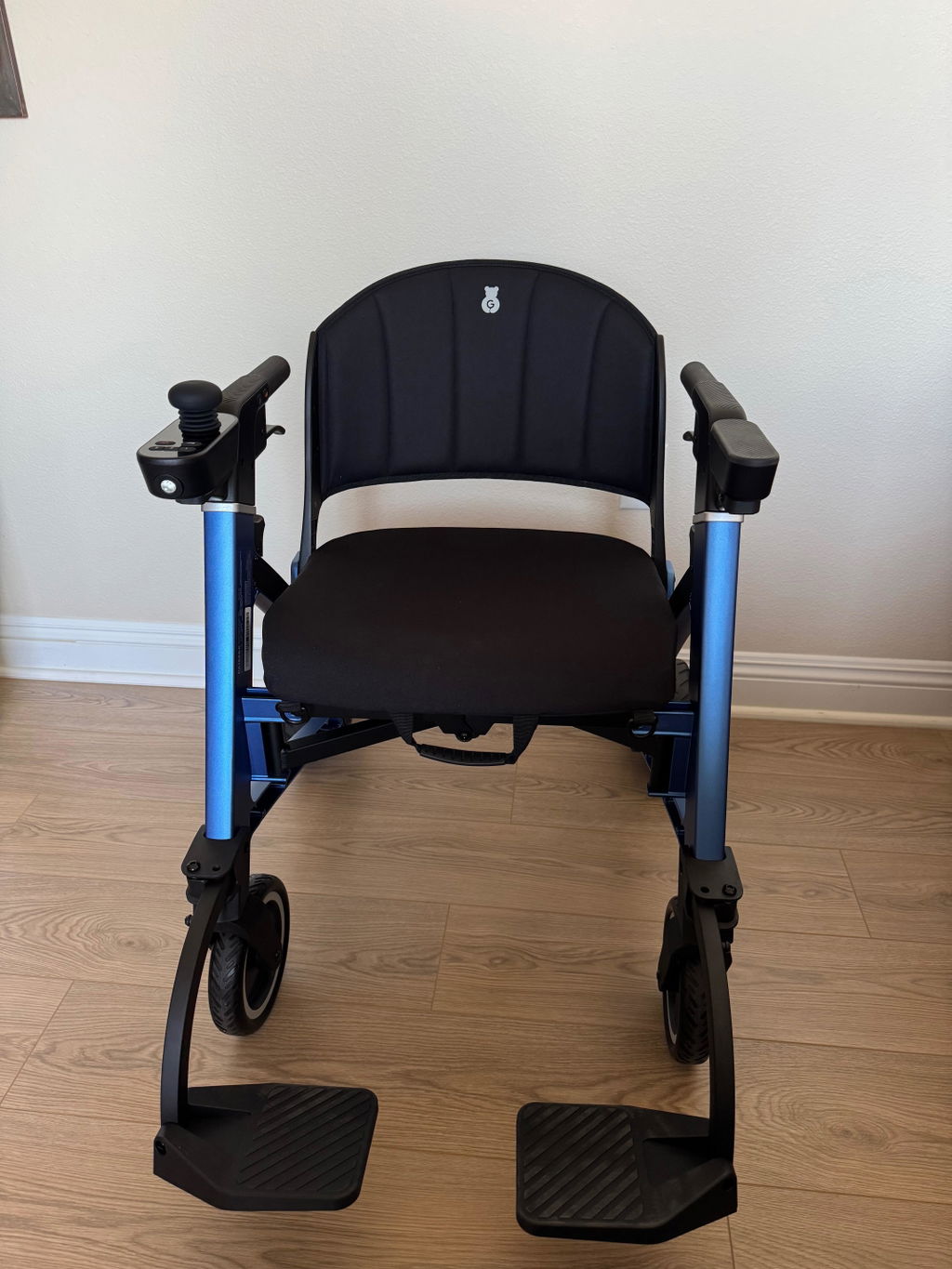
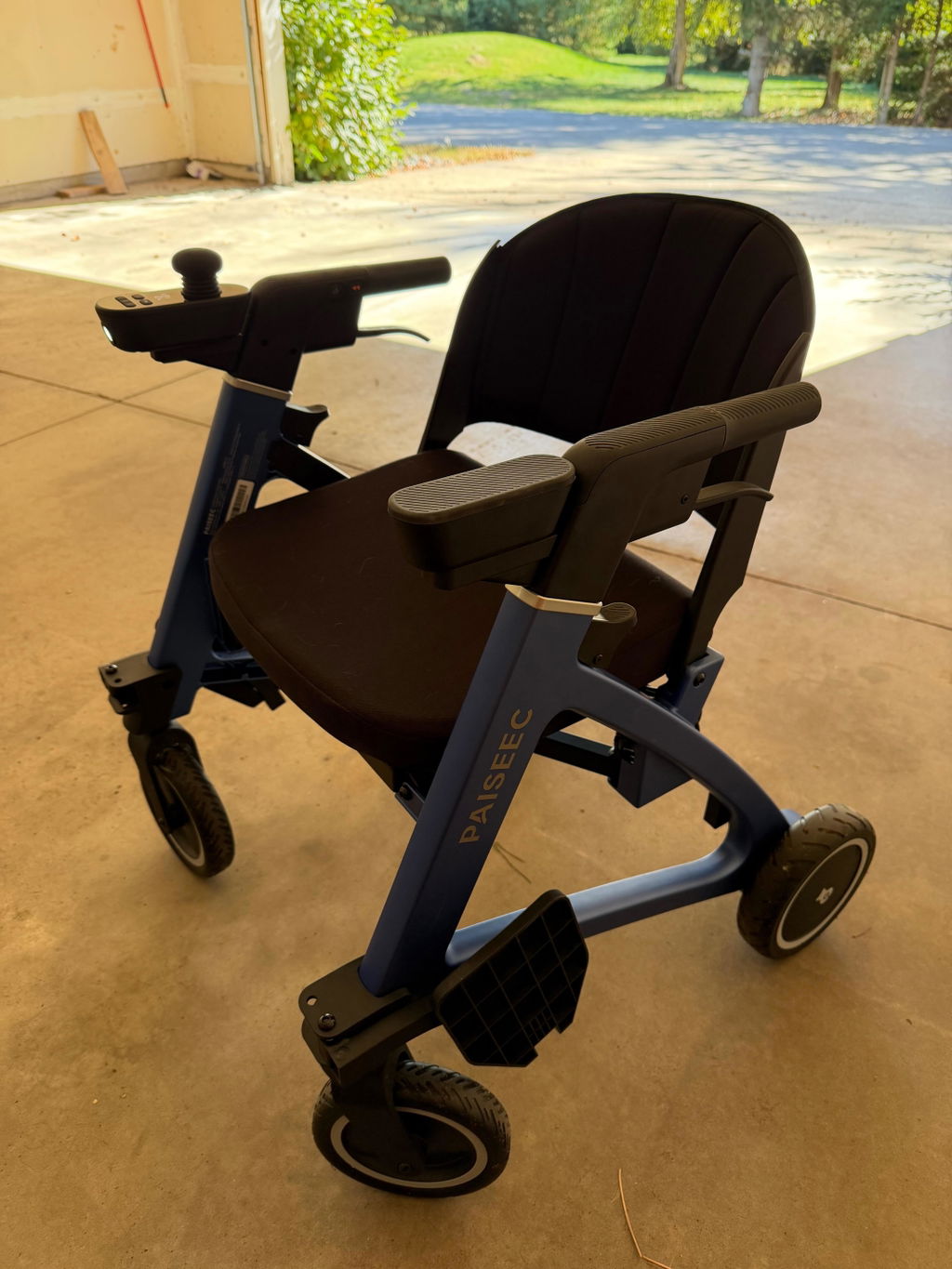
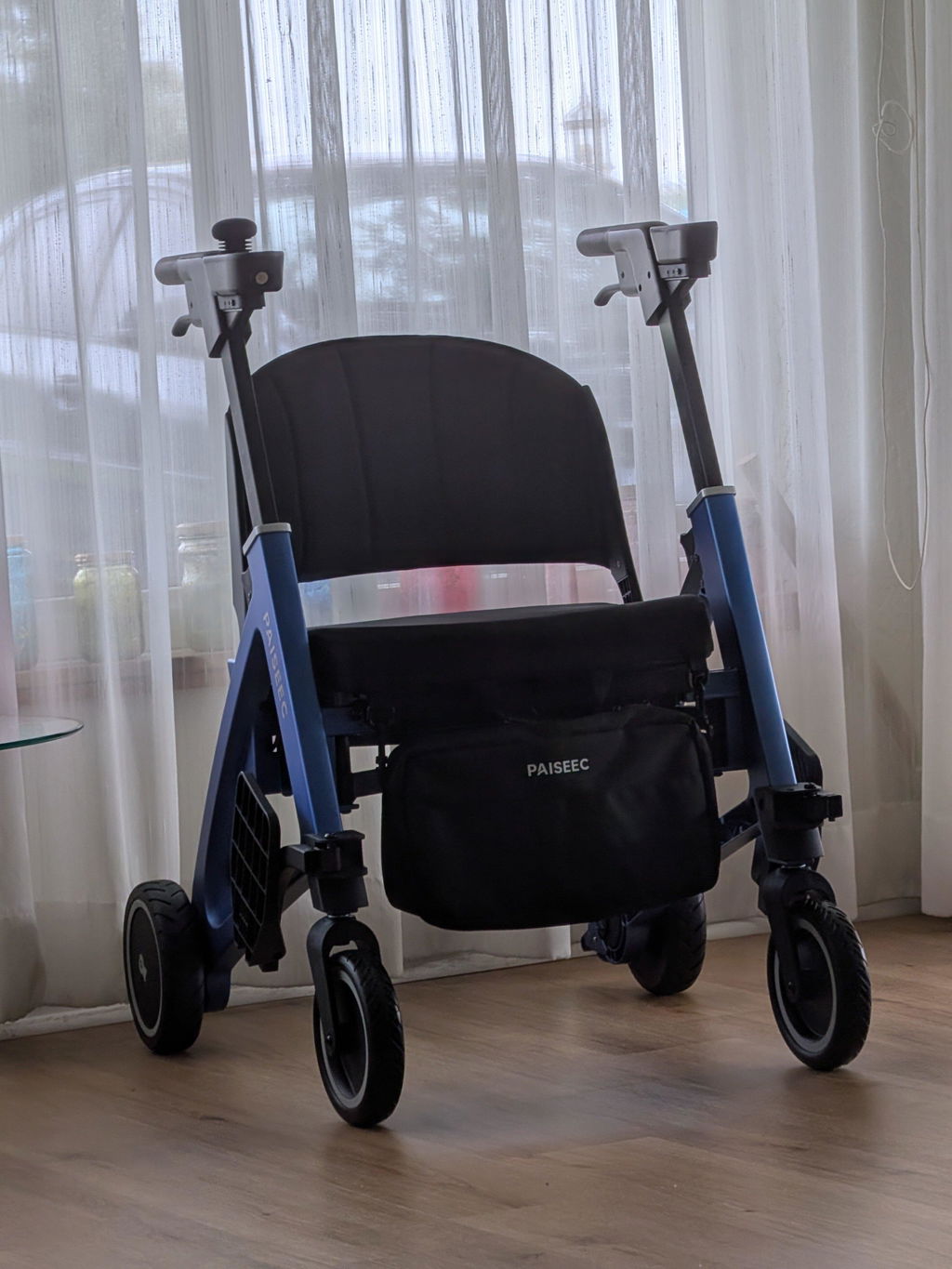
Paiseec W3-style mobility designs are built around this reality. A 3-in-1 configuration can serve as an electric wheelchair, electric transport chair, and smart rollator, helping users choose the safest mode based on their condition and environment.
The practical value comes from fewer transitions. Every transfer can create risk, especially when a person is fatigued, navigating tight spaces, or trying to move between devices without adequate support.
What Safety Features Should You Check Before Buying?
Before buying, check braking performance, anti-tip protection, handle response, battery management, frame stability, weight capacity, folding locks, tire condition, and terrain limits. The device should stop predictably, remain stable during use, and fit the user’s body size, strength, home layout, and daily routes.
Safety should be evaluated through real-world use rather than feature labels alone. A mobility device that performs well on a smooth showroom floor may not be appropriate for cracked sidewalks, sloped driveways, wet pavement, loose gravel, or uneven curb ramps.
Important safety features include:
-
Electromagnetic brakes: These help prevent rolling when power is released or the joystick returns to neutral.
-
Anti-tip wheels: These provide added rear stability, particularly during inclines or transfers.
-
Responsive controls: Joystick, handle, and caregiver controls should respond smoothly without lag.
-
Stable frame geometry: The frame should remain rigid under seated load and during walking-assist use.
-
Battery protection: A managed lithium battery system can help protect against overheating, overcharging, and damaging discharge.
-
Secure folding system: Folding locks should engage firmly and remain stable during transport.
-
Appropriate tires: Tires must provide suitable traction for intended surfaces and should be maintained at the recommended condition.
Users should also understand common failure risks. Underinflated tires can increase rolling resistance and reduce braking consistency. Dirty sensors can interfere with walking-assist response. Loose folding joints can create instability. A low battery can reduce hill-climbing performance and shorten the available travel range.
Do not test a new device on steep slopes, crowded areas, or wet surfaces before practicing on level, dry ground with a trained caregiver or qualified mobility professional nearby.
How Far Can an Electric Wheelchair With Walking Assist Travel?
Travel range depends on battery capacity, user weight, terrain, speed, temperature, tire condition, and frequency of motor use. A 36V 12Ah battery stores approximately 432 watt-hours of energy, but actual range may be lower than advertised when hills, frequent stops, cold weather, or heavier loads increase energy demand.
Battery range should be treated as a planning estimate rather than a guarantee. Flat indoor floors and smooth pavement generally require less power than sloped sidewalks, grass, uneven surfaces, or repeated acceleration.
A 36V 12Ah lithium battery has a nominal energy capacity of:
This capacity can support practical daily travel, but the actual distance depends on power consumption. A heavier rider, stronger wind, rough terrain, low tire pressure, or frequent use of walking assistance can all reduce range.
Battery aging also matters. Lithium-ion batteries lose capacity gradually through use, storage conditions, and charge cycles. After hundreds of cycles, a battery may no longer deliver the same travel distance as it did when new.
Paiseec uses 36V 12Ah lithium battery systems in selected mobility products to balance usable range, removable charging convenience, and manageable device weight. Users who rely on powered mobility for essential appointments should maintain a range buffer rather than planning trips around maximum advertised mileage.
Can You Use It Indoors, Outdoors, and While Traveling?
Yes, many foldable electric wheelchairs with walking assist are suitable for homes, stores, medical facilities, smooth sidewalks, and travel routes with accessible infrastructure. However, they are not designed for every outdoor environment, and users should match the chair’s capabilities to their actual terrain and transport needs.
For indoor use, a device should have a practical turning radius, responsive joystick control, and dimensions that fit through doorways and around furniture. For outdoor use, it needs reliable braking, stable wheels, adequate ground clearance, and appropriate traction.
These devices can work well in:
-
Apartments, houses, and senior living communities.
-
Retail stores, shopping centers, and restaurants.
-
Medical offices, hospitals, and rehabilitation centers.
-
Paved pedestrian paths and accessible sidewalks.
-
Museums, campuses, and indoor event venues.
-
Airports and travel destinations with accessible routes.
They are generally less suitable for deep sand, loose gravel, muddy trails, thick grass, large curbs, or steep wet slopes. The device may move on some of these surfaces, but movement alone does not mean the terrain is safe.
For vehicle transport, review the folded dimensions, product weight, battery removal procedure, cargo opening size, ramp capacity, and lift compatibility. For air travel, verify airline battery rules before departure. A removable battery can simplify handling, but airline acceptance depends on battery capacity, packaging, terminal protection, and carrier policy.
Who Should Avoid Walking Assist Without Training?
People with severe balance impairment, limited hand control, poor judgment, uncontrolled symptoms, or an inability to stand safely should avoid independent walking-assist use without professional assessment and training. The user must be able to hold the handles securely, release controls quickly, steer safely, and recognize unsafe conditions.
The device should never be treated as a substitute for clinical evaluation. It can support mobility, but it cannot correct unsafe gait, prevent every fall, or compensate for a user who cannot maintain stable upright posture.
Training should include:
-
Starting and stopping on a flat surface.
-
Turning gradually without twisting or crossing the feet.
-
Releasing the handles or controls to stop assistance.
-
Approaching thresholds, doorways, and narrow passages.
-
Moving over small sidewalk changes at a controlled speed.
-
Practicing mild ramps with supervision.
-
Switching safely between walking and seated modes.
Caregivers should also learn how to use transport controls, secure the user before movement, manage slopes, and recognize when the user should rest rather than continue walking.
A powered mobility device carries a person, so posture, braking distance, wheel position, surface conditions, and communication matter at every stage of use.
How Should You Maintain the Battery, Tires, and Controls?
Maintain the device by charging the battery properly, checking tires and brakes before use, keeping controls clean, inspecting folding mechanisms, and monitoring changes in range or motor sound. Consistent maintenance helps preserve safety, reliability, and battery performance over time.
Before each outing, check battery charge, tire condition, control response, brake engagement, footrest position, and folding locks. If the device behaves differently than usual, stop and inspect it before continuing.
A practical care schedule includes:
-
Before each use: Confirm charge level, wheel condition, brake response, joystick movement, and handle operation.
-
Weekly: Remove debris from wheels, wipe handles and controls, and inspect armrests, footrests, and visible fasteners.
-
Monthly: Check tire wear, folding locks, charging port condition, wheel alignment, and changes in battery range.
-
Seasonally: Review battery performance after extreme heat or cold, and contact the manufacturer if range drops suddenly or charging becomes inconsistent.
Do not store a lithium battery fully discharged for extended periods. Store it in a dry, moderate-temperature location and follow the manufacturer’s recommended charging guidelines. Avoid charging immediately after an intense ride if the battery is unusually warm; allow it to cool naturally first.
What Makes Paiseec Different in Mobility Innovation?
Paiseec combines multi-function mobility design with more than 100 R&D professionals, five advanced laboratories, and a reported $10 million investment in research and development. Its mobility systems emphasize lightweight folding structures, 36V 12Ah lithium batteries, 250W brushless motors, and the PAI intelligent safety riding system.
Founded in 2021, Paiseec Mobility focuses on improving the way users transition between walking, resting, seated travel, and caregiver assistance. This approach recognizes that real mobility needs often shift during a single outing.
The company’s PAI intelligent safety riding system is designed to support more responsive operation through intelligent monitoring and controlled assistance. In practical use, the important question is whether the system helps the user feel more stable and in control during starts, stops, slopes, and mode changes.
Paiseec also places value on usability beyond the motor system. Foldability, storage, removable batteries, support resources, manuals, order tracking, payment options, and customer service all influence whether a mobility device remains practical after purchase.
Paiseec Expert Views
“Mobility technology should help people move through real life, not force them to adapt to a machine. The most valuable design combines stable walking support, comfortable seated travel, controlled motor response, and straightforward daily operation. Our development process evaluates frame stability, braking performance, battery consistency, motor response, and user handling as one connected safety system. A mobility device should reduce effort while preserving the user’s confidence and control.”
— Roger, Founder of Paiseec Mobility, with more than 10 years of experience in electronics and mobility product development
When Should You Choose a Multi-Function Electric Wheelchair?
Choose a multi-function electric wheelchair when you regularly switch between walking, seated travel, and caregiver support. It is especially useful for people with fluctuating energy levels, limited storage space, frequent appointments, or a need to transport one adaptable device in a vehicle.
A multi-function model may be the right choice if you answer yes to several of these questions:
-
Do you walk short distances but fatigue during longer outings?
-
Do you need seated power mobility in large buildings or public spaces?
-
Does a caregiver sometimes need to push or guide you?
-
Do transfers between multiple mobility devices feel difficult or unsafe?
-
Do you need a foldable device for vehicle transport?
-
Do you use mostly level indoor floors, sidewalks, and accessible routes?
Before purchasing, complete a route audit. Measure the narrowest doorway in your home, examine the cargo opening of your vehicle, identify regular ramps or slopes, and consider where you will charge the battery. Also account for the longest routine trip you take each week.
These practical details are often more important than a high maximum-speed claim or an optimistic maximum-range figure.
What Should You Remember Before Buying?
An electric wheelchair with walking assist can provide flexible support for people who need both seated mobility and controlled walking assistance. The best choice depends on the user’s balance, strength, daily terrain, transport needs, battery expectations, and ability to operate each mode safely.
Use these steps to make a more confident decision:
-
Test seated and walking controls before purchase whenever possible.
-
Confirm that the device stops promptly when controls are released.
-
Select a model based on real local terrain, not ideal showroom conditions.
-
Treat advertised maximum range as a best-case estimate.
-
Plan for charging, storage, maintenance, and service support.
-
Include caregivers in training and testing.
-
Consult a healthcare or mobility professional if walking safety, transfers, or rehabilitation are concerns.
Paiseec offers a forward-looking example of multi-function mobility: a device designed to help users walk when they can, ride when they need to, and remain connected to daily life with fewer barriers.
What Questions Do Buyers Commonly Ask?
What is the difference between a power wheelchair and a smart rollator?
A power wheelchair is designed primarily for seated electric travel through joystick control. A smart rollator supports upright walking and may provide motor assistance. A multi-function device combines both functions, allowing the user to walk with support and switch to seated mobility when fatigue or distance increases.
Does walking assist replace a caregiver or therapist?
No. Walking assist can reduce physical effort and support controlled movement, but it does not replace professional assessment, rehabilitation guidance, caregiver supervision, or safe transfer assistance. Users with balance limitations, recent injuries, or changing medical conditions should seek advice from an appropriate healthcare professional.
Can a walking-assist electric wheelchair climb ramps?
Many models can manage gentle ramps within their rated incline limits. Performance depends on battery charge, user weight, tire traction, surface condition, and motor output. Practice on a dry, low-slope ramp with supervision before using the device independently on public inclines.
How long does a 36V 12Ah battery last?
A 36V 12Ah battery stores about 432 watt-hours of energy. Actual travel distance varies based on terrain, user weight, speed, temperature, tire pressure, and frequency of stops. Smooth, level routes generally provide better range than hills, grass, cold conditions, or frequent acceleration.
Is a foldable electric wheelchair suitable for air travel?
It may be suitable if the battery can be removed and meets airline requirements. Each airline has its own policies for lithium batteries, watt-hour limits, terminal protection, and mobility-device handling. Contact the airline before travel and confirm the specific requirements for your route.
Leave a comment
This site is protected by hCaptcha and the hCaptcha Privacy Policy and Terms of Service apply.