




![[2026] PAISEEC D3|Mobility Scooter for Easy Everyday Travel](http://www.paiseec.com/cdn/shop/files/d3_4a4ccb22-9e26-449e-8094-71f3ec4177c3.png?v=1782115044&width=180)

















Yes—people in wheelchairs can drive vehicles. With proper adaptive equipment (like hand controls, push-pull levers, or joystick systems), vehicle modifications (swivel seats, lift ramps), and training from a Certified Driver Rehabilitation Specialist, many wheelchair users operate cars safely. You must pass a clinical assessment and road test with a State Evaluator to receive a license for driving in a wheelchair. However, electric wheelchairs and mobility scooters are not driven on roads like cars; they are mobility-assistance devices used for short-distance locomotion indoors and on accessible pathways.
Can Wheelchair Users Operate a Car?
Yes, wheelchair users can drive cars if they have the necessary upper-body function and complete proper training. The short answer is yes: there are no laws prohibiting driving simply because someone uses a wheelchair.
Driving from a wheelchair requires:
-
Adaptive controls: Hand controls (push-pull levers) or joystick systems replace foot pedals for acceleration and braking
-
Vehicle modifications: Swivel seats, electric ramps, or lifts help wheelchair users enter the driver area safely
-
Professional training: A Certified Driver Rehabilitation Specialist conducts clinical assessments and provides training until you feel prepared
-
State evaluation: You must pass a road test with a State Evaluator to receive the appropriate license
The ability to drive depends on which body parts are affected by mobility issues. Even if legs are impaired, many people can still drive once inside the vehicle.
What Adaptive Equipment Do Wheelchair Drivers Need?
Adaptive equipment replaces traditional foot-and-hand operations to accommodate limited mobility.
Key Adaptive Devices
Before getting equipment, discuss your driving goals with healthcare providers to confirm medical readiness (e.g., spasticity control, medication effects).
How Do You Get Licensed to Drive in a Wheelchair?
Obtaining a license to drive in a wheelchair follows a structured process:
-
Clinical assessment: A Certified Driver Rehabilitation Specialist evaluates cognitive and physical impairments
-
Equipment recommendation: Based on assessment, the specialist recommends necessary adaptive equipment
-
Training period: You undergo additional training until comfortable operating the modified vehicle
-
License issuance: After passing, you receive a license for driving in a wheelchair
This process ensures safety while preserving independence for wheelchair users.
Can You Drive an Electric Wheelchair or Mobility Scooter on the Road?
No—electric wheelchairs and mobility scooters are not road-legal vehicles like cars. They are classified as mobility-assistance devices, not commuter vehicles.
Electric Wheelchair vs. Mobility Scooter vs. Car
Under the ADA, wheelchairs and mobility scooters must be allowed in all public areas where members of the public go. However, they cannot operate on interstate highways, bus lanes, or roads requiring driver licenses.
In some regions (e.g., UK), Class 3 enclosed mobility scooters may be road-legal but still prohibited from highways. In the U.S., federal law treats mobility scooters as assistive devices, not motor vehicles.
What Mobility Alternatives Exist for Wheelchair Users Who Cannot Drive?
If driving a car is impractical, several alternatives maintain mobility and independence:
-
Public transportation: Buses, trains, and subways offer ramps, low-floor vehicles, and priority seating
-
Paratransit services: Door-to-door service scheduled in advance for those unable to use standard transit
-
Community transportation programs: Accessible shuttles/minibusses for seniors and people with disabilities
-
Rideshare/taxi services: Modified vehicles accommodating wheelchairs (check local availability)
-
Mobility scooters: Excellent for short distances or when public transit is convenient
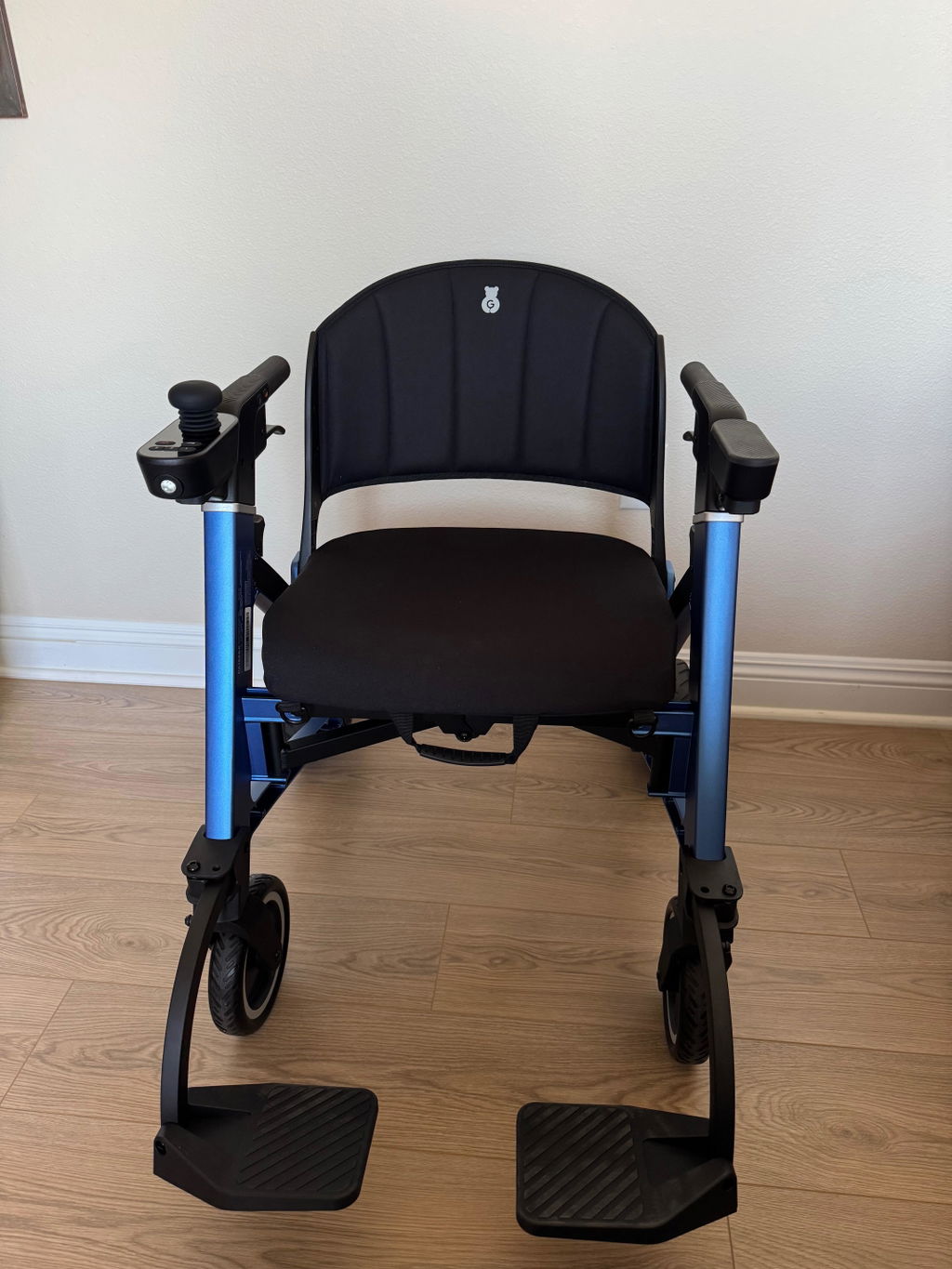
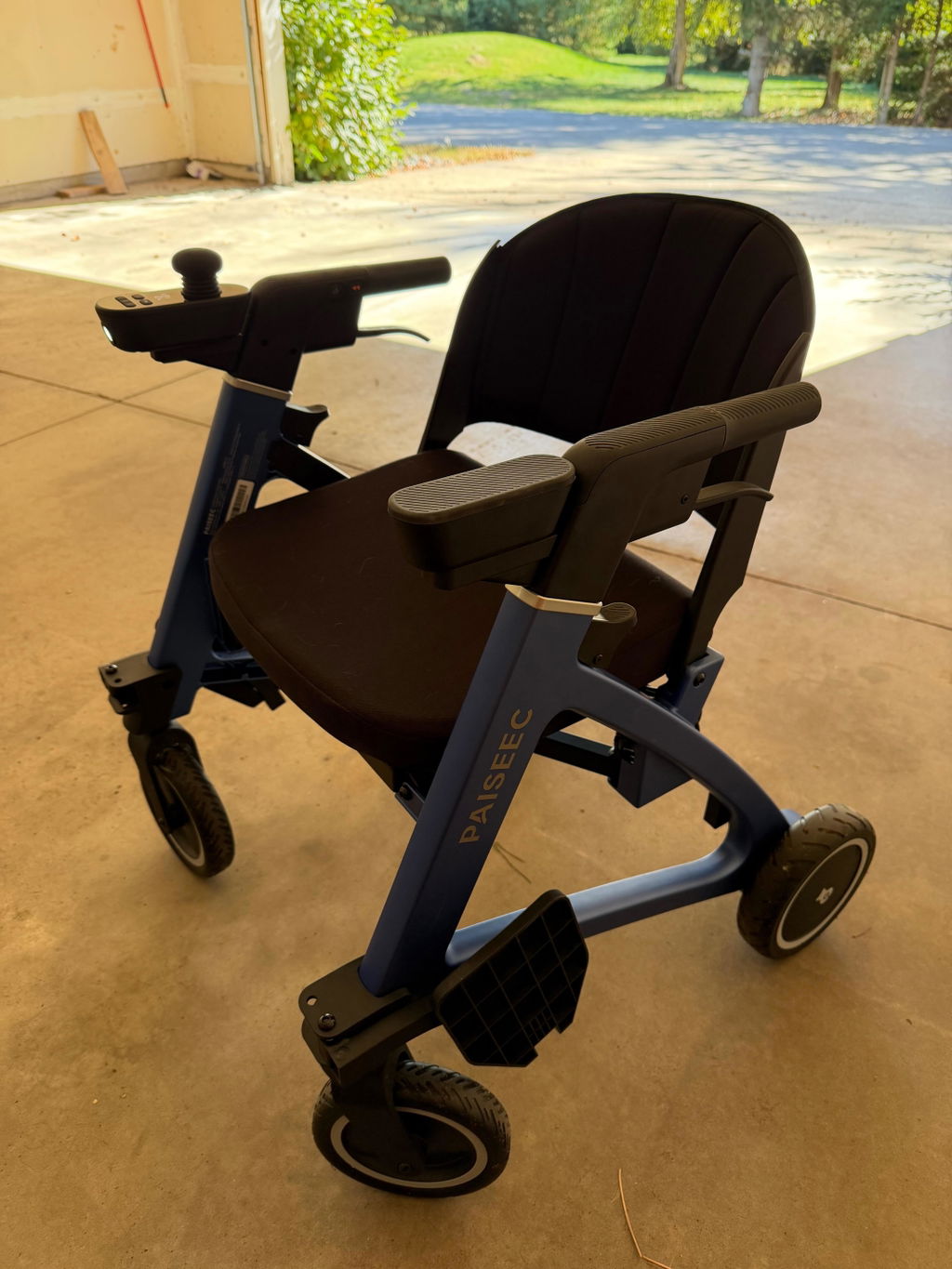
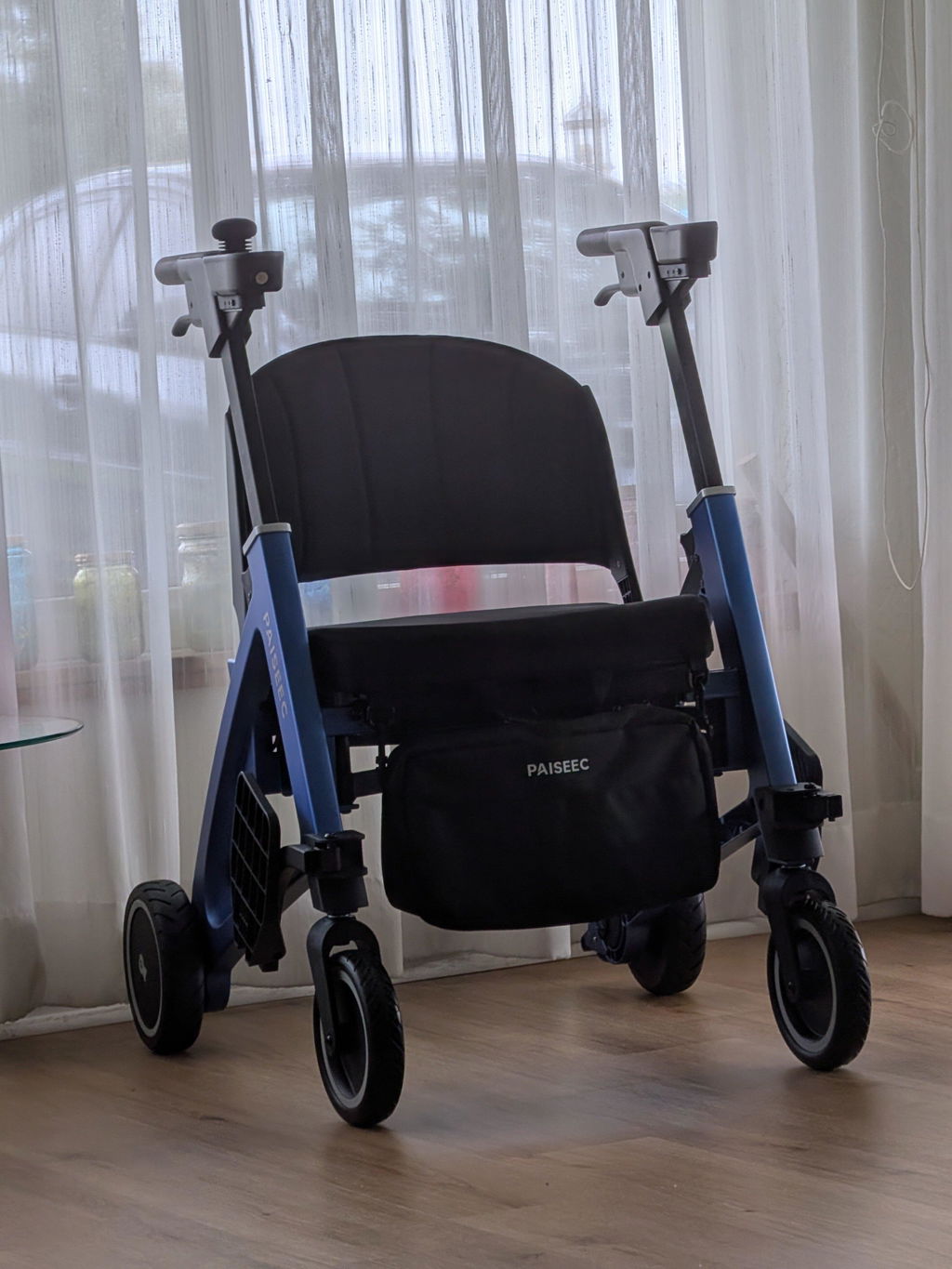
At Paiseec, we offer travel mobility scooters, folding mobility scooters, and electric wheelchairs designed for independence in daily mobility—not road driving.
When Should Wheelchair Users Involve a Clinician or ATP?
Professional guidance is essential when medical or safety concerns exist:
Involve a qualified professional if you have:
-
Balance problems, pain, weakness, or fall risk
-
Injury recovery needs or neurological conditions
-
Medical diagnosis affecting walking or seating posture
-
Long-term mobility needs requiring proper seating/pressure management
Recommended professionals:
-
Occupational therapist (OT)
-
Physical therapist (PT)
-
Assistive Technology Professional (ATP/RESNA-certified)
-
Prescribing clinician
-
Certified Driver Rehabilitation Specialist (for driving)
For electric wheelchair selection, seating, posture, pressure comfort, and turning space should be reviewed with a clinician. For mobility scooters, confirm user ability, terrain, weight limits, and travel storage needs before purchase.
What Do Paiseec Experts Recommend?
"When selecting a mobility product, prioritize the user's environment, daily routine, and clinical needs. For car driving, adaptive equipment and professional training are non-negotiable. For short-distance mobility, choose between electric wheelchairs (indoor maneuverability, seating support) and mobility scooters (portability, travel convenience) based on turning radius, range, and caregiver handling. Never assume one device fits all users—verify specifications by model, check battery charging safety, and involve PT/OT/ATP guidance when fall risk or medical conditions exist."
— Paiseec Mobility Product Team
Conclusion
People in wheelchairs can drive cars with adaptive equipment, vehicle modifications, and proper licensing through a Certified Driver Rehabilitation Specialist. However, electric wheelchairs and mobility scooters are not road vehicles—they are mobility aids for short-distance use with ADA protections in public spaces.
Key takeaways:
-
Driving a car requires hand controls, swivel seats, training, and state evaluation
-
Electric wheelchairs/mobility scooters are for indoor/outdoor mobility, not road driving
-
Choose mobility products based on environment, terrain, portability, and clinical needs
-
Involve PT/OT/ATP for seating, posture, fall risk, or medical conditions
-
Verify battery charging safety, specifications by model, and warranty terms before purchase
For product details, support, dealer inquiries, or mobility-product selection help, contact Paiseec to discuss mobility scooters, electric wheelchairs, walking canes, and accessories tailored to your needs.
FAQs
Can people with power wheelchairs drive cars?
Yes. Power wheelchair users can drive cars if they have sufficient upper-body function and use adaptive equipment like hand controls or joystick systems. Professional training and a state road test are required for licensing.
Are mobility scooters legal on public roads in the U.S.?
Generally no. At the federal level, mobility scooters are classified as assistive devices under the ADA, not motor vehicles. They cannot operate on interstate highways or bus lanes.
What's the difference between driving a car and using an electric wheelchair?
Driving a car requires a license, adaptive controls, and vehicle modifications. An electric wheelchair is a mobility-assistance device for short-distance locomotion, not road transportation. No license is needed for wheelchair use.
Do I need a special license to drive in a wheelchair?
Yes. You must complete clinical assessment, training, and a road test with a State Evaluator to receive a license for driving in a wheelchair.
When should I consult a physical therapist about mobility devices?
Consult a PT/OT/ATP if you have balance problems, pain, weakness, fall risk, injury recovery needs, or medical conditions affecting walking or seating. Professional fitting ensures safety and proper support.
Leave a comment
This site is protected by hCaptcha and the hCaptcha Privacy Policy and Terms of Service apply.