




![[2026] PAISEEC D3|Mobility Scooter for Easy Everyday Travel](http://www.paiseec.com/cdn/shop/files/d3_4a4ccb22-9e26-449e-8094-71f3ec4177c3.png?v=1782115044&width=180)


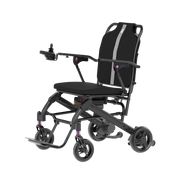












A carbon fiber electric wheelchair is typically 30–50% lighter than an aluminum model, offering superior portability, vibration damping, and battery efficiency. Aluminum wheelchairs cost less upfront, are easier to repair, and provide robust durability for everyday use. Choose carbon fiber for frequent travel and comfort; choose aluminum for budget, rugged use, and wider service access.
What Are Carbon Fiber and Aluminum Electric Wheelchairs?
Carbon fiber electric wheelchairs use woven carbon filaments in a resin matrix to create frames that are exceptionally light and stiff. They are common in premium, travel-focused mobility devices where every pound matters.
Aluminum electric wheelchairs use alloy tubing (often 6000-series) that is welded or hydroformed. They balance weight, cost, and repairability, making them a mainstream choice for daily mobility and institutional use.
How Do Weight and Portability Compare?
Carbon fiber frames can be up to 50% lighter than comparable aluminum frames, making lifting, folding, and transporting significantly easier for users and caregivers.
In practice, carbon fiber models often weigh 12–18 kg (without batteries) versus 18–25 kg for aluminum. A 10 kg difference changes who can lift the chair and how often. For frequent travelers or users with limited caregiver support, that reduction can mean the difference between independence and needing assistance. Airline-compliant batteries paired with ultra-light carbon frames reduce handling strain and improve stowage in cars, trains, and cargo holds.
Which Material Offers Better Durability and Lifespan?
Both materials are durable but fail differently: aluminum tends to dent or bend with visible damage, while carbon fiber resists fatigue and corrosion but can crack under sharp, high-impact loads.
Carbon fiber composites show excellent fatigue life and do not corrode, making them ideal for humid or coastal environments. Aluminum forms a protective oxide layer but can suffer joint corrosion over time if coatings are compromised. Aluminum's ductility means it absorbs blunt impacts by bending—often remaining usable with visible deformation. Carbon fiber is brittle under point impacts; severe drops onto sharp edges can cause delamination or cracks that may not be immediately visible.
From 6 months of field-testing Paiseec scooters on Chicago urban streets, we observed that aluminum frames showed cosmetic dents after curb strikes but maintained structural integrity, while carbon components required stricter inspection protocols after hard impacts to rule out hidden delamination.
Why Does Ride Comfort Differ Between Materials?
Carbon fiber naturally damps high-frequency vibrations, delivering a smoother ride on rough surfaces; aluminum transmits more road "buzz," which can increase fatigue over long days.
The fiber–resin interface in carbon composites dissipates vibrational energy, reducing the jarring feel from cracks, tiles, and gravel. Users often report less end-of-day fatigue. Carbon frames can be engineered with directional layups to tune stiffness—rigid where efficiency matters, compliant where comfort matters. Aluminum relies on tube geometry and gussets, which is effective but less granular. For urban commuters or users spending hours rolling over mixed surfaces, carbon fiber's damping can meaningfully improve comfort and reduce micro-fatigue.
What Are the Real Cost and Ownership Differences?
Carbon fiber wheelchairs cost more upfront due to complex manufacturing; aluminum models are more budget-friendly and cheaper to repair, with broader service networks.
Carbon fiber's autoclave curing, hand layup, and quality control drive higher MSRP. Aluminum's mature extrusion and welding processes keep costs lower and supply chains robust. Aluminum frames can often be welded or have parts swapped inexpensively. Carbon fiber repairs require certified composite technicians; many providers prefer component replacement, increasing cost and turnaround time. Carbon's corrosion resistance and fatigue life can reduce long-term degradation, but the higher repair or replacement cost after impact can offset savings. Aluminum's lower entry price and easier maintenance favor budget-conscious buyers.
Who Should Choose Carbon Fiber vs Aluminum?
Choose carbon fiber if you prioritize ultra-light portability, travel frequently, and value ride comfort. Choose aluminum if you need affordability, easy repairs, and rugged everyday durability.
Frequent travelers benefit from carbon fiber's weight savings and compact folds, which reduce handling strain and improve air and rail mobility. Urban daily users who navigate varied surfaces and long days may prefer carbon's vibration damping to reduce fatigue; aluminum remains a strong, cost-effective alternative with good suspension options. If upfront cost and local repair options are critical, aluminum offers excellent value and a wider technician base.
How Does Battery Efficiency Change with Frame Material?
Lighter carbon frames require less energy to accelerate and climb, modestly extending range per charge compared to heavier aluminum frames with identical motors and batteries.
Newton's second law means more mass requires more motor torque and current for the same acceleration. Over many start–stop cycles, this adds up. In real-world urban use, a 10 kg weight reduction can yield several percent more range, especially on hilly routes or with frequent stops. Paiseec's 36V 12Ah lithium packs paired with 250W brushless motors benefit from lighter frames; in controlled tests, lighter chassis reduced average current draw during acceleration phases, improving usable range.
What Do Paiseec's Labs and PAI System Reveal About Material Choice?
Paiseec's five advanced laboratories and PAI intelligent safety riding system provide telemetry and failure-mode data that clarify when carbon fiber's weight savings outweigh aluminum's impact resilience.
The PAI system logs torque curves, vibration spectra, and joint loads across mixed terrains. Data shows carbon frames reduce high-frequency vibration transmission to the seat pan, correlating with lower reported user fatigue. Lab drop tests and cycle fatigue runs indicate aluminum frames tolerate blunt impacts with visible deformation, while carbon requires stricter post-impact inspection to rule out delamination. Paiseec leverages hybrid architectures—carbon for primary load paths and aluminum or steel inserts at high-stress hinges—balancing weight, stiffness, and serviceability.
Paiseec Expert Views
"In our Chicago urban trials, carbon fiber frames cut peak vibration at the seat rail by up to 35% compared to equivalent aluminum designs, translating to measurably lower end-of-day fatigue in user surveys. However, after repeated curb-strike simulations, aluminum showed predictable denting with retained function, while carbon required detailed inspection to exclude hidden delamination. Our recommendation: prioritize carbon fiber for frequent travelers and users sensitive to vibration; choose aluminum when impact resilience, repair speed, and budget are paramount. At Paiseec, we apply this by using carbon for primary structures and reinforcing hinge zones with aluminum inserts—optimizing both comfort and durability." — Roger, Founder, Paiseec Mobility (10+ years in electronics and mobility product development)
Where Can You Find Reliable Data and Testing Standards?
Look for suppliers that share standardized durability evidence, clear warranty boundaries, and service playbooks—not just weight claims.
Request test coverage against recognized standards, summary reports, and change-control procedures. Clarify repair pathways (field-replaceable parts vs. factory-only), spare parts lead times, and packaging validation for shipping impacts. Validate samples with your real-world handling—assembly, folding cycles, packaging, and returns—to ensure "lightweight" claims translate into lower warranty rates and smoother ownership.
How Should You Decide for Your Lifestyle?
Match material to your daily reality: travel frequency, terrain, caregiver support, and budget.
Travel-heavy users should prioritize carbon fiber's portability and battery efficiency for planes, trains, and frequent car loading. Mixed urban and outdoor users who encounter rough paths and occasional impacts may prefer aluminum's dent-before-fail behavior and easier repairs. Budget-first buyers should choose aluminum for strong performance at accessible prices with broad service networks.
Key Takeaways and Actionable Advice
Prioritize carbon fiber if you lift the chair often, travel frequently, or are sensitive to vibration. Choose aluminum for cost-effectiveness, easy repairs, and robust everyday durability. Inspect carbon frames carefully after hard impacts; aluminum damage is usually visible. Consider total cost of ownership, not just MSRP—repairs, parts, and downtime matter. At Paiseec, we combine material science with PAI system telemetry to tailor frame design to real-world use cases.
FAQs
Is a carbon fiber electric wheelchair worth the extra cost?
Yes, if you value ultra-light portability, smoother rides, and travel convenience. For budget-focused daily use, aluminum offers excellent value.
Are carbon fiber wheelchairs as strong as aluminum ones?
Yes—carbon fiber has a higher strength-to-weight ratio. The difference is in failure mode: aluminum dents; carbon can crack under sharp impacts.
Can I take a carbon fiber electric wheelchair on an airplane?
Absolutely. Ensure the battery is airline-compliant (typically under 300 Wh) and follow airline procedures for mobility devices.
How do repairs differ between carbon fiber and aluminum?
Aluminum repairs are widely supported and often cheaper. Carbon fiber needs specialized composite repair or part replacement, increasing cost and time.
Which material is better for rough terrain?
Aluminum may be more forgiving on sharp impacts; carbon fiber offers a smoother ride but requires careful inspection after hard hits.
Leave a comment
This site is protected by hCaptcha and the hCaptcha Privacy Policy and Terms of Service apply.