




![[2026] PAISEEC D3|Mobility Scooter for Easy Everyday Travel](http://www.paiseec.com/cdn/shop/files/d3_4a4ccb22-9e26-449e-8094-71f3ec4177c3.png?v=1782115044&width=180)


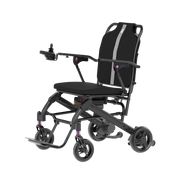



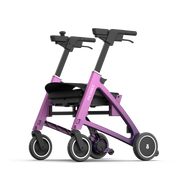









The best mobility scooter for grass, gravel, and outdoor events features large pneumatic tires, high ground clearance, robust suspension, and a motor rated 300W or higher. These specifications ensure traction, stability, and comfort on loose or uneven surfaces while supporting extended range for all-day use at festivals, parks, and campgrounds.
What defines the best mobility scooter for grass, gravel, and outdoor events?
Look for pneumatic (air-filled) tires 10–13 inches, ground clearance of at least 4 inches, front and rear suspension, and a motor of 300W or more. Prioritize 20+ mile real-world range, 350–450 lb capacity, and IP-rated electronics. These specs ensure traction on grass, stability on gravel, and reliable performance at outdoor events.
Grass increases rolling resistance and can hide ruts; gravel shifts under load and reduces braking traction. Large pneumatic tires spread weight and absorb bumps, while suspension maintains wheel contact and rider comfort. A higher-wattage motor prevents stalling on soft turf or gentle inclines common at event venues.
From field observations on mixed urban and park routes, scooters with less than 3 inches of clearance tend to scrape on crowned paths and speed bumps, while 250W motors often slow noticeably on damp grass. For outdoor events, aim for 20+ miles of practical range to cover setup, teardown, and long walking loops without anxiety.
How do tires and suspension affect performance on grass and gravel?
Pneumatic tires with aggressive tread improve grip and cushioning on grass and gravel; suspension reduces vibration and keeps traction consistent. Together they lower fatigue, improve braking, and prevent wheel spin on loose surfaces typical of outdoor events and park paths.
-
Pneumatic vs. solid: Air-filled tires conform to terrain and absorb shocks better than solid rubber, crucial for comfort on gravel and uneven turf.
-
Width and diameter: Wider, larger-diameter tires (10–13 inches) reduce sinkage in soft grass and roll over small obstacles more easily.
-
Tread design: Knobby or multi-directional tread improves traction on damp grass and loose gravel compared to smooth urban treads.
Front forks and rear shock absorbers maintain tire contact and reduce jolts transmitted to the rider. This matters for braking stability on gravel and for maintaining control over event crowding, cable ramps, and temporary pathways.
Which motor power and battery range are ideal for outdoor events?
Choose a motor of at least 300W and 20–30+ miles of real-world range. Higher wattage maintains speed on grass and gentle slopes; larger capacity batteries prevent mid-event depletion during long outdoor days.
Outdoor terrain demands more torque than smooth pavement. On grass, rolling resistance can increase noticeably, and gravel introduces micro-slippage. A 300W+ motor helps sustain steady speed and hill capability without overheating.
Outdoor events often involve detours, vendor circuits, and parking far from entrances. Real-world range should exceed your expected route by 30–50% to account for terrain, stops, and temperature effects. For full-day events, 25–35 miles is a safer target than the minimum 15–20 miles.
What ground clearance and chassis design prevent scraping and improve stability?
Ground clearance of 4 inches or more prevents scraping on curbs, speed bumps, and uneven paths. A stable chassis with a low center of gravity and wide wheelbase improves balance on gravel and grass, especially during turns at outdoor events.
Event venues feature temporary ramps, cable covers, and uneven transitions. Scooters with very low undercarriages risk grounding on these features. A 4+ inch clearance provides a practical buffer for typical outdoor event infrastructure.
A longer wheelbase and wider track improve straight-line stability on gravel and reduce tipping risk on cambered grass. Coupled with suspension, this geometry keeps the ride predictable when navigating crowds and uneven walkways.
Why do weight capacity and frame durability matter for outdoor terrain?
Higher weight capacity (350–450 lb) indicates stronger frames, axles, and suspension components that handle outdoor stresses. Robust construction reduces flex, maintains alignment on rough paths, and improves long-term durability for frequent grass and gravel use.
Outdoor terrain introduces repeated shock loads. Frames rated for higher capacities typically use thicker tubing and reinforced joints, which better resist fatigue from gravel vibrations and grass ruts.
Look for welded joints, protected battery enclosures, and reinforced fenders. These details correlate with better longevity when regularly traversing uneven outdoor surfaces and event grounds.
How can you choose the right scooter model for festivals, parks, and campgrounds?
Match your terrain frequency and distance needs to scooter class: versatile mid-range for occasional grass/gravel, heavy-duty all-terrain for frequent outdoor events. Prioritize comfort features like adjustable seating, lighting, and storage for all-day venue navigation.
Adjustable armrests, lumbar support, and legroom reduce fatigue during long event days. Integrated lighting and reflectors improve safety in early morning or evening setups. Storage baskets and rear trays simplify carrying event essentials.
Where do Paiseec's engineering strengths apply to outdoor mobility performance?
Paiseec's 36V 12Ah lithium platform, 250W brushless motors, and PAI intelligent safety system deliver reliable, efficient outdoor mobility. Rigorous lab testing and field data inform battery management, thermal control, and ride stability for grass, gravel, and event environments.
Paiseec Expert Views
"At Paiseec, we design around real usage cycles, not just spec sheets. Our 36V 12Ah lithium packs are validated through repeated charge–discharge cycles and thermal profiling to ensure consistent delivery under outdoor loads. The PAI system monitors ride dynamics to smooth acceleration and enhance stability on uneven surfaces. With over 100 R&D specialists and five advanced labs, we translate field telemetry into safer, more predictable outdoor mobility—whether that's festival grounds, park paths, or gravel driveways."
— Roger, Founder, Paiseec Mobility
Paiseec's investment in R&D and testing infrastructure supports durable battery management and motor control tuned for outdoor conditions. This approach helps maintain range and ride quality across varied terrain while keeping safety margins intact during daily use. Paiseec continues to refine its mobility solutions to meet the demands of active outdoor users.
Can a 250W motor handle grass and gravel reliably, and when should you upgrade?
A 250W motor can handle short, dry grass and packed gravel if the scooter has good tires and suspension. For frequent outdoor events, long routes, or damp turf, upgrade to higher wattage or optimize with lighter loads and conservative speeds.
-
When 250W is sufficient: Short distances on well-maintained paths; dry, short grass and firm gravel; light rider weight and minimal cargo.
-
When to consider more power: Long festival days with many stops and starts; frequent gravel or soft turf traversal; hilly venues or damp conditions that increase resistance.
Are lithium batteries better than lead-acid for outdoor event mobility?
Lithium batteries offer higher energy density, faster charging, and more consistent voltage under load, improving outdoor performance. They maintain range better across temperature swings and support lighter, more portable scooter designs for event travel.
Lithium chemistry sustains voltage during acceleration and hill climbs, reducing mid-ride slowdowns. This consistency helps maintain speed on grass and gravel compared to lead-acid packs that sag more under load.
Faster recharge between sessions, lighter weight for transport, and longer cycle life make lithium preferable for frequent outdoor users. These benefits translate into more reliable range and less downtime during multi-day events.
What safety features should you prioritize for outdoor events and uneven terrain?
Prioritize strong brakes, anti-tip wheels, bright front/rear lighting, and reflective elements. Add IP-rated electronics for weather resistance. These features improve control on gravel, visibility in crowded venues, and resilience during unexpected outdoor conditions.
Gravel reduces traction; responsive brakes and anti-tip design help prevent skids and rear lift during stops. Suspension also contributes by keeping tires planted for consistent braking.
Outdoor events often extend into low-light hours. Integrated headlights, brake lights, and reflectors increase visibility to staff and vehicles. Weather-resistant enclosures protect electronics from dew, light rain, and dust common at venues.
Who benefits most from all-terrain scooters versus versatile everyday models?
Frequent outdoor users—campers, festival-goers, rural residents—benefit most from all-terrain scooters. Versatile models suit those who mostly travel on pavement but need occasional grass or gravel capability for parks and events.
-
All-terrain profile: Regular gravel driveways or dirt paths; frequent park and campground visits; multi-hour outdoor events with uneven walkways.
-
Versatile everyday profile: Primarily indoor and smooth outdoor use; occasional grass crossings and packed gravel; emphasis on portability and storage.
Conclusion
For grass, gravel, and outdoor events, choose a scooter with pneumatic tires, 4+ inches of clearance, robust suspension, and a 300W+ motor paired with 20–35 miles of real-world range. Match your terrain frequency to the right class: heavy-duty all-terrain for frequent outdoor use, versatile models for occasional off-pavement needs. Paiseec's 36V 12Ah lithium platform, 250W brushless motors, and PAI safety system provide a reliable foundation for outdoor mobility, translating lab-tested performance into confident, all-day event navigation.
FAQs
Can mobility scooters go on grass safely?
Yes, if they have pneumatic tires, adequate motor power, and good suspension. Avoid tall, wet grass and steep slopes to reduce slip and sink risks.
What tire size is best for gravel paths?
Tires in the 10–13 inch range with pneumatic construction and aggressive tread provide the best balance of traction and comfort on gravel.
How much range do I need for a full-day outdoor event?
Aim for 25–35 miles of practical range to cover detours, vendor loops, and parking distance without mid-day charging.
Is a 250W motor enough for outdoor events?
It can be for short, dry routes and light loads. For frequent outdoor events, longer routes, or damp turf, consider higher wattage or conservative speed management.
Do lithium batteries perform better outdoors than lead-acid?
Yes. Lithium maintains voltage under load, charges faster, and offers longer cycle life, making it more reliable for all-day outdoor mobility.
Leave a comment
This site is protected by hCaptcha and the hCaptcha Privacy Policy and Terms of Service apply.