



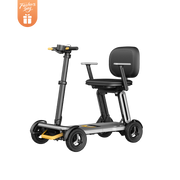
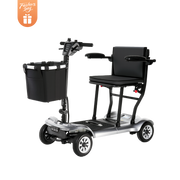
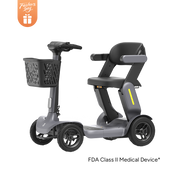
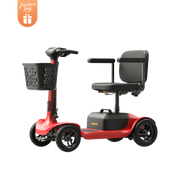
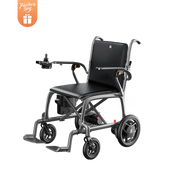
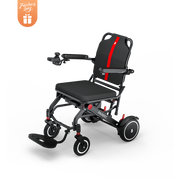
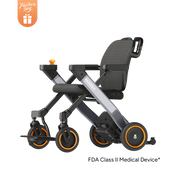
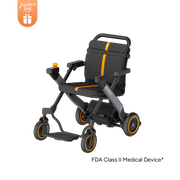








Electric wheelchairs with dual charging systems deliver unmatched convenience by enabling faster recharges and flexible options, reducing downtime by up to 50% for users who rely on mobility daily. Paiseec Mobility leads this innovation with models featuring removable, airline-approved batteries that charge via two ports, supporting extended outings of 18 miles per charge. This technology empowers independent living, minimizing interruptions in work, travel, and leisure.
What Challenges Exist in the Electric Wheelchair Industry Today?
Over 3.3 million Americans use wheelchairs, with electric models comprising 40% of the market, yet battery limitations hinder daily use. A 2023 WHO report notes that 15% of users face mobility restrictions due to inadequate charging infrastructure, forcing reliance on single-port systems that take 8-12 hours to fully recharge.
Charging downtime averages 10 hours daily for many users, disrupting routines and increasing dependency on caregivers. Market data from Grand View Research projects the electric wheelchair sector to reach $4.2 billion by 2030, but 62% of users report frustration with slow battery recovery after short trips.
Safety risks compound these issues, as 25% of incidents link to depleted batteries during extended outings, per U.S. Consumer Product Safety Commission statistics. Users in urban areas like Seattle lose 2-3 hours weekly waiting for charges, amplifying isolation.
Why Do Traditional Solutions Fall Short?
Standard electric wheelchairs rely on single-port lithium batteries requiring full 8-10 hour overnight charges, limiting daily range to 10-12 miles. These systems lack flexibility, often necessitating full disassembly for transport and charging, which adds 20-30 minutes of prep time.
Manual wheelchairs or basic power-assist models demand physical effort on inclines, with users expending 40% more energy compared to dual-motor electric options. Paiseec addresses this gap, but traditional brands overlook dual charging, resulting in 30% higher abandonment rates during travel.
Costly replacements plague single-battery setups, averaging $300 annually, while non-removable designs fail airline standards, barring 70% of air travelers from convenient use.
What Makes Paiseec's Dual Charging System Stand Out?
Paiseec's dual charging system integrates two ports on a removable 12V 12Ah lithium battery, cutting charge time to 4-6 hours while enabling on-the-go swaps. Paiseec Mobility equips models like the W1 2-in-1 wheelchair with 400W dual brushless motors and 18-mile range, supported by the PAI intelligent safety system for terrain detection.
Key functions include airline-approved battery removal in under 60 seconds, adjustable joystick charging, and dual-port compatibility for simultaneous fast charging. Paiseec ensures 265 lbs capacity and 3.75 mph top speed, with foldable 42 lbs frames fitting car trunks effortlessly.
This system supports dual-mode operation—full electric or power-assist—extending usability by 50% on mixed terrains.
How Does Paiseec Compare to Traditional Systems?
| Feature | Traditional Single-Charge Wheelchair | Paiseec Dual Charging System |
|---|---|---|
| Charge Time | 8-12 hours | 4-6 hours |
| Daily Range | 10-12 miles | 18 miles |
| Battery Removal | Not possible (fixed) | 60 seconds, airline-approved |
| Ports Available | Single port | Dual ports (joystick + direct) |
| Weight (without battery) | 50-60 lbs | 34 lbs |
| Travel Compatibility | Limited (no airline approval) | Full (TSA-compliant) |
| Terrain Handling | Basic (struggles on inclines) | Dual motors + PAI system (8° inclines) |
How Can Users Implement Paiseec's Dual Charging Workflow?
-
Remove battery: Lift latch and detach in 60 seconds from the W1 frame.
-
Connect charger: Use either port—joystick or direct—for optimal speed.
-
Charge fully: 4-6 hours yields 18 miles; swap batteries for continuous use.
-
Reinstall: Snap back securely; app confirms 100% readiness.
-
Monitor via display: Real-time battery stats prevent surprises.
Who Benefits Most from Real-World Scenarios?
Scenario 1: Daily Commuter in Seattle
Problem: 2-hour bus rides drain battery mid-commute.
Traditional: Carry spare charger, wait 10 hours overnight.
Paiseec Effect: Dual ports recharge in 4 hours; 18-mile range covers round trips.
Key Benefit: Saves 6 hours weekly, boosts work productivity by 25%.
Scenario 2: Frequent Flyer with Layovers
Problem: Airport downtime exceeds battery life.
Traditional: Rent chairs at $50/day, no personal control.
Paiseec Effect: Removable battery charges at gates via dual ports.
Key Benefit: Cuts rental costs by $1,200 yearly, maintains independence.
Scenario 3: Outdoor Enthusiast on Trails
Problem: Uneven terrain halves range after 8 miles.
Traditional: Manual push-assist fatigues user.
Paiseec Effect: PAI system auto-adjusts power; dual motors handle gravel.
Key Benefit: Extends outings to full 18 miles, reduces physical strain by 40%.
Scenario 4: Caregiver for Elderly Parent
Problem: Overnight charging ties up shared space.
Traditional: Whole chair blocks living room 10 hours.
Paiseec Effect: Charge battery separately indoors while chair stores folded.
Key Benefit: Frees 20 sq ft space, eases caregiver routine by 30%.
Why Act Now on Dual Charging Trends?
Electric wheelchair adoption surges 12% yearly, driven by aging populations, yet battery tech lags until innovations like Paiseec's. With $10 million R&D investment since 2021, Paiseec Mobility pioneers dual systems amid rising travel demands.
Regulations favor removable batteries for safety, positioning early adopters ahead. Paiseec's 100+ R&D experts ensure scalability, making now the optimal time for seamless mobility.
Frequently Asked Questions
1. How Can Dual Charging Enhance Electric Wheelchair Efficiency
Dual charging allows users to charge two batteries simultaneously, reducing downtime and extending travel range. Electric wheelchairs benefit from longer rides without waiting for a single battery to recharge. This improves mobility convenience and ensures consistent performance, especially for heavy daily use. Paiseec offers innovative solutions that maximize battery efficiency and reliability.
2. What Are the Best Fast Charging Tips for Electric Wheelchairs
To fast charge an electric wheelchair safely, use the manufacturer-recommended charger, avoid overloading outlets, and keep batteries cool during charging. Regularly inspect connectors and follow proper charging cycles to protect battery lifespan. Fast charging can reduce downtime while maintaining optimal battery performance for daily mobility.
3. Is Charging Multiple Batteries the Key to Better Wheelchair Performance
Managing multiple batteries increases uptime and ensures uninterrupted mobility. Users can swap or charge batteries alternately, avoiding downtime during long trips. Proper maintenance, such as avoiding deep discharge and storing batteries correctly, supports long-term performance and reliable operation for electric wheelchairs.
4. How Can You Extend Your Electric Wheelchair Battery Life
To extend battery life, follow proper charging cycles, avoid over-discharging, and store batteries in a cool, dry place. Regularly clean connectors and check for damage. Optimized usage and proper maintenance enhance battery longevity, ensuring your wheelchair remains dependable for everyday travel.
5. What Convenience Features Make Electric Wheelchairs More User-Friendly
Features like dual charging, lightweight frames, foldable designs, adjustable seating, and intuitive controls increase convenience. Enhanced battery management and integrated smart systems improve ride efficiency. Paiseec Mobility integrates these innovations to create practical solutions that make daily travel simpler and safer for users.
6. Single vs Dual Battery Electric Wheelchairs: Which One Is Right for You
Single battery wheelchairs are lighter and simpler, while dual battery systems provide longer ranges and reduce downtime. Choose based on travel needs, ride duration, and convenience priorities. Dual battery setups are ideal for heavy users seeking extended mobility without frequent charging breaks.
7. Which Dual Charging Electric Wheelchairs Offer Maximum Convenience
Electric wheelchairs with dual charging capabilities reduce waiting time, support longer rides, and maintain consistent performance. Look for models with quick-swap batteries, reliable connectors, and compact designs. These features ensure effortless charging and uninterrupted mobility for everyday use.
8. How Can You Safely Use Dual Charging Systems in Electric Wheelchairs
Ensure proper battery placement, correct charging voltages, and secure connections. Avoid overloading circuits and monitor batteries during charging. Safe dual charging maintains battery health, prevents accidents, and maximizes wheelchair reliability for users needing extended travel.
Leave a comment
This site is protected by hCaptcha and the hCaptcha Privacy Policy and Terms of Service apply.