




![[2026] PAISEEC D3|Mobility Scooter for Easy Everyday Travel](http://www.paiseec.com/cdn/shop/files/d3_4a4ccb22-9e26-449e-8094-71f3ec4177c3.png?v=1782115044&width=180)


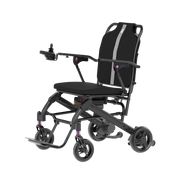



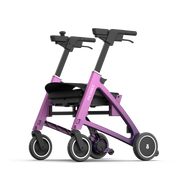
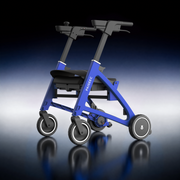









Choosing between an electric wheelchair and a mobility scooter depends on far more than speed, price, or appearance. The right powered mobility device should match the user’s strength, posture, daily routine, home layout, transport needs, comfort requirements, and ability to operate the controls safely.
An electric wheelchair, also called a power wheelchair or motorized wheelchair, is usually better for people who need all-day mobility support, close indoor maneuverability, customized seating, or joystick control. A mobility scooter is often better for people who can walk short distances, transfer independently, sit upright comfortably, and want help covering longer distances outdoors, in stores, or around a neighborhood.
Electric Wheelchair vs Mobility Scooter at a Glance
The electric wheelchair versus mobility scooter decision becomes clearer when you focus on how the device will be used for real daily tasks. A buyer who needs to turn through narrow hallways, approach a dining table, use a bathroom independently, and remain seated for long periods usually benefits from a power wheelchair. A buyer who walks inside the house but becomes fatigued at shopping centers or on outdoor trips may find a mobility scooter more practical.
What Is an Electric Wheelchair?
An electric wheelchair is a battery-powered chair designed for users with limited walking ability or reduced stamina. Most electric wheelchairs use a joystick mounted on an armrest, allowing the rider to move forward, reverse, turn, stop, and control speed with one hand.
A power wheelchair can have front-wheel drive, rear-wheel drive, or mid-wheel drive. Mid-wheel drive electric wheelchairs are popular for indoor use because the drive wheels sit near the center of the chair, making tight turns easier in apartments, bathrooms, kitchens, hallways, and elevators.
Many motorized wheelchairs offer more than basic transportation. They may include reclining backs, elevating leg rests, tilt seating, headrests, pressure-relief cushions, adjustable armrests, attendant controls, and programmable driving profiles. These features matter for people with spinal cord injuries, multiple sclerosis, cerebral palsy, muscular dystrophy, stroke recovery needs, severe arthritis, chronic fatigue, or progressive mobility limitations.
What Is a Mobility Scooter?
A mobility scooter is a battery-powered personal mobility vehicle that uses a steering column, often called a tiller. The rider sits on a padded seat and controls direction with handlebars, while a lever or thumb control manages acceleration.
Most mobility scooters come in three-wheel or four-wheel designs. A three-wheel mobility scooter generally turns more tightly and can feel easier to navigate inside larger stores. A four-wheel mobility scooter typically provides more stability on uneven paths, slopes, grass edges, and outdoor surfaces.
A portable mobility scooter may separate into lightweight sections for car transport, while a folding mobility scooter can collapse for storage or travel. Larger full-size mobility scooters typically have higher weight capacity, larger batteries, suspension, brighter lights, wider seats, and better outdoor range, but they may be harder to load into a standard vehicle.
Electric Wheelchair vs Mobility Scooter: Who Should Choose Each?
An electric wheelchair is usually the stronger choice when the user cannot walk safely for everyday movement inside the home. It is also often the best option when a person needs a more supportive seated position, spends many hours seated, cannot comfortably manage a tiller, or requires a highly maneuverable device for small spaces.
A mobility scooter is usually the stronger choice when the user can stand, transfer, and walk short distances but needs support for longer distances. It can be a practical solution for grocery shopping, attending community events, visiting museums, navigating cruise terminals, moving around retirement communities, and enjoying neighborhood outings.
The most important distinction is not whether one device looks more medical or more recreational. The key question is whether the device improves safe independence in the places the user actually goes every week.
Mobility Scooter Pros and Cons
A mobility scooter can offer strong value for users who need occasional or distance-based support. Many people prefer the familiar steering style, swivel seat, front basket, and outdoor-friendly design.
Mobility Scooter Advantages
-
A mobility scooter can be easier to learn for users who already drive, ride bicycles, or feel comfortable using handlebars.
-
A scooter often provides more storage space through baskets, rear bags, under-seat compartments, and accessory holders.
-
Many models offer higher top speeds than standard power wheelchairs.
-
Travel mobility scooters can fit into vehicle trunks after disassembly.
-
Outdoor mobility scooters may have larger tires, longer battery range, headlights, suspension, and higher ground clearance.
-
A mobility scooter can cost less than a complex power wheelchair with custom seating and advanced controls.
Mobility Scooter Limitations
-
A scooter requires the rider to transfer safely onto and off the seat.
-
Tiller steering may be difficult for users with weak hands, reduced shoulder mobility, tremors, limited grip, or poor coordination.
-
A large mobility scooter may struggle in narrow bathrooms, small kitchens, compact apartments, and tight doorways.
-
Standard scooter seating may not provide enough postural support for full-day use.
-
Three-wheel scooters can feel less stable on uneven outdoor surfaces or sharp turns.
-
A mobility scooter may be inconvenient if the rider needs to pull close to desks, sinks, restaurant tables, or work surfaces.
Electric Wheelchair Pros and Cons
A power wheelchair is designed for more controlled, close-range mobility. It is often a better long-term mobility aid for users whose needs extend beyond occasional outdoor transportation.
Electric Wheelchair Advantages
-
A joystick-controlled electric wheelchair can turn in a smaller space than many mobility scooters.
-
Power wheelchairs can be customized with seat width, cushion type, head support, leg support, armrest height, back support, and positioning accessories.
-
A motorized wheelchair can work well for users with reduced balance, limited endurance, or limited ability to walk.
-
Mid-wheel drive power wheelchairs can navigate narrow indoor spaces more effectively.
-
Alternative drive controls can support users who cannot use a traditional scooter tiller.
-
Folding electric wheelchairs may offer a lighter travel-friendly option for users who need an airport wheelchair alternative or a portable power chair.
-
A power wheelchair can help users stay seated comfortably while working, dining, cooking, socializing, or completing daily activities.
Electric Wheelchair Limitations
-
A complex electric wheelchair may cost more than an entry-level mobility scooter.
-
Heavy-duty power wheelchairs may require a wheelchair-accessible vehicle, vehicle lift, ramp, or carrier.
-
Seating adjustments, suspension, electronics, and specialty controls can increase repair complexity.
-
Some outdoor power wheelchair models are large and may not fit in compact cars.
-
A lightweight electric wheelchair may sacrifice terrain capability, seat width, suspension, or battery range compared with a larger model.
Electric Wheelchair vs Mobility Scooter for Indoors
For indoor mobility, an electric wheelchair usually wins. A power wheelchair can make tighter turns, approach tables more closely, navigate hallways with less reversing, and fit better in small living spaces.
A mobility scooter may work indoors when the home has wide doorways, open-plan rooms, accessible bathrooms, and limited clutter. However, a scooter’s front tiller takes up forward space and may limit how closely the rider can pull up to a counter, desk, bed, or table.
Before buying a power chair or mobility scooter, measure every critical path in the home. Check exterior doors, interior doors, hallway turns, bathroom entry, bedroom access, kitchen clearance, elevator dimensions, and storage space. Also measure the turning area near the toilet, shower, sink, and bed.
Electric Wheelchair vs Mobility Scooter for Outdoors
For outdoor distance travel, a mobility scooter can be the better fit. Full-size scooters often provide higher travel speeds, longer range, larger wheels, suspension, headlights, indicators, baskets, and stronger performance on sidewalks and paved paths.
A heavy-duty mobility scooter can be suitable for neighborhood trips, large campuses, outdoor markets, festivals, and shopping complexes. Four-wheel mobility scooters are often preferred for stability on uneven pavement, driveways, ramps, and rougher sidewalks.
An outdoor electric wheelchair can also work well, especially for users who require power seating or cannot operate a scooter tiller. Choose an all-terrain electric wheelchair only after reviewing tire type, suspension, incline rating, battery capacity, ground clearance, weather protection, and weight capacity.
Neither a mobility scooter nor an electric wheelchair should be treated like an automobile. Safe travel requires speed control, visible lighting, charged batteries, appropriate weather conditions, attention to pedestrians, and awareness of local access rules.
Three-Wheel Scooter vs Four-Wheel Scooter
A three-wheel mobility scooter usually has a smaller turning radius. This can help in stores, apartment corridors, elevators, and open indoor spaces where maneuverability matters.
A four-wheel mobility scooter has a broader stance, which may improve stability during outdoor use. It is often preferred for heavier users, users who travel on uneven sidewalks, and riders who want a more secure feeling on slopes or while carrying shopping bags.
Types of Electric Wheelchairs
Electric wheelchairs vary widely in size, performance, and support. The right power chair is not necessarily the fastest or most expensive model; it is the one that safely fits the person and their environment.
Core Technology: Controls, Batteries, Motors, and Seating
The biggest technology difference between a power wheelchair and a mobility scooter is control design. Electric wheelchairs commonly use joystick steering, allowing the user to guide the chair from a compact control panel near the armrest. Mobility scooters rely on tiller steering, which requires reaching forward, gripping handles, and rotating the steering column.
Battery technology shapes portability, range, charge time, and maintenance. Sealed lead-acid batteries remain common in many affordable mobility scooters and power chairs. Lithium batteries can reduce weight and may offer faster charging and longer life, but airline rules, replacement costs, battery certification, and transport requirements should always be checked before traveling.
Motor quality affects hill climbing, smooth acceleration, braking response, and reliability. Brushless motors are valued for efficient operation and lower maintenance needs. The practical result is smoother starts, quieter rides, responsive control, and less energy loss during regular use.
Seating is where many electric wheelchairs provide a major advantage. A properly fitted power wheelchair can support pelvic position, spinal alignment, pressure distribution, leg elevation, and head control. For a person using a device for several hours per day, seating comfort is not a luxury feature; it is central to safety, skin protection, fatigue management, and quality of life.
Paiseec Mobility, founded in 2021, develops electric mobility solutions including lightweight foldable scooters and multi-functional electric wheelchairs. Its product development work includes lithium battery systems, brushless motor technology, and an intelligent safety riding system designed to support convenient, confident mobility.
Safety Factors Before Buying
A mobility device should be selected with a clinician, mobility specialist, caregiver, or durable medical equipment provider when possible. The safest option depends on the rider’s medical condition, strength, home setting, and travel habits.
Consider hand function first. A person with arthritis, limited finger movement, shoulder pain, or weakness may find a joystick easier than a scooter tiller. However, joystick control also requires coordination, reaction time, and the ability to understand safe driving practices.
Consider trunk control and seated balance. Mobility scooters typically assume that the rider can sit upright on a standard seat. A power wheelchair can offer more support for users who need lateral positioning, head support, adjustable footplates, tilt functions, or specialized cushions.
Consider transfers. If a person cannot safely stand and pivot from bed to chair, chair to toilet, or chair to vehicle, a scooter may not be appropriate. A power wheelchair may provide safer positioning options, although transfer planning still matters.
Consider vision, cognition, and reaction speed. Both devices require the rider to recognize obstacles, judge turning space, manage speed, avoid curbs, and respond to pedestrians. A safe test drive should happen in the same type of environment where the device will be used.
Cost of an Electric Wheelchair vs Mobility Scooter
The price of an electric wheelchair or mobility scooter depends on size, battery type, travel range, seat features, weight capacity, motor power, suspension, controls, warranty, and service network. Industry retail comparisons commonly place mobility scooters from roughly $1,200 to $4,000, while electric wheelchairs can range from around $2,000 to $15,000 or more when advanced seating and rehabilitation features are needed.
A folding mobility scooter or folding electric wheelchair may cost more than a basic model because of lightweight frames, quick-fold systems, lithium batteries, and travel-focused engineering. A heavy-duty electric wheelchair, bariatric mobility scooter, or all-terrain model may also cost more due to reinforced frames, larger motors, wider seats, and higher-capacity batteries.
The purchase price is only one part of total ownership cost. Budget for battery replacement, tires, chargers, annual service, repairs, accessories, insurance, transport equipment, and possible rental needs if the device is being serviced.
Medicare and Insurance Coverage
In the United States, Medicare Part B may cover a power wheelchair or mobility scooter when it is medically necessary for use in the home and when the patient meets the program’s documentation and safety requirements. Coverage is not based simply on wanting help at a mall, airport, or vacation destination.
Medicare typically requires an evaluation by a treating clinician, a written order, and documentation showing that a cane, walker, or manual wheelchair does not adequately support safe daily activities at home. The individual must be able to operate the equipment safely or have a caregiver who can consistently help.
After the Medicare Part B deductible, beneficiaries commonly pay 20 percent of the Medicare-approved amount if the supplier accepts assignment, though supplemental coverage and plan terms can affect the actual out-of-pocket cost. Rules can change, so verify eligibility, supplier participation, prior authorization requirements, and coverage details before placing an order.
Private insurance, Medicaid, veterans benefits, workers’ compensation, state programs, and nonprofit assistance may also help in some circumstances. Start the funding process before purchasing whenever coverage is important, because buying a device first can complicate reimbursement.
How to Choose the Best Mobility Device
Start with daily use, not product features. Write down where the user needs mobility assistance, how long they will sit in the device, whether they need to transfer independently, and how often the device must enter a vehicle.
Measure the home and vehicle. A compact power wheelchair can be excellent indoors but may still be too wide for a bathroom. A large four-wheel scooter can be comfortable outdoors but may not fit through a narrow apartment door or on a vehicle lift.
Test the controls. A person should try a joystick, scooter tiller, speed dial, braking system, turning pattern, and reverse motion in a safe space. The test should include tight turns, thresholds, ramps, parking, and approaching a table or counter.
Match the weight capacity to the user plus items carried. Include clothing, oxygen equipment, groceries, bags, cushions, medical supplies, and accessories. Do not choose a device that only barely meets the required capacity.
Review battery range realistically. Manufacturer range estimates are affected by rider weight, terrain, hills, temperature, tire pressure, speed, stop-and-go travel, and battery age. A device intended for long outdoor use should have meaningful range beyond the planned route.
Real-Life Use Cases and Value
A retired shopper who walks around the house but develops pain and fatigue after several minutes outdoors may gain the most value from a portable mobility scooter. A compact travel scooter can make grocery trips, appointments, family events, and vacation outings more manageable without replacing all walking.
A person with progressive multiple sclerosis who needs help moving from bedroom to bathroom, kitchen to dining room, and desk to doorway may benefit more from a mid-wheel electric wheelchair. The tighter turning, joystick control, and supportive seating can reduce dependence on caregivers during repeated daily movements.
A worker returning to an office after a spinal injury may need a power wheelchair that fits under a desk, turns in meeting rooms, accommodates long seated periods, and supports a reliable work commute. In this case, the value is not measured only by transportation; it includes access to employment, social participation, productivity, and autonomy.
For caregivers, the right mobility device can reduce physical strain from pushing a manual wheelchair, assisting with long walks, or supporting an exhausted family member. Better device fit can mean fewer unsafe transfers, more predictable routines, and greater confidence during community outings.
Electric Wheelchair vs Mobility Scooter for Travel
A travel mobility scooter is often a popular choice for people who fly, cruise, visit relatives, or take road trips. Portable scooters may fold or disassemble, although users should confirm the heaviest removable piece, storage dimensions, airline battery rules, and vehicle loading method.
A folding electric wheelchair can be a better travel option for riders who need joystick steering, better seated support, or more indoor agility. Lightweight power wheelchairs are often easier to navigate through hotel rooms, airport corridors, restaurants, and compact public spaces than large scooters.
For any travel power wheelchair or portable mobility scooter, bring the charger, user manual, key or remote if applicable, emergency contact details, battery information, and a backup plan for charging. Before a trip, inspect tires, brakes, folding latches, armrests, footrests, and battery condition.
Future Trends in Power Mobility
The mobility market is moving toward lighter frames, better lithium battery performance, smart diagnostics, remote support, safer braking systems, app-connected controls, and more compact folding designs. Market research firms project continued growth in personal mobility devices as populations age and demand rises for independent community access.
Future electric wheelchairs are likely to offer more intelligent obstacle detection, adaptive control settings, connected maintenance alerts, and seating systems that better support long-term health. Future mobility scooters will likely become lighter, easier to fold, more stable, and more useful for multi-modal travel.
The most important trend is personalization. Buyers increasingly expect a mobility scooter or electric wheelchair to fit their body, home, lifestyle, transportation method, and independence goals rather than forcing the user to adapt to a generic device.
Electric Wheelchair vs Mobility Scooter FAQs
Is an electric wheelchair better than a mobility scooter?
An electric wheelchair is better for people who need close indoor maneuverability, joystick control, advanced seating support, or full-time mobility assistance. A mobility scooter is better for people who can transfer and steer safely but need help covering longer distances.
Which is easier to use, a power wheelchair or a mobility scooter?
A mobility scooter may feel familiar to users comfortable with handlebars. A power wheelchair may be easier for users who have limited shoulder movement, need tighter turns, or cannot comfortably reach and steer a tiller.
Can a mobility scooter be used inside a house?
Yes, but it must fit through doorways and have enough turning room. A compact three-wheel scooter may work in a larger home, but a power wheelchair is usually more practical for tight indoor spaces.
Can an electric wheelchair go outside?
Yes. Many electric wheelchairs can be used outdoors on smooth, accessible surfaces. For regular outdoor travel, choose a model with appropriate tires, range, suspension, lighting, weather protection, and incline capability.
Are four-wheel mobility scooters safer than three-wheel scooters?
Four-wheel scooters generally provide more stability outdoors and on uneven surfaces. Three-wheel scooters usually offer a tighter turning radius and more legroom, which can be useful indoors and in stores.
Does Medicare pay for an electric wheelchair or mobility scooter?
Medicare Part B may cover either device when it is medically necessary for use in the home, properly prescribed, and supported by required clinical documentation. Eligibility depends on the individual’s mobility needs and ability to use the equipment safely.
How far can an electric wheelchair or mobility scooter travel?
Range varies by battery, terrain, rider weight, speed, temperature, and device size. Check the real-world expected range, not only the maximum manufacturer estimate, before choosing a device for frequent outdoor travel.
Choose Mobility With Confidence
If you need a device for everyday movement inside the home, close turns, supportive seating, or limited hand strength, begin by evaluating an electric wheelchair. A professional assessment and a home measurement plan can help identify the right power wheelchair configuration.
If you can walk short distances, transfer independently, and mainly need extra range for stores, outdoor routes, and social activities, compare three-wheel, four-wheel, folding, and heavy-duty mobility scooters based on your travel habits.
The best electric wheelchair or mobility scooter is the one that supports safe, comfortable, independent movement in the places that matter most: at home, at work, with family, and in the community.
Leave a comment
This site is protected by hCaptcha and the hCaptcha Privacy Policy and Terms of Service apply.