



![[2026] PAISEEC D3|Mobility Scooter for Easy Everyday Travel](http://www.paiseec.com/cdn/shop/files/d3_4a4ccb22-9e26-449e-8094-71f3ec4177c3.png?v=1782115044&width=180)



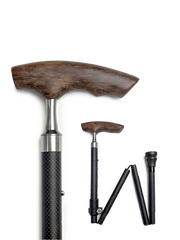
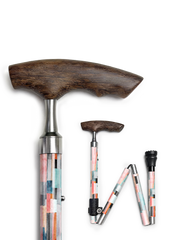
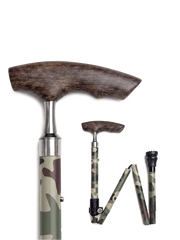






Lightweight walking canes help people move with more confidence while reducing the effort of carrying a mobility aid throughout the day. Whether you need a lightweight cane for seniors, a folding walking cane for travel, or an adjustable walking stick for temporary support, the best choice combines proper fit, dependable stability, a comfortable handle, and a durable non-slip tip.
A lightweight walking cane is not simply the lightest model available. It should feel easy to lift, place, carry, store, and use without sacrificing the structural support needed for your body weight, walking environment, and mobility needs. For many people, an aluminum walking cane offers a practical balance of affordability and adjustability, while a carbon fiber cane can reduce carrying weight for frequent travelers and active daily users.
Lightweight Walking Canes: What Makes a Cane Easy to Use?
The best lightweight walking canes are designed to provide balance support without making the user feel weighed down. A cane that is too heavy can increase hand fatigue, shoulder strain, and discomfort during longer walks. A cane that is too light for the user’s needs, however, may not offer the sense of stability they expect.
Most lightweight canes use aluminum, carbon fiber, fiberglass, or a hybrid construction. Aluminum is common because it is durable, corrosion resistant, height adjustable, and economical. Carbon fiber walking canes are often lighter and can feel exceptionally responsive, making them popular for travel, commuting, shopping, appointments, and outdoor walking.
A well-made lightweight walking stick should include an ergonomic cane handle, an adjustable height mechanism, a secure shaft, and a rubber cane tip with reliable traction. If portability is a priority, a collapsible cane or folding cane can fit inside a carry-on bag, tote, backpack, vehicle door pocket, or under-seat storage area.
Lightweight Cane Market Trends and Mobility Data
Demand for lightweight mobility aids continues to grow as older adults, injury-recovery patients, travelers, and active users seek walking support that fits into independent everyday routines. Mobility products are shifting away from bulky medical-looking designs toward compact, adjustable, foldable, and style-conscious solutions.
Mayo Clinic notes that a properly selected cane can improve balance and mobility. Proper cane height is central to safe use: when standing upright with the arm relaxed at the side, the cane handle should generally align with the wrist crease. This positioning helps maintain a more natural elbow bend and reduces unnecessary strain on the wrist, shoulder, and back.
Modern folding walking canes commonly support approximately 250 to 300 pounds, although every user should verify the exact manufacturer-rated weight capacity. Industry product guides also show that lightweight aluminum canes frequently offer multi-height adjustment and four-section folding designs, while premium carbon fiber canes focus on minimal carry weight and travel-friendly storage.
For shoppers comparing cane weight, a practical lightweight range is often under 1 pound. Ultra-light carbon fiber cane designs may weigh around 11 to 13 ounces, while many adjustable aluminum walking canes remain light enough for everyday use and may provide a stronger value for users who prioritize durability over minimum weight.
Best Lightweight Walking Cane Types for Every Need
Choosing the best walking cane depends on where, how often, and why it will be used. A single-point cane may be ideal for daily indoor support, while a quad cane can provide a wider base for people who need greater standing stability. A folding cane is especially useful for travel, restaurants, airports, medical offices, concerts, cruise travel, and errands.
Carbon Fiber Cane vs Aluminum Walking Cane
Carbon fiber and aluminum are the two most searched materials for lightweight walking canes. Each can be an excellent choice, but they serve different priorities. The better material is the one that matches your walking routine, budget, comfort needs, and expected carrying time.
A carbon fiber walking cane may be the best lightweight cane for someone who walks long distances, travels frequently, uses public transportation, or needs to carry a cane while seated. Aluminum may be the better choice for users who want a reliable adjustable walking cane with a lower upfront cost and broad accessory compatibility.
How to Choose a Lightweight Walking Cane
Start with stability rather than appearance. A stylish walking cane can be a positive personal accessory, but the correct mobility aid must first support safe movement. Consider the surface you walk on, whether you need a cane indoors and outdoors, how frequently the cane will be carried, and whether hand pain affects your grip.
Find the Right Adjustable Cane Height
Proper cane sizing matters as much as cane material. A cane that is too tall can cause the shoulder to lift and the elbow to straighten excessively. A cane that is too short can force the user to lean down, place excess load through the spine, and compromise posture.
Stand in your usual walking shoes with your arms relaxed naturally at your sides. The top of the cane should generally reach the crease of your wrist. When holding the handle, your elbow should have a gentle bend rather than being locked straight.
For most users, an adjustable walking cane is the simplest option because it can be fine-tuned for footwear changes, recovery progress, posture preferences, and different walking surfaces. Always follow the manufacturer’s adjustment instructions and ensure the push button or locking collar is fully engaged before use.
Choose the Best Cane Handle
A cane handle affects comfort, leverage, hand pressure, and confidence. The wrong grip can make even the lightest walking cane feel uncomfortable after a short distance.
A derby cane handle is curved and familiar, making it convenient for users who like to rest the cane over an arm or chair. An offset cane handle is designed to help place body weight more directly over the shaft. A foam grip cane can feel softer in the hand, while an ergonomic palm grip may be helpful for people with arthritis, joint pain, reduced hand strength, or recurring palm pressure.
Right-hand and left-hand ergonomic cane handles are not interchangeable in many designs. If you are buying a molded comfort grip, choose the correct side for the hand that will hold the cane.
Select a Reliable Cane Tip
The rubber cane tip is one of the most important safety features of a lightweight mobility cane. A worn, cracked, smooth, loose, or uneven tip can reduce traction on tile, hardwood, pavement, ramps, wet sidewalks, and store floors.
A standard rubber tip is appropriate for many indoor and paved outdoor environments. A wider stability tip can help the cane stand upright and may increase the contact area with the ground. A pivoting cane tip can maintain more contact on uneven terrain, while an ice cane tip can offer extra grip in winter conditions when used correctly.
Inspect the tip regularly. Replace it when the tread is worn, the rubber becomes hard, the base tilts, or the shaft begins to show through the bottom.
Folding Walking Canes for Travel and Storage
A lightweight folding cane gives users the freedom to keep walking support nearby without carrying a full-length mobility aid all day. A collapsible walking cane is useful when a person only needs assistance occasionally, such as after prolonged standing, during airport connections, while navigating a large event venue, or when fatigue increases later in the day.
The best folding walking cane should unfold quickly and lock into a straight, secure position. Look for firm joints, a stable shaft, a comfortable grip, and a carrying case that protects the cane from scratches and loose items in a bag. A folding cane should never be used until every section is fully extended and correctly engaged.
Travelers should also consider folded length. A compact folding walking cane that fits within a day bag is easier to bring along than a standard cane that must be held continuously. If travel includes uneven walkways, cobblestones, cruise ship decks, rain, or long terminal walks, choose a model with a high-traction cane tip and a manufacturer-rated capacity that exceeds your needs.
Paiseec Mobility, founded in 2021, develops mobility solutions that focus on convenience, safety, and independent travel. Its mobility product approach combines research-led design, user support, and practical accessories intended to help people move more freely in everyday environments.
Lightweight Walking Canes for Seniors
The best lightweight walking cane for seniors should reduce effort without reducing confidence. Many seniors prefer an adjustable aluminum cane because it is easy to customize and typically provides a familiar, steady feel. Others prefer a lightweight folding cane for travel, medical appointments, family visits, and outings where storing a full-length cane can be inconvenient.
A cane for elderly users should not be selected by age alone. One person may need only mild balance support after an injury, while another may need a cane for arthritis, hip pain, knee pain, stroke recovery, neuropathy, or reduced lower-body strength. A physical therapist, occupational therapist, physician, or rehabilitation professional can help determine whether a single-point cane, quad cane, walker, rollator, or another mobility device is most appropriate.
Comfort is especially important for long-term daily use. An ergonomic walking cane with a contoured handle can reduce localized hand pressure. A self-standing cane may prevent unnecessary bending to pick up a fallen cane. A lightweight adjustable cane with a wrist strap can also reduce the chance of dropping it during shopping, travel, or transitions from standing to sitting.
Using a Walking Cane Correctly for Balance
For many people with weakness or pain on one side of the body, the cane is used in the hand opposite the affected leg. For example, if the right knee or right hip is painful, hold the cane in the left hand and move the cane forward with the right leg. This can help transfer some support through the cane during the step.
Move the cane and affected leg forward together, then step through with the stronger leg. Keep the cane close enough to support balance without reaching too far ahead. Avoid using a lightweight cane as a substitute for a prescribed walker or other device when more extensive support is needed.
On stairs, many rehabilitation professionals use the phrase “up with the stronger leg, down with the weaker leg.” When going up, step first with the stronger leg, then bring the cane and weaker leg up. When going down, place the cane down first, then move the weaker leg, followed by the stronger leg. Use railings whenever available and follow advice from your care provider for your individual condition.
Lightweight Cane Safety Features That Matter
A lightweight cane must be stable enough for its intended use. Weight savings are valuable only when the shaft, handle, adjustment system, and cane base remain dependable under normal walking load.
Look for these practical features when shopping for a lightweight walking cane:
-
A clearly stated user weight capacity
-
A securely locking height adjustment system
-
A durable aluminum or carbon fiber shaft
-
A handle that does not cause wrist pain or finger pressure
-
A non-slip rubber tip with visible tread
-
A stable folding mechanism for travel cane users
-
A wrist strap for people who frequently release the handle
-
A reflective detail for night walking or low-light conditions
-
Replacement cane tips that are easy to find
-
A warranty and accessible customer support
Avoid relying on a cane that rattles, bends, feels loose at the joints, slips on smooth flooring, or has a handle that rotates under pressure. If a cane becomes damaged after a fall, hard impact, or extended wear, replace it before resuming regular use.
Lightweight Walking Cane Comparison Matrix
Real-World Benefits of a Lightweight Cane
A lightweight walking cane can deliver measurable quality-of-life benefits when it is correctly fitted and used consistently. The most immediate benefit is reduced effort while carrying or lifting the cane. For someone who repeatedly moves between a car, office, store, home, and public spaces, even a few ounces can make the device easier to keep nearby rather than leave behind.
Consider a traveler who experiences knee discomfort after long airport walks. A foldable lightweight cane can remain packed in a personal bag during seated travel, then be unfolded before a long terminal connection. The practical return is not only reduced carrying burden; it can also mean fewer pauses, more predictable pacing, and greater confidence navigating crowds.
For a daily user with hand fatigue, switching from a poorly fitted straight-handle cane to a properly sized lightweight cane with an ergonomic grip may reduce pressure points and encourage safer technique. The value comes from comfort, consistency, and the ability to use a mobility aid before fatigue becomes severe.
Lightweight Cane Technology and Design
Cane technology has improved beyond basic wooden walking sticks. Modern mobility cane designs may use aerospace-grade aluminum, carbon fiber tubing, reinforced folding joints, anti-corrosion finishes, shock-reducing components, molded grips, and multi-surface cane tips.
Carbon fiber technology allows a lightweight cane shaft to remain strong and rigid while minimizing total carry weight. Aluminum technology supports broad adjustability and practical affordability. Folding cane technology uses segmented shafts connected through elastic cords or locking mechanisms, allowing the cane to collapse into a compact package.
Handle engineering has also become more important. A cane handle should align with the hand and distribute force in a way that feels natural during repeated steps. Ergonomic grips, offset shafts, gel-style surfaces, and palm-shaped contours can improve comfort for some users, though the best design depends on the person’s hand size, grip strength, and medical needs.
Smart mobility products may eventually include fall detection, location awareness, connected alerts, posture feedback, and wear monitoring for cane tips. These features should enhance, rather than complicate, the core purpose of a cane: stable, intuitive support for walking.
How to Maintain a Lightweight Walking Cane
Regular care extends the useful life of a lightweight cane and helps preserve safety. Wipe the shaft, handle, and tip with a soft cloth after wet-weather use. Remove dirt from the tip tread, especially after walking on gravel, salt, mud, or uneven trails.
Check an adjustable cane monthly to ensure the height button still locks completely into the selected hole. On a folding walking cane, inspect each joint and connection before travel or extended use. If the cane creaks, rattles, twists, or no longer locks straight, do not rely on it until it has been inspected or replaced.
Store a folding cane dry and avoid leaving it exposed to extreme heat, direct sun for long periods, or heavy objects that could damage the shaft. Keep replacement rubber cane tips available so a worn tip does not turn into an avoidable safety problem.
Lightweight Walking Cane FAQs
What is considered a lightweight walking cane?
A lightweight walking cane generally weighs under 1 pound. Carbon fiber canes are often among the lightest options, while aluminum canes provide a strong balance of low weight, adjustability, and durability.
Are folding walking canes strong enough for daily use?
Many folding walking canes are designed for daily use, but strength varies by model. Confirm the stated weight capacity, inspect the locking system, and make sure every section is fully connected before walking.
Is carbon fiber better than aluminum for a cane?
Carbon fiber is usually lighter and may be better for frequent carrying or travel. Aluminum is often more affordable, widely adjustable, and highly practical for everyday balance support.
How do I know if my cane is the right height?
When standing upright with your arm relaxed at your side, the cane handle should typically reach the crease of your wrist. Your elbow should bend slightly when holding the handle.
Which hand should hold a walking cane?
For many conditions affecting one leg, hold the cane in the hand opposite the weaker, injured, or painful leg. Individual needs can differ, so follow guidance from a healthcare professional when recovering from surgery, stroke, or a significant injury.
Can a lightweight cane help with arthritis?
A lightweight cane may reduce carrying effort, while an ergonomic cane handle may reduce hand pressure. People with arthritis should prioritize a comfortable grip, correct height, stable tip, and professional guidance when needed.
How often should I replace a cane tip?
Replace a cane tip when the tread is worn, rubber is cracked or hardened, the base becomes uneven, or the metal shaft begins to show through. Regular inspection is essential for preventing slips.
Future Trends in Lightweight Walking Canes
The future of lightweight walking canes will focus on personalization, portability, safety, and discreet everyday design. More users will expect compact folding cane options that fit modern travel habits, premium materials that reduce carry weight, and ergonomic handles designed around real hand comfort rather than generic shapes.
Carbon fiber walking canes are likely to become more accessible as lightweight materials and manufacturing processes mature. Adjustable cane designs may offer more refined height settings, quieter locking systems, replaceable components, and improved cane tips for mixed indoor and outdoor environments.
Mobility accessories will also become more user-centered. Expect more self-standing cane bases, weather-ready cane tips, compact travel sleeves, low-light visibility details, and handle designs that better support users with arthritis, neuropathy, reduced grip strength, and long-term mobility needs.
The right lightweight walking cane should make daily movement feel more manageable, not more complicated. Choose the correct height, a secure structure, a comfortable grip, and a tip suited to your regular walking surfaces, then make the cane part of your routine before you need extra support.
Leave a comment
This site is protected by hCaptcha and the hCaptcha Privacy Policy and Terms of Service apply.