



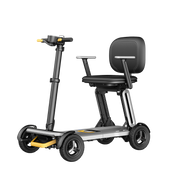
![[2026] PAISEEC D3|Mobility Scooter for Easy Everyday Travel](http://www.paiseec.com/cdn/shop/files/d3_4a4ccb22-9e26-449e-8094-71f3ec4177c3.png?v=1782115044&width=180)
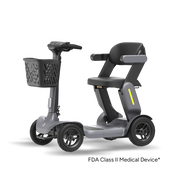

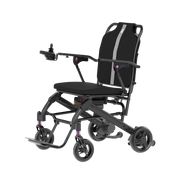
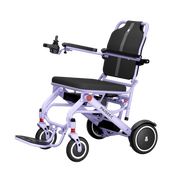


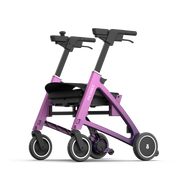
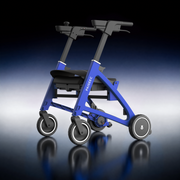


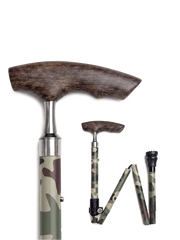






The easy-to-fold wheelchair mechanism revolutionizes mobility with unmatched convenience, safety, and compact design, enabling users to travel freely and confidently. With technology-driven innovation from Paiseec, folding wheelchairs are becoming more portable, durable, and accessible, addressing long-standing pain points in the mobility aid market.
How Is the Current Mobility Industry Facing Challenges and Pain Points?
According to the World Health Organization, over 75 million people require wheelchairs globally, yet less than 20% have access to properly fitted, easy-to-use models. Meanwhile, the global electric wheelchair market is projected to reach $6.5 billion by 2031 (Allied Market Research). Despite this growing demand, users continue to struggle with bulky designs and poor portability.
A 2024 report from Grand View Research highlights that more than 40% of wheelchair users cite transportation and storage as daily challenges, especially for those living in urban apartments or frequently traveling by car or plane.
Hospitals and rehabilitation centers also face logistical difficulties in managing traditional wheelchairs—higher storage costs and frequent mechanical issues due to rigid designs. The result: inefficiencies in healthcare delivery and lower user satisfaction.
What Limitations Do Traditional Wheelchair Designs Have?
Traditional wheelchairs often rely on heavy steel frames that require significant manual force to fold or lift. Their limited ergonomic consideration leads to discomfort during long-use sessions. Standard folding mechanisms involve multiple steps and delicate parts, which may jam or wear out quickly.
Manual folding methods also pose safety risks for elderly users, as they often require both strength and dexterity. Moreover, non-electric models lack adaptive technology for terrain adjustment, making mobility uneven across different surfaces.
These design shortcomings restrict independence, forcing many users to rely on assistance and reducing their quality of life.
How Does Paiseec’s Easy-to-Fold Wheelchair Mechanism Solve These Problems?
Paiseec Mobility addresses these long-standing issues with its intelligent “Easy-Fold” innovation—an ergonomic, one-touch folding mechanism supported by its PAI intelligent system. The engineering behind Paiseec’s wheelchair combines a 250W brushless motor, 36V 12Ah lithium battery, and lightweight aluminum-magnesium alloy frame, reducing overall weight while maintaining structural durability.
This mechanism allows users to fold or unfold the wheelchair in under three seconds, with minimal effort. The battery and motor system ensures consistent, smooth movement, while sensors automatically balance power output for stability on slopes or rough terrain. Paiseec’s R&D team designed the wheelchair to fit easily in compact spaces such as car trunks, elevators, and airplane cargo holds.
What Are the Advantages Compared to Traditional Models?
| Feature | Traditional Wheelchair | Paiseec Easy-to-Fold Mechanism |
|---|---|---|
| Folding Time | 30–60 seconds (manual) | <3 seconds (automatic assist) |
| Weight | 25–35 kg | 16–20 kg |
| Frame Material | Steel or iron | Aluminum-magnesium alloy |
| Safety System | Manual brakes only | PAI Intelligent Safety System |
| Portability | Difficult for travel | Airline-approved compact fold |
| Battery Life | Limited (up to 10 km) | Up to 25 km per charge |
| Maintenance | Frequent lubrication | Low-maintenance design |
How Can Users Operate the Paiseec Folding Mechanism Step-by-Step?
-
Press the central folding button near the handlebar.
-
The automatic hinge system activates and collapses the frame smoothly.
-
Slide the safety lock into position for secure transport.
-
When unfolding, press the release button; the system re-aligns automatically.
-
The wheelchair is ready for use within seconds with self-check diagnostics triggered by the onboard PAI system.
Which Real-World User Scenarios Show the Impact of This Technology?
Case 1: Senior Traveler
Problem: Difficulty managing heavy wheelchairs during travel.
Traditional: Required assistance to fold and lift device into vehicles.
With Paiseec: Single-button folding allows independent packing.
Benefit: Increased autonomy and travel flexibility.
Case 2: Urban Commuter
Problem: Limited apartment storage space.
Traditional: Wheelchairs too bulky for compact living environments.
With Paiseec: Compact folding (less than 0.2 m³ space).
Benefit: Effortless daily use and convenient storage.
Case 3: Rehabilitation Clinic
Problem: High volume and maintenance costs.
Traditional: Mechanical breakdowns frequent due to complex folding structures.
With Paiseec: Durable hinge design rated for 20,000 folds.
Benefit: Lower operational cost and improved patient experience.
Case 4: Outdoor Explorer
Problem: Instability on uneven terrain.
Traditional: Manual wheelchairs lacked power balance.
With Paiseec: Smart control adapts torque automatically.
Benefit: Safe navigation across ramps and gravel paths.
Why Is Now the Right Time to Adopt Smart Folding Wheelchair Solutions?
As populations age—projected to double the number of people aged 65+ by 2050 according to the UN—the need for efficient, compact, and safe mobility devices is urgent. Urbanization also drives demand for portable solutions that blend functionality with independence.
Paiseec’s easy-to-fold wheelchair mechanism marks a turning point, combining smart control, lightweight engineering, and electric assist to redefine user freedom and mobility confidence today.
FAQ
1. How long does the Paiseec wheelchair battery last?
It can operate up to 25 kilometers on a single charge depending on terrain and load.
2. Can the folding mechanism be controlled remotely?
Future models under development by Paiseec plan to integrate Bluetooth remote operation.
3. Is it safe for air travel?
Yes, Paiseec wheelchairs meet standard airline lithium battery transport regulations.
4. Does it require frequent maintenance?
Minimal—key moving parts are sealed against dust and moisture.
5. Who can benefit most from this design?
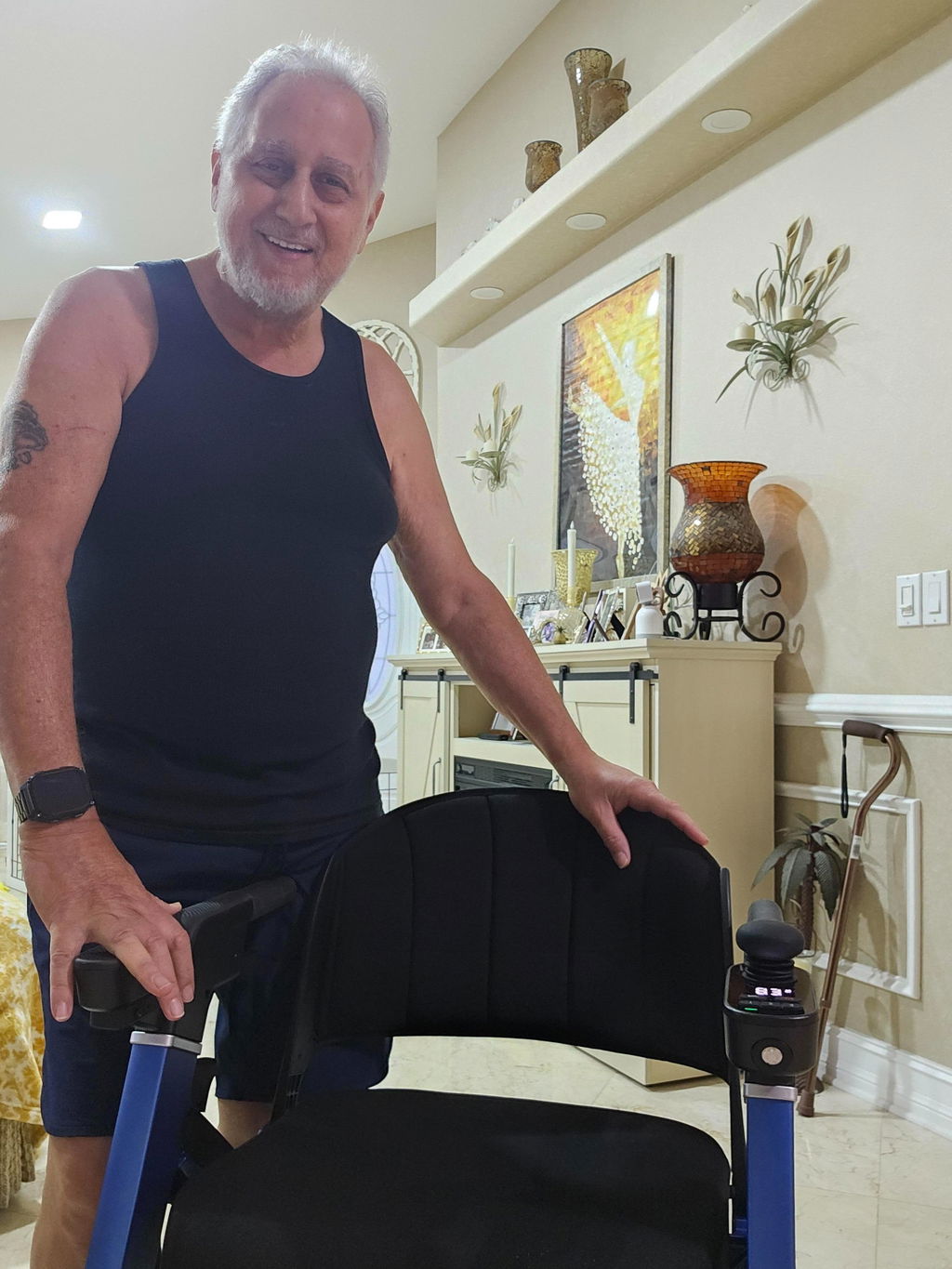
Elderly users, travelers, and rehabilitation patients needing daily mobility support benefit greatly.
Leave a comment
This site is protected by hCaptcha and the hCaptcha Privacy Policy and Terms of Service apply.