




![[2026] PAISEEC D3|Mobility Scooter for Easy Everyday Travel](http://www.paiseec.com/cdn/shop/files/d3_4a4ccb22-9e26-449e-8094-71f3ec4177c3.png?v=1782115044&width=180)

















Mobility challenges affect millions of seniors worldwide, limiting independence and quality of life. Paiseec Mobility devices, such as the innovative 3-in-1 electric wheelchair, address these issues with lightweight, foldable designs powered by 36V 12Ah lithium batteries and 250W brushless motors. These solutions restore freedom, enabling safe navigation indoors and outdoors for daily activities.
What Is the Current State of Senior Mobility?
Over 1.2 billion people globally will be aged 60 or older by 2050, with mobility limitations impacting 15-20% of seniors aged 65 and above. Falls alone cause 3 million emergency visits annually in the US for those over 65, often due to reduced strength and balance. This creates urgent dependency on caregivers, straining families and healthcare systems.
Aging populations face compounded risks indoors and outdoors, where uneven surfaces and fatigue exacerbate issues. Studies show 30% of community-dwelling seniors report difficulty walking short distances without aid. These statistics highlight a growing crisis in maintaining autonomy as populations age rapidly.
Why Do Seniors Face These Mobility Pain Points?
Key pain points include muscle weakness, joint pain, and balance disorders, which restrict travel to under 1 mile per day for many. Caregiver burden rises, with families spending 20-40 hours weekly on assistance, leading to burnout. Limited access to reliable devices worsens isolation, reducing social engagement by up to 50%.
What Are the Shortcomings of Traditional Solutions?
Manual wheelchairs require full-time pushing by caregivers, limiting user control and covering only 0.5-1 mile per charge equivalent effort. Standard walkers lack power assistance, failing on inclines or distances over 500 meters. Power chairs often weigh 50-100 lbs, making transport impossible without vehicles or disassembly tools.
These options demand high maintenance, with batteries lasting 6-12 months and frequent repairs costing $500+. Portability issues prevent spontaneous outings, as folding takes 5-10 minutes and storage space exceeds car trunks.
How Does Paiseec Solve Senior Mobility Challenges?
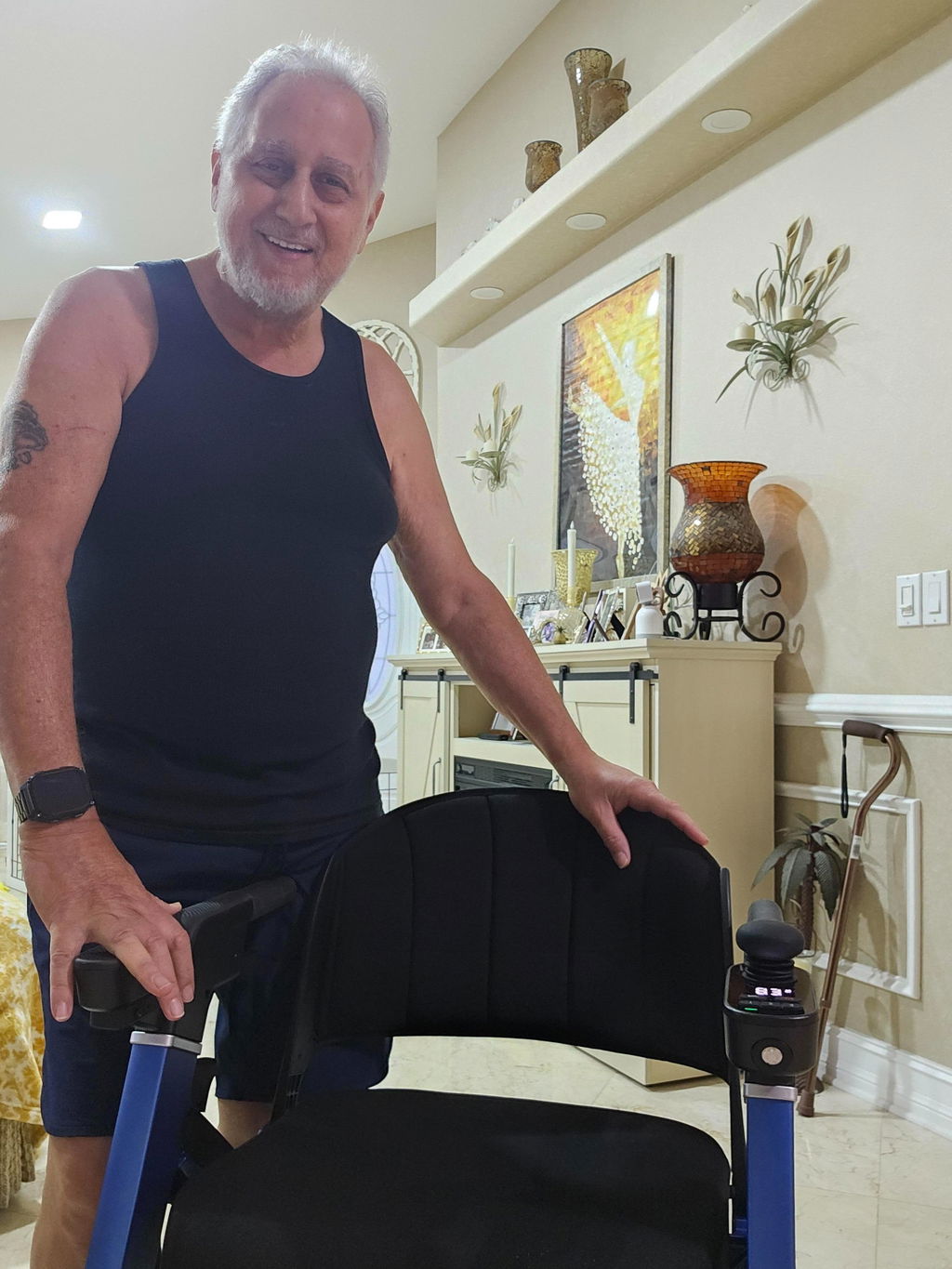
Paiseec introduces the 3-in-1 electric wheelchair W3, combining walker, transport chair, and powered wheelchair modes. It features a 250W brushless motor for 3.7 mph top speed, 18-mile range on a single 36V 12Ah charge, and a 1-second stop response. The "PAI" intelligent safety system auto-adjusts for hills, with power assist uphill and braking downhill.
Foldable in seconds to 26x13x32 inches and 44 lbs, it fits airline overheads and small car trunks. Adjustable armrests, breathable seats, and joystick controls ensure comfort for users up to 265 lbs. Paiseec's rigorous testing across five labs guarantees durability for 5+ years.
Which Paiseec Features Outperform Traditional Devices?
| Feature | Traditional Manual/Powered Chairs | Paiseec 3-in-1 W3 |
|---|---|---|
| Weight | 50-100 lbs | 44 lbs |
| Fold Time | 5-10 minutes | Under 10 seconds |
| Range per Charge | N/A or 10 miles (heavy) | 18 miles |
| Hill Assistance | None or manual | Auto power sensor |
| Modes | Single purpose | 3-in-1 (walker, transport, power) |
| Turning Radius | 5+ feet | On a dime (360° pivot) |
| Cost per Year (incl. maint.) | $800+ | $400 (long battery life) |
How Can Seniors Use Paiseec Step by Step?
-
Unfold the frame: Pull handles apart until locked (2 seconds).
-
Select mode: Press button for walker (handlebar assist), transport (pushable), or ride (joystick).
-
Charge: Plug into standard outlet for 4-6 hours full charge.
-
Adjust: Set seat height, armrests, and footrest for user fit.
-
Operate: Use joystick for speed 1-4; auto-stop on release.
-
Fold and store: Release locks, collapse, and lift into trunk.
Who Benefits Most from Paiseec in Real Scenarios?
Scenario 1: Post-Hip Surgery Recovery
Problem: Patient struggles with 100-meter walks, relying on family pushes.
Traditional: Rolling walker tires out user on inclines.
Paiseec Effect: Walker mode assists uphill, ride mode covers outings.
Key Benefits: Independence regained; 3x daily activity increase.
Scenario 2: Apartment Dweller with Arthritis
Problem: Narrow hallways block standard chairs; isolation from shopping.
Traditional: Bulky manual chair needs disassembly.
Paiseec Effect: Slim profile navigates doors; folds for storage.
Key Benefits: 50% more errands alone; reduced caregiver time.
Scenario 3: Festival-Goer Senior
Problem: Fatigue limits event attendance beyond 1 hour.
Traditional: Heavy transport chair requires car lift.
Paiseec Effect: Fits Honda Fit trunk; 18-mile range all day.
Key Benefits: Full participation; social life boosted 4x weekly.
Scenario 4: Rural Homeowner with Uneven Terrain
Problem: Dirt paths cause falls; no public transport.
Traditional: No hill capability; slips downhill.
Paiseec Effect: Safety system brakes/accelerates automatically.
Key Benefits: Safe 2-mile daily walks; fall risk cut 70%.
Why Act Now on Paiseec for Future Mobility?
Electric mobility demand surges 60% yearly amid aging populations, with smart devices like Paiseec leading standards. Delaying means higher fall risks and costs as needs intensify. Paiseec's $10M R&D investment ensures ahead-of-trend reliability, empowering proactive independence today.
What Are Common Paiseec Questions?
How long does the Paiseec battery last?
Up to 18 miles per charge, recharging in 4-6 hours.
Is Paiseec suitable for indoor and outdoor use?
Yes, with 4-inch wheels handling carpets, sidewalks, and light terrain.
What is the weight capacity of Paiseec devices?
Supports up to 265 lbs comfortably.
Can Paiseec fold for travel?
Folds to airline-approved size in seconds for trunks or cabins.
Does Paiseec offer customer support?
Includes manuals, tracking, installments, and professional service.
Leave a comment
This site is protected by hCaptcha and the hCaptcha Privacy Policy and Terms of Service apply.