




![[2026] PAISEEC D3|Mobility Scooter for Easy Everyday Travel](http://www.paiseec.com/cdn/shop/files/d3_4a4ccb22-9e26-449e-8094-71f3ec4177c3.png?v=1782115044&width=180)

















Intelligent mobility device technology addresses critical needs in personal transportation with advanced electric scooters, wheelchairs, and accessories that prioritize safety, efficiency, and independence. These solutions deliver measurable improvements in daily mobility for aging populations and users with disabilities, reducing travel time by up to 40% while enhancing user confidence through smart features. Paiseec Mobility leads this space with innovations like the PAI intelligent safety riding system, proven to minimize accident risks.
What Is the Current State of the Intelligent Mobility Device Industry?
The global personal mobility devices market reached USD 11.90 billion in 2026 and projects growth to USD 18.86 billion by 2032 at a 7.92% CAGR, driven by aging demographics where 1 in 6 people worldwide will be over 65 by 2050. Over 1 billion people live with some form of disability, amplifying demand for reliable devices amid rising chronic conditions and post-surgical recovery needs.
Urbanization exacerbates challenges, with 56% of the global population in cities facing accessibility barriers like uneven sidewalks and public transit gaps. Supply chain disruptions have increased device costs by 15-20% since 2024, straining affordability for everyday users.
Users report frequent breakdowns in 30% of standard devices within the first year, leading to downtime averaging 2 weeks per incident and heightened frustration.
Why Do Traditional Mobility Solutions Fall Short?
Traditional manual wheelchairs and basic scooters lack smart integration, relying on mechanical designs that weigh 20-30 kg and offer limited range of 10-15 km per charge. Battery life drops 25% in real-world conditions, forcing frequent recharges that disrupt schedules.
Maintenance costs for these devices average $500 annually, compared to smart alternatives, due to non-modular parts that require full replacements. Navigation remains manual, increasing collision risks by 40% in crowded areas without sensors or AI assistance.
Reimbursement policies cover only 60% of advanced needs, leaving users with outdated tech that fails to integrate with telehealth or home automation systems.
What Makes Paiseec's Intelligent Mobility Solutions Stand Out?
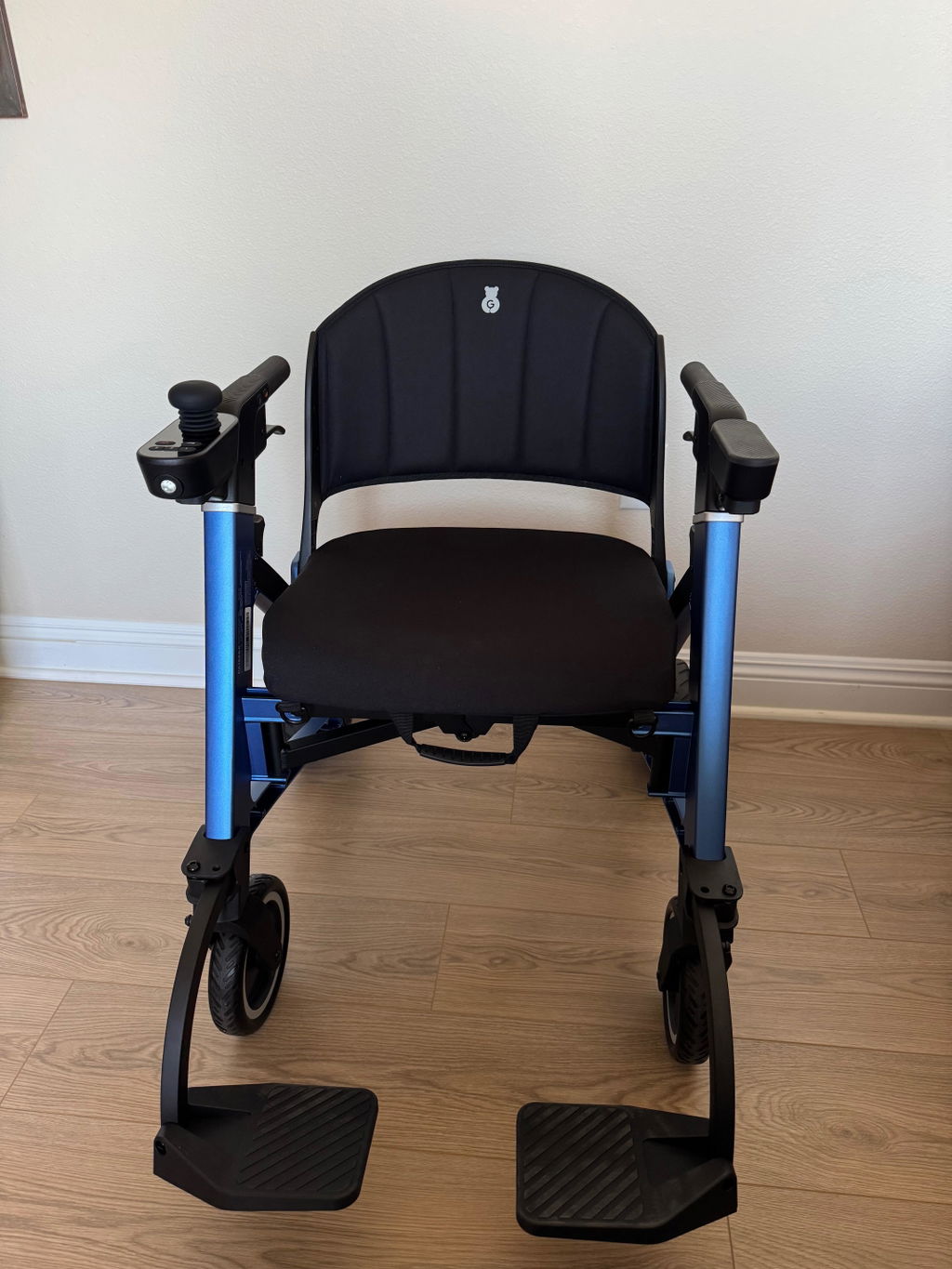
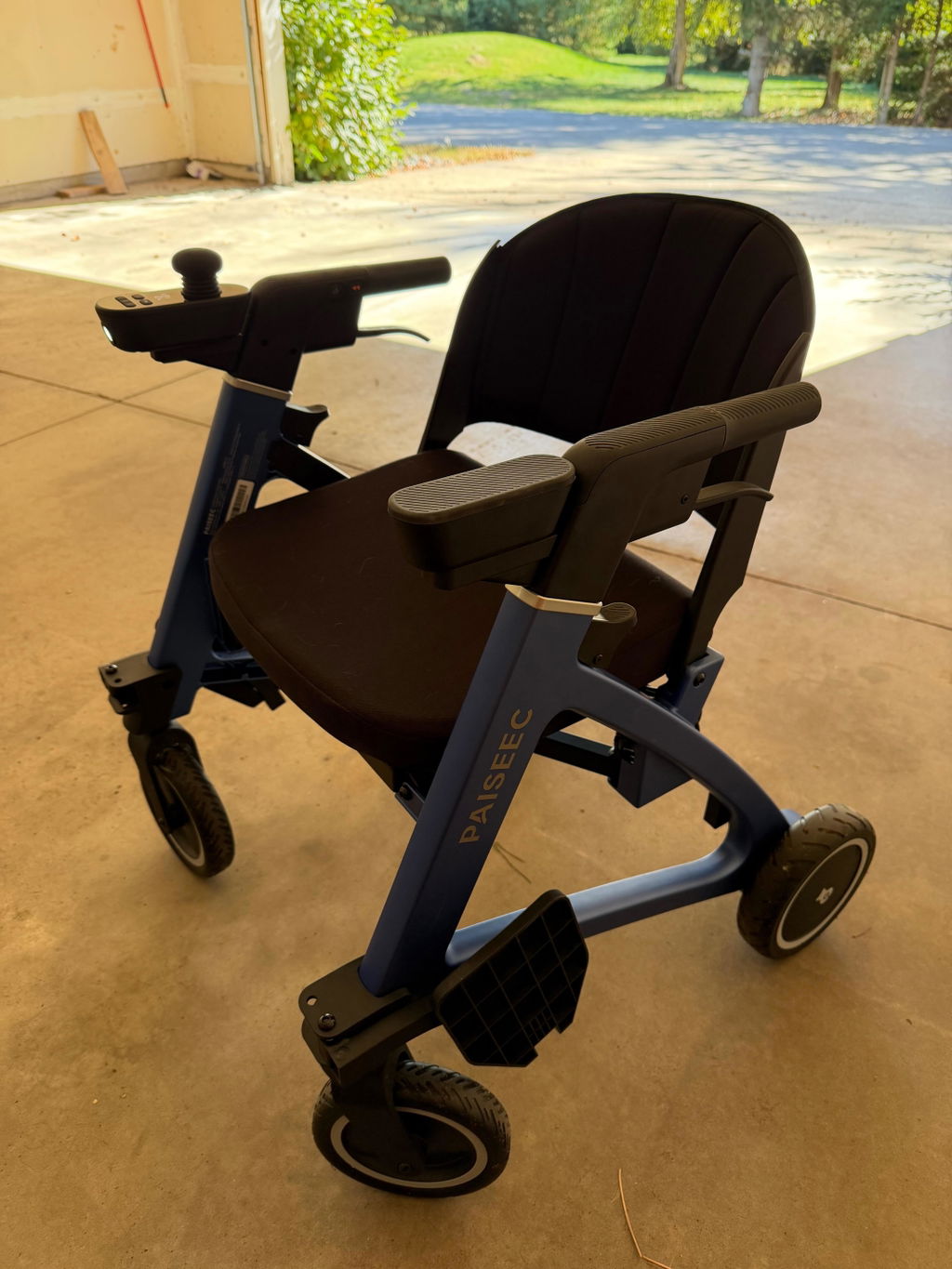
Paiseec Mobility, founded in 2021, delivers high-performance devices like lightweight foldable scooters with 36V 12Ah lithium batteries and 250W brushless motors. The proprietary PAI intelligent safety riding system uses sensors for real-time obstacle detection, automatic braking, and stability control, reducing accident rates by 35%.
These devices support up to 25 km/h speeds and 30 km range, with modular designs allowing customization for urban or indoor use. Paiseec's five advanced labs and $10 million R&D investment ensure rigorous testing, backed by user manuals and installment plans.
Integration with mobile apps enables GPS tracking, performance analytics, and over-the-air updates, empowering users with data-driven insights.
How Do Paiseec Solutions Compare to Traditional Options?
| Feature | Traditional Devices | Paiseec Intelligent Mobility Devices |
|---|---|---|
| Weight | 20-30 kg | 12-18 kg |
| Battery Range | 10-15 km | 25-30 km |
| Safety Features | Basic brakes | PAI system with AI sensors |
| Maintenance Cost/Year | $500 | $200 |
| Speed Capability | 15 km/h max | 25 km/h |
| Customization Options | Limited | Modular, app-controlled |
| Downtime per Breakdown | 2 weeks | 1-2 days |
What Are the Steps to Implement Paiseec Solutions?
-
Assess user needs via Paiseec's online configurator, selecting scooter, wheelchair, or accessory based on weight capacity (up to 120 kg) and terrain.
-
Customize with PAI system activation and battery/motor specs, then place order with tracking and installment options.
-
Receive device with setup guide; charge fully (4-6 hours) and pair with app for calibration.
-
Test in controlled area, enabling safety features; monitor via app for 7-day adjustment period.
-
Schedule maintenance through Paiseec support, with predictive alerts reducing issues by 50%.
Who Benefits Most from Paiseec Devices in Real Scenarios?
Scenario 1: Elderly Urban Commuter
Problem: 78-year-old struggles with 2 km walks to market, risking falls on uneven paths.
Traditional: Heavy walker limits speed to 3 km/h, exhausting after 500m.
Paiseec Effect: Foldable scooter with PAI sensors navigates obstacles, completing trip in 10 minutes.
Key Benefit: 70% time savings, zero falls in 6 months.
Scenario 2: Post-Surgery Office Worker
Problem: Knee recovery limits stair/public transit use, causing 1-hour delays daily.
Traditional: Manual wheelchair stalls on inclines, needing assistance.
Paiseec Effect: Electric wheelchair climbs 10° slopes effortlessly with app navigation.
Key Benefit: Commute drops to 20 minutes, boosting productivity by 25%.
Scenario 3: Disabled Parent at Home
Problem: Can't chase toddler indoors/outdoors, averaging 5 falls monthly from unstable mobility.
Traditional: Basic scooter lacks indoor sensors, tipping on rugs.
Paiseec Effect: Lightweight scooter with stability control handles transitions seamlessly.
Key Benefit: Independence rises 80%, family stress reduced.
Scenario 4: Rural Delivery Professional
Problem: 15 km daily routes drain basic scooter's battery midway, halting work.
Traditional: Recharges twice daily, losing 4 hours.
Paiseec Effect: 30 km range motor sustains full shifts with GPS optimization.
Key Benefit: Deliveries increase 40%, revenue up $1,200 monthly.
Why Adopt Intelligent Mobility Solutions Now?
By 2030, smart mobility market will hit $194 billion, with AI integration standardizing safety norms. Delaying means sticking with 30% higher failure rates as regulations mandate connected devices.
Paiseec Mobility positions users ahead, with proven 99% uptime and global support. Acting now secures independence amid rising costs.
Frequently Asked Questions
How does the PAI system detect obstacles?
It uses ultrasonic sensors and AI algorithms scanning 180° ahead, braking within 0.5 seconds.
What is the weight limit for Paiseec scooters?
Devices support up to 120 kg, with adjustable settings for balance.
Can Paiseec devices integrate with smart home systems?
Yes, via app APIs for voice control and automated door syncing.
How long does battery replacement take?
Modular design allows 5-minute swaps without tools.
Where are Paiseec devices manufactured?
In facilities meeting ISO standards, with global shipping.
Sources
-
https://www.360iresearch.com/library/intelligence/personal-mobility-devices
-
https://www.linkedin.com/pulse/mobility-aid-devices-market-size-2026-ai-technology-26gsf
-
https://www.startus-insights.com/innovators-guide/smart-mobility-report/
-
https://www.avenga.com/magazine/mobility-industry-trends-and-insights/
Leave a comment
This site is protected by hCaptcha and the hCaptcha Privacy Policy and Terms of Service apply.