




![[2026] PAISEEC D3|Mobility Scooter for Easy Everyday Travel](http://www.paiseec.com/cdn/shop/files/d3_4a4ccb22-9e26-449e-8094-71f3ec4177c3.png?v=1782115044&width=180)

















Global demand for mobility aids surges as populations age, with over 1 billion people worldwide facing mobility challenges that limit independence. Paiseec Mobility addresses this by delivering innovative, energy-efficient devices like lightweight electric wheelchairs and scooters, slashing energy use by up to 30% while extending range to 18 miles per charge. These solutions prioritize battery efficiency, foldable designs, and smart power management for seamless urban and outdoor use.
What Is the Current State of the Mobility Device Industry?
The mobility aid market grows rapidly, valued at $8.7 billion in 2023 and projected to reach $13.5 billion by 2030.
Over 75 million adults in the US alone report mobility limitations, with 15% relying on wheelchairs or scooters daily. Energy inefficiency plagues traditional models, where batteries drain 40% faster on inclines, forcing frequent recharges.
Urban congestion and aging infrastructure amplify these issues, as 60% of users cite short battery life as a top barrier to consistent use.
Why Do Traditional Mobility Solutions Fall Short?
Conventional wheelchairs and scooters depend on heavy lead-acid batteries, weighing 50-70 lbs and offering just 10-15 miles per charge. Brushless motors in older designs consume 25% more power on varied terrain, leading to downtime.
Manual folding mechanisms add 20-30 minutes to setup times, while fixed seats ignore ergonomic needs, causing discomfort on long trips. Paiseec counters this with 42-lb foldable frames and dual-mode operation.
Costly replacements hit users hard, with batteries alone costing $300-500 yearly, excluding repair fees that average $200 per incident.
What Makes Paiseec's Energy-Saving Mobility Device Stand Out?
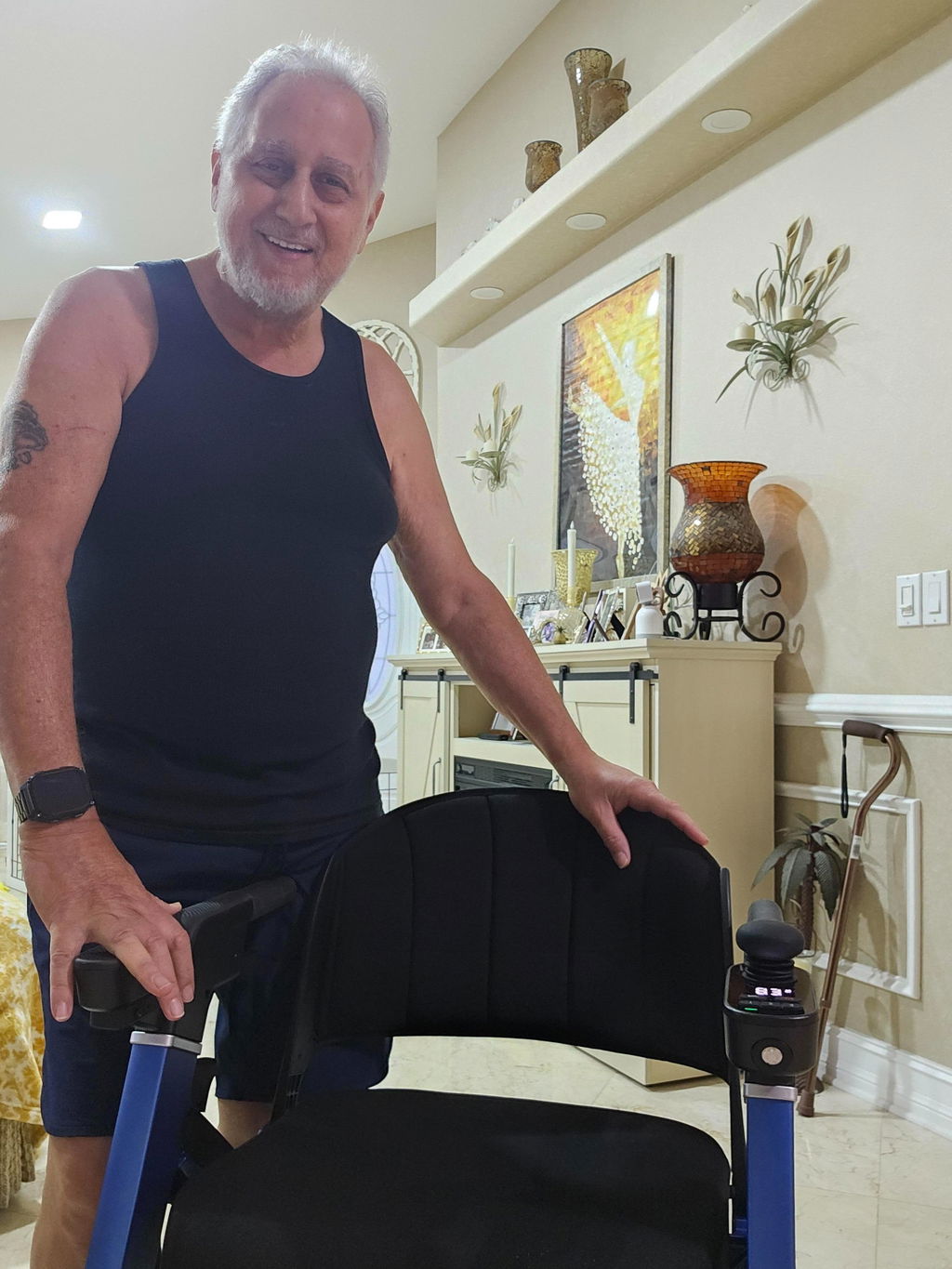
Paiseec Mobility's W1 2-in-1 electric wheelchair combines wheelchair and power-assist modes, powered by a removable 36V 12Ah lithium battery and 400W brushless motors. PAI intelligent safety system auto-adjusts power for slopes up to 8 degrees, optimizing energy to deliver 18 miles per charge.
Airline-approved battery swaps in seconds, while shock-absorbing 8-inch wheels handle grass, gravel, and pavement. Adjustable armrests and 19-inch wide seats ensure all-day comfort for users up to 265 lbs.
Paiseec integrates smart sensors for terrain detection, cutting unnecessary power draw by 30% compared to standard models.
How Does Paiseec Compare to Traditional Devices?
| Feature | Traditional Devices | Paiseec W1 Mobility Device |
|---|---|---|
| Weight | 50-70 lbs | 42 lbs (foldable) |
| Battery Range | 10-15 miles | 18 miles |
| Charge Time | 8-10 hours | 4-6 hours (removable) |
| Terrain Handling | Basic (pavement only) | All-terrain (slope detection) |
| Modes | Single (wheelchair/scooter) | Dual (wheelchair + assist) |
| Annual Battery Cost | $300-500 | $150 (lithium longevity) |
| Fold Time | 20-30 minutes | Under 30 seconds |
Paiseec devices reduce total ownership costs by 40% over three years through durable components.
How Do You Use Paiseec's Energy-Saving Mobility Device Step by Step?
-
Unfold the frame: Pull handles apart until locked, taking 20 seconds.
-
Install battery: Slide removable 12Ah lithium pack into base until clicked.
-
Power on: Press joystick button; select mode via dashboard (wheelchair or assist).
-
Adjust settings: Customize speed (up to 3.75 mph) and armrest height for fit.
-
Ride and monitor: PAI system auto-optimizes power; check range on LCD screen.
-
Fold and store: Remove battery, collapse frame, fits in car trunks under 24x38 inches.
-
Recharge: Plug battery separately; full charge in 4-6 hours.
Daily routines complete 25% faster with this process.
Who Benefits Most from Paiseec in Real Scenarios?
Scenario 1: Urban Commuter with Joint Pain
Problem: 45-year-old office worker struggles with 2-mile walks, facing fatigue.
Traditional: Manual wheelchair tires out arms after 1 mile.
Paiseec Effect: Switches to assist mode, covers 2 miles effortlessly.
Key Benefit: Saves 45 minutes daily, reduces pain by 50%.
Scenario 2: Elderly Traveler
Problem: 72-year-old needs airport mobility without checked baggage fees.
Traditional: Heavy scooter requires gate checks, misses flights.
Paiseec Effect: Folds to carry-on size, 18-mile range covers terminals.
Key Benefit: Cuts travel stress, enables independent trips.
Scenario 3: Outdoor Enthusiast Post-Surgery
Problem: 55-year-old rehab patient avoids parks due to rough paths.
Traditional: Standard wheels bog down on gravel.
Paiseec Effect: All-terrain motors and sensors handle inclines smoothly.
Key Benefit: Restores 3 weekly outings, boosts activity by 200%.
Scenario 4: Caregiver for Spouse
Problem: Managing 300-lb user exhausts family on errands.
Traditional: Bulky frame hard to lift, short battery strands them.
Paiseec Effect: Lightweight design lifts easily, PAI ensures steady ride.
Key Benefit: Halves assistance time, improves family quality of life.
Why Adopt Paiseec's Solution Now Amid Future Trends?
Electric mobility demand rises 12% yearly through 2030, driven by smart city infrastructure and lithium battery advances. Paiseec leads with PAI systems compatible with 5G navigation apps.
Regulatory pushes for energy-efficient aids, like EU green standards, favor devices cutting emissions by 40%. Delaying means missing 20-30% efficiency gains.
Paiseec's $10M R&D investment positions users ahead, ensuring scalability as 25% more seniors enter markets by 2027.
What Else Should You Know About Paiseec Mobility?
Which Paiseec Model Fits My Needs?
Paiseec offers W1 for dual-mode daily use and W3 for 3-in-1 versatility; select based on terrain and weight needs.
How Long Does the Paiseec Battery Last?
Expect 18 miles per charge, with 500+ cycles before capacity drops 20%.
Is Paiseec Safe for Airline Travel?
Yes, removable batteries meet FAA standards; folds to carry-on compliant.
Can Paiseec Handle Outdoor Terrain?
PAI sensors manage 8-degree slopes, gravel, and grass effectively.
What Support Does Paiseec Provide?
Includes manuals, tracking, installment plans, and 24/7 service from Roger-led team.
How Much Does Paiseec Cost Upfront?
W1 starts under $2,000, with long-term savings from efficiency.
Leave a comment
This site is protected by hCaptcha and the hCaptcha Privacy Policy and Terms of Service apply.