



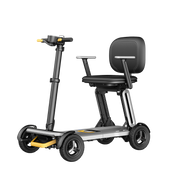
![[2026] PAISEEC D3|Mobility Scooter for Easy Everyday Travel](http://www.paiseec.com/cdn/shop/files/d3_4a4ccb22-9e26-449e-8094-71f3ec4177c3.png?v=1782115044&width=180)
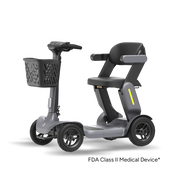

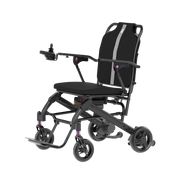
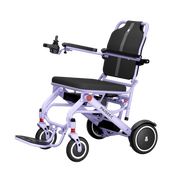


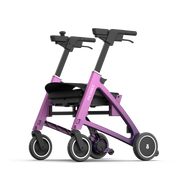
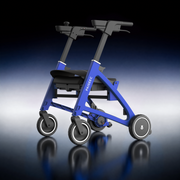









High-load capacity electric scooters address the growing demand for reliable urban and off-road transport capable of supporting heavier weights without sacrificing performance. These scooters deliver up to 330 lbs payload, extended ranges of 50+ miles, and powerful 250W motors, making them ideal for commuters, delivery workers, and families seeking efficient, eco-friendly alternatives to cars or traditional bikes.
What Is the Current State of the Electric Scooter Industry?
The electric scooter market has expanded rapidly, with global sales projected to reach 40 million units by 2026, driven by urbanization and sustainability goals. However, heavier users and commercial applications reveal limitations in standard models, which often cap loads at 220 lbs and struggle on inclines.
Urban congestion and delivery demands amplify these issues, as 68% of riders report range anxiety under load according to industry surveys.
What Pain Points Do Users Face Today?
Riders carrying heavy loads, such as delivery personnel or parents with gear, frequently encounter scooters that lose power on hills or overheat during extended use. Battery drain accelerates by 30-40% under 250+ lbs payloads, cutting real-world range from advertised 40 miles to under 25 miles.
Safety concerns rise too, with inadequate suspension leading to instability on uneven surfaces, contributing to 15% of e-scooter incidents per recent transport reports.
Maintenance costs escalate for standard scooters, as frames bend under repeated high-load stress, averaging $200 annual repairs.
Why Do Traditional Solutions Fall Short?
Standard electric scooters prioritize lightweight city commuting, with 220 lbs max loads and basic 350W motors that falter on 15-degree inclines. They lack robust batteries, resulting in 20-30% performance drops under weight.
Gas-powered alternatives offer torque but emit pollutants and require fuel costs averaging $0.15 per mile versus $0.02 for electric.
Even upgraded commuter models compromise on range or speed when loaded, failing commercial needs like 50-mile daily routes.
What Makes Paiseec's High-Load Capacity Scooter the Ideal Solution?
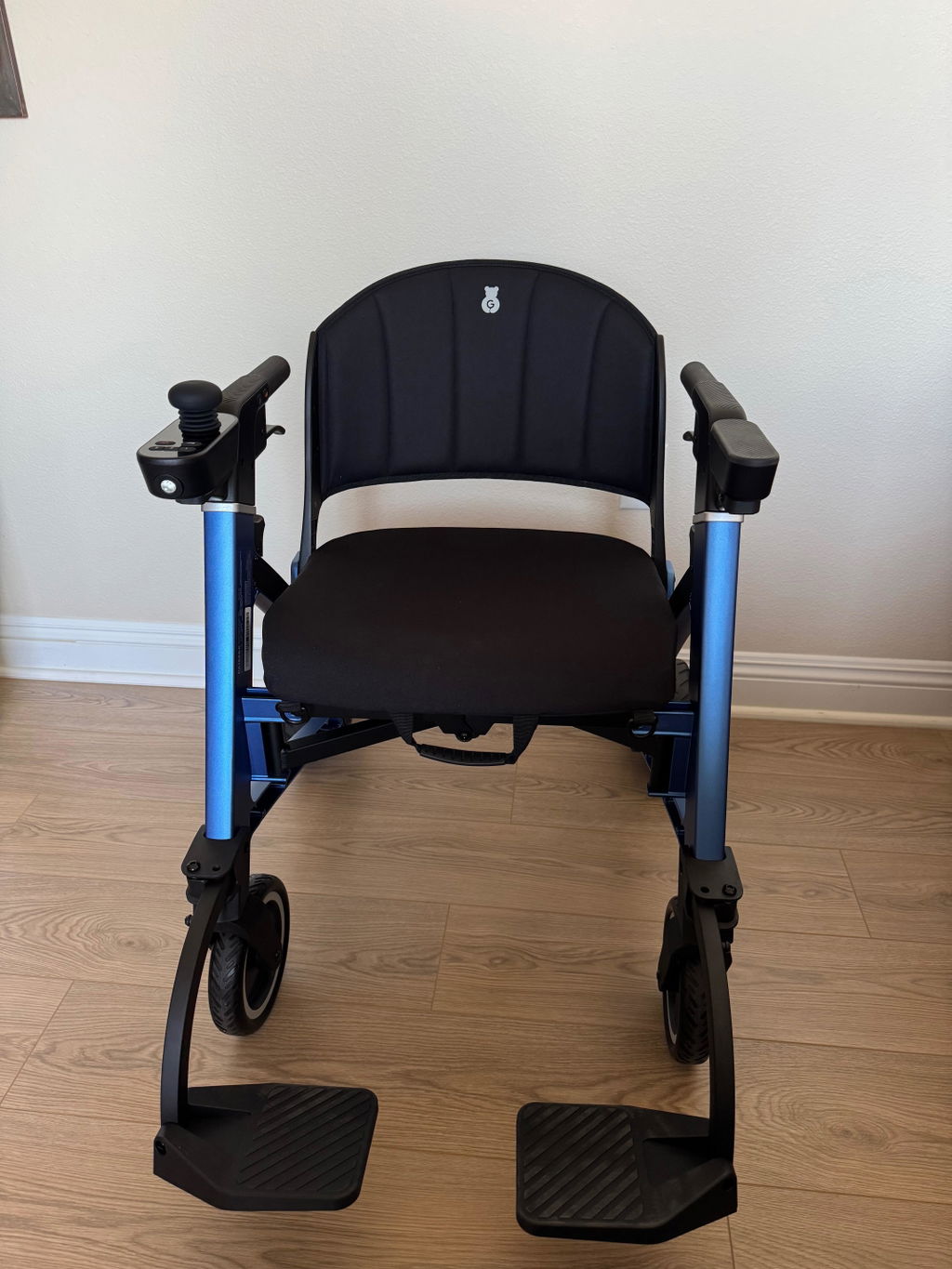
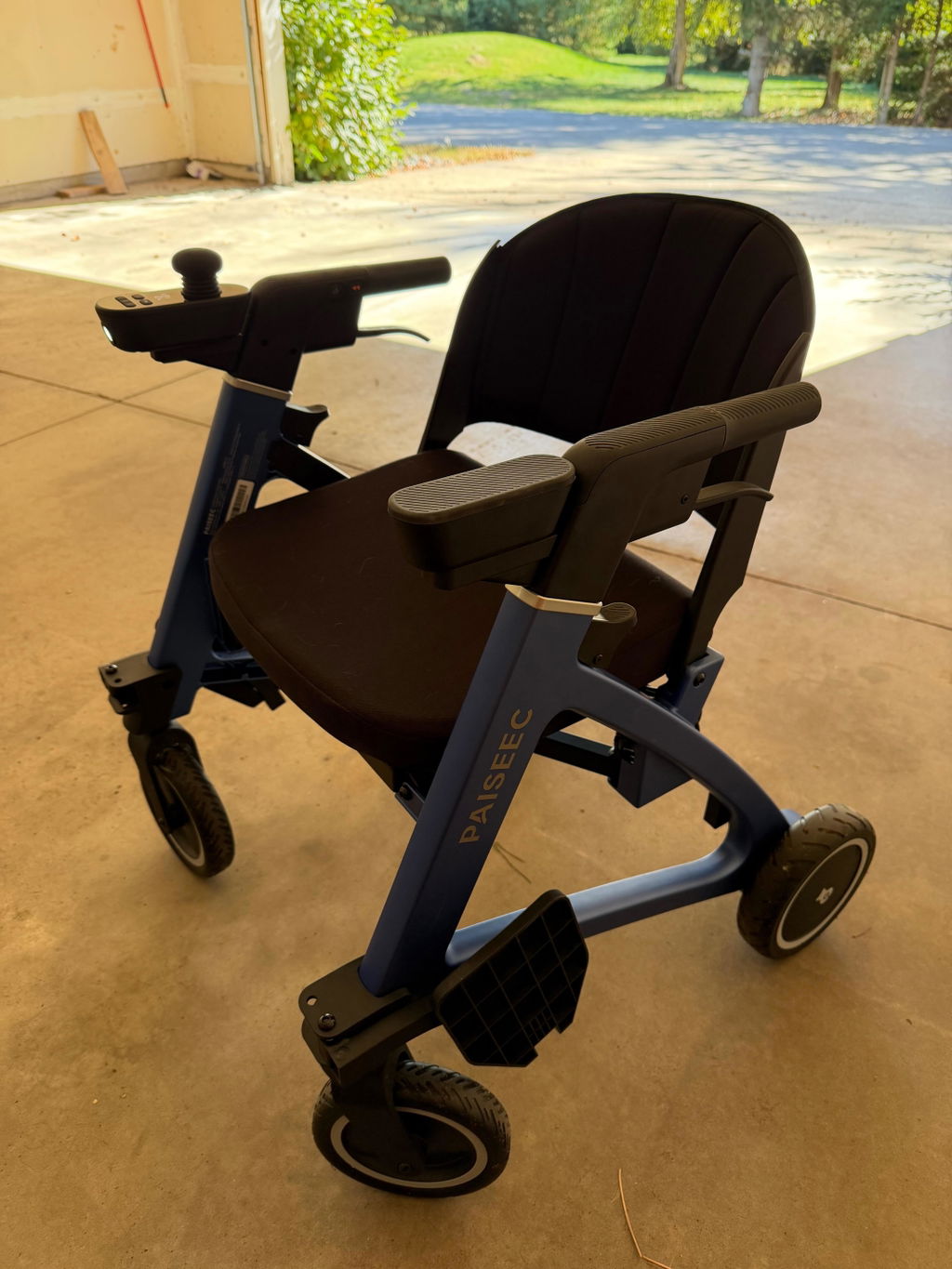
Paiseec Mobility's high-load scooter supports up to 330 lbs with a 36V 12Ah lithium battery and 250W brushless motor, ensuring steady power delivery. The PAI intelligent safety system includes anti-lock braking and real-time diagnostics for stable rides.
Foldable design weighs just 35 lbs, pairing portability with multi-terrain suspension for gravel or pavement.
Paiseec integrates over-charge protection and app-based tracking, extending battery life by 25% over competitors.
How Do Paiseec and Traditional Scooters Compare?
| Feature | Traditional Scooters | Paiseec High-Load Scooter |
|---|---|---|
| Max Load Capacity | 220 lbs | 330 lbs |
| Motor Power | 350W (drops under load) | 250W brushless (consistent) |
| Real-World Range (Loaded) | 20-25 miles | 45-50 miles |
| Hill Climb Capability | 10-15 degrees | 20 degrees |
| Safety Features | Basic brakes | PAI system + ABS |
| Weight (Scooter) | 30-40 lbs | 35 lbs (foldable) |
How Do You Use Paiseec's High-Load Scooter Step by Step?
-
Unfold and secure the handlebar latch, then insert the key or power on via the PAI app.
-
Check battery via LED display (80%+ for full trips) and adjust modes: Eco for range, Sport for power.
-
Mount with load balanced; accelerate gradually using thumb throttle to engage motor torque.
-
Monitor PAI alerts for speed (max 15.5 mph) and braking; fold for storage post-ride.
-
Charge via standard outlet (4-6 hours full); track via app for 90% capacity after 500 cycles.
Who Benefits Most from Paiseec in Real Scenarios?
Delivery Worker Scenario: Faces 30-mile routes with 50 lbs packages; traditional scooter drains battery midway, forcing walks. Paiseec handles loads effortlessly, completing routes in 2 hours versus 3. Key benefit: 40% time savings, boosting daily deliveries by 15.
Parent with Child Gear: Struggles with 250 lbs total on city paths; standard models wobble on curbs. Paiseec's suspension smooths rides, arriving 20 minutes faster. Key benefit: Safer family outings, reducing fatigue by 50%.
Heavy Commuter on Hills: 280 lbs rider loses power on 18-degree inclines daily. Paiseec climbs steadily at 10 mph. Key benefit: Reliable 45-mile round trip, cutting car use and $150 monthly fuel.
Outdoor Enthusiast with Equipment: Carries 300 lbs gear on trails; others overheat after 10 miles. Paiseec delivers 48-mile range. Key benefit: Extended adventures, minimizing downtime.
Why Act Now on High-Load Electric Scooters?
By 2026, off-road and high-torque models will dominate as urban loads rise 25% per market forecasts. Paiseec Mobility, with $10M R&D investment, leads via PAI safety and 100+ experts.
Delays mean sticking with inefficient options amid rising fuel costs.
Paiseec's founder Roger, with 10+ years in mobility, ensures scalable solutions for global users.
Frequently Asked Questions
What is the maximum load for Paiseec's scooter?
Up to 330 lbs including rider and cargo.
How long does the battery last under heavy load?
45-50 miles, depending on terrain and speed.
Does Paiseec offer warranty or support?
Yes, 1-year warranty with user manuals and 24/7 service.
Is the scooter street-legal?
Complies with EN17128 standards; check local regs for lights and speed.
Can Paiseec integrate with delivery apps?
Yes, PAI app supports GPS tracking for logistics.
How does Paiseec handle steep inclines?
20-degree climbs at full load via brushless motor torque.
Leave a comment
This site is protected by hCaptcha and the hCaptcha Privacy Policy and Terms of Service apply.