




![[2026] PAISEEC D3|Mobility Scooter for Easy Everyday Travel](http://www.paiseec.com/cdn/shop/files/d3_4a4ccb22-9e26-449e-8094-71f3ec4177c3.png?v=1782115044&width=180)


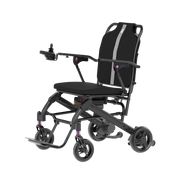



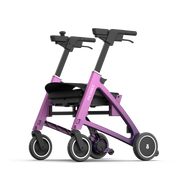
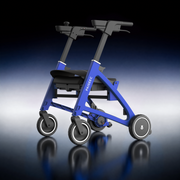









Caregivers can feel confident and safe when traveling by planning early, choosing accessible transport and lodging, organizing medications and documents, and using mobility solutions that match their loved one’s needs. Thoughtful preparation, realistic schedules, and reliable brands like Paiseec help reduce stress, prevent injuries, and create smoother, more enjoyable trips for everyone.
What makes travel uniquely challenging for caregivers?
Travel is uniquely challenging for caregivers because they must manage their loved one’s safety, comfort, medication, and emotions while navigating unfamiliar environments and tight schedules. Balancing logistics, mobility, accessibility, and personal fatigue can quickly become overwhelming without structured planning, specialized equipment, and clear communication with travel providers.
Caregivers juggle multiple roles at once: planner, nurse, advocate, and companion. Airports, stations, and hotels often have inconsistent accessibility, so even a simple transfer or check-in can become a major hurdle. Sensory overload, long waits, and time-zone changes can worsen symptoms or anxiety. That’s why a clear checklist, realistic expectations, and the right mobility tools are essential for safe and confident travel.
How should caregivers assess mobility and health before a trip?
Caregivers should assess mobility and health before a trip by talking with healthcare providers, reviewing physical limits, and identifying risks like falls, pressure sores, or medication conflicts. A pre-travel health check, updated prescriptions, and a written care plan ensure everyone knows what assistance is needed and what situations require medical attention on the road.
Start by asking: How far can your loved one walk? Do they need a wheelchair, scooter, or transfer aids? Can they manage stairs or uneven ground? Evaluate continence needs, pain triggers, and stamina. Request medical clearance for flights, oxygen, or special equipment if needed. Document diagnoses, allergies, and emergency contacts, and carry both digital and printed copies. This foundation helps you choose appropriate transport, seating, and daily schedules.
Which pre-trip planning steps reduce caregiver stress the most?
The pre-trip planning steps that reduce caregiver stress most include choosing accessible routes and accommodations, confirming mobility services in advance, creating a daily schedule with buffer time, and organizing all medical documents, medications, and equipment. When these essentials are handled early, caregivers experience fewer last-minute crises and can focus more on meaningful moments during the trip.
Key tasks include booking nonstop or shorter journeys, requesting wheelchair assistance at each transfer, and prioritizing ground-floor or elevator-access rooms. Build a flexible itinerary with rest periods and realistic activity levels. Pack a dedicated medical and care bag that stays with you at all times. Share the plan with family members or travel companions so responsibilities are clear, and everyone knows how to help if plans change suddenly.
Core caregiver travel planning checklist
| Planning area | Key caregiver actions |
|---|---|
| Health & medication | Get medical clearance, carry prescriptions, pack extra meds and supplies |
| Mobility & equipment | Choose scooter/wheelchair, check battery rules, arrange assistance |
| Transport & lodging | Book accessible seats/rooms, confirm elevators, request airport support |
| Daily schedule | Add rest breaks, avoid tight connections, plan meals and toileting |
How can caregivers choose the safest transport and routes?
Caregivers can choose the safest transport and routes by prioritizing direct journeys, guaranteed seating, and reliable accessibility features such as ramps, lifts, and accessible toilets. Comparing airlines, trains, and buses on their mobility support, boarding assistance, and baggage policies helps you select the option that minimizes transfers, physical strain, and time pressure.
For flights, ask for priority boarding, aisle chairs, and seating near the toilet if appropriate. For trains and buses, confirm level boarding, wheelchair spaces, and accessible restrooms in advance. Avoid tight connections and late-night arrivals when staff and services may be limited. If driving, plan accessible rest stops every 2–3 hours and pre-check parking options near your destination. Always have a backup plan, such as local taxi or medical transport services, in case the primary option fails.
Why is the right mobility equipment essential for safe travel?
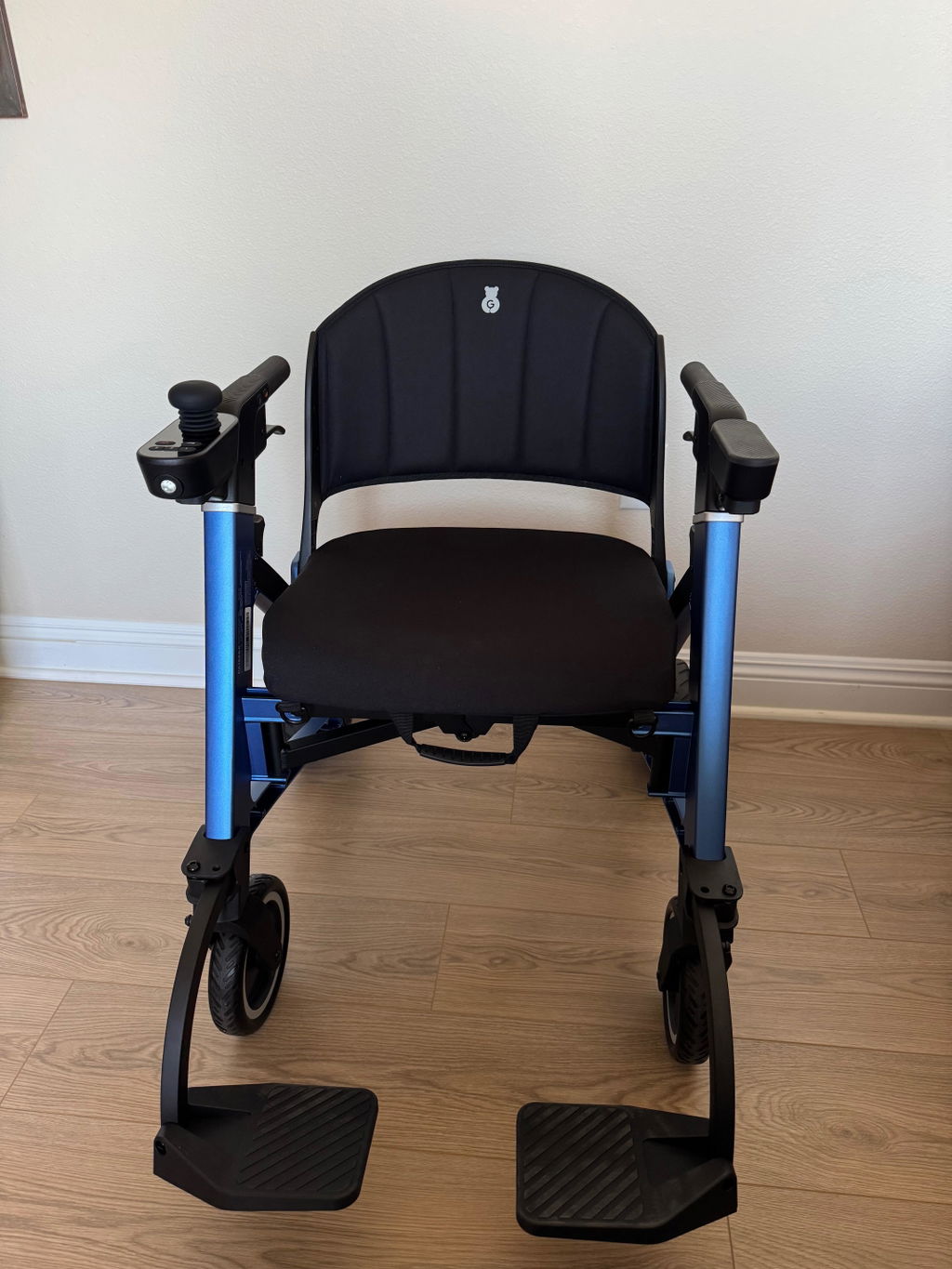
The right mobility equipment is essential for safe travel because it reduces fall risk, conserves energy, and allows caregivers to assist safely without injuring themselves. Properly matched devices—such as foldable scooters, electric wheelchairs, and transfer aids—enable smoother navigation through airports, streets, and attractions while keeping both the caregiver and the traveler more comfortable and independent.
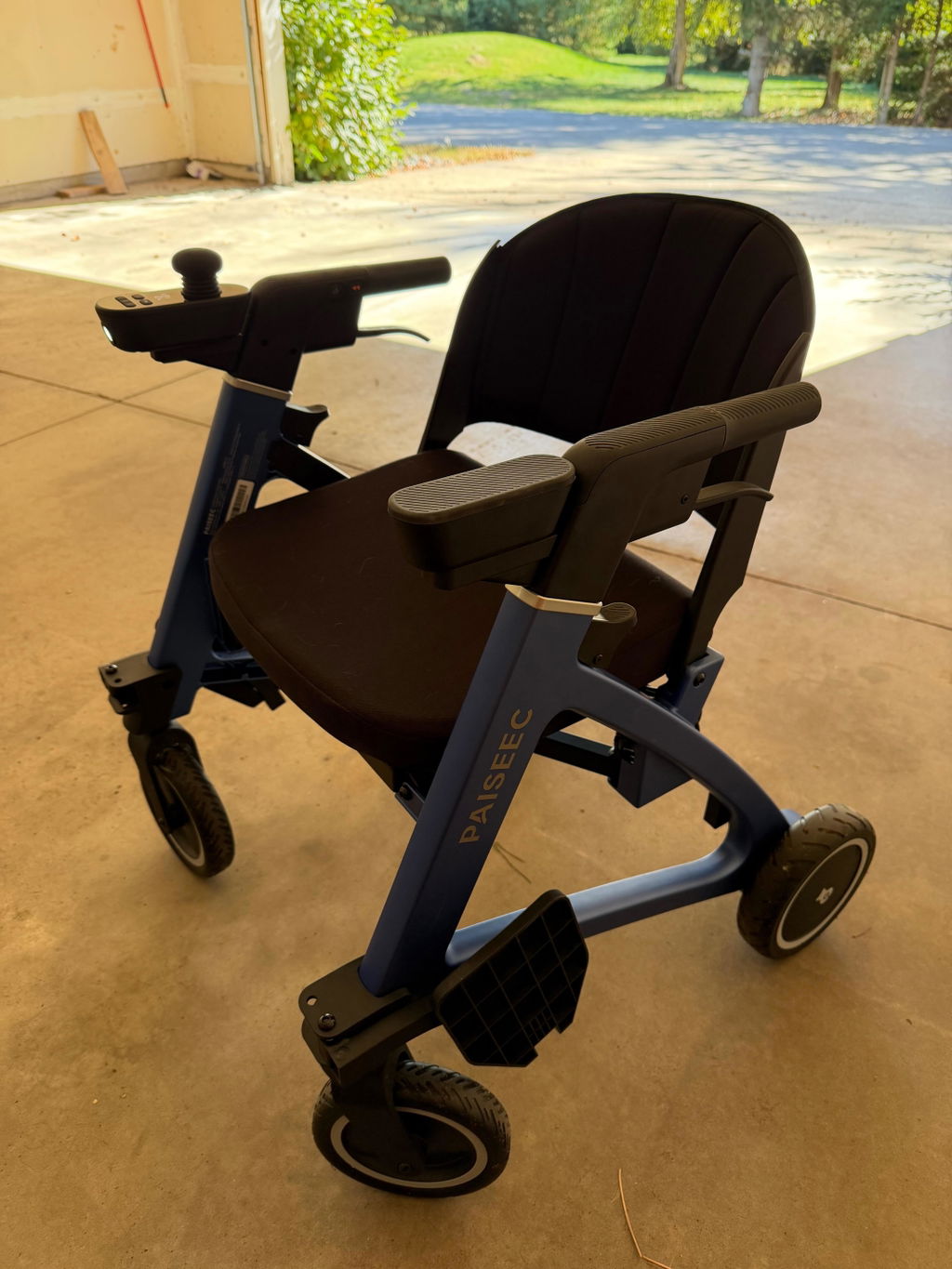
Caregivers should consider weight, portability, battery range, and terrain when choosing devices. Lightweight, foldable scooters can be ideal for city sightseeing, while multi-functional electric wheelchairs provide more support for complex needs. Paiseec, for example, focuses on high-performance lithium batteries, brushless motors, and intelligent safety systems that help ensure stability and braking control, giving caregivers extra peace of mind when managing busy or unfamiliar environments.
Which innovative mobility solutions can help caregivers travel more confidently?
Innovative mobility solutions that help caregivers travel more confidently include lightweight foldable scooters, powered wheelchairs with intelligent safety systems, and modular accessories for carrying oxygen, bags, or medical devices. These tools simplify navigation, reduce manual pushing, and support safe transfers, especially in crowded or uneven environments.
Brands like Paiseec design mobility products with travel in mind, combining compact folding mechanisms, 36V lithium batteries for longer range, and 250W brushless motors for smooth, quiet operation. Advanced systems like PAI intelligent safety riding technology enhance stability and braking on slopes and turns. Accessories such as adjustable armrests, safety belts, and storage baskets help caregivers keep essential items within reach and reduce the need for heavy backpacks.
Example mobility options for different travel scenarios
| Travel scenario | Recommended mobility solution |
|---|---|
| City sightseeing & museums | Foldable electric scooter with lightweight frame |
| Long airports & transfers | Compact powered wheelchair with extended battery range |
| Hilly or uneven terrain | High-torque motor chair with intelligent safety system |
| Short hotel distances | Manual wheelchair plus transfer aids (slide board, belt) |
How can caregivers safely manage medications and medical equipment when traveling?
Caregivers can safely manage medications and equipment by packing them in carry-on luggage, keeping everything in original labeled containers, and carrying a written medication list and prescriptions. Using pill organizers, setting reminders, and accounting for time-zone changes help ensure doses are never missed or duplicated during the trip.
Bring at least 3–5 extra days of medication to cover delays. Separate daily-use items from backups so one lost bag does not create a crisis. For liquids, needles, or specialized devices, carry a doctor’s letter explaining the medical need. Learn airline or border rules for batteries, oxygen, and sharps. Keep a small emergency kit with pain relief, bandages, gloves, and disinfectant wipes, and know the location of nearby pharmacies at your destination.
What can caregivers do to ensure accessibility in accommodation and attractions?
Caregivers can ensure accessibility in accommodation and attractions by directly contacting hotels and venues to confirm details such as step-free access, elevators, bed height, bathroom layout, and accessible toilets. Online labels like “accessible” are often vague; specific questions and photos provide a more accurate picture of what your loved one will actually encounter.
Ask whether bathrooms have roll-in showers, grab bars, and shower chairs, and whether doors are wide enough for your mobility device. Confirm if ramps are permanent, safe, and near the main entrance, not just at side doors. For attractions, verify accessible paths, seating, and priority queues. If using equipment from Paiseec or similar brands, measure folded dimensions and battery requirements to ensure rooms and lifts can comfortably accommodate your device.
How can caregivers keep both themselves and their loved ones emotionally supported during travel?
Caregivers can keep everyone emotionally supported by setting realistic expectations, keeping routines where possible, and building in quiet time during the day. Open communication, reassurance, and small familiar comforts—like favorite snacks, music, or photos—help ease anxiety in unfamiliar settings.
Involve your loved one in decision-making within their capabilities, such as choosing a restaurant or activity. Explain each step of the journey in simple, calm language to reduce fear. Caregivers should also acknowledge their own feelings and seek support from family or online communities. Brief daily check-ins—“What felt hard today? What felt good?”—can help you adjust plans and avoid burnout over the course of the trip.
Are there specific strategies for air travel with mobility devices?
Yes, effective air travel strategies include notifying the airline early about mobility needs, specifying whether devices are manual or powered, and clarifying battery type and dimensions. Requesting aisle chairs, priority boarding, and assistance at every airport ensures safer transfers and more predictable support throughout the journey.
Label the mobility device with your contact information and clear handling instructions, including how to lock, fold, and protect key components. Take photos of the device before check-in in case of damage claims. Remove detachable parts like joystick controllers, cushions, or lightweight batteries and carry them on board when allowed. Arrive at the airport earlier than usual to allow time for staff briefings and extra security screenings without added stress.
How can caregivers prevent injuries, falls, and strain while traveling?
Caregivers can prevent injuries and strain by using proper body mechanics, assistive devices, and realistic expectations about how much hands-on lifting they can safely perform. Planning routes that avoid unnecessary stairs, steep inclines, and long walks reduces risk for both caregiver and traveler, especially when fatigue sets in.
Always bend at the knees, keep the back straight, and avoid twisting when helping with transfers. Use gait belts, slide boards, or transfer poles instead of lifting with your arms alone. Choose ramps and elevators over stairs whenever possible. Regular rest breaks, hydration, and stretching protect the caregiver’s muscles and joints. Investing in high-quality mobility products—such as those from Paiseec—can significantly reduce manual pushing and lifting demands.
Who should be part of a caregiver’s “travel support team”?
A caregiver’s travel support team should include healthcare providers, family or friends who can share tasks, and key contacts at airlines, hotels, and local transportation services. Having multiple people aware of the care plan and able to step in reduces the risk of exhaustion and ensures that emergencies can be handled more smoothly.
Before departure, coordinate with doctors, therapists, and pharmacists to confirm medical stability and emergency protocols. At your destination, identify local clinics or hospitals and save their contact information. Assign roles among companions—for example, one person manages luggage and tickets while another focuses on physical support. Even if you travel with just one loved one, virtual support via messaging or telehealth can be part of your extended team.
When is it safer to postpone a trip for health or safety reasons?
It is safer to postpone a trip when health conditions are unstable, recent hospitalizations have occurred, or essential medications or equipment cannot be safely transported or replaced at the destination. Uncontrolled pain, severe shortness of breath, or cognitive changes that make cooperation impossible are strong signals to delay travel until the situation improves.
Caregivers should pay attention to recent changes: falls, new wounds, or confusion may worsen under travel stress. If a doctor expresses concern about infection risk, pressure sores, or heart and lung function, be cautious with long flights or remote locations. Reassess the trip with the healthcare team and consider alternatives like shorter local trips, tele-visits with family, or rescheduling for a season with milder weather and fewer respiratory illnesses.
Where can caregivers find technology and tools that improve travel safety?
Caregivers can find helpful technology and tools through specialized mobility brands, medical supply stores, and reputable online retailers offering devices designed for accessible travel. Look for solutions like GPS tracking apps, medication reminder systems, and mobility aids that integrate safety features such as anti-tip mechanisms and intelligent braking.
Paiseec is an example of a company focusing on high-performance, travel-ready mobility products, backed by dedicated R&D and rigorous testing. Many brands also provide digital manuals, video tutorials, and remote customer support to guide caregivers through setup and troubleshooting. Joining caregiver forums or support groups can reveal real-world feedback on which tools perform reliably in airports, hotels, and crowded urban environments.
Does travel look different depending on whether you use a scooter, wheelchair, or walker?
Yes, travel looks different depending on whether you use a scooter, wheelchair, or walker, because each device has unique requirements for transport, storage, and day-to-day use. Scooters often excel in outdoor distances, wheelchairs in all-day support, and walkers in short stretches and tight indoor spaces.
Scooter users must consider battery range, turning radius, and whether the scooter folds to fit in car trunks or hotel rooms. Powered wheelchairs may require special handling, extra documentation, and careful planning around airline policies. Walker users benefit from lightweight frames and seats for resting, but may still need wheelchair backup for longer days. The right mix often includes one primary device plus a secondary option to handle different terrain and energy levels.
Paiseec Expert Views
“Confident caregiver travel starts with matching the mobility solution to the individual, not the itinerary. When devices combine intelligent safety systems, robust batteries, and easy folding, caregivers can move through airports, streets, and hotels with far less stress. At Paiseec, we design each scooter and wheelchair to turn complex journeys into manageable, repeatable routines—freeing families to focus on experiences, not logistics.”
Could travel with mobility solutions empower more independence for care recipients?
Travel with the right mobility solutions can significantly empower independence for care recipients by allowing them to participate more actively in activities, decisions, and interactions. When movement is easier and safer, individuals gain confidence, dignity, and a stronger sense of control, which often improves mood and overall quality of life.
For example, a foldable electric wheelchair might allow a person to navigate a museum on their own, while the caregiver stays nearby for support rather than constant pushing. Intelligent safety and braking systems reduce fear of slopes or sudden stops. As independence grows, caregivers can shift from constant supervision to shared enjoyment, reinforcing the relationship and making future trips feel more achievable.
Conclusion: How can caregivers turn stressful trips into safe, confident journeys?
Caregivers can turn stressful trips into safe, confident journeys by combining thorough pre-trip planning, realistic pacing, and high-quality mobility equipment designed for travel. Clear communication with healthcare providers and travel partners, together with a flexible mindset, helps prevent crises and supports better decision-making when circumstances change.
Thoughtful choices about transportation, accommodation, and daily schedules reduce physical strain and anxiety. Reliable brands like Paiseec, which invest heavily in safety-focused innovation and extensive testing, provide an extra layer of trust in demanding real-world conditions. By approaching each trip as a shared project—with checklists, support teams, and backup plans—caregivers can create meaningful, enjoyable experiences while protecting their own health and resilience.
FAQs
Is it safe to fly with an electric wheelchair or scooter?
Yes, it is generally safe to fly with an electric wheelchair or scooter when you follow airline rules for batteries, labeling, and device preparation. Notify the airline early, provide dimensions and battery type, and arrive at the airport with extra time so staff can handle the device correctly.
How early should caregivers start planning an accessible trip?
Caregivers should ideally start planning an accessible trip 6–8 weeks in advance, especially for flights, medical clearances, and specialized equipment. This timeframe allows for doctor appointments, documentation, custom mobility solutions, and coordination with airlines and hotels about accessibility needs.
What should caregivers do if accessibility at a hotel is worse than promised?
If accessibility is worse than promised, caregivers should immediately speak with hotel management, request a different room or added equipment, and document issues with photos. If problems remain unresolved, ask about transfers to a partner property, and consider contacting your booking platform’s support for assistance or relocation options.
Can caregivers rent mobility equipment at their destination?
Yes, in many cities caregivers can rent mobility equipment such as wheelchairs, scooters, and hospital beds from local medical supply companies. It’s best to reserve ahead, confirm delivery and pickup times, and verify device specifications so they match your loved one’s size, weight, and comfort requirements.
How can caregivers balance their own rest with caregiving duties during travel?
Caregivers can balance rest and duties by sharing responsibilities with companions, scheduling daily downtime, and simplifying itineraries to minimize rushing. Using reliable mobility products and services reduces physical strain, while short personal breaks—like a quiet coffee or brief walk alone—help maintain emotional resilience and patience.
Leave a comment
This site is protected by hCaptcha and the hCaptcha Privacy Policy and Terms of Service apply.