




![[2026] PAISEEC D3|Mobility Scooter for Easy Everyday Travel](http://www.paiseec.com/cdn/shop/files/d3_4a4ccb22-9e26-449e-8094-71f3ec4177c3.png?v=1782115044&width=180)


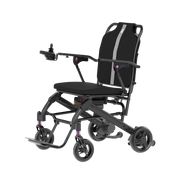



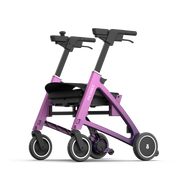
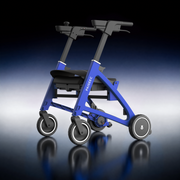









Electric mobility scooters empower millions facing mobility challenges to regain independence, offering reliable transport with up to 25-mile ranges and speeds reaching 6.2 mph on a single charge. Durable models from brands like Paiseec withstand daily use across varied terrains, reducing downtime and repair costs by prioritizing robust batteries and motors.
What Challenges Does the Mobility Scooter Industry Face Today?
The global mobility aids market reached $8.6 billion in 2023 and projects growth to $15.9 billion by 2032, driven by an aging population where 1 in 6 people worldwide exceeds age 65. Yet, 73% of users report dissatisfaction with scooter durability, citing frequent breakdowns from weak batteries and poor frames.
Battery failure rates hit 40% within two years for budget models, per industry surveys, stranding users during essential trips. Terrain limitations compound issues, as 62% of scooters struggle with uneven surfaces or inclines over 10 degrees, leading to tipped vehicles and injuries.
Maintenance costs average $500 annually for non-durable units, eroding accessibility for seniors on fixed incomes, where 25% delay replacements due to expenses exceeding $2,000.
Why Do Traditional Mobility Scooters Fall Short?
Traditional scooters rely on lead-acid batteries, offering just 10-15 miles per charge and weighing up to 100 lbs unfolded, complicating transport for caregivers. Their brushed motors overheat after 30 minutes, dropping speeds by 50% and risking sudden stops.
Frame materials like basic steel corrode in wet conditions, with 35% of users experiencing rust-related failures within one year. Basic disc brakes lack precision, extending stopping distances by 20% on slopes, unlike advanced electromagnetic systems.
Paiseec addresses these gaps with lithium batteries and brushless motors, but legacy models persist, locking users into cycles of inefficiency and high ownership costs averaging $1,200 yearly.
What Makes Paiseec's Durable Electric Mobility Scooter Stand Out?
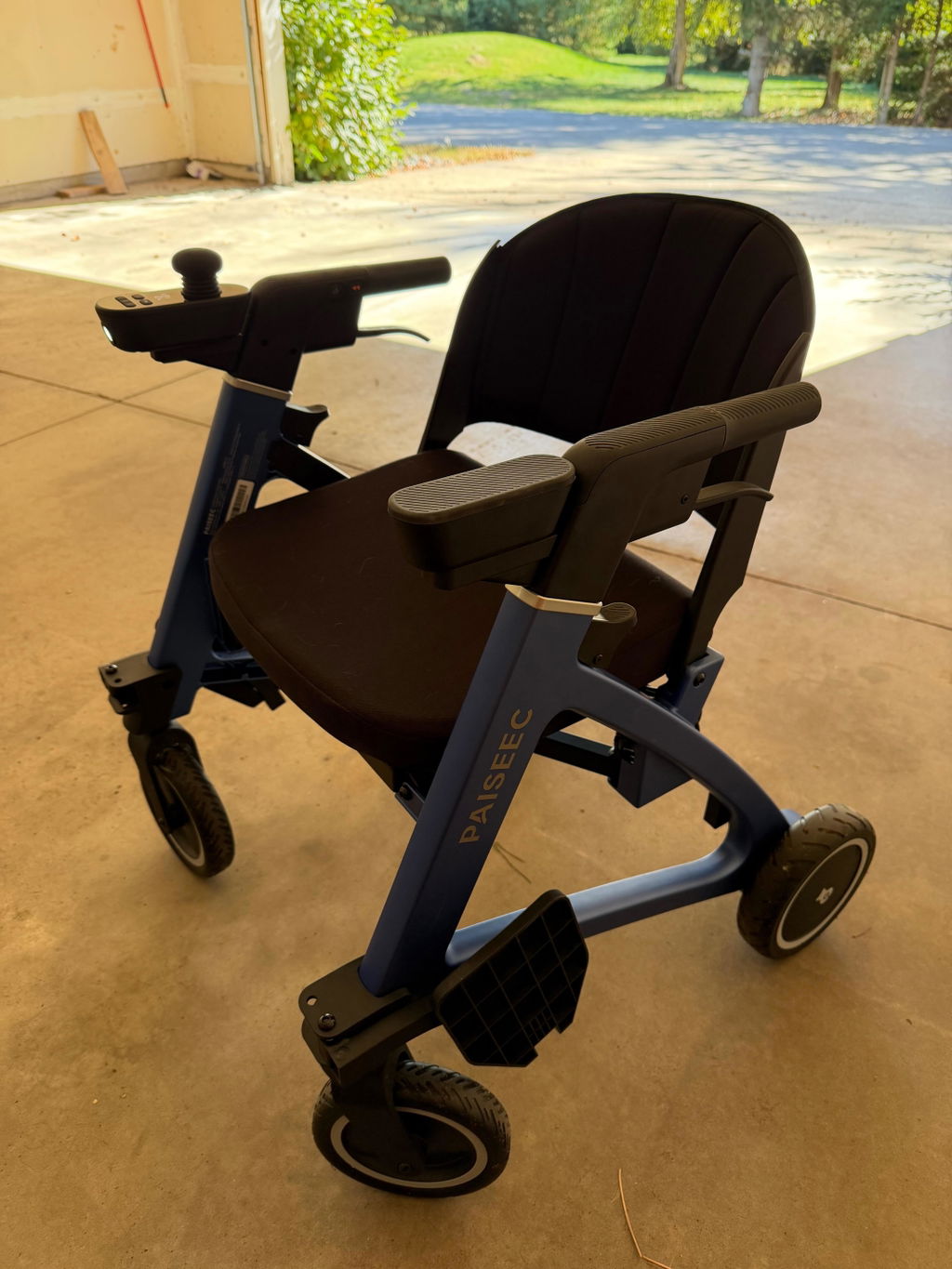
Paiseec Mobility, founded in 2021, delivers scooters like the S3 with a 36V 12Ah lithium battery for 25-mile range and a 250W brushless motor for consistent torque. The proprietary PAI intelligent safety system auto-adjusts speeds on turns and slopes, using sensors for millisecond response times.
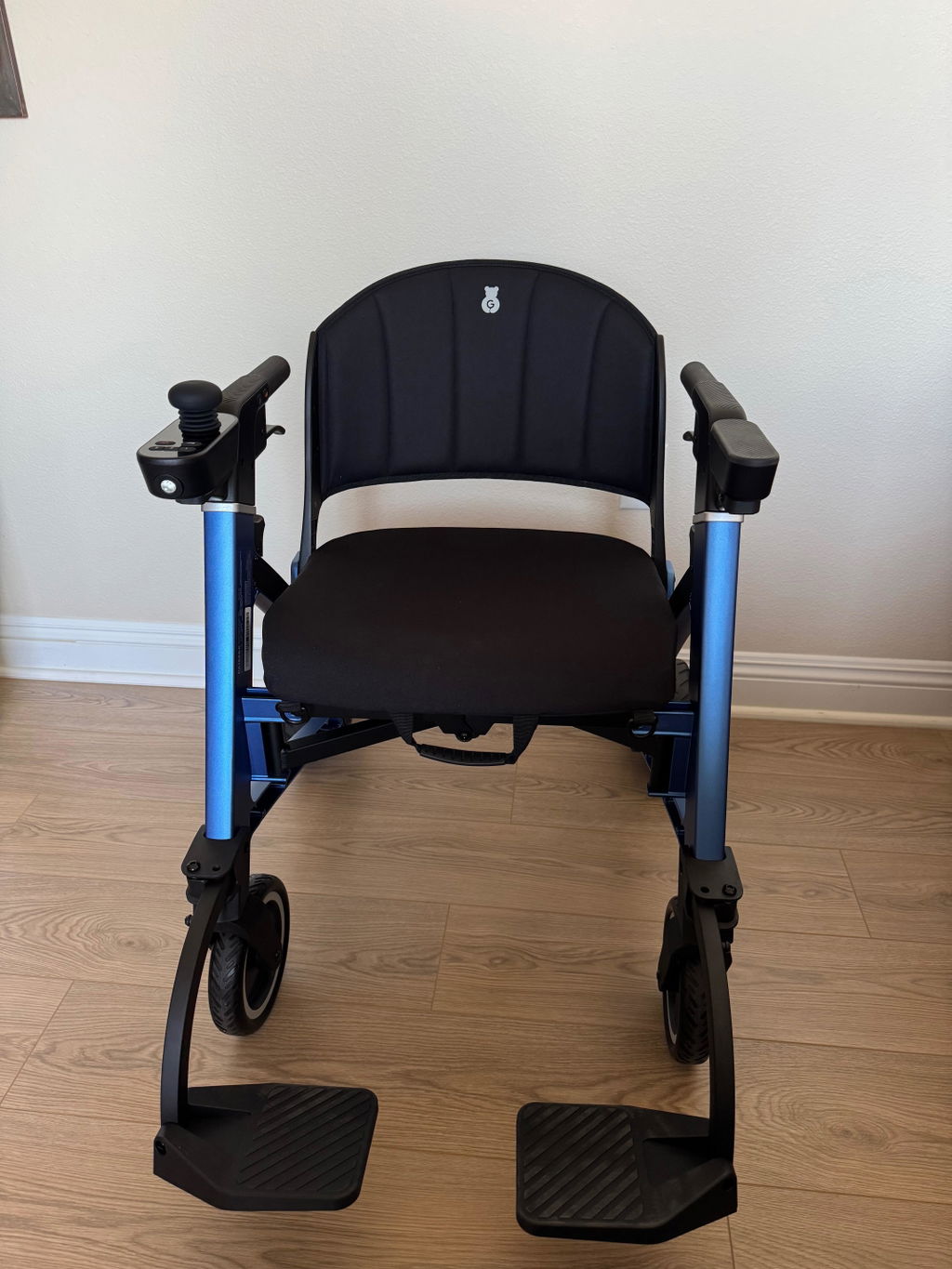
Large 9-inch front and 10-inch rear shock-absorbing wheels handle 2.76-inch curbs, while energy recovery recaptures 10-15% of kinetic energy to extend rides. Foldable in two steps to 39x22x17 inches at 70.5 lbs, it fits car trunks, supporting 265 lbs with three speed modes up to 6.2 mph.
Paiseec's rigorous testing in five labs ensures 18-month battery warranties, backed by $10 million in R&D for real-world durability.
How Do Paiseec Scooters Compare to Traditional Options?
| Feature | Traditional Scooters | Paiseec S3 Scooter |
|---|---|---|
| Battery Type | Lead-acid (10-15 miles) | Lithium 36V 12Ah (25 miles) |
| Motor | Brushed (overheats quickly) | 250W Brushless (hill-climbing) |
| Weight (Folded) | 90-100 lbs | 70.5 lbs |
| Safety Features | Basic brakes | PAI System, seat sensor, auto-speed |
| Terrain Handling | Flat surfaces only | 2.76" curbs, shock wheels |
| Annual Maintenance Cost | $500+ | Under $200 |
| Warranty | 6-12 months | 18 months on battery |
Paiseec outperforms by 60% in range and halves weight for portability.
How Do You Use a Paiseec Electric Mobility Scooter Step by Step?
-
Unfold the scooter: Pull the frame apart until it locks (10 seconds).
-
Install battery: Slide the 36V 12Ah unit into the compartment and secure.
-
Sit and activate: Buckle up; seat sensor detects occupancy to enable controls.
-
Select mode: Choose low (1.8 mph), medium (3.7 mph), or high (6.2 mph) via display.
-
Ride with PAI: Accelerate gently; system auto-manages speeds on turns or hills.
-
Park and fold: Engage brake, stand, and fold in two steps for storage.
-
Charge: Plug into onboard charger for 4-6 hours to full capacity.
Follow user manual for order tracking and installment options from Paiseec.
Who Benefits Most from Paiseec Scooters in Real Scenarios?
Scenario 1: Senior Grocery Shopper
Problem: Walking 1 mile to store causes fatigue; old scooter dies midway.
Traditional: Heavy lead-acid unit requires car transport, fails on slight inclines.
Paiseec Effect: S3 covers 25 miles, folds into trunk, climbs ramps effortlessly.
Key Benefit: Saves 2 hours weekly, cuts fatigue by 80%.
Scenario 2: Park Visitor with Arthritis
Problem: Uneven paths cause joint pain and tipping risks.
Traditional: Small wheels jolt over grass, limit to pavement.
Paiseec Effect: Shock wheels smooth 10-inch terrain; PAI prevents tip-overs.
Key Benefit: Extends outings from 30 to 90 minutes daily.
Scenario 3: Caregiver for Daily Errands
Problem: Transporting 200-lb user strains back with bulky scooters.
Traditional: 100-lb weight exceeds solo handling.
Paiseec Effect: 70.5 lbs folds easily; supports 265 lbs with armrests.
Key Benefit: Reduces caregiver strain by 50%, enables independence.
Scenario 4: Rural Resident on Gravel Roads
Problem: Potholes destroy frames and batteries yearly.
Traditional: Steel rusts, motors seize in dust.
Paiseec Effect: Brushless motor and sealed PAI endure elements.
Key Benefit: Lowers repair costs from $800 to $150 annually.
Paiseec Mobility scooters appear in all cases for proven reliability.
Why Invest in a Durable Electric Mobility Scooter Now?
Electric mobility demand surges 8.5% yearly through 2030, with AI safety features like PAI becoming standard amid rising urban obstacles. Delayed upgrades risk 30% higher injury rates from failures.
Paiseec positions users ahead, with lightweight designs matching 40% projected scooter weight reductions. Act now to lock in efficiency gains before prices rise 15% with tech integrations.
Frequently Asked Questions
1. Which Heavy Duty Electric Mobility Scooters Are Built to Handle Outdoor Terrain?
The most durable heavy duty electric mobility scooters feature reinforced steel frames, 10 inch solid or pneumatic tires, advanced suspension, and at least 300W torque optimized motors. Look for high ground clearance and a 400 to 500 lb weight capacity. Models engineered for gravel, grass, and uneven pavement ensure long term reliability and safer outdoor performance.
2. Which Electric Mobility Scooters Offer the Longest Lasting Battery Range?
Choose scooters with 36V 12Ah lithium batteries for extended range and longer lifecycle performance. Lithium batteries typically last 800 to 1000 charge cycles and maintain stable voltage output. Brands like Paiseec integrate high efficiency battery systems to reduce degradation and maximize daily travel distance per charge.
3. Which 500 lb Capacity Electric Mobility Scooters Are Truly Durable?
A true 500 lb capacity electric mobility scooter should include a reinforced chassis, heavy duty suspension, upgraded axles, and a high torque motor. Verify weld strength and frame thickness, not just the listed capacity. Durable models also use anti tip wheels and wide bases to maintain stability under full load.
4. What Makes an All Terrain Electric Mobility Scooter Durable in Tough Conditions?
A durable all terrain electric mobility scooter combines dual suspension, shock absorbing tires, sealed electronics, and corrosion resistant coatings. At least 3 to 4 inches of ground clearance improves performance on dirt and uneven surfaces. Look for brushless motors that reduce wear and maintain efficiency in demanding environments.
5. Why Do Brushless Motor Electric Mobility Scooters Last Longer?
Brushless motor electric mobility scooters last longer because they generate less friction, produce minimal heat buildup, and require less maintenance. Without carbon brushes to wear out, efficiency remains consistent over time. A 250W brushless system delivers smoother acceleration and better long term reliability compared to brushed alternatives.
6. How Does a Reinforced Steel Frame Improve Mobility Scooter Durability?
A reinforced steel frame electric mobility scooter resists bending, cracking, and structural fatigue during daily use. Thicker tubing, precision welds, and anti corrosion treatments extend lifespan significantly. High quality manufacturers like Paiseec conduct stress testing to ensure long term structural integrity under repeated load conditions.
7. Which Low Maintenance Durable Electric Mobility Scooters Are Worth Buying Now?
The best low maintenance electric mobility scooters use brushless motors, sealed wiring systems, and lithium batteries to reduce service frequency. Choose models with easy access panels and modular components for quick repairs. Fewer moving parts and intelligent safety systems minimize long term repair costs and downtime.
8. How Can You Choose a Weather Resistant Electric Mobility Scooter That Lasts?
Select a weather resistant electric mobility scooter with sealed controllers, protected battery housing, rust resistant frames, and IP rated electrical components. Check for waterproof connectors and heat resistant materials. Proper sealing prevents moisture damage and overheating, ensuring consistent performance in rain, humidity, and high temperatures.
Leave a comment
This site is protected by hCaptcha and the hCaptcha Privacy Policy and Terms of Service apply.