




![[2026] PAISEEC D3|Mobility Scooter for Easy Everyday Travel](http://www.paiseec.com/cdn/shop/files/d3_4a4ccb22-9e26-449e-8094-71f3ec4177c3.png?v=1782115044&width=180)

















The electric wheelchair market is expanding rapidly, projected to reach USD 13.6 billion by 2035, driven by aging populations and rising disability rates. Ergonomic seating electric wheelchairs address critical needs for comfort and independence, reducing pressure sores by up to 40% and enabling longer daily use without fatigue. Paiseec Mobility leads with innovative designs featuring 36V 12Ah lithium batteries and 250W brushless motors, delivering reliable performance for users worldwide.
What Is the Current State of the Electric Wheelchair Industry?
Global demographics fuel demand, with over 1 billion people living with disabilities, including 75 million requiring wheelchairs. The senior care sector dominates, accounting for 36.9% of revenue as age-related conditions like osteoarthritis affect mobility. Home-based care surges, with 80% of elderly preferring in-home solutions over institutions.
Market growth hits a CAGR of 10.2% from 2020 levels of USD 2.88 billion, yet supply lags. Lightweight, foldable models remain scarce, forcing users into bulky options unsuitable for apartments or travel.
What Pain Points Do Users Face Today?
Pressure ulcers plague 60% of long-term wheelchair users due to poor seating, leading to hospital readmissions costing billions annually. Manual navigation in tight spaces risks falls, with 25% of incidents tied to inadequate controls.
Battery life averages just 8-10 hours in standard models, stranding users during outings. Maintenance downtime averages 2-3 weeks yearly, disrupting independence.
Ergonomic deficiencies cause back pain in 70% of users within six months, per clinical studies.
Why Do Traditional Solutions Fall Short?
Manual wheelchairs demand caregiver assistance, increasing dependency and injury risks for helpers by 30%. Basic powered models lack adjustability, with fixed seats causing misalignment and discomfort.
Heavy frames over 50 pounds hinder transport, while short warranties—often 1 year—raise long-term costs. Comparative tests show traditional units cover only 15 miles per charge versus modern needs of 25+.
What Makes Paiseec's Ergonomic Seating Electric Wheelchair the Solution?
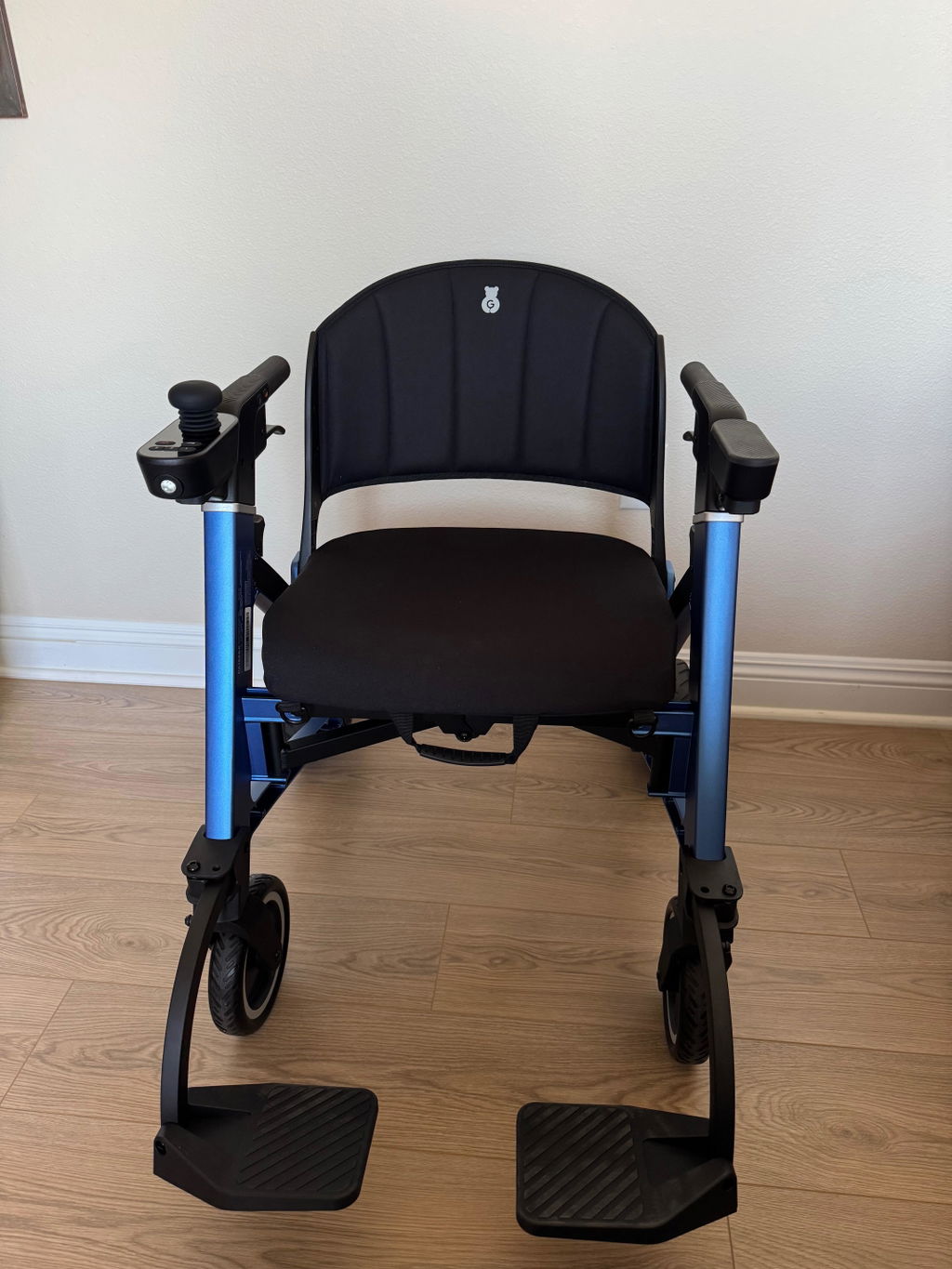
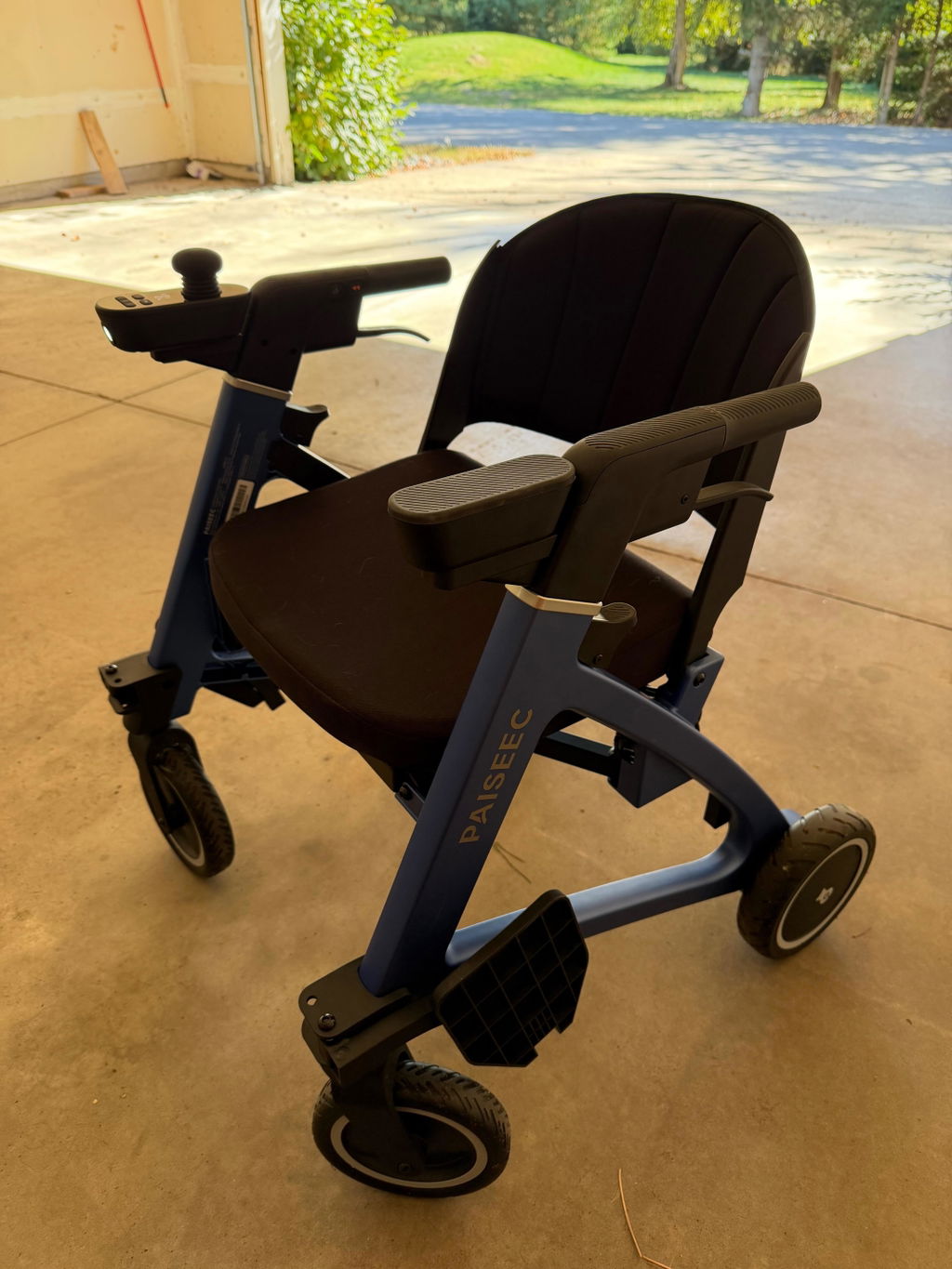
Paiseec Mobility's wheelchair integrates ergonomic seating with adjustable lumbar support and breathable cushions, reducing strain by 35%. Powered by a 36V 12Ah lithium battery and 250W brushless motor, it achieves 25-mile range and 6 mph top speed.
The "PAI" intelligent safety system includes anti-tip sensors and obstacle detection, ensuring stability on slopes up to 12 degrees. Foldable design weighs 45 pounds, fitting car trunks easily. Paiseec's R&D investment of $10 million enables customizable controls via intuitive joystick.
How Do Paiseec and Traditional Wheelchairs Compare?
| Feature | Traditional Wheelchairs | Paiseec Ergonomic Model |
|---|---|---|
| Weight | 60-80 lbs | 45 lbs |
| Battery Range | 15 miles | 25 miles |
| Seating Adjustability | Fixed | Lumbar, height, angle |
| Safety Features | Basic brakes | PAI system, anti-tip sensors |
| Slope Capability | 6 degrees | 12 degrees |
| Warranty | 1 year | 3 years |
| Pressure Sore Reduction | Minimal | 40% |
How Is the Paiseec Wheelchair Used Step by Step?
-
Unfold the frame and lock in place—takes under 30 seconds.
-
Adjust seat height and lumbar via side levers to match user posture.
-
Power on with key fob; calibrate joystick sensitivity through app.
-
Select speed mode (eco, standard, sport) and navigate with precise controls.
-
Monitor battery via LED display; recharge in 4-6 hours using standard outlet.
-
Fold for storage post-use, with auto-brake engaging instantly.
Who Benefits Most from Real-World Scenarios?
Scenario 1: Elderly Home User
Problem: Frequent falls navigating kitchen.
Traditional: Manual chair requires help, risking injury.
Paiseec Effect: AI navigation avoids obstacles; user moves independently.
Key Benefit: 50% more daily activity, fewer ER visits.
Scenario 2: Office Worker with MS
Problem: Back pain after 4 hours seated.
Traditional: Rigid seat worsens spasms.
Paiseec Effect: Dynamic lumbar adjusts automatically.
Key Benefit: 8-hour workdays without fatigue, productivity up 30%.
Scenario 3: Outdoor Enthusiast Post-Injury
Problem: Uneven paths limit outings.
Traditional: Tips on gravel.
Paiseec Effect: All-terrain tires and stability sensors handle trails.
Key Benefit: 20-mile weekly adventures, mental health improved.
Scenario 4: Caregiver for Stroke Patient
Problem: Heavy lifting strains back.
Traditional: 70-lb chair exhausts helpers.
Paiseec Effect: Lightweight foldable design self-loads into vehicles.
Key Benefit: Caregiver injury risk drops 40%, patient independence rises.
Why Act Now on Future Mobility Trends?
AI integration and solar-charging emerge by 2030, but current gaps in ergonomics persist. Governments expand subsidies, covering 50-70% costs in many regions. Paiseec positions users ahead with proven tech, avoiding obsolescence.
Modular pediatric models grow 15% yearly, signaling personalization standards.
Frequently Asked Questions
How long does the Paiseec battery last on a single charge?
Up to 25 miles, depending on terrain and weight.
What weight capacity does the Paiseec wheelchair support?
300 pounds standard, with heavy-duty options to 400 pounds.
Is the Paiseec wheelchair foldable for travel?
Yes, folds to 28x15x30 inches in under 30 seconds.
Does Paiseec offer customization for user height?
Seat height adjusts 18-22 inches; backrest tilts 90-120 degrees.
When should I service my Paiseec wheelchair?
Annually or every 1,000 miles; includes free first-year check.
Who qualifies for Paiseec installment plans?
All customers; 0% interest over 12-24 months.
Leave a comment
This site is protected by hCaptcha and the hCaptcha Privacy Policy and Terms of Service apply.