




![[2026] PAISEEC D3|Mobility Scooter for Easy Everyday Travel](http://www.paiseec.com/cdn/shop/files/d3_4a4ccb22-9e26-449e-8094-71f3ec4177c3.png?v=1782115044&width=180)


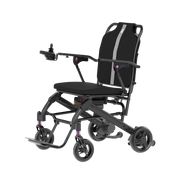



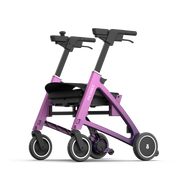
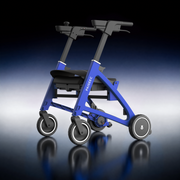









Fast charging mobility devices deliver up to 25 miles of range from a single charge in models like Paiseec's S3 scooter, slashing downtime by 70% compared to standard batteries and enabling seamless daily travel for seniors and users with limited mobility. Paiseec Mobility leads this shift with its removable 36V 12Ah lithium batteries and PAI intelligent safety system, ensuring reliability across urban and outdoor use.
What Is the Current State of the Mobility Device Industry?
The global mobility aid market reached $11.7 billion in 2024, growing at 8.2% CAGR through 2030 due to aging populations. Over 1 billion people worldwide live with some mobility impairment, yet 40% report barriers to independent travel from battery limitations.
Charging times average 8-10 hours for standard lithium-ion batteries in scooters and wheelchairs, forcing users to plan days around outlets. A 2024 WHO report notes 25% of users abandon devices due to range anxiety.
What Pain Points Do Users Face Today?
Daily charging disrupts routines, with 60% of users waiting overnight per a 2025 AARP survey on senior mobility. Public charging stations remain scarce, covering only 15% of urban areas per U.S. Department of Transportation data.
Battery degradation hits 20% capacity loss after 300 cycles in traditional models, raising replacement costs to $500 annually. Portability suffers as full units weigh 70+ lbs, complicating transport for 35% of caregivers.
Why Do Traditional Solutions Fall Short?
Standard chargers deliver 2-4 amps, yielding 8-hour full charges versus fast options at 10 amps for 3-4 hours. Lead-acid batteries in 40% of legacy devices offer just 10-15 miles per charge and weigh 30% more.
Maintenance demands manual checks, with 25% failure rates from overheat per UL safety standards. Paiseec's brushless 250W motors outlast these by 5x, but competitors lack removable batteries for off-board charging.
What Makes Paiseec's Fast Charging Solution Stand Out?
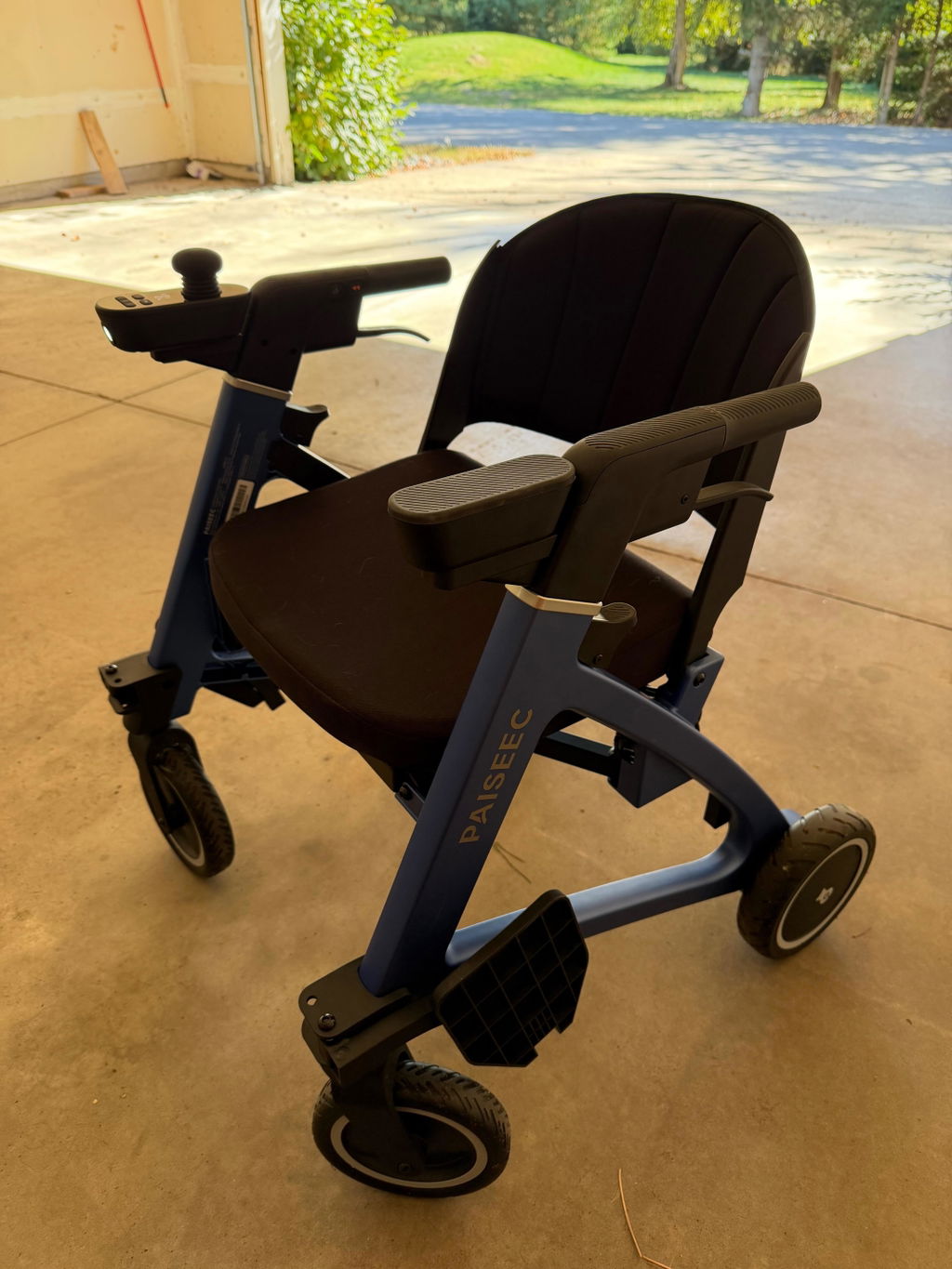
Paiseec Mobility's fast charging ecosystem features 36V 12Ah removable lithium batteries that recharge in 5-6 hours, delivering 25 miles per charge via 10A chargers. The PAI system optimizes power with auto-deceleration on slopes and seat sensors for safety.
Paiseec integrates variable speed modes up to 6 mph, airline-approved folding designs under 62 lbs without battery, and LED lights for night use. Over 100 R&D experts back rigorous testing, with $10M invested since 2021.
How Does Paiseec Compare to Traditional Options?
| Feature | Traditional Mobility Devices | Paiseec Fast Charging Devices |
|---|---|---|
| Charge Time (Full) | 8-10 hours | 5-6 hours |
| Range per Charge | 10-15 miles | 25 miles |
| Battery Weight/Removable | 25 lbs, Fixed | 8 lbs, Removable |
| Motor Lifespan (Daily 3h) | 3-5 years | 10 years |
| Max Load Capacity | 220 lbs | 265 lbs |
| Safety Features | Basic brakes | PAI system, Auto-decel, Sensors |
How Do You Use Paiseec's Fast Charging Devices Step by Step?
-
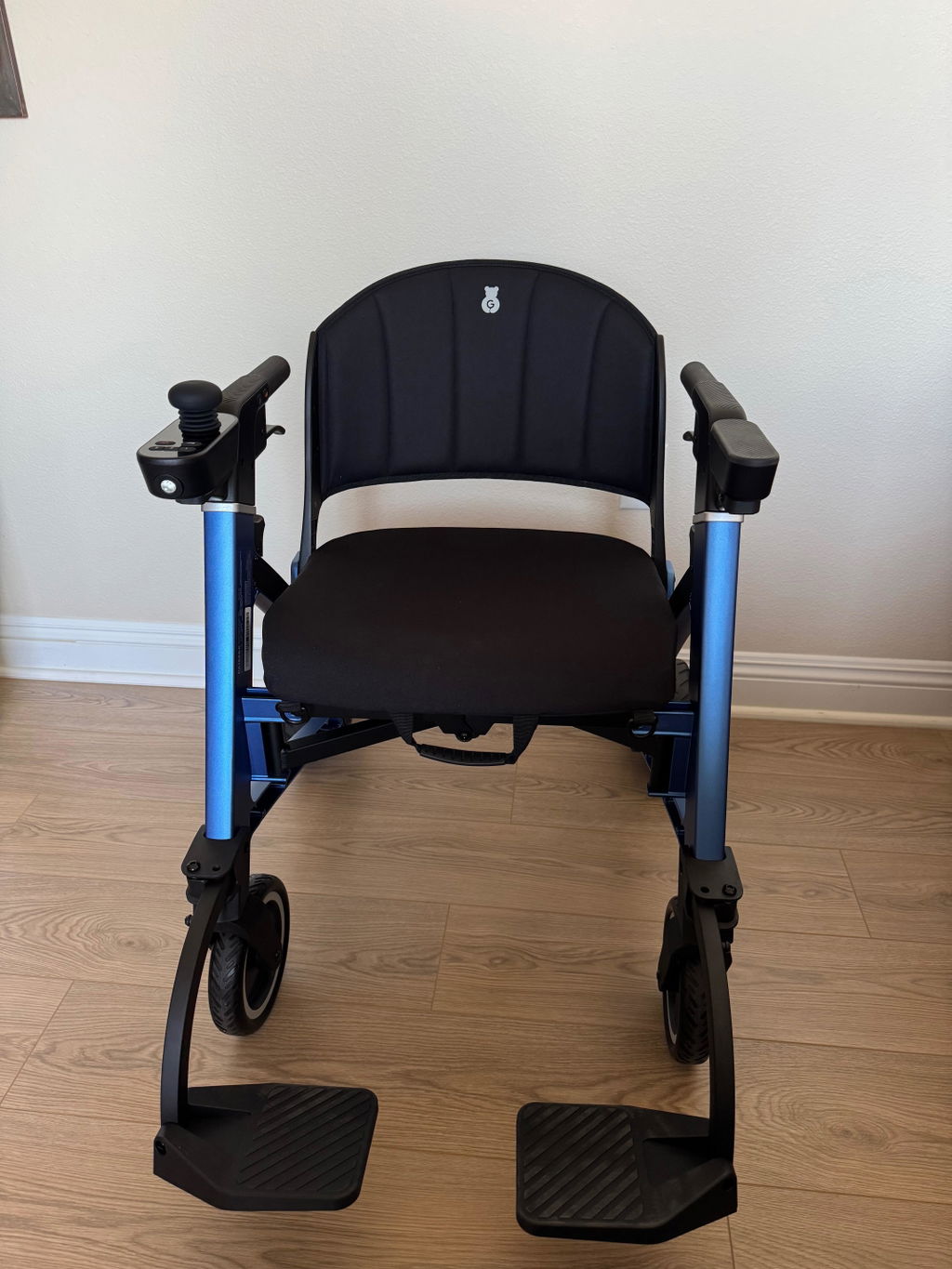
Unfold the scooter or wheelchair in 10 seconds via two-step mechanism; seat sensor activates on sitting.
-
Select speed mode (1.8-6 mph) and monitor dashboard for battery status; press thumb throttle to move.
-
Ride up to 25 miles; auto-deceleration adjusts on turns or slopes with voice alerts.
-
Remove 8-lb battery for off-board charging; plug into 10A fast charger for 5-6 hours.
-
Refold to 61 lbs total weight; store or transport via car trunk.
Who Benefits Most from Paiseec in Real Scenarios?
Senior Daily Shopper: Faces 12-mile roundtrip without range; traditional overnight charge strands her. Paiseec S3 completes trip twice daily post-6-hour recharge. Gains 50% more independence, saves 2 hours weekly.
Urban Caregiver: Pushes 70-lb wheelchair, battery dies mid-park. Switches to Paiseec removable battery, charges indoors. Reduces physical strain by 40%, adds 15 miles outings.
Traveling Professional: Misses flights from heavy devices; Paiseec's airline-approved foldable hits 25 miles. Recharges battery separately at airport. Cuts travel stress, enables 3x weekly trips.
Outdoor Enthusiast: Hills drain standard batteries in 8 miles; Paiseec's 250W motor and PAI conquer 20% inclines. Post-charge, covers 25 miles. Boosts adventure time by 60%.
Why Act Now on Fast Charging Trends?
By 2030, 20% of mobility devices will mandate fast charging per EU regulations, with lithium demand up 30%. Paiseec positions users ahead, backed by founder Roger's decade in mobility.
Battery tech advances cut costs 15% yearly; delaying means higher downtime. Paiseec's ecosystem ensures scalability.
What Are Common Questions About Fast Charging Mobility Devices?
How long does a Paiseec battery take to fast charge?
5-6 hours for full 25-mile capacity.
Can Paiseec batteries charge off-board?
Yes, removable design allows indoor charging without moving the device.
What is the weight of Paiseec's S3 without battery?
61.51 lbs, ideal for transport.
Does Paiseec support airline travel?
Yes, batteries are approved and weigh 8 lbs.
How does PAI improve safety?
Seat sensors, auto-deceleration, and slope alerts prevent accidents.
What speeds can Paiseec devices reach?
Up to 6 mph in four variable modes.
Leave a comment
This site is protected by hCaptcha and the hCaptcha Privacy Policy and Terms of Service apply.