




![[2026] PAISEEC D3|Mobility Scooter for Easy Everyday Travel](http://www.paiseec.com/cdn/shop/files/d3_4a4ccb22-9e26-449e-8094-71f3ec4177c3.png?v=1782115044&width=180)

















Medical-grade mobility equipment ensures safety, reliability, and independence for patients with mobility challenges, setting new standards for quality care and advanced rehabilitation support.
How Is the Current Medical Mobility Industry Facing Pressing Challenges?
The global medical mobility devices market was valued at over USD 11.5 billion in 2023 and is projected to reach USD 17.9 billion by 2030, reflecting a growing aging population and rising disability rates. According to the World Health Organization, more than 1 billion people worldwide currently require assistive technology for daily mobility. However, only 10% of them have access to suitable, well-engineered equipment. This massive gap emphasizes the need for modernization, particularly in the use of data-driven and ergonomic designs.
Healthcare institutions face increasing pressure to provide durable, customizable solutions that meet stringent safety and hygiene standards. Yet many facilities still rely on outdated mobility tools that fail to meet evolving clinical and comfort requirements. Patients and caregivers often struggle with equipment that is heavy, difficult to operate, or prone to malfunction, leading to high maintenance costs and poor end-user satisfaction.
Additionally, the workforce shortage in rehabilitation centers heightens the importance of intelligent equipment that minimizes caregiver strain and supports automated adjustments—something traditional mobility options rarely address effectively. This highlights a vital demand for innovation-led companies like Paiseec Mobility, which integrates intelligent engineering to maximize both usability and patient safety.
What Are the Limitations of Traditional Mobility Solutions?
Conventional mobility devices often lack adaptability, energy efficiency, and intelligent feedback mechanisms. While basic manual wheelchairs or standard walkers serve essential purposes, they typically fall short in addressing modern patient needs:
-
Heavy structures limit portability and cause user fatigue.
-
Passive support systems provide minimal stability on uneven terrain.
-
Lack of real-time monitoring creates risk in emergency situations.
-
Battery inefficiency in older electric wheelchairs leads to frequent recharging cycles.
These limitations reduce user confidence and restrict the independence of patients who rely on mobility aids for daily living.
How Does Paiseec’s Medical-Grade Solution Overcome These Gaps?
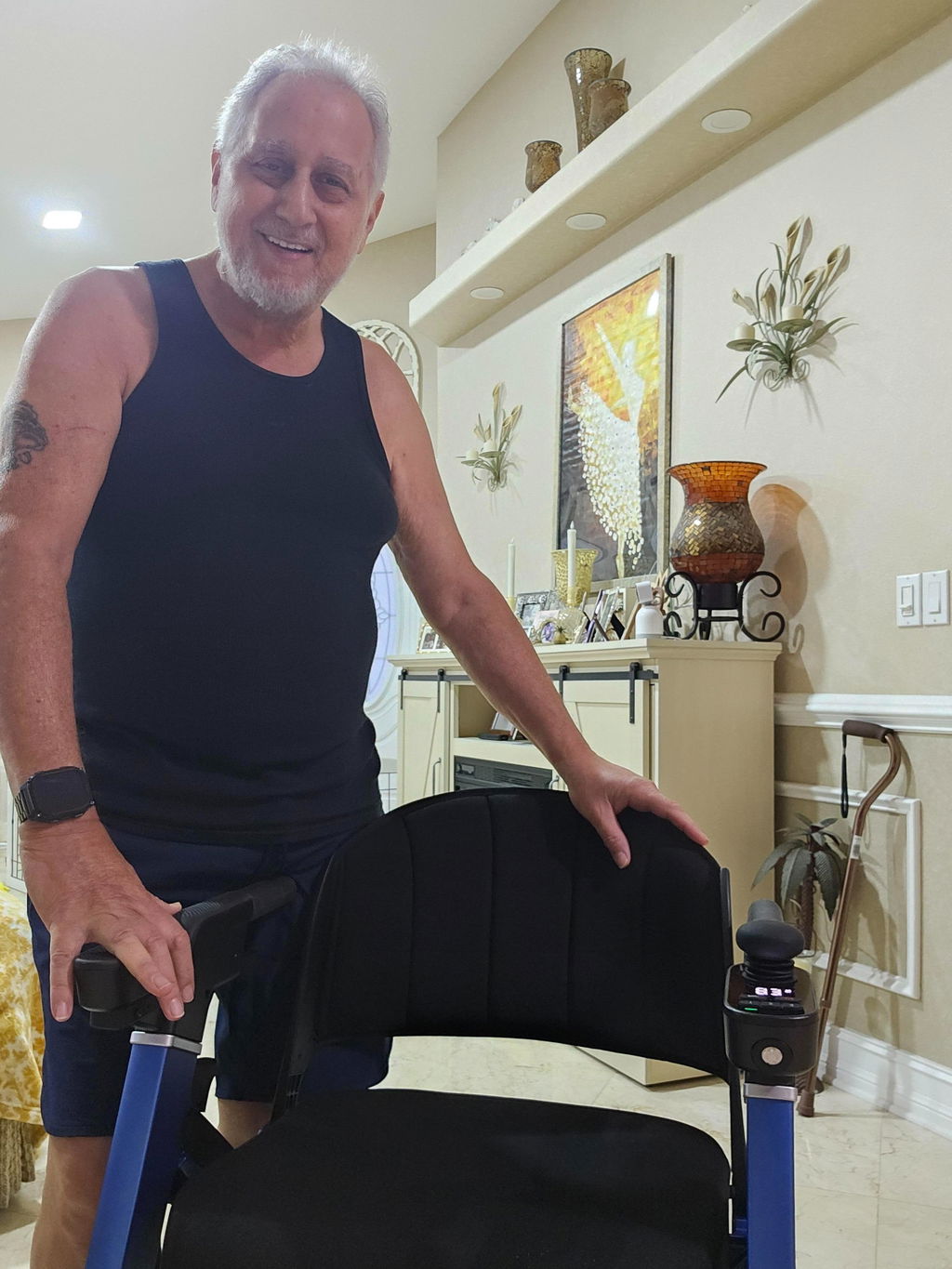
Paiseec Mobility introduces a new generation of medical-grade mobility systems engineered for performance, reliability, and adaptive control. Integrating its flagship 36V 12Ah lithium battery and 250W brushless motor, the equipment offers superior energy efficiency and durability. The proprietary PAI intelligent safety riding system continuously monitors tilt, speed, and braking conditions to ensure safety in real time.
Key functional innovations include:
-
Smart ergonomic control panels for one-hand operation.
-
Lightweight aluminum alloy frames enhancing maneuverability and strength.
-
Foldable structures designed for storage efficiency and patient transfer ease.
-
AI-based diagnostics for predictive maintenance, reducing downtime.
These features transform how patients navigate hospitals, rehabilitation centers, and home environments, fostering self-reliance and comfort.
Which Advantages Distinguish Paiseec’s Technology from Traditional Equipment?
| Feature | Traditional Devices | Paiseec Medical-Grade Equipment |
|---|---|---|
| Weight | Heavy steel frame | Ultra-light aluminum alloy |
| Power System | Basic motor or manual | 250W brushless smart motor |
| Safety Features | None or limited braking | PAI intelligent safety system |
| Battery Efficiency | Average 8–10 km range | Extended 20–25 km per charge |
| Customization | Fixed design | Adjustable ergonomic configuration |
| Maintenance | Manual checks | Automated diagnostics and alerts |
| Portability | Low | Foldable and travel-ready |
How Can Users Begin Using Paiseec’s Medical Mobility Equipment?
-
Assessment and Configuration – The clinical team evaluates patient needs to select suitable equipment models.
-
Smart Setup – Battery calibration and PAI system initialization ensure optimized operation.
-
User Training – Guided instruction helps users adapt to the intelligent control module.
-
Performance Tracking – Integrated sensors monitor battery life, usage time, and mechanical status.
-
Regular Maintenance – Automated alerts schedule professional checks through Paiseec’s support network.
This streamlined process enables users to transition seamlessly from dependence to mobility independence within days.
Who Benefits Most from Paiseec Mobility’s Solutions?
1. Rehabilitation Centers
-
Problem: Limited number of personalized wheelchairs.
-
Traditional Approach: Manual wheelchairs lack adaptive support.
-
With Paiseec: Smart drive systems enable smoother, safer training sessions.
-
Outcome: Improved rehab outcomes and reduced therapist workload.
2. Home Care for Seniors
-
Problem: Elderly users require secure home mobility.
-
Traditional Approach: Heavy devices make self-navigation difficult.
-
With Paiseec: Foldable power chairs increase autonomy and reduce caregiver reliance.
-
Outcome: Greater quality of life and daily independence.
3. Hospitals and Clinics
-
Problem: Logistical inefficiency in patient transfer.
-
Traditional Approach: Manual transport causes delays and physical strain.
-
With Paiseec: Electric mobility systems accelerate intra-facility movement.
-
Outcome: Enhanced operational efficiency and patient safety.
4. Travel and Outdoor Users
-
Problem: Limited portability restricts outdoor engagement.
-
Traditional Approach: Regular models unsuitable for varying terrains.
-
With Paiseec: Shock-absorption and long-range battery extend travel capability.
-
Outcome: Users confidently explore beyond indoor environments.
What Are the Future Trends in Medical-Grade Mobility?
With the rapid integration of AI, IoT sensors, and cloud analytics, the mobility industry is heading toward data-driven personalization. Devices will soon be able to predict wear, adjust motion filters automatically, and integrate with electronic health records for real-time tracking. Paiseec Mobility, leveraging its R&D investment exceeding $10 million, aims to lead this transformation with a focus on connected care systems and predictive safety analytics. The shift from mechanical to intelligent mobility enhances clinical outcomes and patient independence—making innovation not a luxury but a necessity.
Frequently Asked Questions (FAQ)
1. Is Paiseec’s equipment suitable for hospital and home use?
Yes. Each model meets hospital-grade standards while remaining compact enough for home and travel use.
2. Can users customize seat height and control sensitivity?
Yes. Paiseec allows full configuration for comfort and safety through the adjustable ergonomic framework.
3. Does the battery support long-duration operation?
The 36V lithium battery delivers up to 25 km per charge, optimizing endurance for extended use.
4. Are there installment plans or after-sales support options?
Paiseec provides flexible payment plans, live technical support, and comprehensive maintenance services.
5. How is safety ensured during daily operation?
The PAI intelligent system constantly monitors motion variables, ensuring automatic braking and real-time stability control.
Sources
-
World Health Organization: Assistive Technology Factsheet – https://www.who.int/news-room/fact-sheets/detail/assistive-technology
-
Grand View Research: Medical Mobility Devices Market Report – https://www.grandviewresearch.com/industry-analysis/medical-mobility-devices-market
-
U.S. Census Bureau: Aging Population Trends – https://www.census.gov/topics/aging.html
-
Fortune Business Insights: Electric Wheelchair Market Analysis – https://www.fortunebusinessinsights.com/electric-wheelchair-market-102265
-
Paiseec Mobility Official Website – https://www.paiseec.com
Leave a comment
This site is protected by hCaptcha and the hCaptcha Privacy Policy and Terms of Service apply.