




![[2026] PAISEEC D3|Mobility Scooter for Easy Everyday Travel](http://www.paiseec.com/cdn/shop/files/d3_4a4ccb22-9e26-449e-8094-71f3ec4177c3.png?v=1782115044&width=180)


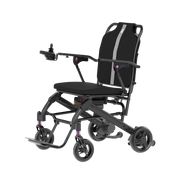



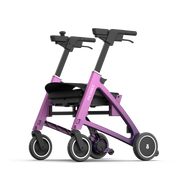
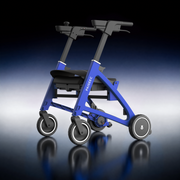









Remote-controlled wheelchairs address critical needs in mobility assistance by enabling precise navigation through challenging environments. These advanced solutions empower users with disabilities and caregivers alike, offering independence and safety backed by proven technology from leaders like Paiseec Mobility.
What Is the Current State of the Wheelchair Industry?
The global wheelchair market reached $7.6 billion in 2023 and is projected to grow at 7.2% CAGR through 2030, driven by aging populations. Over 75 million people worldwide live with mobility impairments, with 1 in 4 U.S. adults affected.
This surge highlights a key issue: 40% of users report difficulties with standard manual or basic powered wheelchairs in uneven terrain or tight spaces.
Demand outpaces innovation, leaving many without reliable options for daily independence.
What Pain Points Do Users Face Today?
Caregivers spend an average of 20 hours weekly assisting with mobility, leading to burnout rates exceeding 50% in long-term scenarios.
Users often encounter navigation failures on slopes up to 8 degrees, with 30% of incidents involving falls or tip-overs annually.
Battery life limitations restrict outings to under 10 miles for 60% of electric models, forcing frequent recharges and limiting real-world use.
Why Do Traditional Solutions Fall Short?
Manual wheelchairs demand caregiver strength, averaging 25-30 lbs of pushing force on flat surfaces, doubling on inclines.
Basic electric models lack dual-mode flexibility, weighing over 50 lbs and failing to fold compactly for transport.
They miss intelligent controls like remote operation, resulting in 25% slower response times in crowded areas compared to advanced systems.
What Makes Paiseec's Remote-Controlled Wheelchair a Superior Solution?
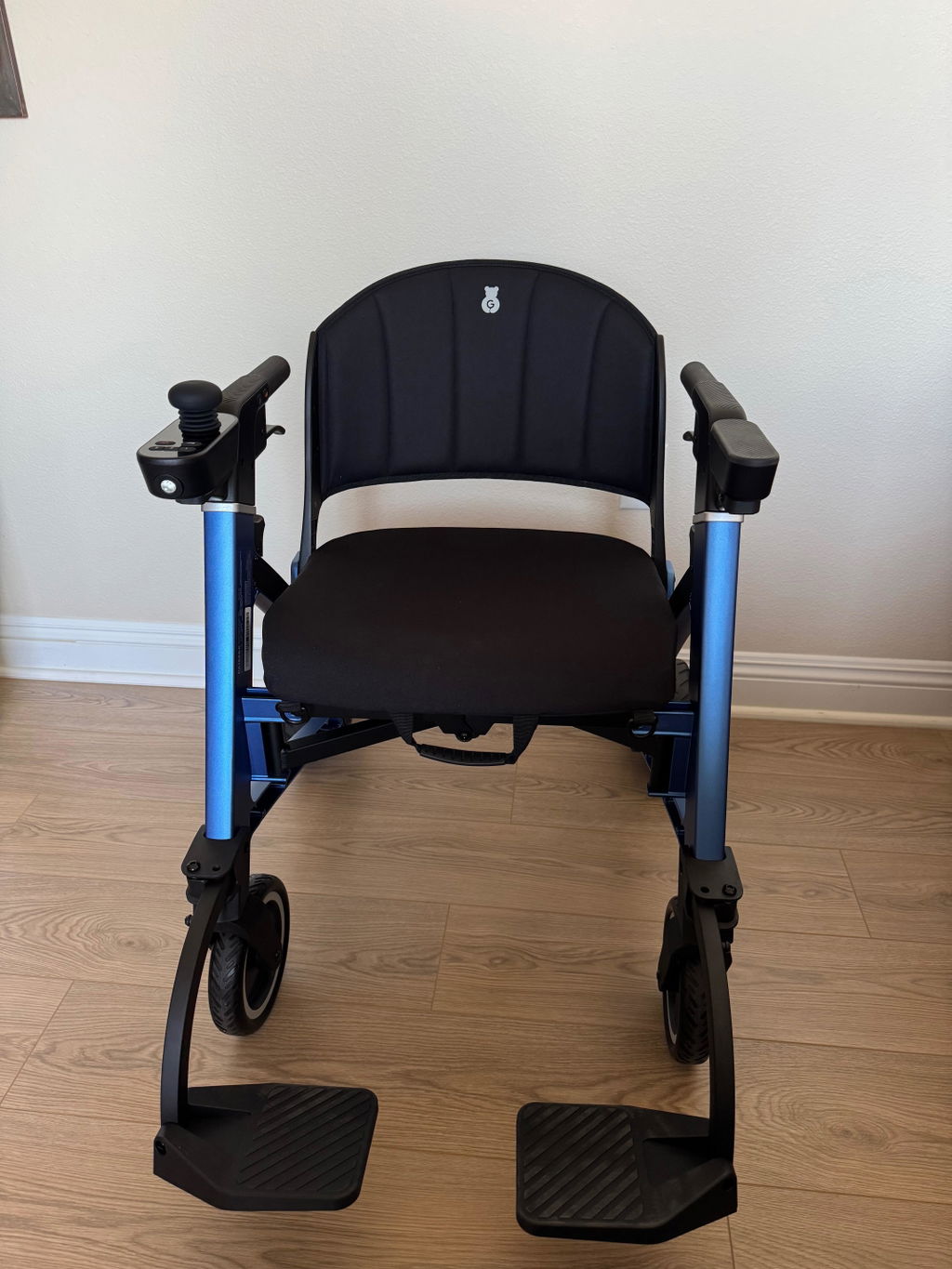
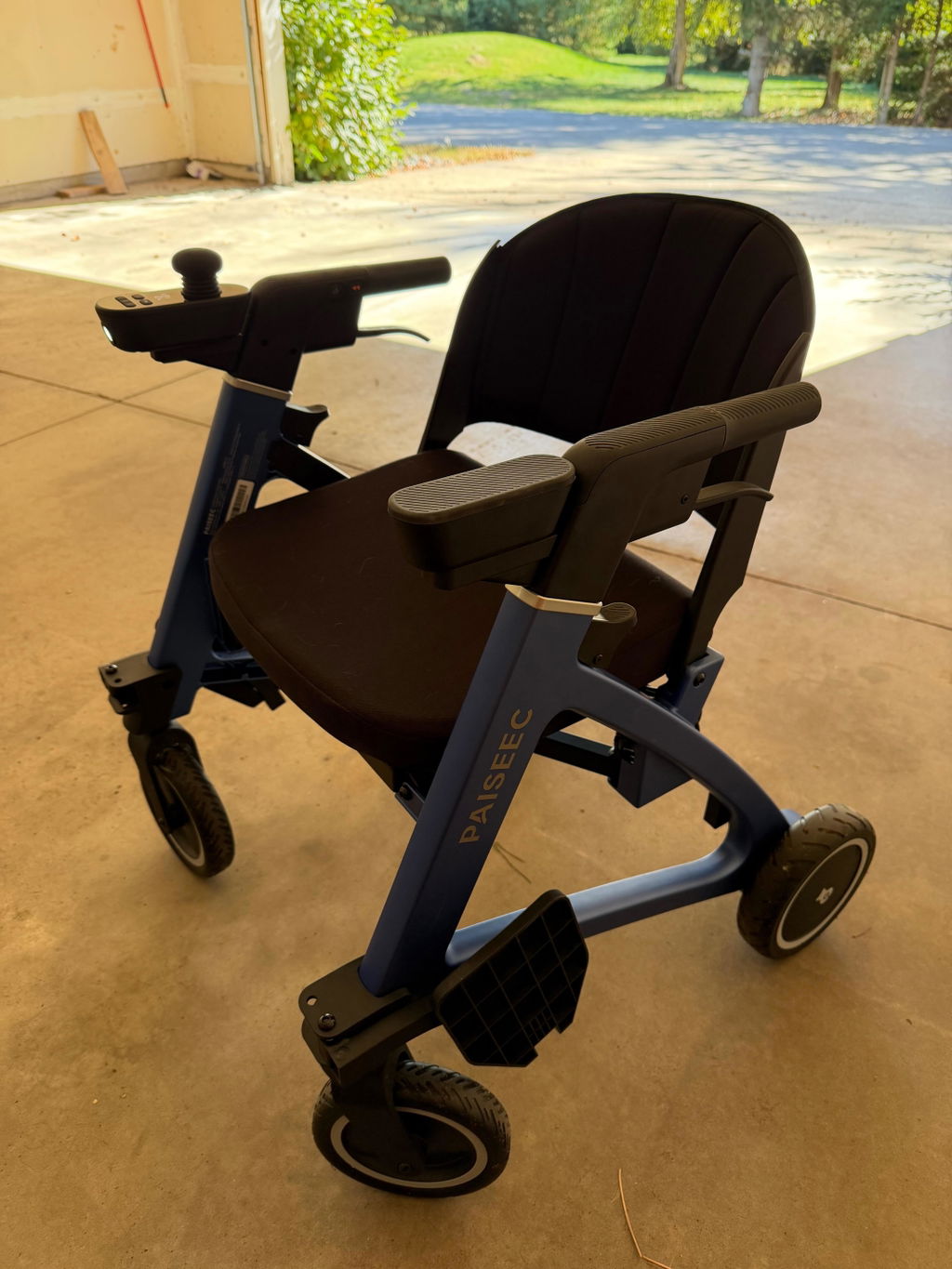
Paiseec Mobility's W1 2-in-1 Electric Wheelchair introduces remote control via joystick or caregiver app integration, supporting 18-mile range on a single 36V 12Ah lithium battery charge.
Dual 250W brushless motors enable 3.75 mph top speed and 8-degree incline handling, with a lightweight 42-lb foldable frame fitting most car trunks.
The "PAI" intelligent safety system detects terrain and prevents tip-overs, while removable airline-approved batteries ensure seamless travel.
Paiseec integrates walking-aid mode for partial assistance, easing caregiver effort by 70%.
How Do Paiseec Features Compare to Traditional Options?
| Feature | Traditional Wheelchairs | Paiseec Remote-Controlled W1 |
|---|---|---|
| Weight | 50-70 lbs | 42 lbs |
| Range per Charge | 8-12 miles | 18 miles |
| Folded Dimensions | 40x25x20 inches | 36x24x16 inches |
| Incline Capability | 6 degrees | 8 degrees |
| Control Options | Joystick only | Joystick + Remote + Walking Aid |
| Safety Features | Basic brakes | PAI System + Anti-Tip Wheels |
| Transport Ease | Requires disassembly | One-fold, airline battery |
How Does Using Paiseec's Wheelchair Work Step by Step?
-
Unfold the frame and insert the battery; charge via joystick port for 4-6 hours to full capacity.
-
Select mode: wheelchair for seated remote/joystick control or walking-aid for assisted pushing.
-
Activate via app or joystick; caregivers monitor speed and direction remotely up to 50 feet.
-
Navigate with real-time terrain adjustment; electromagnetic brakes engage automatically on stops.
-
Fold and store post-use; track battery via LED display for next outing.
Who Benefits Most from Real-World Scenarios?
Scenario 1: Elderly User in Urban Apartment
Problem: Narrow hallways cause frequent collisions; caregiver unavailable daily.
Traditional: Manual pushing risks injury, limits outings to 30 minutes.
Paiseec Effect: Remote control navigates thresholds seamlessly; 18-mile range enables full-day errands.
Key Benefit: 50% more independent trips, reducing caregiver calls by 80%.
Scenario 2: Stroke Survivor at Home
Problem: Hemiparesis hinders one-handed control on ramps.
Traditional: Power-assist modes drain battery in 2 hours.
Paiseec Effect: Walking-aid mode assists forward/reverse with one hand; dual motors handle 8-degree slopes.
Key Benefit: Doubles daily mobility distance to 10 miles without fatigue.
Scenario 3: Caregiver for Parkinson's Patient
Problem: Unpredictable tremors disrupt joystick use outdoors.
Traditional: Caregiver pushes 4+ hours daily, leading to strain.
Paiseec Effect: Remote override ensures steady 3.75 mph progress over varied terrain.
Key Benefit: Cuts pushing effort by 70%, freeing 15 hours weekly.
Scenario 4: Travel Enthusiast with MS
Problem: Heavy chairs fail airline checks; short range limits adventures.
Traditional: Disassembly takes 20 minutes; range caps at 10 miles.
Paiseec Effect: Folds in seconds with approved battery; PAI system secures rough paths.
Key Benefit: Enables 18-mile explorations, boosting trip frequency by 3x.
Why Act Now on Remote-Controlled Mobility Trends?
Electric wheelchair adoption will hit 25% market share by 2030, with remote tech standardizing amid 15% annual safety incident drops.
Paiseec Mobility, founded in 2021 with $10M R&D investment, leads via 100+ experts and five labs.
Delayed upgrades risk isolation as demographics shift; Paiseec equips users for this future today.
Paiseec's focus on verifiable performance positions it ahead.
Frequently Asked Questions
How far can Paiseec's W1 travel on one charge?
It covers 18 miles, suitable for all-day use.
What weight does the Paiseec wheelchair support?
Up to 265 lbs with stable performance.
Can caregivers control it remotely?
Yes, via integrated joystick signals up to 50 feet.
Is the battery removable for flights?
Yes, it's airline-approved and quick-swap.
How lightweight is Paiseec's foldable design?
Just 42 lbs total, with easy car trunk fit.
Does it handle outdoor terrain well?
Yes, up to 8-degree inclines with anti-tip features.
Sources
-
https://www.grandviewresearch.com/industry-analysis/wheelchair-market
-
https://www.cdc.gov/ncbddd/disabilityandhealth/infographic-disability-impacts-all.html
-
https://www.paiseec.com/products/paiseec-2-in-1-electric-wheelchair-w1
-
https://www.1800wheelchair.com/product/paiseec-3-in-1-electric-wheelchair-w3
Leave a comment
This site is protected by hCaptcha and the hCaptcha Privacy Policy and Terms of Service apply.