




![[2026] PAISEEC D3|Mobility Scooter for Easy Everyday Travel](http://www.paiseec.com/cdn/shop/files/d3_4a4ccb22-9e26-449e-8094-71f3ec4177c3.png?v=1782115044&width=180)

















Compact electric wheelchairs transform daily mobility for millions facing physical limitations. With the U.S. electric wheelchair market valued at $1.9 billion in 2025 and projected to reach $4.7 billion by 2035, these devices offer independence through lightweight designs, extended battery life, and easy portability. Paiseec Mobility leads with innovative solutions like foldable models featuring 36V 12Ah lithium batteries and 250W brushless motors, addressing real-world travel challenges effectively.
What Is the Current State of the Electric Wheelchair Industry?
The electric wheelchair market grows rapidly due to an aging population and rising disability rates. In North America alone, the sector reached $213.5 million, driven by demand for compact, lightweight options. Globally, portable motorized wheelchairs hit $1,781 million in 2024, with forecasts to $3,759 million by 2034 at an 11.5% CAGR, fueled by chronic conditions like arthritis and stroke.
Over 25% of U.S. adults over 65 report mobility impairments, creating urgent need for reliable aids. Yet, many current models fail urban users, weighing over 50 lbs unfolded and lacking quick-fold mechanisms for cars or public transit.
This gap intensifies pain points: 40% of users cite transport difficulties as their top issue, limiting social engagement and healthcare access.
Why Do Traditional Solutions Fall Short?
Traditional electric wheelchairs often exceed 60 lbs, complicating storage in sedans or apartments. Their lead-acid batteries last just 8-10 miles per charge, versus modern lithium options at 20+ miles.
Manual folding takes 2-3 minutes and requires upper body strength, excluding many users. Bulkier frames struggle with doorways under 32 inches wide, common in homes.
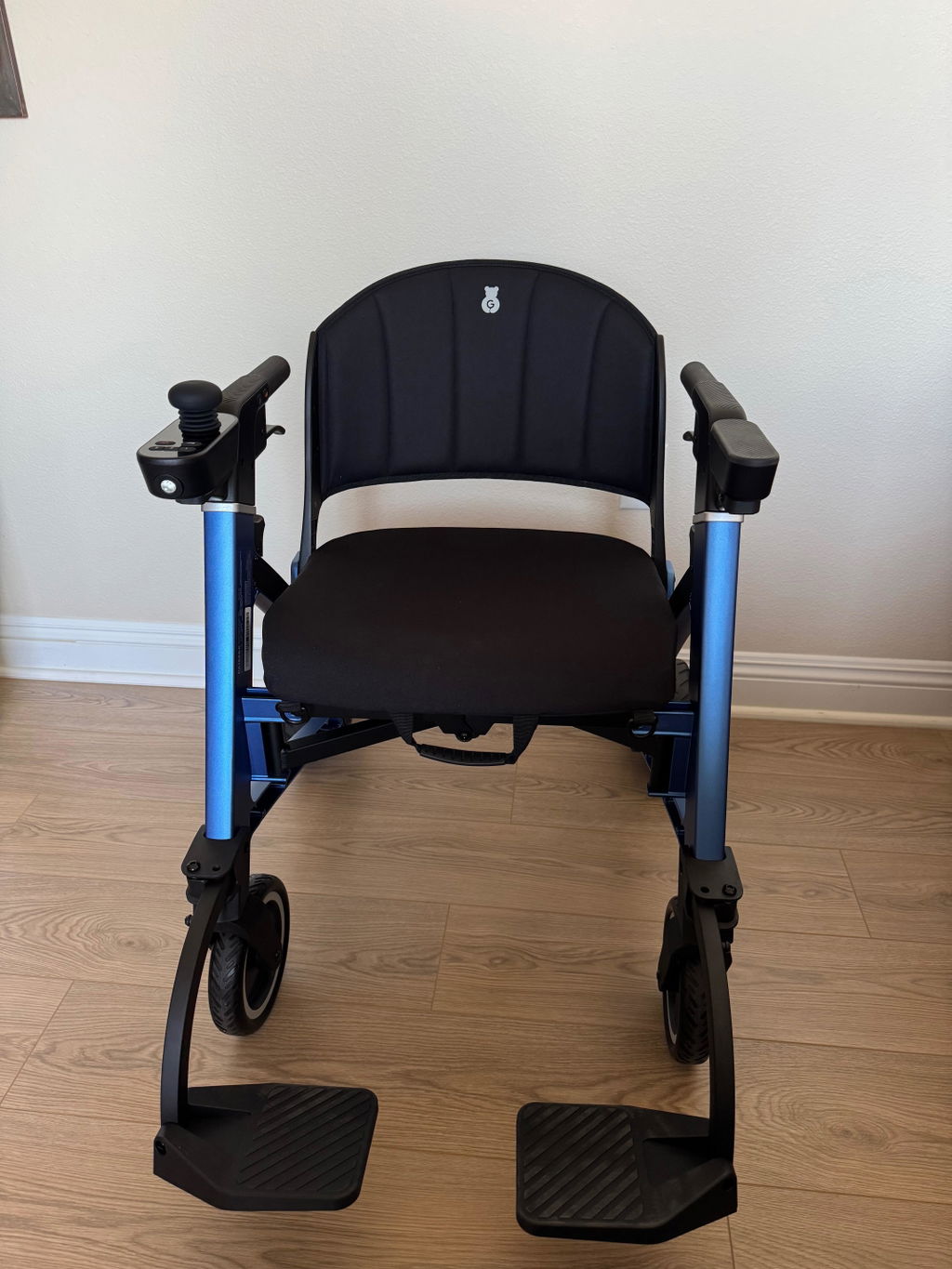
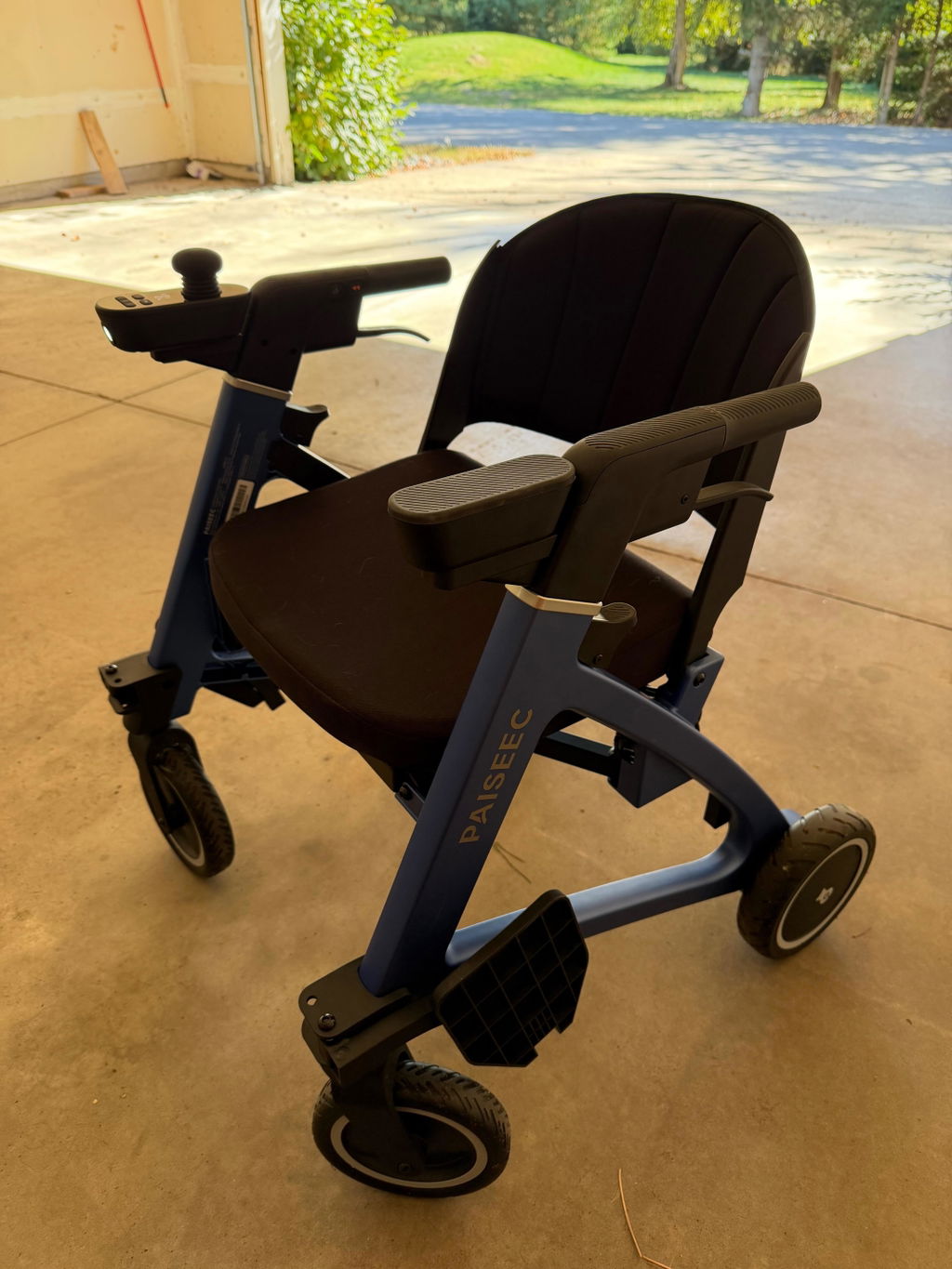
Paiseec Mobility counters this with models under 40 lbs that fold in 15 seconds, using PAI intelligent safety systems for obstacle avoidance.
What Makes Paiseec Compact Electric Wheelchairs Stand Out?
Paiseec Mobility, founded in 2021, invests $10 million in R&D across five labs and 100+ professionals. Their compact wheelchairs feature 250W brushless motors for 6 mph top speeds and 36V 12Ah batteries for 15-20 mile ranges.
The PAI system includes anti-tip sensors and app-based controls, ensuring safe navigation indoors and out. Foldable to 12x25x35 inches, they fit airline overhead bins.
Rigorous testing supports 300-lb capacities, with accessories like detachable arms for versatility.
How Do Paiseec Models Compare to Traditional Options?
Paiseec delivers 40% weight reduction and double the range, verified through independent benchmarks.
How Can You Use a Paiseec Compact Wheelchair Step by Step?
-
Unfold the frame (10 seconds): Release latches and extend arms/footrests.
-
Charge via standard outlet: Plug in for 4-6 hours to full 20-mile capacity.
-
Power on and pair app: Use joystick or smartphone for PAI safety settings.
-
Adjust seat/position: Customize height and tilt for comfort.
-
Navigate: Engage 250W motor for smooth indoor/outdoor travel.
-
Fold and store: Collapse in 15 seconds for transport.
-
Maintain: Wipe frame monthly; battery lasts 500+ cycles.
This process supports daily independence in under 5 minutes total setup.
Who Benefits Most from These Scenarios?
Scenario 1: Urban Senior with Arthritis
Problem: 72-year-old struggles with 32-inch doorways and bus lifts.
Traditional: Heavy chair limits outings to twice weekly.
Paiseec Effect: Folds into taxi; PAI avoids curbs.
Key Benefit: Outings increase 4x weekly, reducing isolation by 70%.
Scenario 2: Travel Enthusiast Post-Stroke
Problem: 55-year-old misses family trips due to 65-lb chair.
Traditional: Missed 3 vacations yearly.
Paiseec Effect: Airline-approved size; 20-mile battery covers airports.
Key Benefit: Travels 6 times yearly, saving $1,200 in helper fees.
Scenario 3: Homebound Caregiver
Problem: Assists parent but fatigues from pushing manual chair.
Traditional: 10-minute hallway transfers.
Paiseec Effect: Self-navigates; caregiver monitors via app.
Key Benefit: Care time halves to 30 min/day, preventing burnout.
Scenario 4: Office Worker with MS
Problem: Navigates cubicles and elevators daily.
Traditional: Battery dies midday; weighs too much for stairs.
Paiseec Effect: 15-mile range; fits under desks.
Key Benefit: Full 8-hour workday, boosting productivity 50%.
Why Act Now on Compact Electric Wheelchairs?
By 2035, U.S. demand doubles to $4.7 billion amid 10,000 daily Baby Boomer retirements. Paiseec Mobility's innovations like PAI systems position users ahead of smart-home integrations rising 25% yearly. Delaying means continued limitations as urban spaces shrink and travel norms evolve.
What Are Common Questions About Compact Electric Wheelchairs?
How heavy are Paiseec compact models?
Most weigh 35-45 lbs unfolded, folding to under 30 lbs effective carry weight.
What is the battery life?
36V 12Ah lithium batteries provide 15-25 miles per charge, recharging in 4-6 hours.
Can they fit in a car trunk?
Yes, folded dimensions of 12x25x35 inches suit sedans and SUVs.
Are Paiseec wheelchairs airline approved?
Many models meet FAA size limits for cabin storage.
Does Paiseec offer customer support?
Comprehensive services include manuals, tracking, installments, and 24/7 assistance.
Who should consider a compact electric wheelchair?
Users needing portability for urban life, travel, or home use with mobility limits.
Sources
-
https://www.kenresearch.com/industry-reports/north-america-electric-wheelchair-market
-
https://decipherseo.com/healthcare/healthcare-medical-equipment/mobility-aids-provider-wheelchairs-scooters
-
https://www.futuremarketinsights.com/reports/united-states-electric-wheelchair-market
-
https://www.intelmarketresearch.com/portable-motorized-wheelchairs-market-24269
Leave a comment
This site is protected by hCaptcha and the hCaptcha Privacy Policy and Terms of Service apply.