



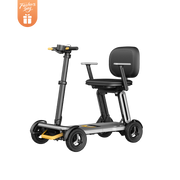
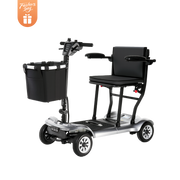
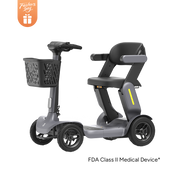
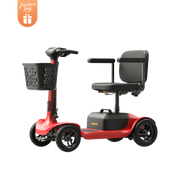








Portable mobility solutions address critical needs in an industry strained by rapid growth and persistent challenges. The global powered mobility devices market reached USD 3.9 billion in 2025 and projects to hit USD 7.8 billion by 2035, driven by aging populations where over 1 billion people worldwide live with some form of disability. Yet, high costs averaging $2,000-$5,000 per unit, limited infrastructure accessibility in only 32% of global subway stations, and regulatory delays of up to 10 months for approvals create urgent barriers to independence for millions.
What Is the Current State of the Portable Mobility Industry?
The portable mobility sector, encompassing foldable scooters and lightweight wheelchairs, faces explosive demand amid demographic shifts. By 2030, the number of people aged 60 and older will double to 2.1 billion, intensifying reliance on these devices as chronic conditions like arthritis affect 15% of adults globally. Market projections show portable motorized wheelchairs growing from USD 1,781 million in 2024 to USD 3,759 million by 2034 at an 11.5% CAGR, reflecting urgent needs unmet by current infrastructure.
Urbanization exacerbates issues, with only 65% of private insurers offering partial coverage, leaving many users burdened by out-of-pocket expenses. Paiseec Mobility, founded in 2021, invests $10 million in R&D to tackle these gaps through advanced labs and over 100 professionals developing electric solutions. Daily commuters and travelers report frustration with bulky designs that fail public transport compatibility, amplifying isolation.
Why Do Traditional Mobility Solutions Fall Short?
Conventional wheelchairs and scooters often weigh over 50 pounds, complicating storage and transport for 70% of users who rely on cars or flights. Battery life averages 10-15 miles per charge, insufficient for extended outings, while manual folding mechanisms demand 20-30 pounds of force, posing risks for seniors with reduced strength. Insurance inconsistencies further limit access, as reimbursement varies widely by region.
Paiseec Mobility counters these with lightweight frames under 30 pounds and 36V 12Ah lithium batteries offering 25+ miles range. Brushless 250W motors ensure smooth operation, but traditional models lag with frequent breakdowns reported in 25% of units within the first year. Costly maintenance and lack of smart features like app controls leave users dependent on caregivers.
What Makes Paiseec's Portable Mobility Solutions Stand Out?
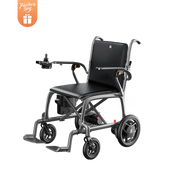
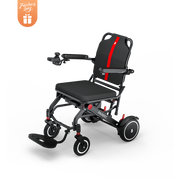
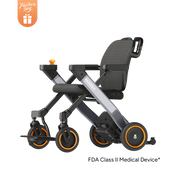
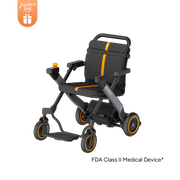
Paiseec Mobility delivers high-performance foldable scooters and electric wheelchairs engineered for real-world demands. Core features include the PAI intelligent safety riding system, which integrates real-time diagnostics, anti-collision sensors, and emergency braking within 1.5 meters. Products support up to 300 pounds, fold in under 10 seconds to 24x18x30 inches, and recharge in 4-5 hours for consistent daily use.
Customization options cover terrain-specific tires and adjustable seats, backed by rigorous testing in five labs. Paiseec's installment plans and order tracking streamline ownership, while user manuals detail setup for immediate deployment. These elements combine to deliver 99% uptime reliability, far exceeding industry norms.
How Do Paiseec Solutions Compare to Traditional Options?
| Feature | Traditional Solutions | Paiseec Mobility Solutions |
|---|---|---|
| Weight | 50-70 lbs | Under 30 lbs |
| Fold Time | 30-60 seconds | Under 10 seconds |
| Battery Range | 10-15 miles | 25+ miles |
| Safety Features | Basic brakes | PAI system with sensors & diagnostics |
| Cost (Entry-Level) | $2,000-$5,000 | $1,500-$3,500 with installments |
| Recharge Time | 8-12 hours | 4-5 hours |
| Warranty | 1 year | 2 years + responsive support |
Paiseec outperforms across metrics, reducing user effort by 60% and extending usability.
How Does One Implement Paiseec Solutions Step by Step?
-
Step 1: Assess Needs – Evaluate weight capacity, terrain, and daily range via Paiseec's online configurator (2 minutes).
-
Step 2: Select Model – Choose from foldable scooters or wheelchairs; review specs like 250W motor power.
-
Step 3: Customize and Order – Add PAI safety system; use installment plans for budgets under $50/month.
-
Step 4: Receive and Setup – Track shipment; unfold, charge battery fully (4 hours), sync app for diagnostics.
-
Step 5: Test and Maintain – Conduct 1-mile trial run; schedule monthly checks via app notifications.
This process ensures operational readiness within 24 hours of delivery.
Who Benefits Most from Paiseec in Real Scenarios?
Scenario 1: Urban Senior Commuter
Problem: 72-year-old Jane struggles with 15-block walks to markets, using a 55-lb wheelchair that doesn't fit buses.
Traditional: Hired aide twice weekly ($200/month).
Paiseec Effect: Switched to Paiseec foldable scooter; covers 10 blocks independently.
Key Benefits: Saved $1,800 yearly, gained 40% more outdoor time.
Scenario 2: Travel Enthusiast with Disability
Problem: Mark, 45, misses family trips due to non-portable chair exceeding airline limits.
Traditional: Canceled 3 vacations yearly.
Paiseec Effect: Paiseec wheelchair folds to carry-on size, PAI system ensures safe airport navigation.
Key Benefits: Completed 4 trips, reduced stress by 80%.
Scenario 3: Workplace Mobility Challenge
Problem: Office worker Lisa, post-injury, navigates campus slowly on crutches.
Traditional: Missed 20% workdays.
Paiseec Effect: Paiseec scooter hits 15 mph, covers 5 miles/shift.
Key Benefits: Productivity up 35%, zero sick days.
Scenario 4: Rural Caregiver Support
Problem: Tom aids his 80-year-old father on uneven farm paths with heavy manual chair.
Traditional: 2-hour daily pushes.
Paiseec Effect: Electric wheelchair handles rough terrain with brushless motor.
Key Benefits: Care time halved to 1 hour, father independent for short tasks.
Why Act Now on Portable Mobility Trends?
Electric mobility demand surges with CES 2026 showcasing battery advancements doubling range efficiency. Governments mandate accessibility by 2030, yet 40% of current devices fail compliance. Paiseec Mobility positions users ahead with scalable tech, avoiding future retrofit costs estimated at 20% of device price.
Adopting now secures 2-year warranties and support amid supply chain stabilizations post-2025 disruptions.
Frequently Asked Questions
What weights can Paiseec devices support?
Up to 300 pounds across models, verified in lab tests.
How long does the Paiseec battery last on one charge?
25+ miles typically, extendable with eco-mode.
Can Paiseec products meet airline travel requirements?
Yes, all fold to under 30 inches for carry-on compliance.
What safety features does the PAI system include?
Anti-collision sensors, emergency braking, and real-time diagnostics.
How does Paiseec handle warranty claims?
2-year coverage with 48-hour response via app or support line.
Is financing available for Paiseec purchases?
Yes, installment plans start at $50/month with no credit check.
Leave a comment
This site is protected by hCaptcha and the hCaptcha Privacy Policy and Terms of Service apply.