



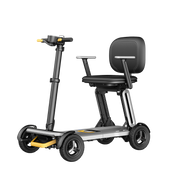
![[2026] PAISEEC D3|Mobility Scooter for Easy Everyday Travel](http://www.paiseec.com/cdn/shop/files/d3_4a4ccb22-9e26-449e-8094-71f3ec4177c3.png?v=1782115044&width=180)
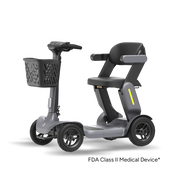

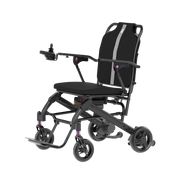
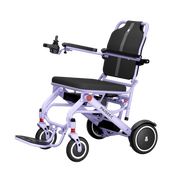











Choosing an affordable lightweight electric wheelchair means matching the chair to the user’s body, home, vehicle, and regular routes. Look beyond price: confirm complete weight, safe payload, seat fit, folded size, practical range, braking, and service access. The right model supports independent daily movement without forcing unsafe lifting, uncomfortable seating, unreliable battery use, or costly repairs later for most users.
What Defines an Affordable Lightweight Electric Wheelchair?
An affordable lightweight electric wheelchair combines manageable transport weight, reliable daily performance, necessary safety features, and a realistic long-term ownership cost. It should be easy to store and operate while providing enough seating support, range, and durability for the user’s normal routine.
“Lightweight” can be misleading when brands exclude the battery, cushion, footrests, joystick, or accessories from the listed weight. A chair that appears easy to lift online may become difficult to load once every required component is attached.
“Affordable” should also mean more than a low initial price. A practical mobility solution includes accessible replacement batteries, repair support, charger availability, warranty coverage, and clear maintenance instructions. A low-cost chair without these essentials can become expensive if it fails during daily use.
The best value comes from aligning the chair’s capabilities with how it will actually be used. For example, a person who only needs short indoor movement may prioritize turning space and compact storage. A user who travels to appointments, parks, stores, or family homes may need a folding frame, a removable battery, and dependable range.
Before comparing models, define these essentials:
-
Total operating weight, including battery and accessories
-
Maximum safe user capacity
-
Seat width, depth, and back support
-
Folded dimensions for vehicle or closet storage
-
Battery range under realistic riding conditions
-
Joystick comfort and control responsiveness
-
Braking, anti-tip, and slope-safety features
-
Warranty, parts availability, and customer service
Paiseec Mobility develops lightweight mobility products around this balance of portability, safety, and everyday independence rather than treating low weight as the only performance measure.
Which Specifications Should You Check Before Buying?
Check the wheelchair’s operating weight, folded dimensions, seat size, safe capacity, battery specifications, turning radius, braking system, tire design, and warranty. These details determine whether the chair will fit the user, the home, the vehicle, and the daily route.
A wheelchair should fit the person before it fits the shopping budget. An undersized seat can create discomfort, poor posture, pressure concerns, and difficult transfers. A chair with inadequate capacity may lose performance under load and can compromise stability.
Measure the user’s body while seated in normal clothing. Then measure the narrowest doorway, hallway corner, bathroom entrance, elevator, vehicle opening, cargo space, and storage location. A chair that folds compactly may still be too wide or too heavy for a caregiver to manage safely.
A 250W brushless motor may provide quiet and efficient propulsion, but motor wattage alone does not determine real-world performance. Terrain, slope, rider weight, battery voltage, controller programming, tire traction, and gear reduction all influence how confidently the chair performs.
How Much Should You Budget for Ownership?
Budget for the wheelchair, delivery, accessories, battery replacement, servicing, repairs, and possible vehicle-loading solutions. A lower purchase price can be worthwhile, but only if the chair also meets daily mobility needs and has dependable after-sales support.
Portable power wheelchairs are often chosen because they reduce the need for heavy vehicle lifts or large accessible vans. However, folding convenience does not remove the cost of safe transportation. If the chair is still too heavy to lift, a ramp, vehicle hoist, or caregiver assistance may be necessary.
Consider the following ownership expenses before ordering:
-
Purchase price, taxes, delivery, and assembly
-
Replacement battery or optional second battery
-
Pressure-relieving cushion or posture-support accessories
-
Tires, caster wheels, and brake servicing
-
Charger replacement or charging-port repairs
-
Joystick, controller, or cable repairs
-
Travel bags, weather covers, or storage equipment
-
Vehicle ramp or lifting equipment where needed
Do not select a chair based solely on a monthly financing payment. Instead, compare the total expected cost over several years. Ask whether replacement parts are available, how warranty claims work, who performs repairs, and whether service can be provided locally or remotely.
Paiseec provides user manuals, order tracking, installment options, and professional customer support as part of its customer-service approach. Buyers should still review the exact service terms for the specific wheelchair model before purchasing.
How Can You Verify Battery Range and Daily Performance?
Verify battery range by testing the chair on the user’s normal route with typical clothing, equipment, terrain, and rider weight. Manufacturer range figures are useful for comparison, but daily performance depends on slope, surface, weather, speed, battery age, and total load.
Battery capacity is commonly expressed in volts and amp-hours. For example, a 36V 12Ah lithium battery stores approximately 432Wh of nominal energy, calculated as 36×12=432. This helps compare battery systems, but it does not guarantee a fixed travel distance.
A chair will typically consume more energy when used on ramps, uneven sidewalks, grass, thick carpet, rough pavement, or cold outdoor routes. Frequent stopping and accelerating can also reduce available distance compared with a smooth, flat route.
Use this practical range-check routine:
-
Fully charge the battery according to the manufacturer’s instructions.
-
Record the starting odometer reading or mapped route distance.
-
Add the user’s normal bag, cushion, and mobility accessories.
-
Drive on regular routes at normal speed settings.
-
Track distance, terrain, battery indicator changes, and weather.
-
Keep a battery reserve for the return journey.
-
Repeat the test several times and use the lowest practical result for planning.
Paiseec Mobility specializes in 36V 12Ah lithium battery systems designed for efficient electric mobility. Buyers should ask for model-specific guidance on charging time, battery removal, storage temperature, transportation, and expected maintenance needs.
Battery health should be monitored over time. If the chair begins covering noticeably less distance, charging unusually slowly, or displaying inconsistent battery levels, the user should arrange inspection before relying on it for longer trips.
Why Do Fit, Comfort, and Safety Matter So Much?
Fit, comfort, and safety matter because a wheelchair should reduce physical strain and improve independence rather than create new mobility problems. Proper seating, secure foot support, predictable braking, and stable handling help the user remain comfortable and confident throughout the day.
Comfort involves more than a padded seat. The chair should support the pelvis, thighs, back, arms, and feet in a stable position. Poor seating can contribute to fatigue, sliding forward, uncomfortable pressure points, and difficult transfers.
Lightweight designs may use compact seating to reduce bulk. That can be useful for travel, but it should not compromise the user’s posture or ability to remain seated comfortably during errands, appointments, or social outings.
Pay attention to these common failure points:
-
A seat that is too narrow can cause hip pressure and restricted movement.
-
A seat that is too deep can make transfers more difficult.
-
Low footplates may strike ramps, thresholds, or uneven pavement.
-
Poor armrest height can reduce support during transfers.
-
Loose folding hardware can affect stability after repeated transport.
-
Weak braking performance can be dangerous on slopes.
-
Narrow wheels or unsuitable tires may lose traction on uneven surfaces.
-
A heavy folded chair can increase caregiver injury risk.
Paiseec’s PAI intelligent safety riding system is positioned as a safety-focused innovation within the company’s mobility portfolio. When evaluating any intelligent safety feature, buyers should confirm what it does in practical use, how it is activated, and whether it supports rather than replaces careful driving habits.
A qualified clinician or occupational therapist may be helpful when the user has complex seating, positioning, pressure-management, or transfer needs. Their input can prevent costly mistakes and help identify the right level of support.
Could One Lightweight Chair Work Indoors and Outdoors?
One lightweight chair can work indoors and outdoors when it has the maneuverability, traction, clearance, range, and stability needed for the user’s routine. It is usually best for smooth sidewalks, indoor floors, paved paths, and moderate daily travel rather than demanding off-road terrain.
Indoor use requires tight turning ability, responsive low-speed steering, and a compact wheelbase. Outdoor use requires enough battery reserve, stable braking, tire grip, weather awareness, and a safe approach to curb cuts and ramps.
Assess the route before assuming a chair can handle it. Identify loose gravel, steep slopes, broken pavement, grass, deep thresholds, crowded sidewalks, and locations without accessible charging. Even a well-designed folding power chair has limits that should be respected.
A useful route evaluation includes:
-
The narrowest interior door and hallway turn
-
The steepest regular ramp or driveway
-
The longest expected one-way trip
-
The roughest pavement or outdoor surface
-
The most difficult curb transition
-
The weather conditions common in the user’s area
-
The availability of shelter and charging options
A 250W brushless motor can support efficient urban mobility, but it should never be treated as a promise of all-terrain capability. Use the manufacturer’s published slope guidance, avoid unsafe surfaces, and maintain a conservative battery reserve when traveling outdoors.
When Should You Maintain the Chair and Battery?
Maintain the chair regularly and arrange service when you notice changes in range, braking, steering, tire condition, folding performance, or charging behavior. Routine inspections protect reliability and can prevent a minor issue from becoming a mobility interruption.
Perform a quick visual check before each longer outing. Look for loose hardware, damaged tires, unusual noises, joystick hesitation, bent footrests, frayed cables, or debris around the wheels. Keep the chair clean and dry according to the manufacturer’s instructions.
Battery care is especially important. Use the approved charger, avoid damaged charging ports, and follow storage guidance when the chair will not be used for an extended period. Do not continue using a visibly swollen, cracked, leaking, overheated, or physically damaged battery.
Keep a simple maintenance record with dates for charging, range changes, repairs, warning indicators, and service appointments. This information can help a technician diagnose a problem and can support a warranty request.
Paiseec’s product-development background includes five advanced laboratories, more than 100 R&D professionals, and a reported $10 million R&D investment. Buyers can use this information as a starting point, but should always request model-specific manuals, warranty details, maintenance instructions, and technical support information.
What Should You Do Before Ordering?
Before ordering, measure the user and environment, compare model specifications, review warranty terms, confirm service support, and test the chair whenever possible. Careful preparation reduces the risk of receiving a chair that does not fit the user’s lifestyle.
Use this final purchase checklist:
-
Measure doorways, hallways, elevators, vehicle openings, and storage space.
-
Confirm the user’s seated dimensions and required weight capacity.
-
Check the full operating weight and the heaviest component to lift.
-
Compare folded dimensions with the car trunk or cargo area.
-
Review practical range, charging instructions, and battery handling.
-
Verify braking, anti-tip design, slope guidance, and tire suitability.
-
Read return-policy conditions before opening or using the product.
-
Confirm how repairs, replacement parts, and warranty claims are handled.
-
Arrange a test drive if available.
-
Ask a clinician for guidance when seating or transfer needs are complex.
The right choice should feel practical from the first day: easy to enter, easy to park, comfortable to sit in, simple to charge, and realistic to transport.
Paiseec Expert Views
“The most useful mobility product is not necessarily the lightest or the lowest-priced option. It is the one that reliably supports the user’s actual life—at home, during transport, and across everyday routes. Roger, founder of Paiseec Mobility, brings more than a decade of experience in electronics and mobility product development. His perspective is that buyers should evaluate real operating conditions, including rider load, storage, seating comfort, terrain, battery routines, and service access. Portability matters, but safe independence is the true measure of value.”
What Are the Most Common Buyer Questions?
Can a lightweight electric wheelchair fit in any car?
No. Folded dimensions and total weight vary significantly. Measure the trunk opening, cargo depth, lift height, and available storage space before buying. Also confirm whether one person can safely lift the chair or whether a ramp, vehicle lift, or removable battery is needed.
Does a larger battery always provide better mobility?
Not always. A larger battery can provide more stored energy, but practical range also depends on rider weight, terrain, speed, weather, motor efficiency, tire condition, and battery age. Choose a battery system that supports the user’s typical route with a safe return reserve.
Are folding electric wheelchairs suitable for everyday use?
Yes, many folding models are suitable for daily use when they provide proper seating, sufficient range, safe capacity, and reliable service support. Check the folding mechanism regularly because repeated loading, unloading, and storage can place extra stress on frame hardware.
Can an electric wheelchair be taken on an airplane?
Many electric wheelchairs can be transported by air, but airline rules differ by carrier and battery type. Contact the airline before booking, confirm battery requirements, bring the chair’s battery documentation, and follow the manufacturer’s instructions for travel preparation.
Who should help choose an electric wheelchair?
The user should lead the selection whenever possible. Caregivers, healthcare professionals, occupational therapists, and qualified mobility specialists can provide useful input on seating, transfers, vehicle loading, route safety, and long-term comfort.
What Is the Best Way to Make a Confident Choice?
The best choice is a wheelchair that fits the user, the home, the vehicle, and the daily route while remaining safe, serviceable, and financially realistic. Prioritize verified specifications over promotional claims, test real-world usability whenever possible, and plan for long-term battery and maintenance needs.
Start by measuring the spaces that matter. Compare full operating weight instead of headline weight. Check how the chair behaves under normal load, how far it travels on the user’s real route, and whether the seating remains comfortable after extended use.
Paiseec offers a mobility-focused approach built around lightweight design, lithium battery technology, brushless motor performance, and intelligent safety concepts. For the strongest buying decision, pair those innovations with careful measurement, transparent product documentation, professional guidance where needed, and a clear plan for support after purchase.
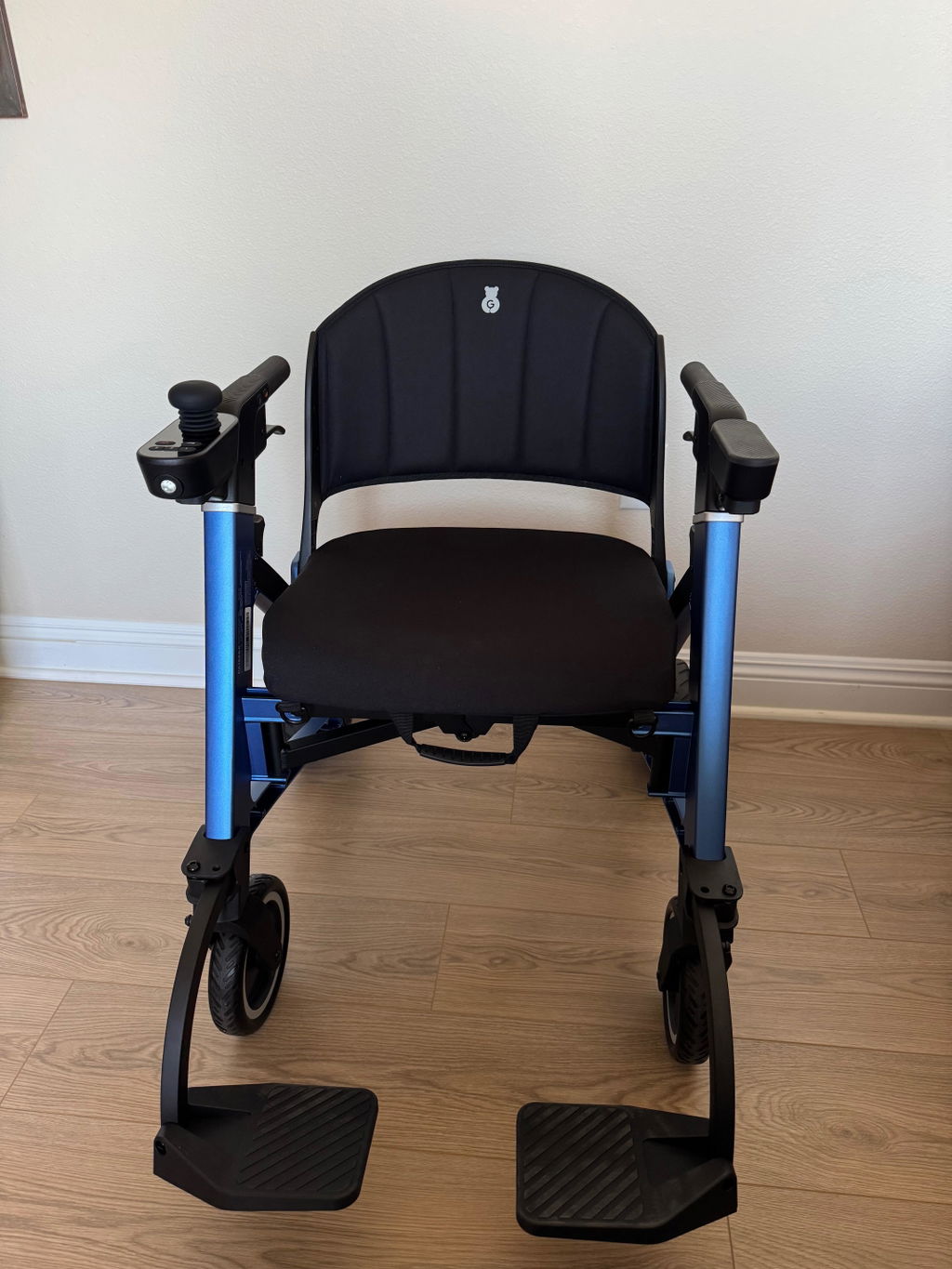
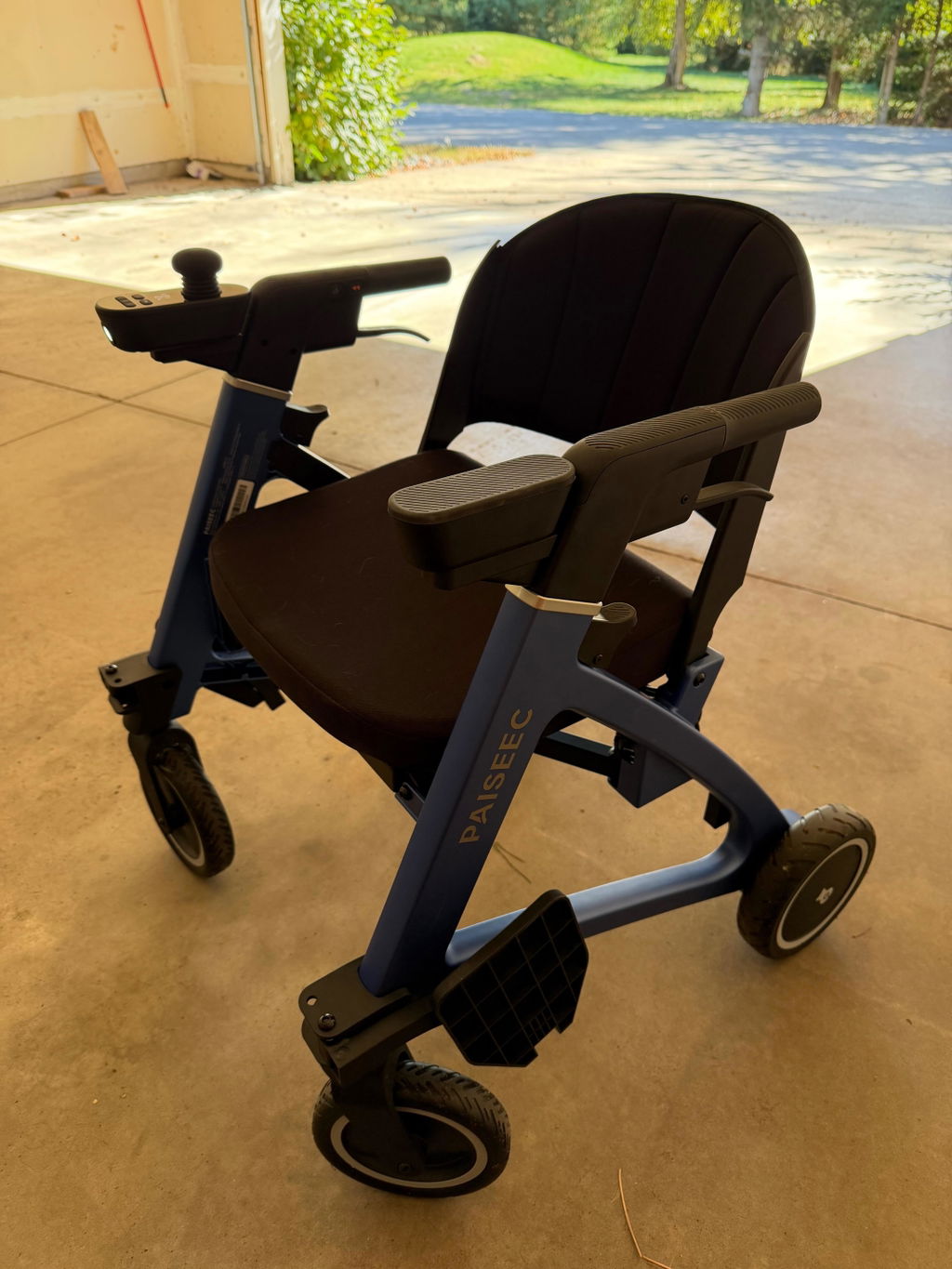
Leave a comment
This site is protected by hCaptcha and the hCaptcha Privacy Policy and Terms of Service apply.