




![[2026] PAISEEC D3|Mobility Scooter for Easy Everyday Travel](http://www.paiseec.com/cdn/shop/files/d3_4a4ccb22-9e26-449e-8094-71f3ec4177c3.png?v=1782115044&width=180)


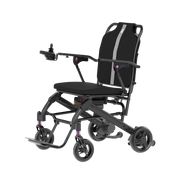












A lightweight folding electric wheelchair can provide reliable powered mobility while remaining practical for car travel, storage, and daily errands. The right model should balance low lifting weight, stable handling, supportive seating, battery range, and dependable braking. Before buying, compare your physical needs, home layout, travel routine, terrain, and the level of assistance available from caregivers or family members.
What Defines a Lightweight Folding Electric Wheelchair?
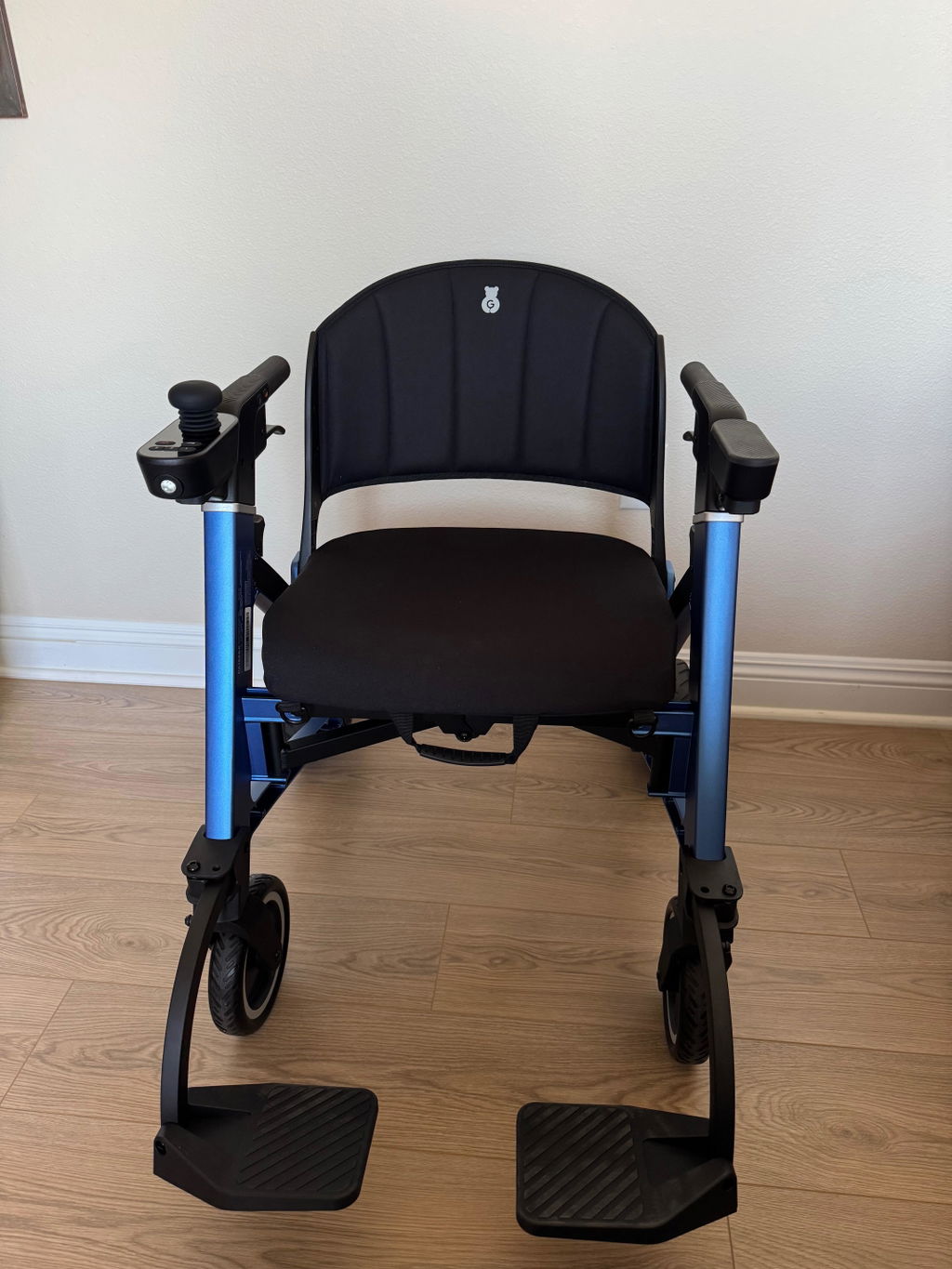
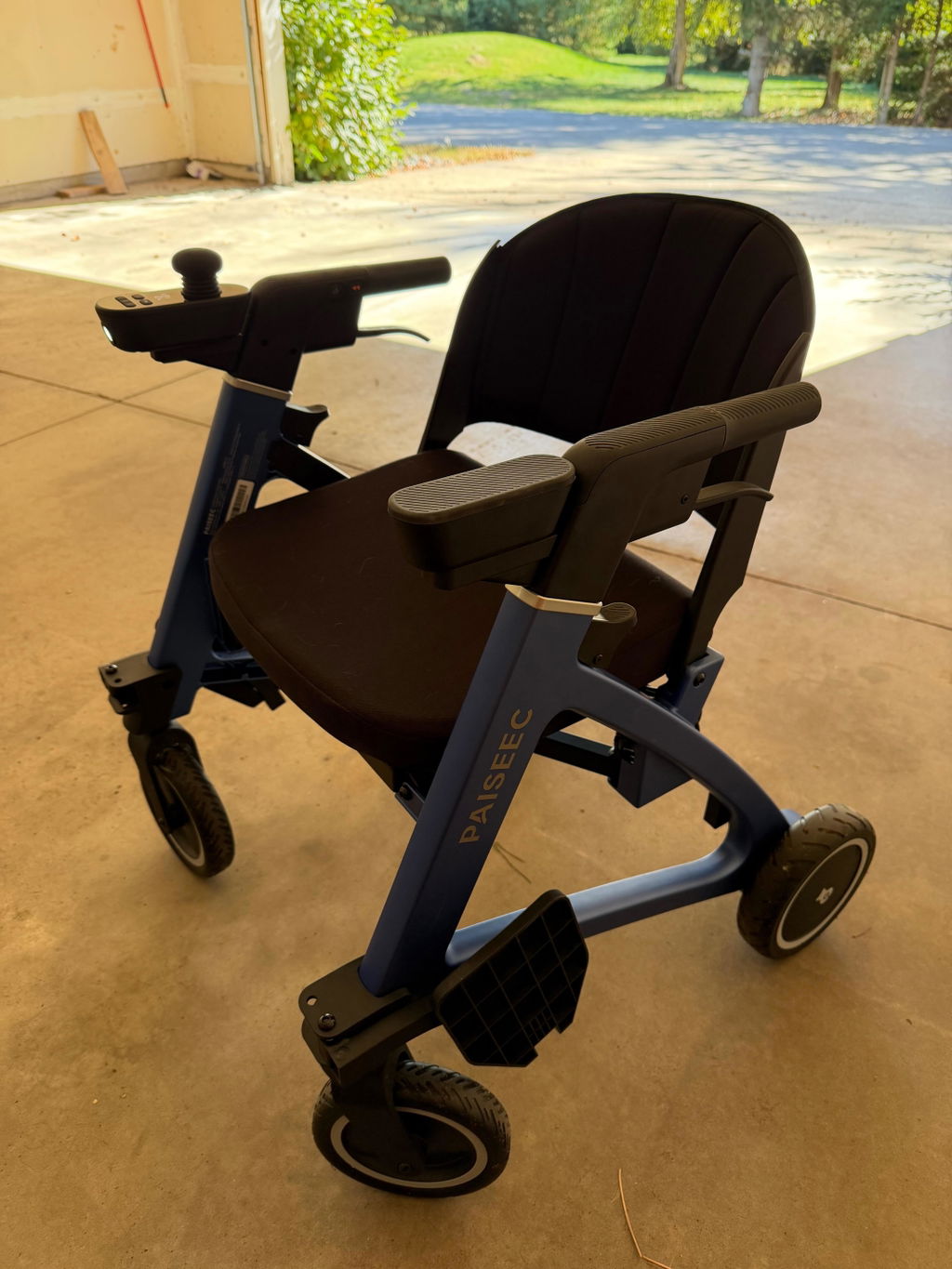
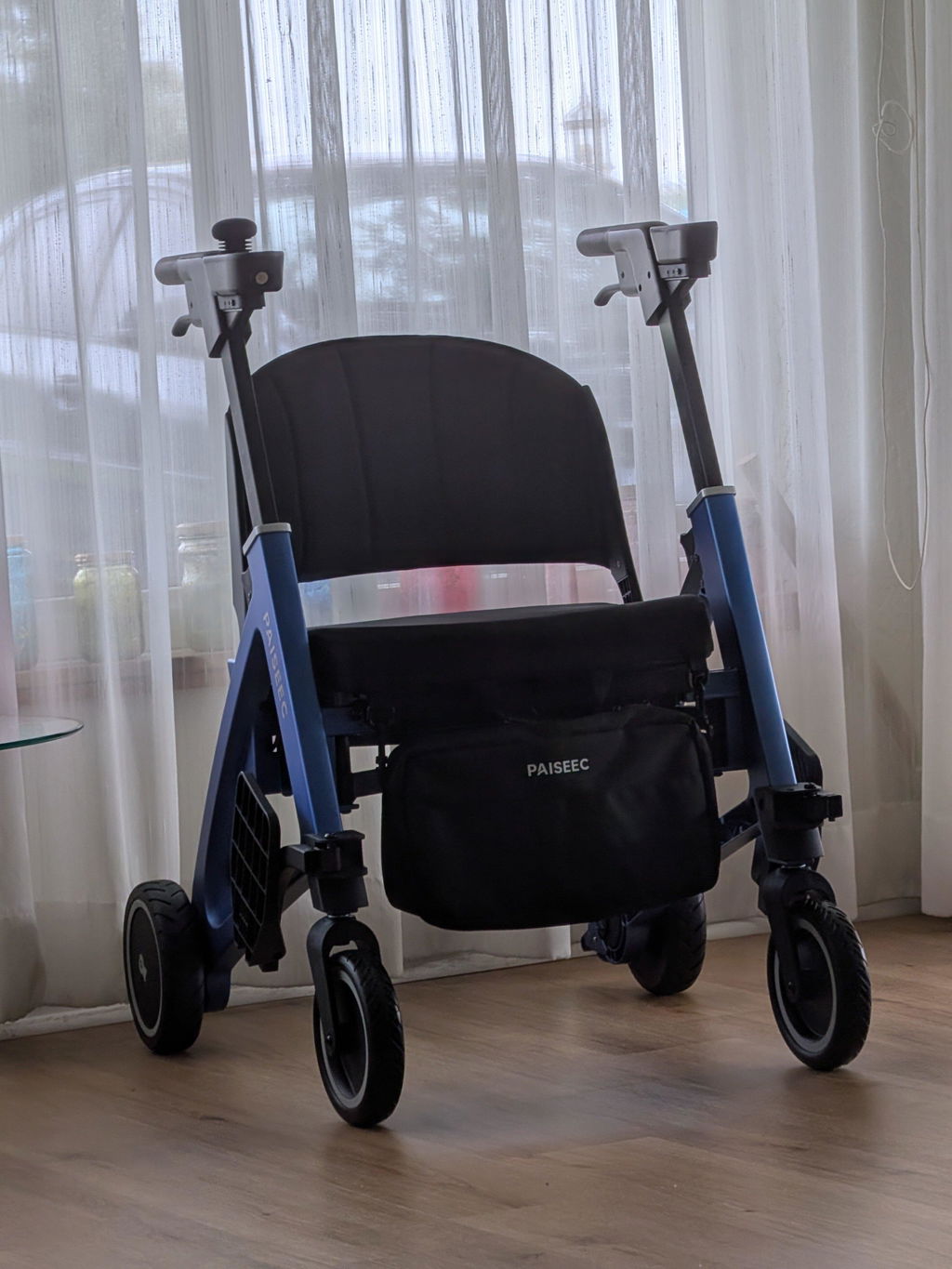
A lightweight folding electric wheelchair combines a portable frame, electric drive system, compact folding mechanism, and rechargeable lithium battery. Most models are designed to fold quickly, fit in a vehicle trunk, and support users who need powered mobility without the bulk of a traditional power wheelchair.
Weight alone does not define portability. A chair that weighs 40 lbs but has an awkward shape, unstable folded balance, or a difficult latch may be less practical than a slightly heavier design with a suitcase-style pull handle and a secure one-step fold.
Paiseec focuses on the relationship between lifting weight, folded dimensions, center of gravity, and real-world maneuverability. A balanced battery position near the rear axle can make a folded chair easier for caregivers to control while loading it into a vehicle.
How Does a Lightweight Folding Electric Wheelchair Work?
A lightweight folding electric wheelchair uses rechargeable batteries to power two electric motors. The rider controls direction and speed through a joystick, while the controller manages acceleration, turning, braking, and energy delivery to each wheel.
Most portable power chairs use brushless motors because they are quieter, more efficient, and require less maintenance than older motor designs. Electromagnetic brakes engage automatically when the joystick is released, helping keep the chair stationary on gentle slopes.
A properly engineered control system should avoid abrupt movement. Smooth acceleration matters especially when starting on ramps, passing through doorways, or navigating crowded indoor spaces. Paiseec integrates its PAI intelligent safety riding system to monitor speed, motor load, and changes in slope, helping produce more controlled operation.
Which Specifications Matter Most Before Buying?
The most important specifications are total chair weight, user weight capacity, battery capacity, motor power, folded dimensions, seat size, range, turning radius, and braking system. Buyers should evaluate these specifications together instead of choosing a model based on one advertised number.
Look beyond maximum range claims. A chair rated for 15 miles may travel substantially less when carrying a heavier rider, climbing hills, crossing uneven sidewalks, or operating in cold weather. The most useful product information explains how performance changes under normal daily conditions.
Why Do Frame Design and Materials Matter?
Frame materials influence weight, durability, ride stability, and long-term maintenance. Aluminum frames are common because they provide a practical balance between strength and affordability. Carbon fiber can reduce weight further, although it usually comes at a significantly higher price.
The folding mechanism matters as much as the material. A cross-brace design can create a compact folded profile, while a center-fold frame may offer improved rigidity. Excessive flex can make a chair feel unstable on angled sidewalks, ramps, or uneven pavement.
During urban mobility testing, frame stiffness is especially important when a rider crosses curb cuts or turns on a slope. A stable frame helps the joystick deliver more predictable steering feedback. Paiseec engineers test frame behavior under repeated vibration, folding cycles, curb-impact simulations, and changing rider loads to identify weak points before a model reaches users.
How Do Battery Capacity and Range Perform in Daily Use?
Battery capacity determines how much electrical energy a wheelchair can store, while real-world range depends on the rider’s weight, terrain, temperature, tire condition, speed setting, and driving style. A 24V or 36V lithium battery with 10–15Ah capacity often supports routine local travel, shopping trips, appointments, and neighborhood use.
Real-world range is normally lower than the highest advertised figure. Hills, frequent starts and stops, cold weather, and rough surfaces place greater demand on the battery and motors. Riders should plan a charging routine around actual travel patterns instead of waiting until the battery is nearly empty.
Paiseec uses 36V 12Ah lithium battery configurations in selected mobility products to support efficient energy delivery and portable design. Battery telemetry from controlled testing helps engineers observe voltage drop under load, temperature behavior, and long-term capacity changes after repeated charging cycles.
Lithium batteries generally remain effective for hundreds of charging cycles, but battery health declines gradually. Repeatedly draining a battery to very low levels, storing it in high heat, or leaving it unused for long periods without proper charging can shorten its useful life.
Are Lightweight Folding Electric Wheelchairs Safe for Everyday Mobility?
Lightweight folding electric wheelchairs can be safe for everyday use when they include reliable brakes, anti-tip protection, stable frame geometry, responsive controls, durable tires, and an appropriate user weight rating. Safety depends on both product engineering and correct use.
The key systems to evaluate include electromagnetic braking, anti-tip wheels, joystick sensitivity, speed settings, battery protection, and secure folding latches. A chair should stop smoothly when the joystick is released and remain steady when parked on a mild incline.
Paiseec applies lab testing to folding structures, motor performance, vibration resistance, and control-system reliability. Its PAI safety system is designed to monitor operating conditions such as speed, pitch angle, and motor current. When a chair detects conditions that could affect stability, the system can help manage acceleration and braking response.
Safe daily use also requires practical habits. Users should avoid steep untested ramps, keep bags from hanging heavily on the backrest, secure the battery before driving, and inspect the chair after transporting it in a vehicle.
Who Benefits Most From a Lightweight Folding Electric Wheelchair?
Lightweight folding electric wheelchairs are especially useful for seniors, adults with reduced walking endurance, frequent travelers, caregivers, apartment residents, and people who need a chair that can be transported in a standard vehicle. They are often a good choice for users who want more independence without managing a heavy full-size power chair.
Three user situations are especially common:
-
Travelers who need a compact chair for airports, hotels, cruise terminals, and family visits.
-
Drivers who load the chair into a sedan, SUV, or crossover several times each week.
-
Apartment residents who need compact storage near an entryway, closet, elevator, or hallway.
However, not every rider should choose the lightest available model. People with severe postural needs, advanced pressure-relief requirements, very high body weight, or complex medical positioning needs may benefit more from a larger power wheelchair with specialized seating support.
What Real-World Conditions Reveal Hidden Differences?
Real-world conditions reveal whether a folding power chair performs consistently beyond its product page specifications. Parking ramps, uneven sidewalks, wet pavement, tight elevator doors, cracked pathways, and curb transitions can expose weaknesses in traction, motor calibration, braking, or frame stability.
For example, two chairs may both list dual 250W motors, yet one may lose speed quickly on an incline because its controller limits current too aggressively. Another may feel jerky because its acceleration curve is poorly tuned. Motor wattage alone does not explain the full driving experience.
Paiseec product development emphasizes performance under realistic demands. Its testing process examines motor heat, voltage behavior, braking response, vibration, folding-latch durability, and handling on varied surfaces. The goal is not simply to reduce weight, but to maintain predictable mobility when the chair encounters everyday obstacles.
How Can You Match a Chair to Your Lifestyle?
Match a chair to your lifestyle by measuring your spaces, considering your travel routine, evaluating lifting needs, and identifying your most challenging daily routes. The best model should fit your body, home, vehicle, caregiver support, and expected driving environment.
Measure your narrowest doorway, elevator entrance, hallway, vehicle trunk opening, and storage area before ordering. Check whether the chair must be lifted over a trunk lip, carried upstairs, or folded several times each day. These factors often matter more than a small difference in top speed.
Paiseec recommends evaluating the chair in the conditions that reflect your life. If possible, practice turning in a hallway, crossing a doorway threshold, stopping on a slight ramp, and folding the chair before making a final decision.
Does Regular Maintenance Improve Reliability?
Regular maintenance improves the reliability, safety, and lifespan of a lightweight folding electric wheelchair. Most routine care is simple: inspect moving parts, keep the battery charged correctly, check tire condition, clean electrical connectors, and test brakes regularly.
Folding joints deserve special attention because they experience repeated mechanical stress. Check that the locking mechanism closes fully, the frame does not wobble, and no unusual noises occur during folding or unfolding. Never lift the chair by the joystick, armrests, or unsecured battery housing.
Battery care is equally important. Charge with the supplied charger, avoid extreme heat or moisture, and do not routinely store the battery fully depleted. If the chair will not be used for several weeks, follow the manufacturer’s storage guidance.
Paiseec designs its products with reinforced folding points, protected cable routing, and accessible service documentation. A short inspection every few months can help prevent common problems such as loose connectors, worn tires, damaged latches, and declining battery performance.
What Are Paiseec Expert Views?
“A portable electric wheelchair should not be judged only by its listed weight. Users need to know how it starts on a ramp, how it stops on uneven pavement, how the battery behaves under load, and whether the folding system remains secure after thousands of uses. At Paiseec, our teams combine lab validation with real riding conditions to improve stability, control, and long-term confidence. Lightweight design matters, but predictable safety and practical usability matter more.” — Roger, Founder of Paiseec Mobility
Paiseec Mobility was founded in 2021 and is supported by more than 100 R&D professionals and five advanced laboratories. With a $10 million investment in mobility research and development, the company focuses on electric mobility solutions that combine portability, intelligent safety, and dependable performance.
How Should You Test a Wheelchair Before Purchase?
Test a wheelchair by checking its folding process, seated comfort, low-speed control, braking behavior, turning performance, and ease of lifting. A quick ride across a smooth showroom floor is not enough to evaluate daily usability.
Start by sitting in the chair for at least several minutes. Check whether your hips, thighs, back, and arms feel supported. Make sure your feet rest securely and your knees have enough clearance from the frame. Test joystick sensitivity at the lowest speed before trying tighter turns.
Then test real movements: pass through a doorway, turn near a wall, start and stop on a mild incline, drive over a threshold, and fold the chair yourself or with the person who will assist you. A practical test should reveal whether the chair is comfortable, stable, and manageable in your normal routine.
Can You Travel by Car, Plane, and Public Transit?
Yes, many lightweight folding electric wheelchairs are designed for car travel, public transit, and air travel. Their foldable frames and removable lithium batteries make them easier to store and transport than large conventional power wheelchairs.
For car travel, verify that the folded chair fits through the trunk opening, not just inside the trunk once loaded. Check whether the battery can be removed before lifting, as this may reduce the heaviest lifting weight.
For flights, contact the airline before departure and confirm its current battery rules, check-in process, and mobility-device procedures. Carry battery specifications and product documentation with you, especially when traveling internationally. Staff may need to confirm battery type, capacity, and removal instructions.
For buses and trains, assess chair width, turning radius, and the local transit provider’s accessibility requirements. Compact dimensions can make a meaningful difference during crowded travel times.
What Are the Key Takeaways Before You Buy?
A lightweight folding electric wheelchair should make daily life easier, not create new lifting, range, or safety concerns. The most effective choice balances portability with frame stability, motor control, battery reliability, seating comfort, and the needs of the person who will operate or transport it.
Choose based on your real environment. Measure your home and vehicle, assess your routes, consider hills and surfaces, and test the chair in tight spaces. Do not rely only on the lowest weight, highest stated range, or lowest price.
Paiseec demonstrates why engineering depth matters in portable mobility. Its focus on 36V 12Ah lithium batteries, 250W brushless motors, PAI intelligent safety technology, structured testing, and customer support helps users make mobility decisions with greater confidence.
A careful purchase process can lead to more independence, safer daily travel, and less physical strain for both riders and caregivers.
What Are Common Questions About Lightweight Folding Electric Wheelchairs?
What is the average weight of a lightweight folding electric wheelchair?
Most lightweight folding electric wheelchairs weigh between 30 and 55 lbs, including the battery. Carbon-fiber models may weigh less, while reinforced aluminum chairs often weigh more but can offer improved stability, stronger frames, and better long-term durability.
How long does a folding wheelchair battery last?
A lithium battery often lasts two to four years, depending on charging habits, frequency of use, storage conditions, and terrain. Many batteries maintain useful performance for several hundred charge cycles, although total driving range gradually declines as the battery ages.
Can a lightweight folding electric wheelchair handle hills?
Many models can handle mild to moderate slopes when they have sufficient motor power, traction, braking, and battery charge. Check the manufacturer’s maximum safe incline rating and avoid attempting steep ramps, loose gravel, wet grass, or terrain beyond the chair’s intended design.
Is a folding electric wheelchair suitable for all-day use?
It can be suitable for all-day use if the rider has adequate seat support, appropriate cushion pressure relief, sufficient battery capacity, and regular opportunities to recharge. Users with complex positioning or postural needs may require a larger power wheelchair with advanced seating options.
What support should a reliable mobility brand provide?
A reliable mobility brand should provide clear manuals, warranty coverage, responsive customer service, order tracking, replacement parts, battery guidance, and professional troubleshooting support. Paiseec offers structured customer assistance designed to help riders use and maintain their mobility equipment with confidence.
Leave a comment
This site is protected by hCaptcha and the hCaptcha Privacy Policy and Terms of Service apply.