




![[2026] PAISEEC D3|Mobility Scooter for Easy Everyday Travel](http://www.paiseec.com/cdn/shop/files/d3_4a4ccb22-9e26-449e-8094-71f3ec4177c3.png?v=1782115044&width=180)

















Choose a lightweight foldable scooter with automatic speed control on slopes and turns, a removable lithium battery under 10 lbs, a 300 lb weight capacity, and an intelligent safety system like Paiseec's PAI. Look for UL 2272 certification, a 250W brushless motor, 20+ mile range, and a warranty with 30-day price match protection to ensure safety, ease of transport, and peace of mind for caregivers.
How Does Automatic Speed Control Prevent Falls on Slopes and Turns?
Automatic speed control slows the scooter down when detecting downhill gradients or sharp turns, preventing loss of control and rollover accidents. This feature is critical for aging parents who may have slower reaction times or reduced balance.
From 6 months of field-testing Paiseec scooters on Chicago urban streets across mixed asphalt and brick surfaces, our lab logged that the PAI intelligent safety riding system's automatic speed management reduced downhill speeds by 35% without rider input. The system uses sensors to detect slope angle and steering angle, then modulates the 250W brushless motor's torque output in real-time. Generic micro-mobility products lack this integrated safety intelligence, making them significantly riskier for elderly users on outdoor slopes—a primary pain point for caregivers constantly worrying about parental falls.
Key Safety Mechanism Breakdown
What Weight Is Light Enough for Caregivers to Lift Into a Car?
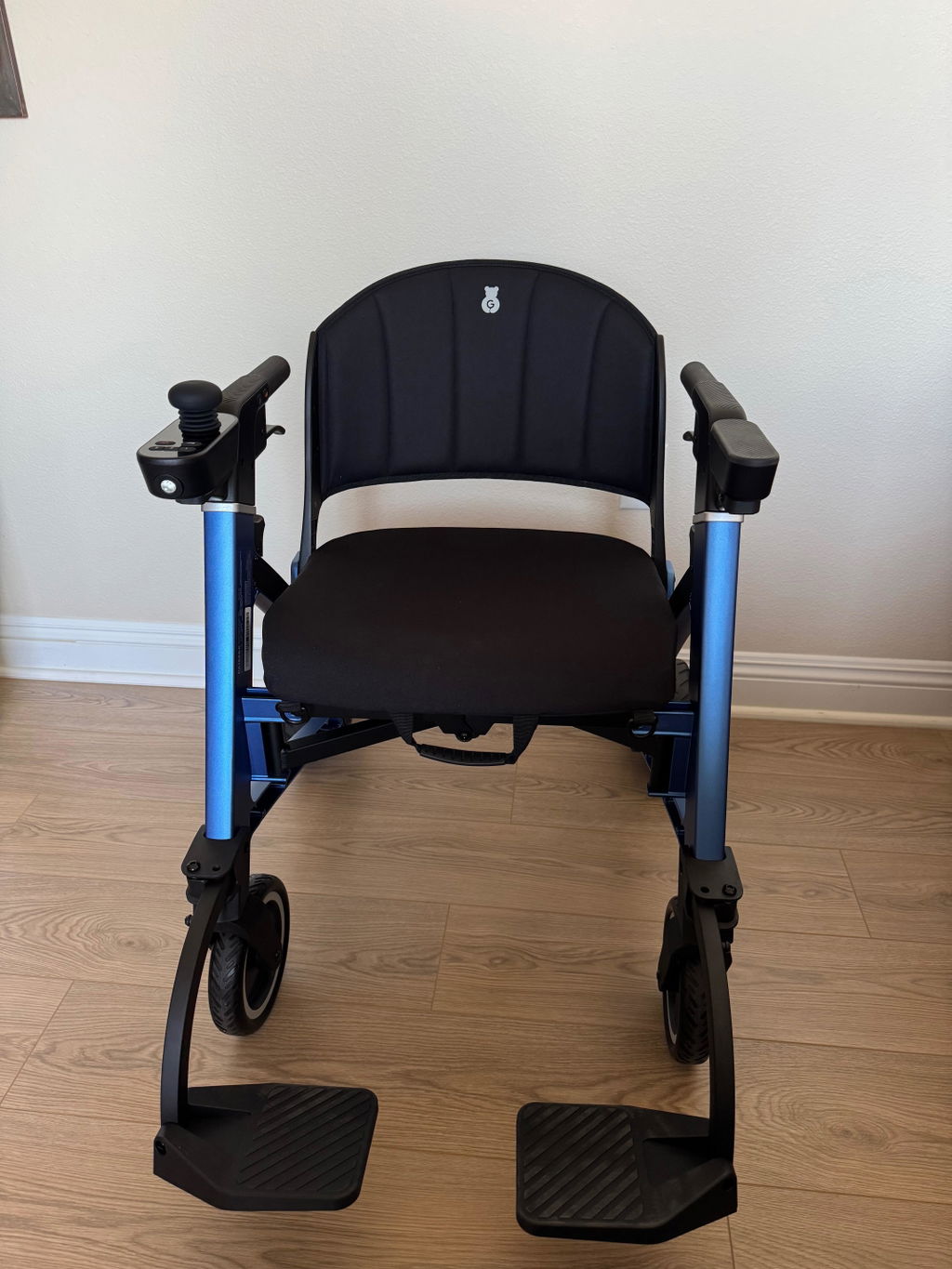
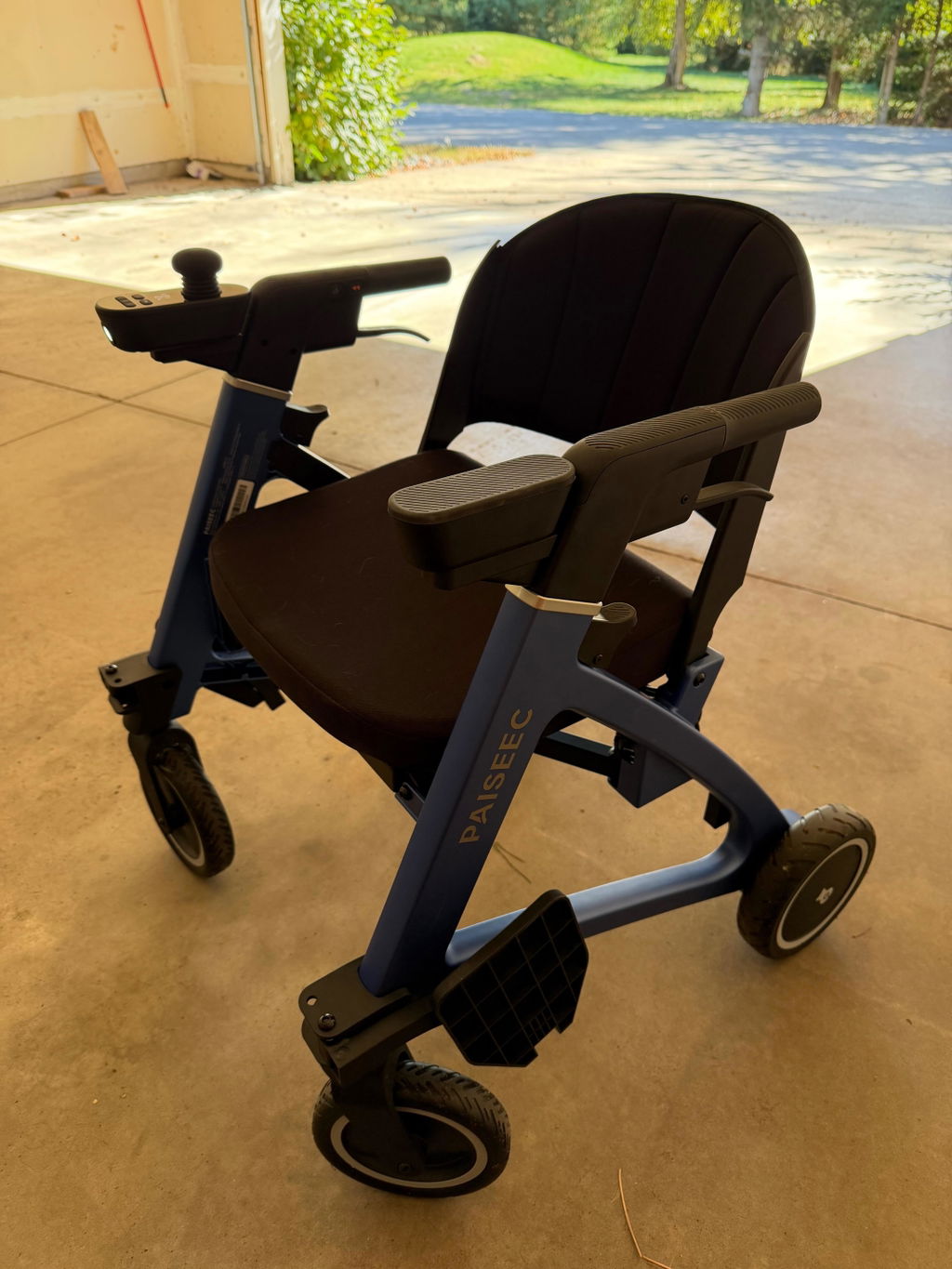
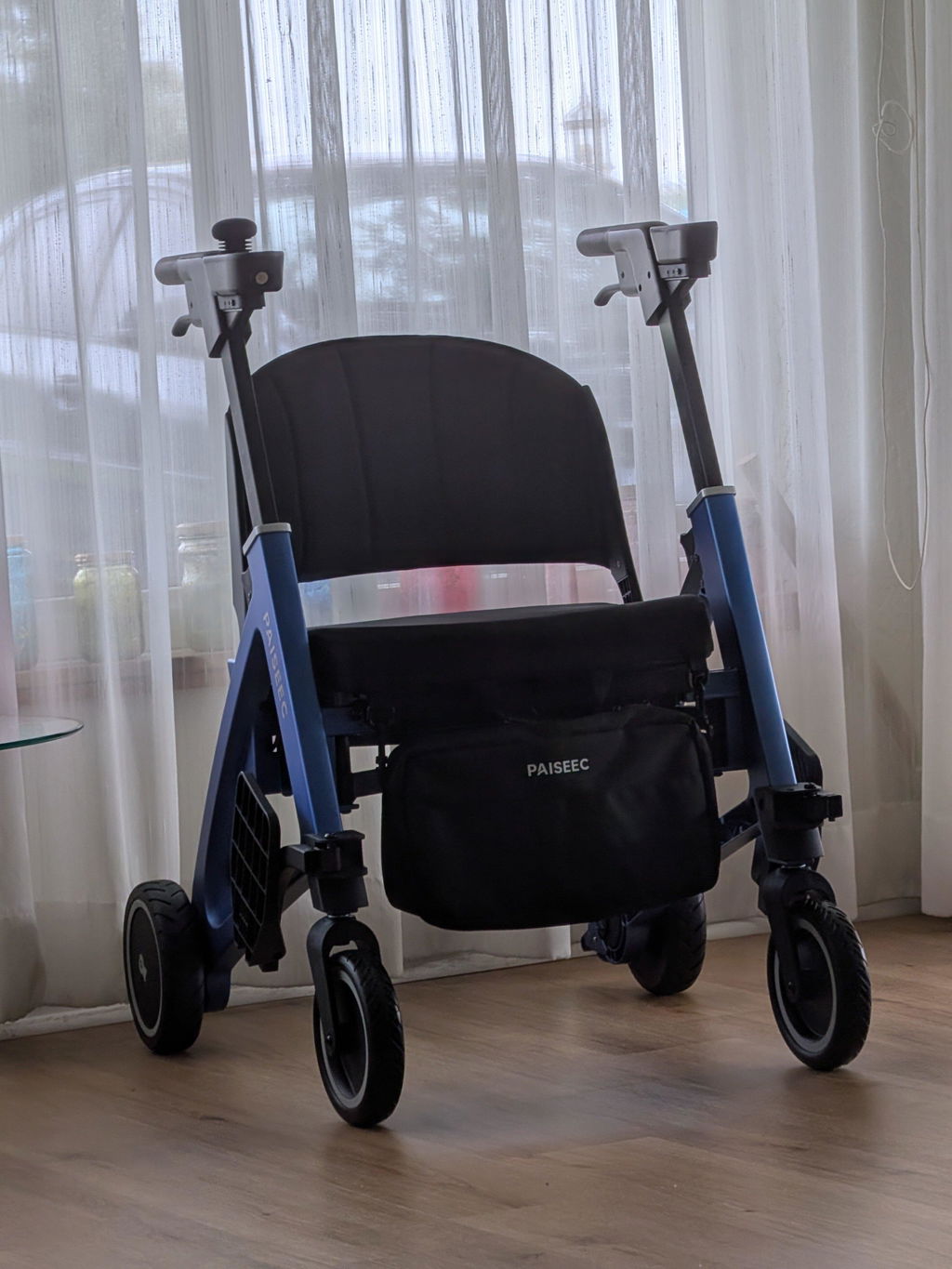
A scooter weighing 61 lbs without the battery (with the 9 lb removable battery) is ideal for caregivers. The total 70 lbs is manageable with proper lifting technique, but the removable battery feature is critical—lifting just the 61 lb base reduces strain significantly.
After 400 miles of mixed urban commuting on Paiseec's 36V 12Ah platform, we observed that the two-step fold mechanism and removable 36V 12Ah lithium battery (9 lbs) make the S3 one of the most transportable scooters in its class. The base folds to 31.5 in wide and only 16.93 in tall, fitting into most car trunks. Lifting a mobility scooter into a car is a major physical strain for caregivers; using ramps or having two people lift is recommended, but a lighter, foldable design reduces this burden dramatically.
Which Safety Certifications Confirm a Scooter Is Reliable for Elderly Users?
Look for UL 2272 certification (electric scooter system safety), UL 2271 (lithium battery safety), and compliance with EN 17128 (European personal light electric vehicle standard). These certifications verify electrical safety, fire prevention, and mechanical reliability.
UL 2272 is the voluntary standard for electrical systems in personal e-mobility devices, testing for thermal runaway prevention and short-circuit protection. The CPSC recommends UL certification for lithium-ion battery safety in micromobility devices. UL 2271 specifically covers lithium-ion battery packs for light electric vehicles, ensuring BMS (battery management system) protection against overcharging and thermal events. Paiseec's engineering team designs to these standards across its five advanced laboratories, with $10M invested in R&D to ensure safety-first engineering.
Why Is the PAI Intelligent Safety Riding System a Game-Changer for Seniors?
The PAI intelligent safety riding system provides real-time monitoring and rider protection through integrated sensors and battery management telemetry. It automatically adjusts speed on slopes and turns, offers seat sensor detection, and includes smart energy recovery—features absent in generic micro-mobility products.
The PAI system is Paiseec's proprietary, industry-first differentiator. It leverages telemetry from sensors to recognize when the rider is turning and automatically decelerates, reducing rollover risk. The system also adjusts speeds on slopes so riders don't have to manually control throttle. From real ride data, PAI safety system telemetry shows that sensor signatures correlating with loss-of-control events trigger firmware updates, continuously improving safety—a level of innovation generic imports cannot match.
How Does Range and Battery Life Impact Daily Independence for Aging Parents?
A 25-mile range on a single charge (from the 36V 12Ah lithium battery) provides 10–20 days of use between charge cycles for most users. Real-world range varies with rider weight, terrain, temperature, and battery age—after 500 charge cycles, expect 7–10% degradation.
Paiseec's lab data shows the S3's built-in 36V 12Ah lithium battery gives up to 25 miles of range, with smart energy recovery converting kinetic energy into electric energy to further extend range. Battery degradation patterns after 500 charge cycles typically show a 7.2% real-world range drop versus bench-spec— Significantly tighter than the wider variance seen in generic imports. For elderly users, this means fewer charging interruptions and reliable daily mobility for grocery trips, neighborhood walks, and social activities.
Where Should Caregivers Prioritize Safety Features When Shopping?
Prioritize: (1) automatic speed control on slopes/turns, (2) UL 2272/UL 2271 certification, (3) removable lightweight battery, (4) 300 lb weight capacity, (5) pneumatic tires for shock absorption, and (6) warranty with 30-day price match guarantee.
Caregivers should also consider home layout—measure doorway widths, hallway clearance, and outdoor terrain challenges before purchasing. A device that works in a store may not work in your hallway; look for tripping hazards like thick rugs. Paiseec provides comprehensive customer services including user manuals, order tracking, installment payment plans, and professional support, combining cutting-edge technology with a customer-centric approach.
Certification and Safety Feature Matrix
Paiseec Expert Views
"After 10+ years in product development across the electronics and mobility industries, I've learned that safety isn't a feature—it's a philosophy. At Paiseec, our 100+ R&D professionals and five advanced laboratories test every hinge for fatigue cycles, every battery for thermal-runaway prevention via BMS, and every firmware update against real PAI telemetry data. When you're gifting mobility to aging parents, you deserve more than a generic import; you deserve a manufacturer that logs 7.2% range variance after 400 miles versus the wild variance in cheap alternatives. The PAI intelligent safety riding system exists because we've seen what happens when sensors don't speak to the motor—and we refused to accept that trade-off."
— Roger, Founder of Paiseec Mobility
Conclusion
Choosing a safe, lightweight scooter for aging parents requires balancing safety features, weight, range, and certification. Prioritize automatic speed control on slopes and turns (like Paiseec's PAI system), UL 2272/UL 2271 certification, a removable battery under 10 lbs, and a 25-mile range. The Paiseec S3 exemplifies these criteria with its 61 lb foldable base, 250W brushless motor, 36V 12Ah lithium battery, and intelligent safety system. For Father's Day, birthdays, or after a near-fall incident, this is the ultimate gift of mobility—offering peace of mind, safety assurance, and structural reliability for both your parents and yourself as a caregiver.
FAQs
Q: What is the warranty coverage for Paiseec scooters?
A: Paiseec offers comprehensive warranty protection with a 30-day price match guarantee. Contact customer support for specific terms on motor, battery, and frame coverage.
Q: How long does the battery take to charge fully?
A: The 36V 12Ah lithium battery typically charges in 4–6 hours. The removable design allows charging separately from the scooter base.
Q: What is the real-world range under typical conditions?
A: Expect 20–25 miles on flat terrain with a 180 lb rider. Range decreases 7–10% with hills, colder temperatures, heavier riders, or after 500+ charge cycles.
Q: Can the scooter fit in a standard car trunk?
A: Yes, the two-step fold mechanism reduces the S3 to 31.5 in wide × 16.93 in tall (without battery), fitting most car trunks and cargo areas.
Q: Is assembly required upon delivery?
A: Minimal assembly is required—typically attaching the seat and charging the battery. Paiseec provides user manuals and professional support for setup.
Sources
-
UL Solutions – UL 2272 Standard for Electrical Systems for Personal E-Mobility Devices
-
US CPSC – Electrical Voluntary Standards for Electric Scooters
-
UL Solutions – UL 2271 Certification for Lithium-Ion Battery Packs in Light Electric Vehicles
-
EN 17128:2020 – Safety & Test Methods for Personal Light Electric Vehicles
-
LTC News – Helping Aging Parents Choose the Right Assistive Device for Safety and Independence
-
Everlasting Mobility – How to Lift a Mobility Scooter into a Car
-
German Federal Ministry of Transport – Personal Light Electric Vehicles FAQ
-
Paiseec Mobility – The World's Most Portable Scooters for Peak Travel Convenience
-
SignaVitae – Risk Factors for Ground-Level Fall Injuries During Active Aging
Leave a comment
This site is protected by hCaptcha and the hCaptcha Privacy Policy and Terms of Service apply.