




![[2026] PAISEEC D3|Mobility Scooter for Easy Everyday Travel](http://www.paiseec.com/cdn/shop/files/d3_4a4ccb22-9e26-449e-8094-71f3ec4177c3.png?v=1782115044&width=180)

















Choosing the right mobility aid for seniors starts with one question: what does the person need help doing safely and independently? The best mobility device is not automatically the lightest walker, the most advanced electric wheelchair, or the lowest-priced cane. It is the aid that fits the user’s balance, walking ability, strength, home layout, daily routine, and confidence.
Mobility aids for older adults can support safer movement, reduce strain, improve independence, and make everyday activities such as getting to the bathroom, walking outdoors, shopping, visiting family, or attending appointments more manageable. Research published in American Family Physician notes that properly selected assistive devices may improve balance, mobility, confidence, and the ability to complete daily activities.
Why Seniors Need Mobility Aids
A senior mobility aid can be useful after surgery, during rehabilitation, after a fall, with arthritis pain, reduced leg strength, Parkinson’s disease, stroke recovery, neuropathy, osteoporosis, multiple sclerosis, chronic fatigue, or reduced balance. It may also help older adults who can walk but become unsteady on uneven ground, fatigued during longer distances, or anxious about falling.
Many seniors delay using a walking aid because they worry it will make them appear dependent. In practice, the right mobility support can do the opposite. A cane, walker, rollator, wheelchair, or mobility scooter can preserve freedom by helping a person continue moving safely through familiar spaces and community settings.
The most important goal is not simply walking farther. It is making essential movement safer: standing from a chair, reaching the kitchen, navigating a hallway, crossing a parking lot, entering a clinic, or enjoying a walk without fear of losing balance.
Mobility Aid Assessment for Seniors
Before buying a senior walking aid, assess the user and the environment together. A mobility device that works in a large store may be unsuitable for a narrow bathroom doorway. A lightweight rollator may be convenient for travel but may not provide enough support for someone with severe weakness or frequent falls.
Balance and Fall Risk
A cane may be enough for mild balance difficulty, occasional knee pain, or weakness on one side. A walker offers more support when the user feels unstable, takes short shuffling steps, needs to lean heavily on furniture, or has fallen recently.
A rollator walker with a seat can suit seniors who can walk independently but need intermittent support and a place to rest. A standard walker can be safer when weight-bearing support and maximum stability matter more than speed.
If the senior has fainting episodes, severe dizziness, sudden leg weakness, new confusion, chest pain, or repeated falls, seek medical evaluation before selecting equipment. A mobility aid does not replace assessment of an underlying health condition.
Strength, Endurance, and Coordination
Ask whether the senior can grip handles, squeeze hand brakes, lift a walker over thresholds, stand from a chair, and steer safely. A manual wheelchair requires enough upper-body strength, coordination, and stamina to propel it, unless a caregiver will push it.
A power wheelchair or electric mobility scooter may be more appropriate for a person with limited walking endurance, chronic pain, severe arthritis, cardiopulmonary limitations, or reduced arm strength. However, the person must also be able to control the device safely, judge turns, and navigate indoor spaces.
Home Layout and Daily Routine
Measure doorways, hallways, bathroom entrances, elevator space, turning areas, ramps, and storage areas. A walker for narrow hallways should be slim enough to move through the home without catching furniture. A wheelchair for home use must allow enough turning room near the bed, toilet, kitchen, and living area.
Consider where the mobility aid will be used most often:
-
Indoors at home
-
Outdoors on sidewalks
-
Grocery stores and pharmacies
-
Medical facilities
-
Airports and travel destinations
-
Senior living communities
-
Uneven paths, curbs, grass, or gravel
-
Public transportation and vehicle transfers
A mobility aid for indoor use may be compact and maneuverable, while a mobility aid for outdoor use may need larger wheels, stronger brakes, better suspension, and more durable construction.
Types of Mobility Aids for Seniors
The right choice depends on the amount of support required. Moving from a cane to a walker, wheelchair, or scooter should be based on safety and function, not on a belief that one device is better than another.
Choosing a Cane for Seniors
A cane is often the best mobility aid for seniors with mild instability, mild hip pain, knee arthritis, or weakness affecting one side of the body. It provides a contact point with the floor, can improve confidence, and is easier to carry than a walker.
Choose a cane with an adjustable height, a comfortable grip, a non-slip rubber tip, and a weight rating that matches the user. A quad cane provides a broader base than a single-tip cane, but it can be heavier and may catch on uneven flooring.
For most people, the cane handle should line up around the wrist crease when standing upright with arms relaxed at the sides. The elbow should bend slightly when holding the cane. A poorly fitted cane can encourage leaning, shoulder pain, poor posture, and unsafe walking.
When walking with a cane, it is usually held in the hand opposite the weaker or painful leg. A physical therapist can confirm the safest technique, especially after stroke, joint replacement, or injury.
Choosing a Walker for Seniors
A walker provides more stability than a cane because it creates a wider support base. It can be a practical mobility aid for elderly adults who have difficulty balancing, need to reduce weight through one or both legs, or are recovering from surgery.
A standard walker has four legs and no wheels. It is highly stable but requires lifting with each step. This may be difficult for seniors with shoulder pain, hand weakness, poor coordination, or low stamina.
A two-wheel walker has wheels at the front and glide caps or legs at the back. It allows the user to push forward without lifting the entire frame, while still offering more stability than a rollator.
A walker should be adjusted so the handles sit near wrist level. The user should be able to stand upright rather than bend forward over the frame. The walker should feel stable, should not wobble, and should have intact grips and tips.
Choosing a Rollator Walker With a Seat
A rollator is a wheeled walker, often with four wheels, hand brakes, a basket or storage pouch, and a built-in seat. It is popular among older adults who can walk but tire easily, need a place to sit during outings, or want extra support outside the home.
A rollator walker is not ideal for every senior. It moves more easily than a standard walker, which means it can roll away if the user does not have adequate hand strength, brake control, attention, or balance. Seniors who lean heavily on a walker for full support may be safer with a standard walker or two-wheel walker.
Look for a rollator with:
-
Easy-to-squeeze locking brakes
-
A seat that supports the user’s weight capacity
-
A backrest for safer seated rest
-
Large wheels for sidewalks and outdoor surfaces
-
A compact folding frame for cars and storage
-
A basket, bag, or pouch that does not interfere with walking
-
Stable handles with adjustable height
-
Reflective details or lights for low-light visibility
Always test the brakes before sitting. The brakes should be locked, the rollator should be on level ground, and the user should turn fully before sitting rather than backing up unpredictably.
Choosing a Wheelchair for Seniors
A wheelchair may be appropriate when walking is unsafe, severely limited, painful, or exhausting. It can provide reliable mobility for people with advanced arthritis, neurological conditions, severe balance impairment, progressive weakness, long recovery periods, or inability to walk far enough to complete daily activities.
A transport wheelchair is best when a caregiver can push the user. It is often lighter and easier to fold into a car than a self-propelled manual wheelchair.
A manual wheelchair can support independence for seniors with enough arm strength, hand function, coordination, and endurance to propel it. Consider seat width, seat depth, footrest position, armrest style, cushion support, wheel size, brake access, and overall chair weight.
A power wheelchair may be the better choice when the senior cannot safely self-propel a manual chair, has limited endurance, needs positioning support, or requires mobility throughout the day. A clinician or occupational therapist can help determine whether a power wheelchair is suitable for home use.
The chair must fit the home, not just the user. Check doorway clearance, turning radius, bathroom access, ramp slope, vehicle transportation, and the space required to charge an electric wheelchair.
Choosing a Mobility Scooter for Seniors
A mobility scooter is often best for seniors who can sit upright, transfer on and off safely, operate a tiller or controls, and walk short distances but cannot comfortably manage longer community outings.
A three-wheel scooter usually offers a tighter turning radius and can work well in larger indoor environments. A four-wheel mobility scooter generally offers greater stability outdoors and on uneven terrain.
Important mobility scooter features include battery range, speed settings, weight capacity, ground clearance, turning radius, seat comfort, armrests, suspension, tire type, lighting, basket capacity, charger requirements, and portability.
A travel scooter can disassemble or fold for car transportation, while a full-size scooter may provide more comfort, longer range, and stronger outdoor performance. Never select a scooter based only on maximum speed. Safe braking, stable turning, visibility, and home compatibility matter more.
Senior Mobility Aid Comparison
Safety Features to Look For
The safest mobility device is one that is properly fitted, correctly maintained, and consistently used. Even high-quality equipment becomes unsafe if its brakes fail, its tips wear down, its batteries lose charge, or the user is not trained to operate it.
For walkers and canes, check rubber tips, hand grips, frame stability, folding locks, wheel condition, and height adjustment. For rollators, test the brakes, parking locks, seat stability, wheel alignment, and storage placement.
For wheelchairs and electric mobility devices, inspect tires, brakes, anti-tip wheels, footrests, joystick function, seat belt or positioning support, battery health, lights, charging equipment, and transfer safety. A mobility scooter or electric wheelchair should never be driven with a weak battery on an unfamiliar route.
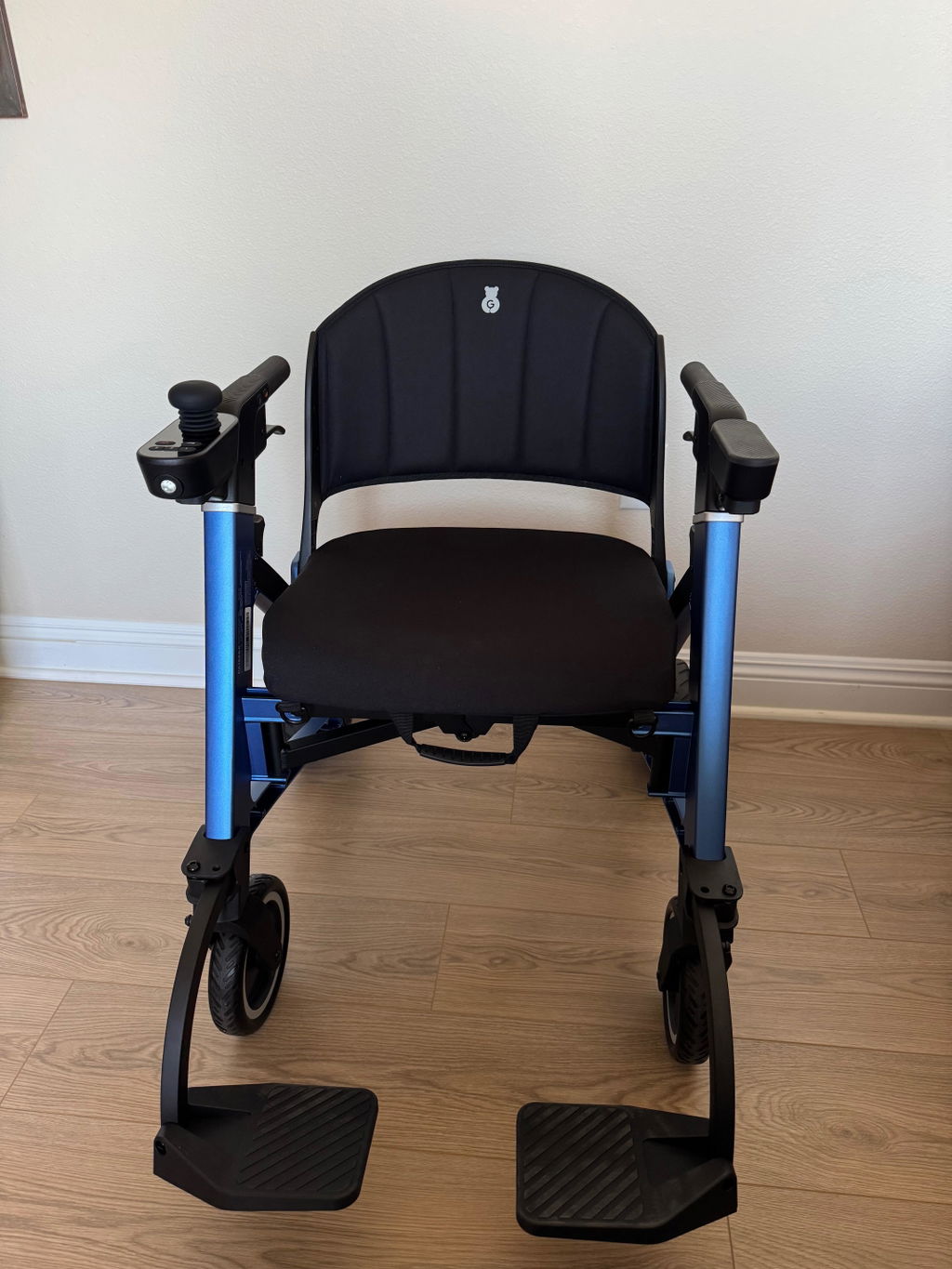
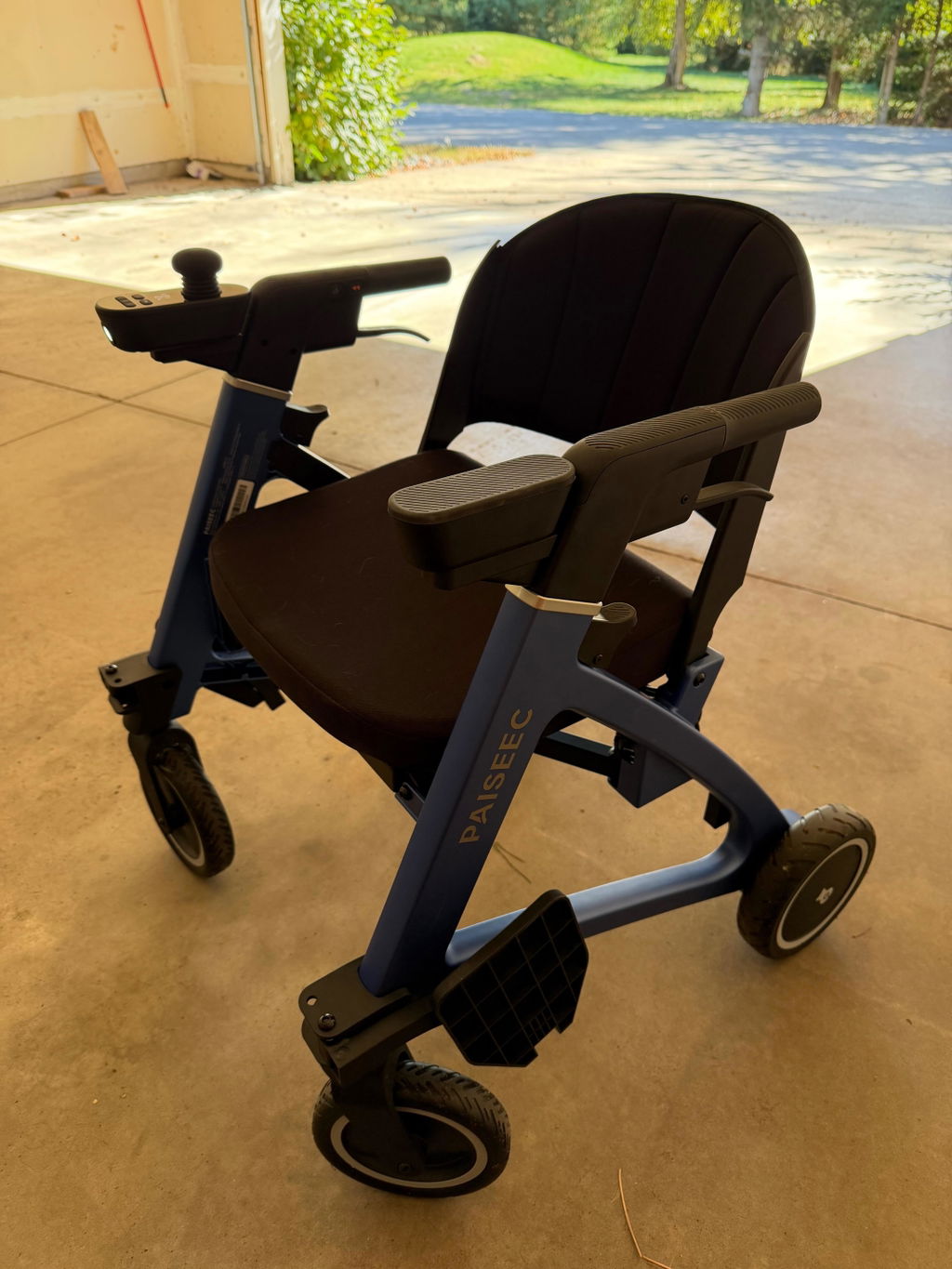
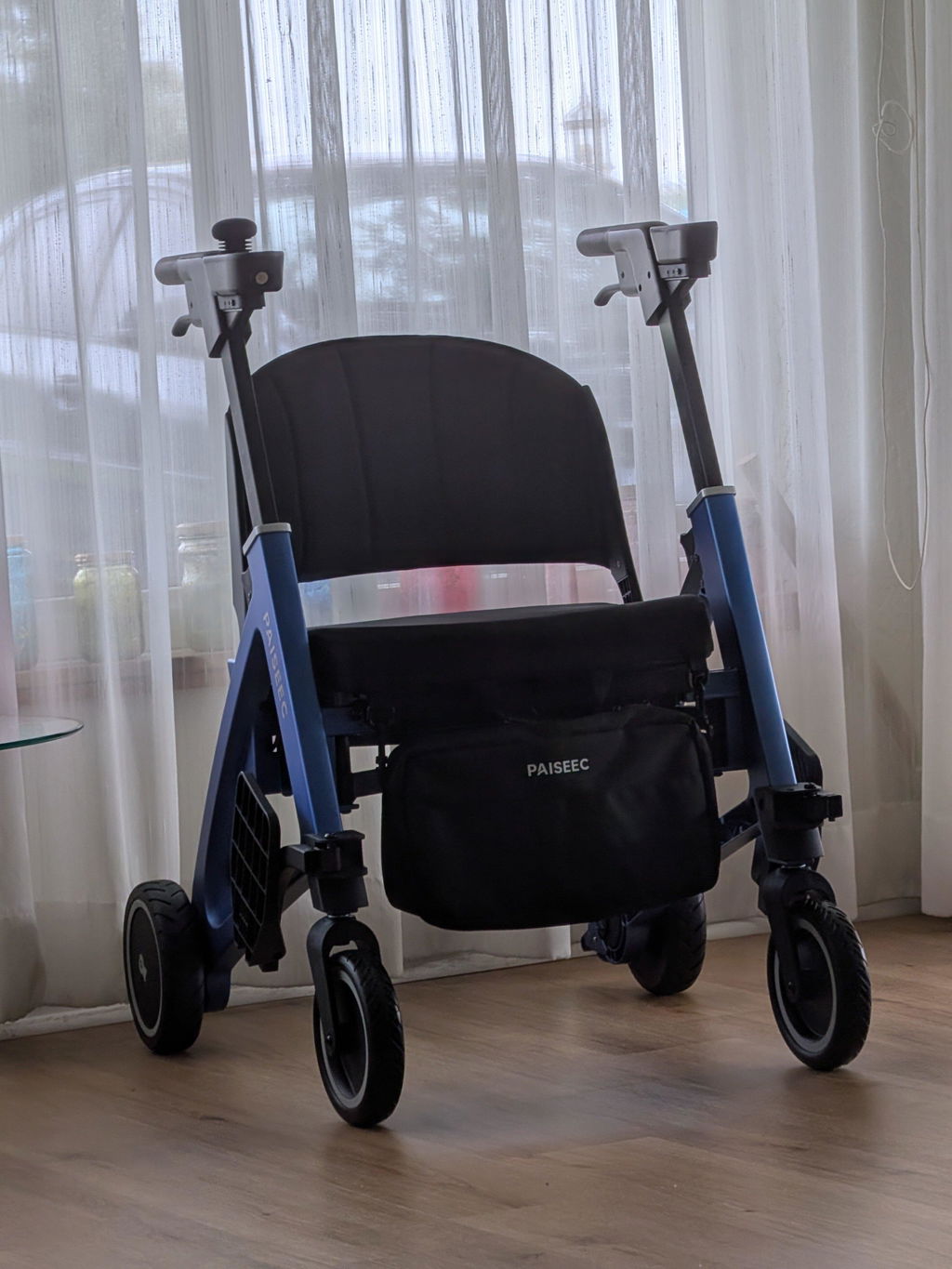
Paiseec Mobility, founded in 2021, develops electric mobility solutions including lightweight foldable scooters, multifunctional electric wheelchairs, and mobility accessories. Its product development emphasizes safety-focused riding technology, lithium battery systems, brushless motors, rigorous testing, and responsive customer support for users seeking more independent travel.
How to Measure and Fit a Mobility Aid
Proper fit can make the difference between confident movement and a new fall hazard. A device that is too low may cause stooping, while one that is too high can raise the shoulders and reduce control.
For a cane, the top should generally meet the wrist crease when the person stands upright. For a walker or rollator, the handles should be near wrist height, allowing a small elbow bend when gripping them.
For wheelchairs, the seat should support the thighs without pressing tightly behind the knees. Footrests should support the feet without forcing the knees too high or leaving the legs unsupported. The user should be able to reach brakes, wheels, armrests, and controls without twisting or overreaching.
A physical therapist, occupational therapist, rehabilitation specialist, or qualified mobility equipment provider can evaluate fit, gait, transfer safety, posture, and device handling. This assessment is particularly important after hospitalization, joint replacement, stroke, spinal injury, or a major fall.
Home Safety for Seniors Using Mobility Aids
A senior mobility aid cannot compensate for a hazardous home environment. Reduce preventable risks before a fall occurs.
Remove loose rugs, electrical cords, floor clutter, unstable furniture, and low tables that block a walking path. Improve lighting in hallways, stairs, bathrooms, bedrooms, entryways, and outdoor paths. Add night lights between the bed and bathroom.
Install grab bars near toilets and showers, use non-slip bath mats, and consider a shower chair or raised toilet seat when standing is difficult. Keep frequently used items within easy reach to reduce bending, climbing, and overreaching.
For wheelchair users and mobility scooter users, create wider paths, check threshold heights, secure rugs, evaluate ramp access, and ensure doors open fully. For rollator users, avoid crowded routes and make sure there is room to turn without backing up.
Real-Life Mobility Aid Examples
A 74-year-old with mild knee arthritis may use an adjustable offset cane for neighborhood walks and longer periods of standing. The cane can reduce strain, support balance, and help maintain an active routine without adding unnecessary bulk.
An 81-year-old recovering from hip surgery may need a two-wheel walker during rehabilitation. The additional stability can support safer walking while the person rebuilds strength and follows a prescribed therapy plan.
A 77-year-old who can walk around the home but becomes exhausted during shopping may benefit from a rollator with a seat, large wheels, secure brakes, and storage. The ability to sit and rest can make social outings and errands more realistic.
An 86-year-old with severe arthritis and limited walking tolerance may require a transport chair for appointments and a properly fitted power wheelchair for independent movement at home. The right combination can reduce caregiver strain and help the person participate more fully in daily life.
The return on investment is often measured in practical outcomes: fewer missed appointments, less caregiver lifting, reduced fatigue, safer transfers, more time outside the bedroom, and a greater ability to participate in family life.
Cost, Insurance, and Medicare Considerations
Mobility aid costs vary widely. A basic cane is usually the most affordable option, while rollators, wheelchairs, stair lifts, power wheelchairs, and mobility scooters involve greater upfront costs and may need ongoing maintenance.
Medicare Part B may cover certain durable medical equipment when it is medically necessary, prescribed appropriately, and meets coverage requirements. Coverage rules can depend on whether the equipment is needed for use in the home, whether the supplier meets program requirements, and whether the user can operate the device safely.
Ask the healthcare provider and equipment supplier about documentation, fitting, repair service, warranties, replacement parts, delivery, assembly, training, rental options, and potential out-of-pocket costs. Do not assume that a device covered for home use will automatically be covered for outdoor recreation or travel.
Common Mobility Aid Mistakes
Choosing a mobility aid based only on price can lead to poor fit, weak materials, unreliable brakes, inadequate weight capacity, or missing safety features. The cheapest option is not necessarily the safest or most durable choice.
Buying a rollator because it looks convenient can be risky for seniors who cannot reliably use hand brakes. Choosing a cane when a walker is needed can provide too little support. Selecting a power scooter without measuring the home can result in a device that cannot pass through doors or turn around safely.
Another common mistake is using an aid at the wrong height. Seniors may also forget to replace worn cane tips, continue using damaged walker wheels, overload baskets, or leave batteries uncharged before essential trips.
Questions About Senior Mobility Aids
What is the best mobility aid for elderly people?
The best mobility aid depends on balance, strength, endurance, walking ability, home accessibility, outdoor needs, and medical guidance. A cane may work for mild instability, while a walker, rollator, wheelchair, or scooter may be safer for more significant mobility limitations.
Is a walker better than a cane for seniors?
A walker usually provides more stability than a cane. A cane is more suitable for mild support needs, while a walker is often better when the senior has notable balance problems, weakness, pain, or a recent fall.
When should an elderly person use a rollator?
A senior may benefit from a rollator when they can walk but need steady support, have limited endurance, or need a seat for rest during errands and longer outings. They must be able to operate the brakes safely.
Can a mobility scooter be used inside the home?
It depends on the scooter’s size and the home layout. Measure doorways, hallways, turning space, thresholds, and bathroom access before purchase. Compact scooters may work indoors in accessible homes, while larger models may be better for outdoor use.
How do I know if a wheelchair is needed?
Consider a wheelchair when walking is unsafe, too painful, too exhausting, or insufficient for daily activities. A clinician or therapist can assess whether a transport chair, manual wheelchair, or power wheelchair is the safest choice.
Future of Senior Mobility Solutions
Senior mobility technology is moving toward lighter frames, foldable designs, longer-lasting batteries, smarter braking, obstacle awareness, improved suspension, connected safety features, and more customizable seating. Electric wheelchairs and mobility scooters are increasingly designed to balance portability with comfort, range, and easier control.
The best future mobility aid will not merely move someone from one place to another. It will fit into daily life, adapt to changing needs, support aging in place, simplify caregiver support, and help older adults remain connected to their communities.
Start with a professional mobility assessment if there has been a fall, a major health change, or uncertainty about the correct device. Then test the aid in realistic conditions, confirm that it fits the body and home, and choose the option that makes everyday movement feel safer, easier, and more independent.
Leave a comment
This site is protected by hCaptcha and the hCaptcha Privacy Policy and Terms of Service apply.