




![[2026] PAISEEC D3|Mobility Scooter for Easy Everyday Travel](http://www.paiseec.com/cdn/shop/files/d3_4a4ccb22-9e26-449e-8094-71f3ec4177c3.png?v=1782115044&width=180)

















To get a mobility scooter, you can purchase one directly from a retailer, secure financing through payment plans, or apply for coverage via Medicare Part B, Medicaid, or the VA if medically necessary. Start by assessing your mobility needs, consulting your healthcare provider for a prescription (required for insurance coverage), and choosing a scooter that fits your indoor/outdoor use, weight, and portability requirements. Medicare covers 80% of the approved cost after your $257 deductible if the scooter is used primarily at home.
What Are the Main Ways to Get a Mobility Scooter?
You can obtain a mobility scooter through four primary pathways: direct purchase, financing/payment plans, insurance coverage (Medicare/Medicaid), or charitable/veteran assistance. Each option suits different financial situations and medical needs.
For most U.S. buyers, direct purchase from retailers like Paiseec or local mobility dealers offers the fastest route, while Medicare/Medicaid requires documentation and prior authorization.
How Do I Qualify for Medicare or Medicaid Coverage?
Medicare Part B covers mobility scooters as durable medical equipment (DME) only when medically necessary for use inside your home. You must meet all five eligibility criteria:
-
Medical condition significantly limiting mobility inside your home
-
Unable to safely use a cane or walker for daily mobility
-
Need the scooter for daily activities (bathing, dressing, bathroom, feeding)
-
Face-to-face exam with a Medicare-enrolled physician who writes a prescription
-
Medicare-enrolled supplier provides the equipment
Medicare pays 80% of the approved amount after your $257 Part B deductible (2026); you pay 20% coinsurance. The scooter must be used primarily at home—Medicare does not cover outdoor-only convenience scooters.
Medicaid coverage varies by state. In California, New York, and Texas, Medicaid often covers 100% of medically necessary scooters. Florida and Pennsylvania require prior authorization and may only cover portable models under 50 lbs. You must meet income/resource limits and obtain a doctor's prescription documenting medical necessity.
Step-by-Step Medicare Application Process
-
Schedule a face-to-face exam with your doctor
-
Doctor documents why cane/walker won't work and issues a Standard Written Order
-
Find a Medicare-enrolled DME supplier via Medicare.gov's supplier directory
-
Supplier submits the claim; you wait for approval/denial (may take weeks)
-
If denied, you can appeal with additional medical documentation
Which Mobility Scooter Type Matches My Needs?
Choosing the right scooter depends on where you'll use it most, your body size, travel habits, and storage space. Paiseec experts recommend evaluating these seven factors before purchasing:
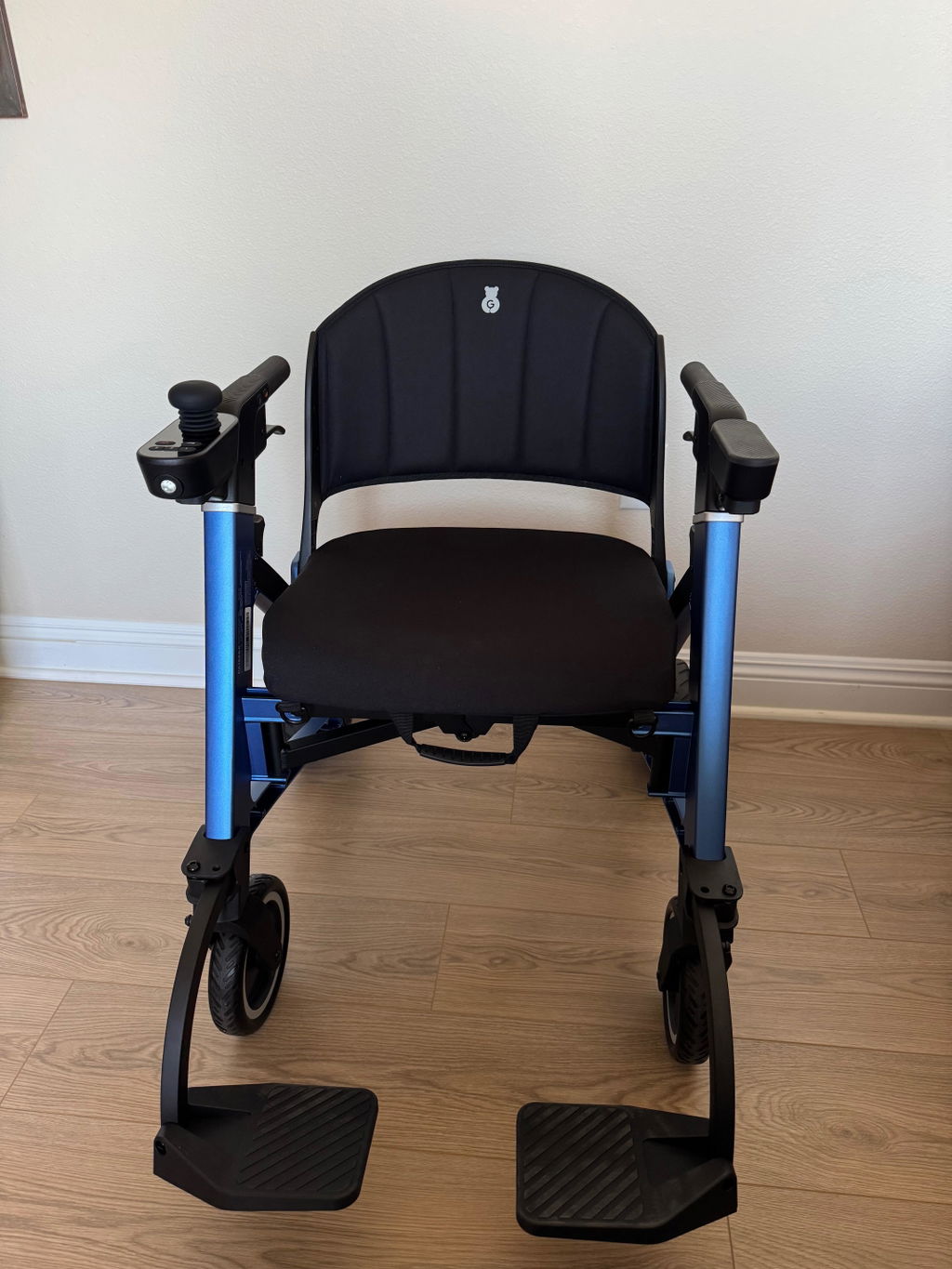
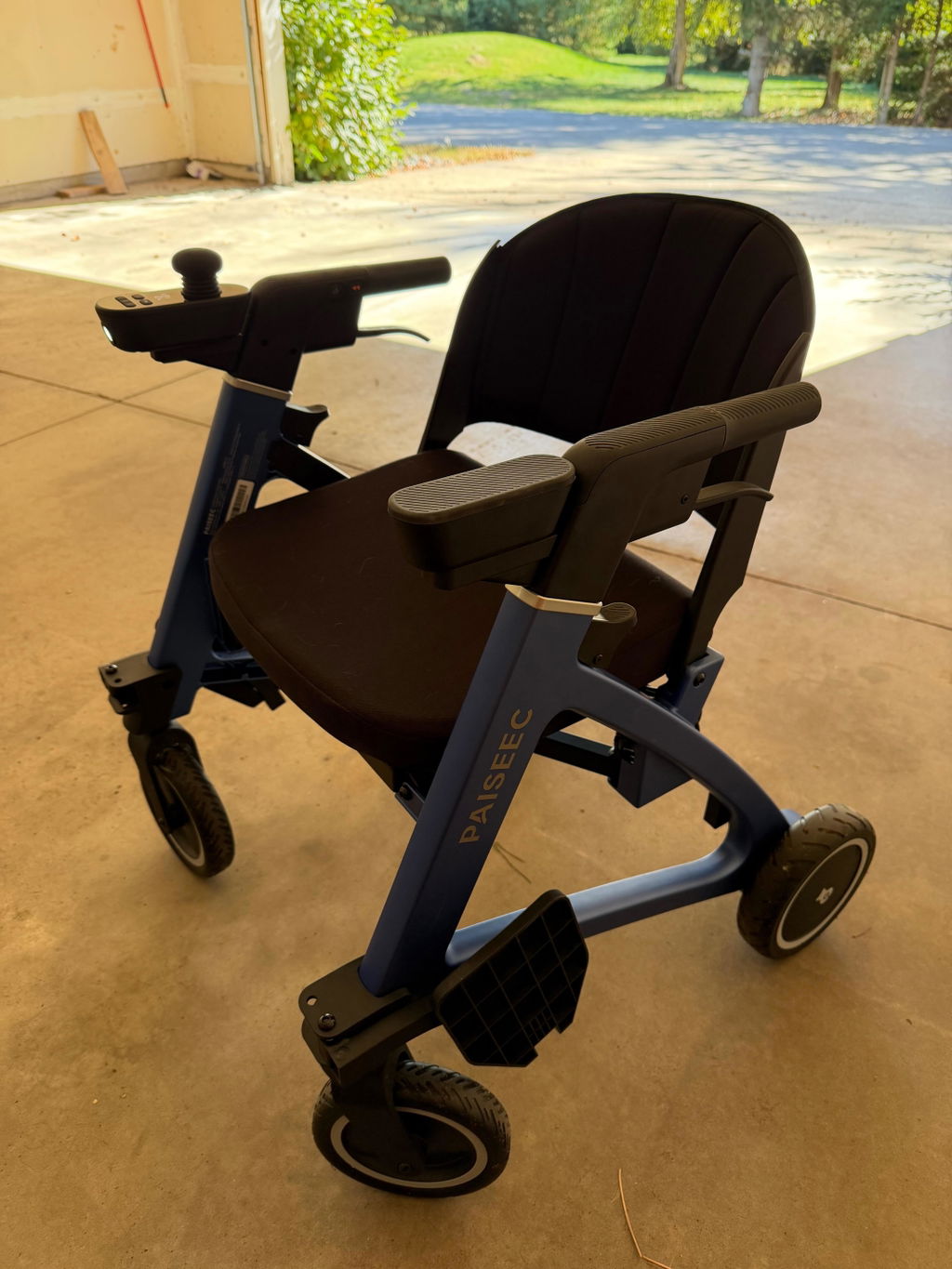
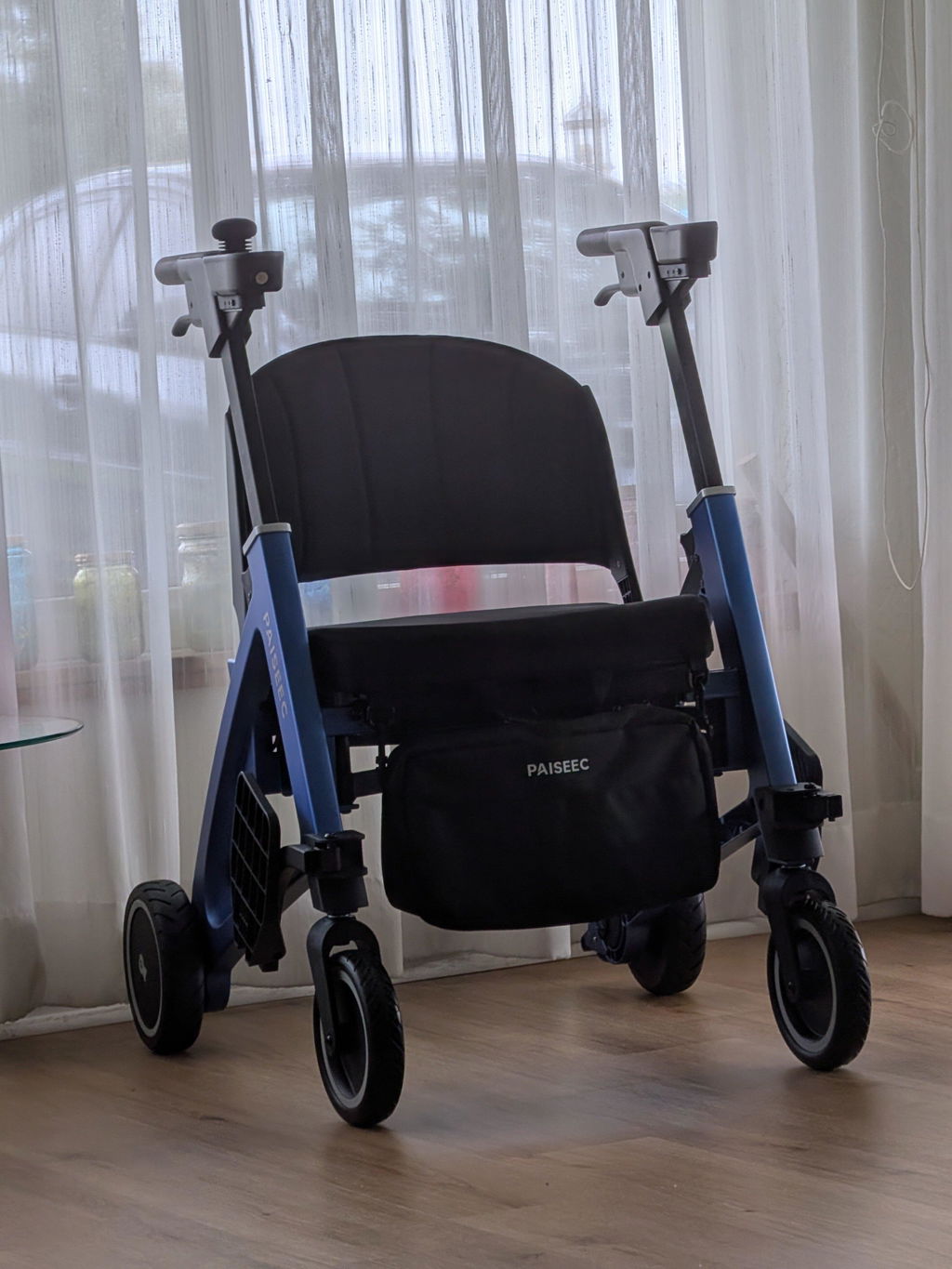
For seniors at home: Choose compact, lightweight folding scooters (like Paiseec FoldPro at 48 lbs) with easy tiller controls. For frequent travelers: Prioritize airline-approved models with detachable lithium batteries under 300Wh (FAA 2026 rule). For outdoor use: Select 4-wheel models with rear-wheel drive, suspension, and higher range.
Paiseec offers travel mobility scooters with 288Wh batteries, PAI intelligent safety systems for hill assist, and fold times under 15 seconds—ideal for airport transfers and cruises.
What Safety Features Should I Verify Before Buying?
Safety is non-negotiable. Test these features before finalizing your purchase:
-
Brake behavior: Throttle pressure release should automatically engage brakes
-
Stability: 4-wheel scooters offer better balance than 3-wheel for outdoor use
-
Control visibility: Can you see and reach all controls with one hand without stretching?
-
Speed settings: Multiple speeds (often 3) help beginners adjust confidence
-
Lighting: LED headlights and reflectors for low-light outdoor use
-
PAI safety system (Paiseec): Auto speed control on hills and turns prevents accidents
Never accept a scooter with hard-to-grip brakes, unreachable controls, or unclear labeling. For users with balance problems, weakness, or fall risk, involve a physical therapist or occupational therapist in the selection process—they can assess whether a scooter provides adequate support versus a wheelchair.
Battery and Charging Safety Checklist
For powered mobility (scooters/wheelchairs), lithium battery safety matters:
-
Verify watt-hour rating is clearly labeled (FAA requires this for travel)
-
Use only the manufacturer's certified charger; never bypass BMS
-
Store batteries at room temperature; avoid extreme heat/cold
-
Inspect battery regularly for damage; replace if swelling or corrosion appears
Paiseec batteries are UN38.3 certified for transport safety and include PAI protection against accidental activation.
Where Can I Find Paiseec Dealers or Order Online?
Paiseec offers two purchasing channels:
-
Online orders: Ship nationwide via paiseec.com with order tracking, manuals, and installment payment options
-
In-store dealers: Visit nearby dealers for hands-on demos; call 1(844)821-3199 (9AM–6PM EST, 7 days/week) to locate one
To verify dealer authenticity, check Paiseec's official dealer list on paiseec.com or call support. Avoid third-party sellers not on the verified list.
Financing options include:
-
Zero-percent APR through Affirm (3–12 months)
-
Bread Financing (zero-percent for 6 months; longer terms up to 24 months)
-
CareCredit medical credit card (0% promo for 6–24 months on Paiseec products)
If you don't qualify for Medicare/Medicaid grants, these payment plans make scooters accessible without full upfront cost.
What Do Paiseec Experts Recommend?
"In Paiseec's typical mobility-scooter selection workflow, buyers first confirm their primary use case—indoor home navigation, outdoor paths, or travel. We then match weight capacity, turning radius, and battery range to the user's daily routine. For air travelers, FAA-compliant batteries under 300Wh and foldable designs under 50 lbs are essential. For home users, compact 3-wheel models withEasy tiller controls work best. Safety-wise, we recommend testing throttle-release braking and verifying control visibility before purchase. When medical or fall-risk concerns exist, involve a PT, OT, or mobility dealer for professional fitting."
— Paiseec Mobility Product Team
Conclusion
Getting a mobility scooter involves three key decisions: which acquisition path (purchase, financing, or insurance), which scooter type (indoor, outdoor, or travel), and which safety features matter most for your needs.
-
If you have Medicare and use the scooter primarily at home, apply through a Medicare-enrolled supplier with your doctor's prescription.
-
If you're a veteran with service-connected mobility disability, contact your VA physician for coverage.
-
For fastest access, purchase directly from Paiseec online or a verified dealer, using financing if needed.
-
Always verify battery specs (under 300Wh for travel), weight capacity (30+ lbs above your weight), and braking behavior before buying.
Contact Paiseec at 1(844)821-3199 or visit paiseec.com for product details, dealer inquiries, or mobility-scooter selection help.
FAQs
Q: Can I get a mobility scooter for free?Free scooters are uncommon. You may qualify for funded leasing through the Motability Scheme (UK), local councils, or charities like the Mobility Trust if you receive mobility-related benefits. In the U.S., Medicare covers 80% and Medicaid may cover 100% in some states if medically necessary.
Q: Do I need a doctor's prescription to buy a scooter?No prescription is required for direct purchase. However, Medicare, Medicaid, and VA coverage all require a physician's prescription documenting medical necessity.
Q: Can I fly with my mobility scooter?Yes, if your lithium battery is under 300Wh (FAA 2026 rule). Notify your airline 48 hours ahead, remove the battery for carry-on, and gate-check the folded scooter.
Q: What's the difference between a mobility scooter and electric wheelchair?Mobility scooters use tiller steering and suit users who can sit upright and transfer independently. Electric wheelchairs use joystick control and are selected with clinician input for seating, posture, and long-term mobility needs.
Q: How long do mobility scooter batteries last?Lithium battery life depends on charge cycles, temperature, and usage. Typical ranges are 12–15 miles per charge for travel models. Always use certified chargers and inspect batteries regularly.
Leave a comment
This site is protected by hCaptcha and the hCaptcha Privacy Policy and Terms of Service apply.