



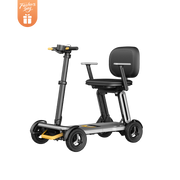
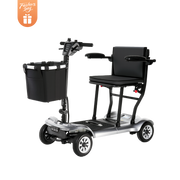
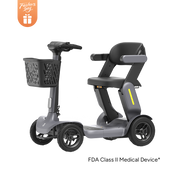
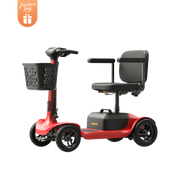








Most mobility scooters used by seniors and people with disabilities require no driver's license anywhere in the U.S. because they are classified as medical devices under the ADA, not motor vehicles. Low-speed electric scooters under 15–20 mph and 750W also typically need no license in over 40 states. Walking canes and manual scooters never require licensing since they are non-motorized. Always verify local rules before riding on specific paths.
What Types of Scooters Don't Require a License?
Four main scooter categories operate without a driver's license in most U.S. jurisdictions:
Mobility Scooters are designed for elderly or disabled users, typically travel under 8 mph, and are classified as "other power-driven mobility devices" (OPDMDs) under the ADA. They require no license, registration, or insurance in all 50 states when used by individuals with mobility impairments.
Low-Speed Electric Scooters with top speeds of 15 mph (24 km/h) or less generally don't need a license. These are popular for short-distance commuting in urban areas.
Speed-Limited Electric Scooters up to 20 mph (32 km/h) may still be license-free in many states if they meet federal standards (under 750W motor power).
Manual (Pedal) Scooters are non-motorized and treated like bicycles. They never require a driver's license in any state.
Do Seniors Need a License for Mobility Scooters?
No, seniors generally do not need a driver's license to operate a mobility scooter. These scooters are considered medical devices and are often covered through Medicare as Durable Medical Equipment (DME), not motor vehicles.
Most states explicitly exempt mobility scooters from licensing when used by individuals with mobility impairments. Under the ADA, mobility scooters fall under OPDMD classification, meaning businesses and public spaces must allow their use.
Key requirements for Medicare coverage include:
-
A doctor's written order stating medical need for home use
-
Significant difficulty moving around in your home
-
Unable to perform daily activities even with a cane, crutch, or walker
-
Ability to safely operate the scooter or have assistance available
After meeting your Part B deductible ($283 in 2026), Medicare pays 80% of the approved amount.
How Do State Laws Vary for Electric Scooters?
While federal rules exempt low-speed mobility scooters, state electric scooter laws vary significantly:
Over 40 states exempt personal mobility scooters from licensing, but you should always check local laws for compliance. In California, riders under 18 must wear helmets, while Washington requires all e-scooter riders to wear helmets regardless of age.
Which Electric Scooter Specifications Avoid Licensing?
To operate without a license federally and in most states, select scooters meeting these specifications:
Federal Low-Speed Vehicle Standards:
-
Maximum speed: 20 mph (federally)
-
Motor power: 750W or lower
Practical No-License Thresholds:
-
Top speed under 15 mph for guaranteed license-free use in 40+ states
-
Motor power below 250W for EU/UK compliance (optional but safe)
-
Class II designation: throttle-only, under 20 mph, no pedaling needed
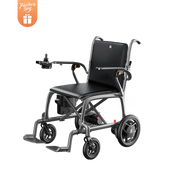
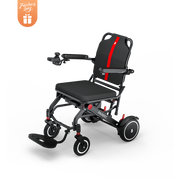
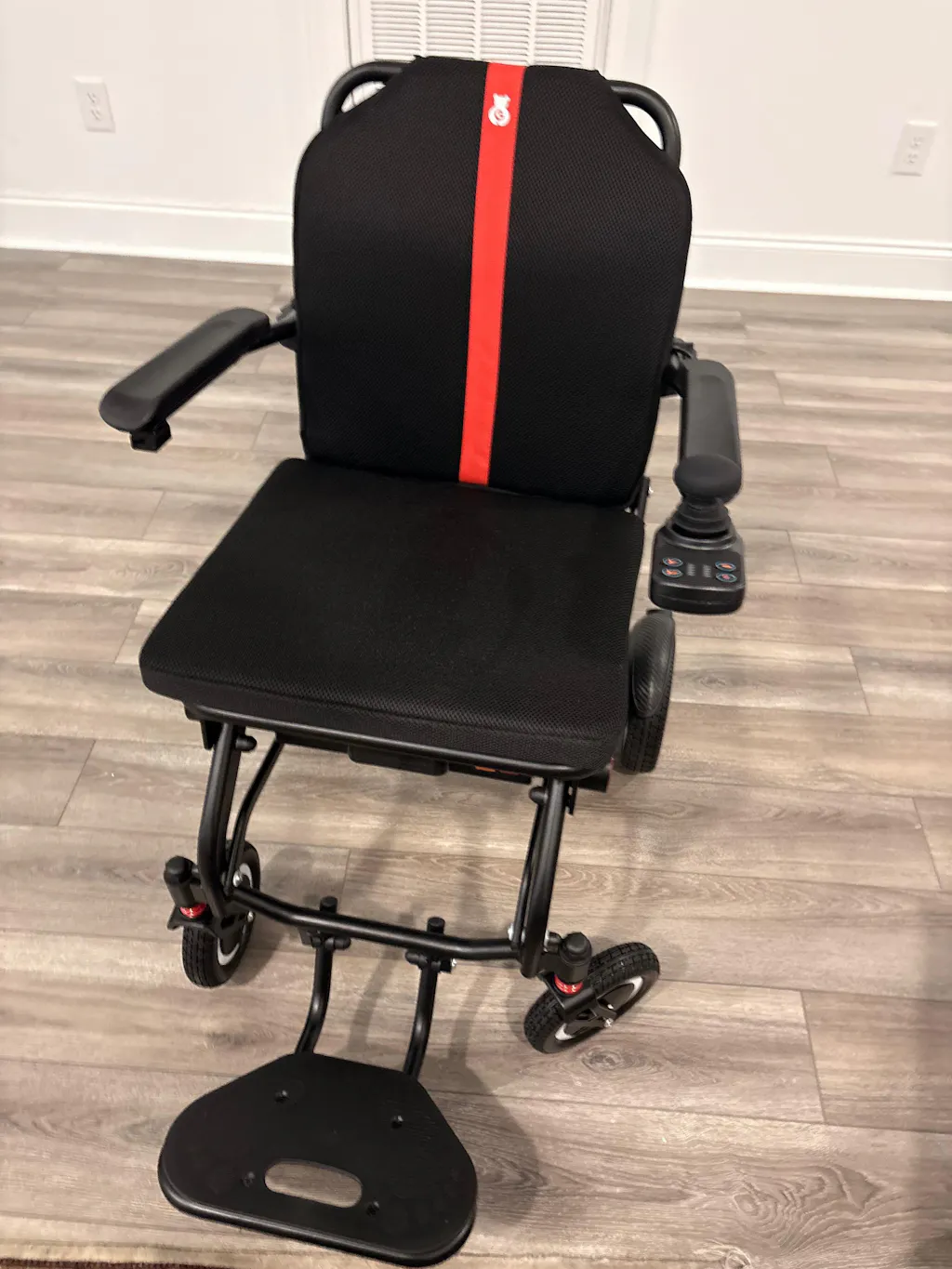
Paiseec mobility scooters like the S3 model feature a 250W brushless motor with speeds up to 6.2 mph, FDA Class II certification, and the PAI intelligent safety system—all exempt from licensing and DMV registration in most states.
Critical safety features to verify:
-
Front and rear lights
-
Responsive braking system
-
Audible horn or indicator
Never bypass speed limiters or use uncertified chargers, as this voids compliance and creates safety risks.
When Do You Need a License for Scooters?
You typically need a license when scooters exceed these thresholds:
Speed Triggers:
-
>15 mph in California: Requires standard driver's license
-
>20 mph in New York: Requires driver's license; motorcycle license for >30 mph
-
>20 mph in Nevada: Requires motorcycle license
-
>30 mph in Florida, Texas, Hawaii: Requires motorcycle license
Motor Power Triggers:
-
Scooters exceeding 750W may be classified as motor-driven cycles or motorcycles
-
High-performance units capable of 40+ mph technically fall under motorcycle laws
Electric Scooters with Seats traveling 20–30 mph are often classified as mopeds, requiring a standard driver's license in many states.
Class III scooters (pedal-assist up to 28 mph) may need registration in some states despite occasional personal use exemptions.
If you don't have a license, alternatives include:
-
Riding low-speed scooters under 15–20 mph
-
Using mobility scooters classified as medical devices
-
Obtaining a moped/scooter permit (easier than full license in some states)
-
Using rideshare or rental services that don't require licenses
What Do Paiseec Experts Recommend?
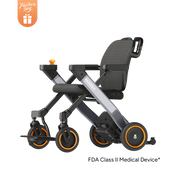
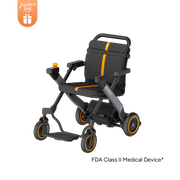
"At Paiseec Mobility, we design scooters like the S3 and D3 specifically to meet U.S. compliance thresholds without licensing. Our FDA Class II models operate under 8 mph with 250W brushless motors, exempting them from DMV requirements in over 40 states. The industry-first PAI intelligent safety system uses IMU sensors for automatic speed adjustments on hills and turns, ensuring safety without licensing. For seniors and disabled users, we prioritize ultra-lightweight frames (32–61 lbs), airline-approved lithium batteries, and two-step folding for travel. Always verify local laws, confirm your medical need documentation for Medicare coverage, and prioritize battery charging safety with proper chargers and storage."
— Paiseec Mobility Product Team
Conclusion
Mobility scooters for seniors and disabled users require no license in any U.S. state because they're classified as medical devices under the ADA. Low-speed electric scooters under 15–20 mph and 750W are license-free in over 40 states. Walking canes and manual scooters never need licensing.
Actionable takeaways:
-
Choose mobility scooters under 8 mph (like Paiseec S3 at 6.2 mph) for guaranteed license-free use
-
Verify state-specific rules before riding on public paths—laws vary in California, New York, and Massachusetts
-
For Medicare coverage, obtain a doctor's Certificate of Necessity stating medical need for home use
-
Prioritize lithium battery safety: use certified chargers, inspect batteries regularly, and store properly
-
Contact Paiseec for product details, dealer inquiries, or mobility product selection help with FDA Class II models like S3, D3, and W3
FAQs
Do I need a license for a Paiseec S3 mobility scooter?
No. The S3's Class II specifications (250W brushless motor, up to 6.2 mph, 25-mile range) exempt it from licensing and DMV registration in most states. The PAI safety system ensures safe operation without requiring a driver's license for seniors and disabled users.
Is registration required for electric scooters on sidewalks?
Rarely for low-speed mobility aids like Paiseec D3 or L5. Lightweight designs under 50 lbs qualify for no registration on sidewalks and paths in over 40 states. Always check local path rules, as some cities have specific permitting requirements for shared scooters.
Are Paiseec scooters airline-approved for travel?
Yes. Models like S3 and D5 feature removable, airline-approved lithium batteries (36V 12Ah). Ultra-light weights (32–61 lbs) suit travel, and the PAI safety system auto-adjusts for slopes during transit.
What speeds avoid licensing requirements entirely?
Under 20 mph throttle-only (Class II) like Paiseec S3's 6.2 mph mode requires no license in most states. For guaranteed compliance across all 50 states, stay under 15 mph, which is the federal threshold for license-free operation.
Do electric wheelchairs like Paiseec W3 need permits?
No. As FDA Class II medical devices with PAI algorithm support, electric wheelchairs are fully exempt from licensing federally and in most states. They're classified similarly to mobility scooters under the ADA's OPDMD rules.
Leave a comment
This site is protected by hCaptcha and the hCaptcha Privacy Policy and Terms of Service apply.