




![[2026] PAISEEC D3|Mobility Scooter for Easy Everyday Travel](http://www.paiseec.com/cdn/shop/files/d3_4a4ccb22-9e26-449e-8094-71f3ec4177c3.png?v=1782115044&width=180)

















The best mobility scooters for the elderly are lightweight, folding travel models that balance portability, stability, and long-range performance. Key technical features include a 250W+ brushless motor, a lithium-ion battery with a smart Battery Management System (BMS), four-wheel stability for outdoor use, and a tight turning radius for indoor navigation. High-quality models typically offer a 15–20 mile range per charge, comfortable seating, and responsive automatic braking.(Edited on July 3, 2026)
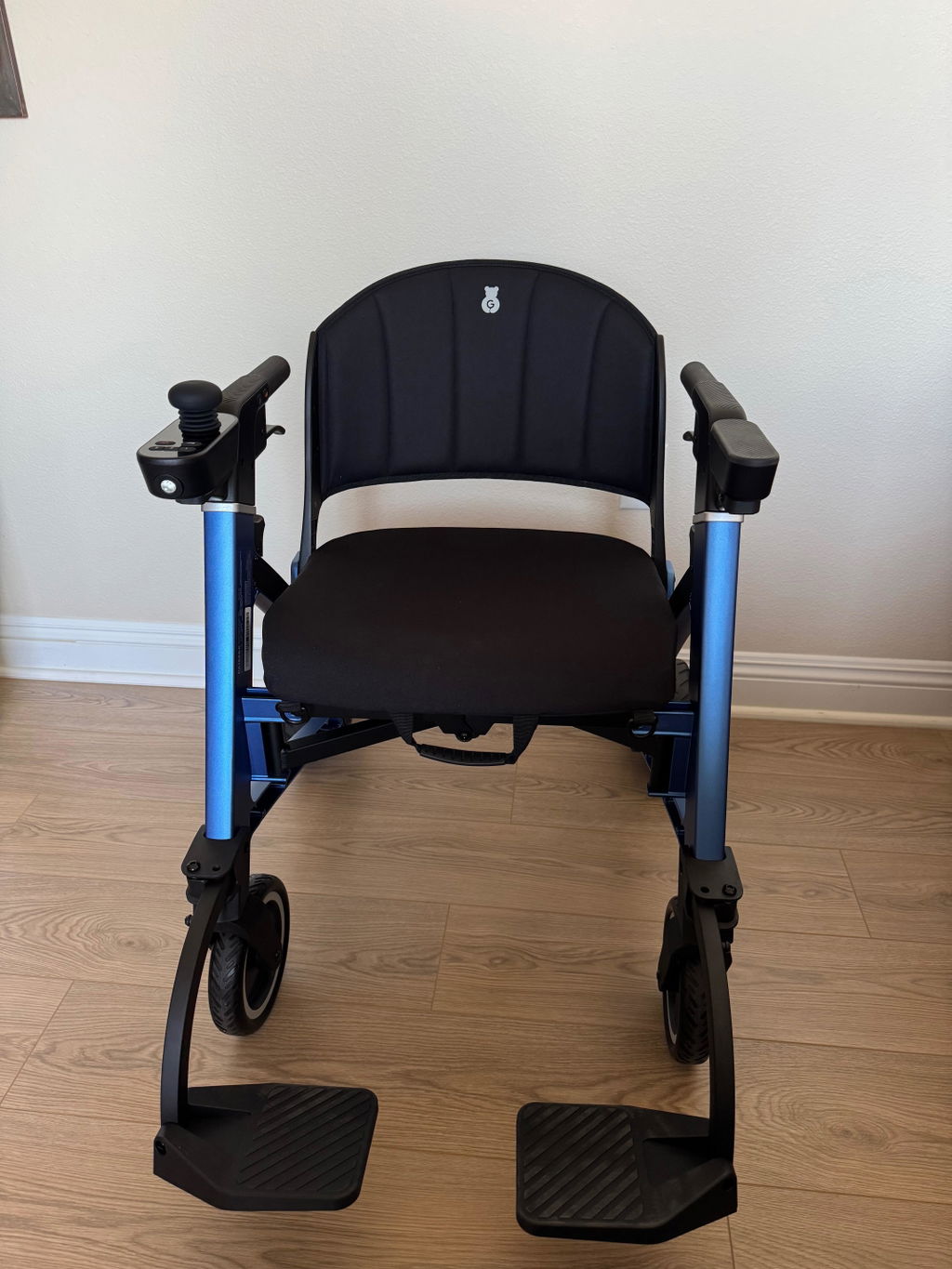
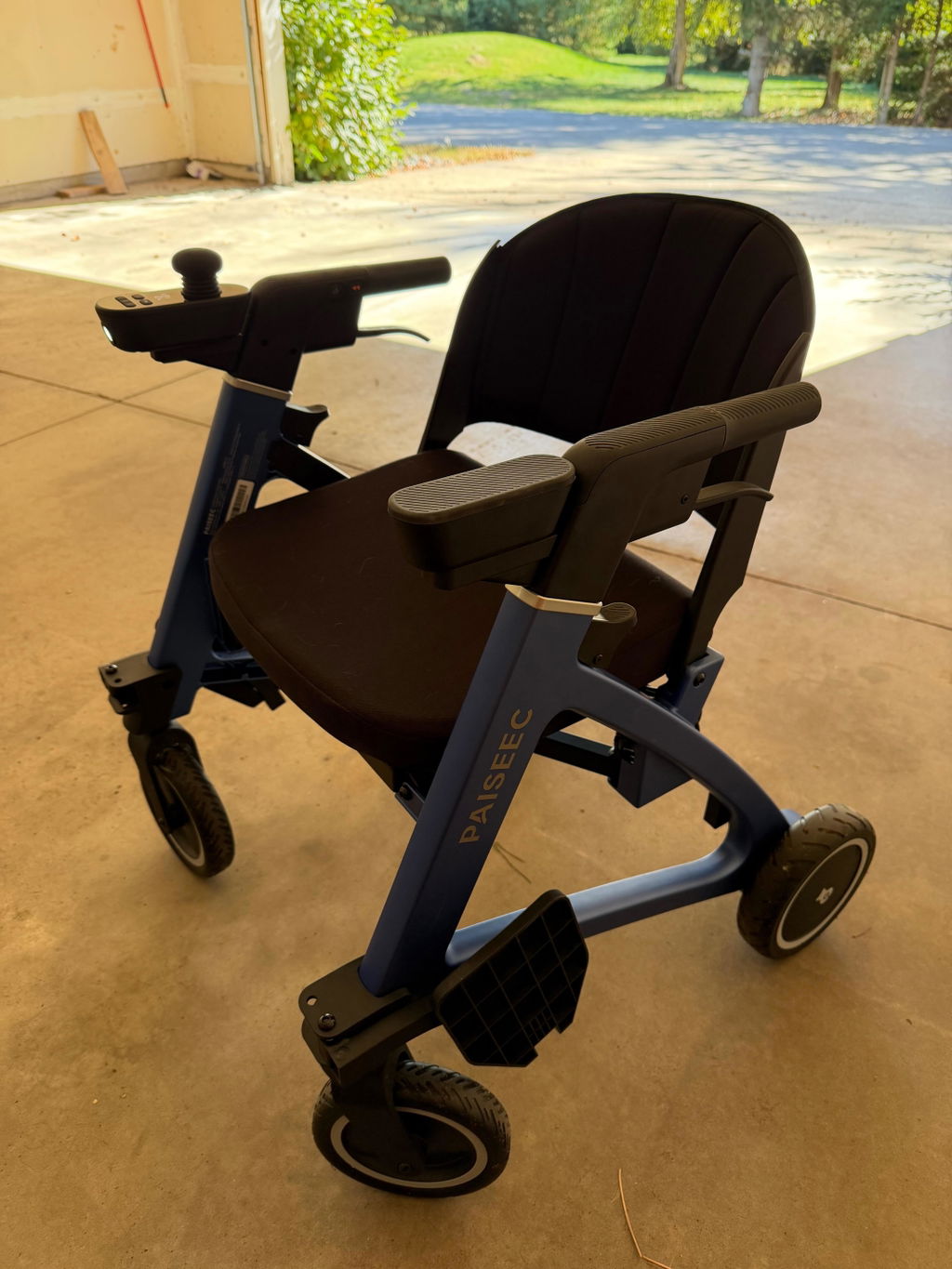
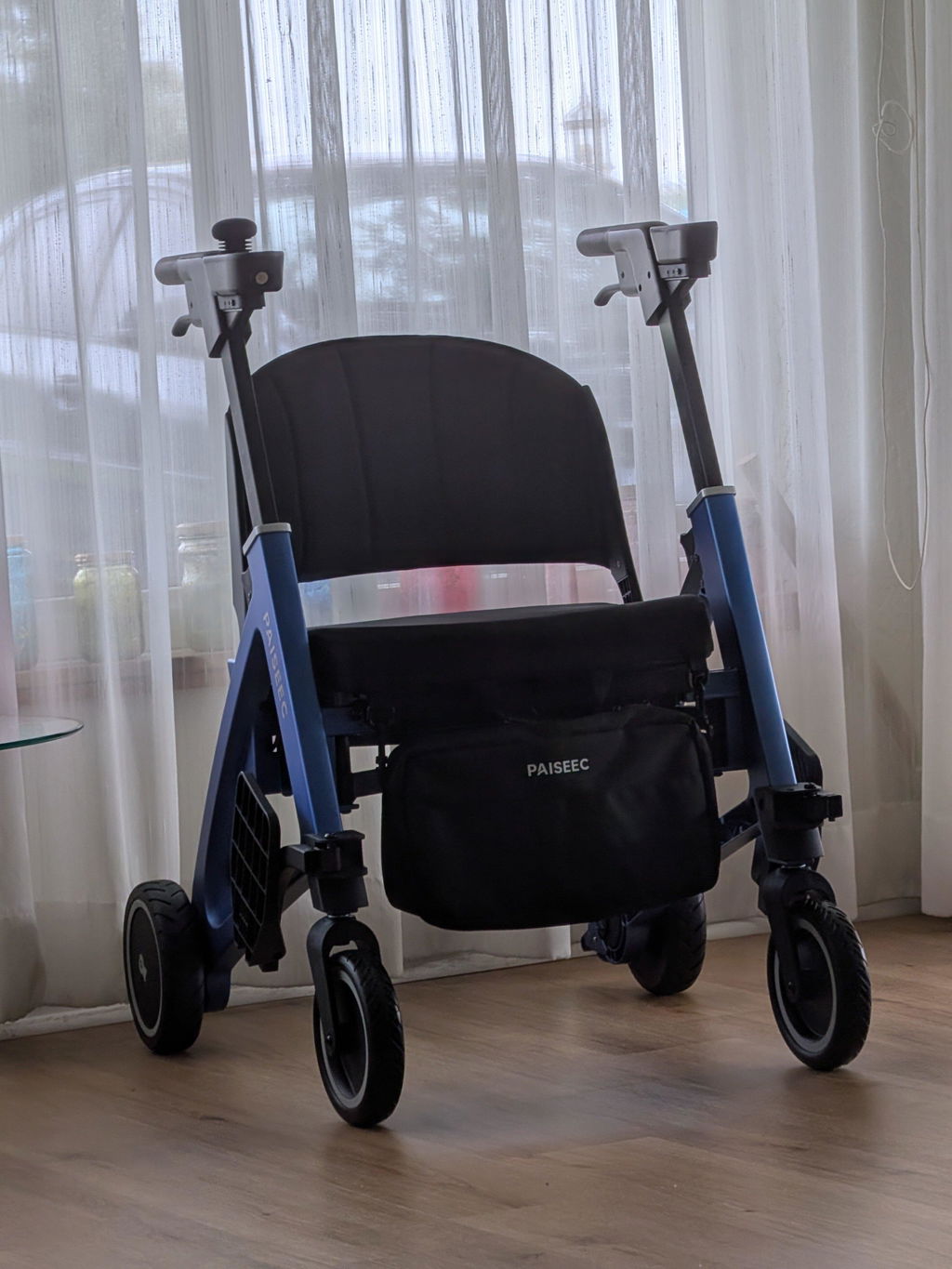
While premium medical mobility brands like Paiseec offer senior-focused models with integrated intelligent safety systems for automatic braking and real-time speed control, other prominent options on the market include the budget-friendly Vive Health 4-Wheel scooter, the rugged Pride Revo 2.0, and the smooth-riding Golden Technologies Buzzaround EX.
What Type of Mobility Scooter Is Best for Seniors?
For most older adults, a folding travel mobility scooter is ideal. These models weigh under 55 lbs, fold without tools, and fit easily into car trunks or airline cargo holds. They perfectly balance portability with a reliable range (15–20 miles) for daily errands, shopping, and short outings.
When evaluating styles, four-wheel scooters provide superior stability on grass, gravel, or uneven pavements, making them ideal for outdoor environments. Conversely, three-wheel versions offer a much tighter turning radius, making them highly effective for narrow indoor spaces, corridors, and grocery store aisles.
Critical Features to Evaluate:
-
Seat Comfort & Ergonomics: Look for padded, 15–16" wide seats with adjustable armrests and backrests. For extended use, upgraded "Captain's Seats" with high backs and integrated suspension are recommended.
-
Turning Radius: Under 3 ft is optimal for effortless indoor maneuverability.
-
Braking Systems: Look for electromagnetic automatic braking that engages the moment the user releases the throttle.
-
Range & Battery Capacity: Aim for a 15–20 mile range per charge to cover daily requirements without frequent recharging.
-
Portability & Frame Material: Look for tool-free folding mechanisms, lightweight frames (under 55 lbs), or premium automatic folding carbon-fiber models.
-
Weight Capacity: Standard models typically support 250–300 lbs, whereas Heavy-Duty (HD) options accommodate higher weight limits.
For example, the Paiseec D3 (~50 lbs, 18.6-mile range, foldable) is airline-approved and designed for seniors who travel frequently, whilst the EV Rider Transport Plus serves as a highly compact, automatic-folding alternative for rapid transport.
How Do You Choose the Right Mobility Scooter for an Elderly User?
Selecting the correct device requires matching the hardware specifications to the user's physical environment, mobility level, budget, and transportation needs. Follow this professional assessment workflow:
-
Assess the Primary Environment: Will the scooter be used indoor only, outdoor only, or for a combination of both?
-
Check Weight Capacity & Margin: Ensure the scooter supports the user's weight plus a 20–30 lbs margin for carried items like shopping bags, oxygen tanks, or walking frames.
-
Verify Range & Terrain Requirements: Match the battery size and motor power to your daily distance and terrain. Smooth sidewalks require less power, while steep hills and rough grass demand larger motors (350W–700W) and robust suspension.
-
Test Comfort, Control, and Adjustability: Ensure the tiller steering is highly responsive and the seat height and legroom prevent fatigue during long stretches of time.
-
Confirm Vehicle Compatibility & Lifting Limits: Verify the disassembled pieces or the total folded unit can be lifted comfortably into your target vehicle's boot.
-
Evaluate Cost & Funding Options: Determine your budget range (typically £1,000–£3,000 for standard/travel models; higher for heavy-duty options). If seeking financial aid, note that basic state or insurance provisions often cover only minimal medical needs; premium comfort features may require private payment or flexible installment plans.
Specification Reference Table
| Factor / Specification | What to Check | Why It Matters | Market Examples |
| Weight Capacity | User weight + 20–30 lbs safety margin | Ensures frame durability, safety, and optimal braking performance. |
Vive Health 4-Wheel: Supports up to 300 lbs. Pride Revo 2.0: Highly robust frame. |
| Travel Range | 15–20 miles per charge | Covers extensive errands and day trips without low-battery anxiety. |
Paiseec D3: Up to 18.6 miles range. Golden Technologies Buzzaround EX: Long-range outdoor option. |
| Turning Radius | Under 3 ft (approx. 91 cm) | Allows smooth turns in tight home corridors, lifts, and store aisles. | Three-Wheel Models: Generally offer the tightest turning circles. |
| Portability | Folding mechanism, total weight under 55 lbs | Determines ease of car transport, airline travel, and home storage. | EV Rider Transport Plus: Highly compact, tool-free folding travel design. |
| Terrain Handling | 4-wheel configurations, larger tyres, suspension | Provides maximum stability on grass, gravel, and uneven pavements. | Pride Revo 2.0: Features Comfort-Trac suspension for rough surfaces. |
Key Safety Features for Senior Mobility Scooters
Safety for elderly users is paramount. High-performance senior mobility scooters must incorporate advanced active and passive safety mechanisms alongside rigorous battery compliance.
Critical Hardware Safety Features
-
Intelligent Safety Systems (e.g., Paiseec PAI System): Utilises intelligent sensors for real-time monitoring, obstacle detection, and automatic speed reduction during sharp turns to prevent tipping.
-
Automatic Regenerative Brakes: Safely stops the vehicle completely the moment the throttle is released, even on steep inclines.
-
Anti-Tip Wheels & Four-Wheel Stability: Prevents backward or sideways tipping on kerbs, ramps, and uneven terrain.
-
High-Visibility Lighting & Alerts: Equipped with bright LED front/rear lights, reflective strips, and an orange safety flag to alert motorists and pedestrians.
Lithium-Ion Battery Safety Protocols
High-energy lithium batteries provide excellent range and low weight but require strict handling to eliminate hazards:
-
Use only the official, manufacturer-provided smart charger.
-
Store and charge batteries strictly at room temperature; avoid freezing or overheating environments.
-
Inspect the battery casing for physical damage, swelling, or leaks before every charge.
-
Never tamper with, alter, or bypass the integrated Battery Management System (BMS).
-
Utilise removable battery packs for safe indoor charging where applicable, ensuring they are charged on hard, non-flammable surfaces.
Mobility Scooter vs. Electric Wheelchair: Which Should You Choose?
Selecting between these two mobility categories depends entirely on the user's clinical requirements, steering capabilities, and primary operating environments.
Mobility Device Decision Matrix
| Criterion | Mobility Scooter | Electric Wheelchair |
| Best Suited For | Outdoor independence, long-distance errands, travel, and shopping. | Excellent indoor maneuverability, tight home spaces, and long-term sitting. |
| Steering Control | Tiller handlebars (requires dual-hand strength and coordination). | Precise joystick control (operable with minimal finger/hand strength). |
| Seating & Posture | Standardized, rotating seating; basic padding. | Highly customizable, adjustable posture support, pressure relief. |
| Average Price Range | Generally more accessible (£1,000 – £3,000). | Premium, specialized configurations (£2,000 – £5,000+). |
| Clinical Input | Optional for standard lifestyle and independence use. | Strongly recommended to address specific postural or pressure needs. |
| Portability | Highly foldable, lightweight travel models available. | Typically heavier and less portable; requires specialized vehicle ramps. |
Choose a Mobility Scooter if:
-
You retain sufficient upper-body strength to sit upright unsupported and steer using handlebars.
-
Your primary goal is restoring outdoor independence, attending social events, and completing local errands.
-
You do not require complex, customized orthopedic positioning or specialized pressure-relief cushions.
Choose an Electric Wheelchair if:
-
The device will be used primarily indoors where zero-turn radius capability is required for tight doorways.
-
You experience significant balance issues, neurological symptoms, or physical weakness that restricts handle-bar steering.
-
You require specialized clinical seating adjustments, custom posture correction, or advanced caregiver control options.
Clinical Guidance Note: For individuals with complex diagnoses, severe pain, history of falls, or long-term mobility limitations, we strongly advise consulting an Occupational Therapist (OT), Physical Therapist (PT), or a RESNA-certified Assistive Technology Professional (ATP) before purchasing.
Practical Operational Safety Tips
To maintain maximum safety and prolong the lifespan of your mobility equipment, riders should adopt the following operational habits:
-
Conduct Gradual Training: Begin operating the scooter in a wide, flat, open space devoid of obstacles. Practice starting, stopping, reversing, and turning until completely familiar with the throttle response.
-
Enhance External Visibility: Wear bright or reflective clothing. Ensure all lights and reflective strips are clean and functional, and mount a high-visibility orange flag to the rear chassis.
-
Stick to Pedestrian Infrastructure: Ride on designated pavements, sidewalks, and footpaths whenever available. Only cross streets at designated pedestrian crossings, and face oncoming traffic if forced onto a road without a sidewalk.
-
Approach Inclines and Kerbs Correctly: Always take ramps, slopes, and kerb cuts head-on at a direct 90-degree angle. Proceed at a slow, controlled speed; never attempt to negotiate steep inclines at an angle, as this can destabilize the scooter.
-
Prepare Emergency Contingencies: Keep essential emergency contact details securely attached to the scooter frame, and always carry a fully charged mobile phone. Avoid operating the device in severe wet weather, standing water, or mud.
Industry Expert Recommendations
"When selecting a mobility solution for an older adult, safety, structural stability, and seamless transport must take precedence. Advanced sensory systems, such as the PAI intelligent safety system, dramatically mitigate accident risks by combining real-time environmental monitoring with automated control overrides. For active seniors, prioritizing a lightweight, four-wheel folding design with a verified 15–20 mile range provides the optimal blend of lifestyle freedom and reliable performance. Always verify product parameters, review transport approvals, and ensure the controls align perfectly with the user's physical capabilities before making an investment."
— Senior Mobility Research & Development Specialist
Conclusion & Actionable Takeaways
The ideal mobility scooter for elderly individuals successfully balances portability, safety, and driving comfort. Prioritize stable, four-wheel folding travel configurations under 55 lbs if vehicle transport is a frequent requirement, and verify the motor and battery capacity match your local terrain.
Summary Checklist for Buyers:
-
Select 4-Wheel Configs for rugged outdoor stability; 3-Wheel Configs for tight indoor turning.
-
Confirm the Weight Limit comprehensively covers the user plus all accompanying baggage or equipment.
-
Target a 15–20 Mile Range to ensure complete daily independence without mid-day recharges.
-
Enforce Strict Battery Care by using only official charging hardware at moderate temperatures.
-
Consult Medical Professionals (OT/PT) if the user presents with complex posture, balance, or neurological needs.
Disclaimer: Technical specifications vary by individual model. Always confirm precise dimensions, exact travel range, charging durations, and specific warranty terms directly from official, up-to-date manufacturer product documentation prior to completing your purchase.
Frequently Asked Questions (FAQs)
What realistic travel range should I expect from a senior mobility scooter?
Most high-quality travel models deliver a realistic range of 15–20 miles per full charge, which is more than sufficient for standard daily outings, shopping trips, and social visits. For instance, the Paiseec D3 provides up to 18.6 miles of travel and completes a full recharge cycle within 5–6 hours.
Are lightweight, folding mobility scooters genuinely safe for outdoor terrain?
Yes, provided they feature a stable four-wheel configuration, quality anti-tip wheels, and proper ground clearance. Premium models utilize durable frames and advanced automatic braking systems to safely navigate manicured grass, gravel paths, and uneven public pavements.
When should a senior consult a clinician before buying a mobility device?
A professional clinical consultation with a physical therapist, occupational therapist, or RESNA-certified ATP is highly recommended if the senior experiences severe balance degradation, chronic pain, progressive physical weakness, a history of frequent falls, or is recovering from an acute injury that impacts their postural control.
Can these mobility scooters be legally transported on commercial aircraft?
Many compact folding travel scooters are specifically designed to be airline-compliant. For example, models like the Paiseec D3 disassemble or fold down compactly without tools and feature certified transit batteries. However, you must always notify your airline in advance and verify their specific battery removal and lithium-capacity guidelines before departure.
How do I properly maintain my scooter's lithium battery to ensure safety and longevity?
Always utilize the official manufacturer-approved smart charger, charge and store the battery components strictly within a room-temperature environment, routinely inspect the casing for physical anomalies, never tamper with the built-in Battery Management System (BMS), and never leave a charging battery unattended for extended periods.
Leave a comment
This site is protected by hCaptcha and the hCaptcha Privacy Policy and Terms of Service apply.