




![[2026] PAISEEC D3|Mobility Scooter for Easy Everyday Travel](http://www.paiseec.com/cdn/shop/files/d3_4a4ccb22-9e26-449e-8094-71f3ec4177c3.png?v=1782115044&width=180)

















For families where someone uses a wheelchair or mobility scooter, a beach vacation can go from dreamy to stressful in minutes if the access plan isn’t realistic. Too often, resorts advertise “accessible” access but forget that sand, distance, and gear logistics can still leave a person watching everyone else enjoy the water. A truly handicap accessible beach vacation means matching the right gear, the right beach, and the right storage solutions so no one has to sit in the parking lot while the rest of the family builds sandcastles.
This checklist is built for families who want a relaxed, practical, share‑worthy planning system, not a marketing checklist. It not only covers sun protection and adaptive gear but also focuses on robust storage options—like heavy‑duty mobility scooter baskets—so you can carry towels, sunscreen, snacks, and pool gear without overloading the chair or making extra trips. As you read, you’ll see how Paiseec’s experience with mobility‑accessory design and real‑world beach‑vacation testing helps frame which choices actually work on hot sand and busy boardwalks.
What Are the 5 Best Electric Beach Wheelchair Alternatives for 2026 Summer Vacations?
Why “accessible” doesn’t always mean easy
When a resort or website says “handicap accessible,” they often mean ramps, roll‑in showers, and van‑accessible parking—not necessarily a smooth, one‑trip path from your room to the water. In many places, the real friction starts once you hit softer sand, uneven mats, or long stretches between parking, restrooms, and the surf. Families frequently assume borrowed beach wheelchairs and a few ramps will cover everything, only to discover that those chairs aren’t designed to carry gear or travel long distances.
This gap is why you should treat accessibility as a layered system:
-
Facility‑level (parking, ramps, restrooms)
-
Gear‑level (beach wheelchair, mobility scooter, car transfer)
-
Storage‑level (how you carry towels, sunscreen, and beach chairs without straining the user or the device)
Thinking in these three layers helps you avoid the most common mistake: showing up at a resort that’s “accessible” on paper but leaves the person using a wheelchair feeling like a sideline observer.
How accessible beaches work in real life
Accessible beaches use a mix of infrastructure and gear: paved or boardwalk paths, mobility mats, and loaner or rental beach wheelchairs with wide tires or balloon wheels. These devices are designed to roll over soft sand without sinking, but they are usually built for one person plus a few handheld items, not for hauling a full beach‑day kit.
In practice, families often split responsibilities: one person pushes the chair, another carries the umbrella, and someone else juggles the cooler. This setup can work fine on calm days with short walks, but it breaks down when the beach is crowded, the sun is intense, or the distance from the parking lot to the water is long. That’s where adding a portable beach wheelchair or a mobility scooter with a properly sized basket transforms the experience: instead of multiple trips back to the car, gear stays on the device, freeing up hands and reducing fatigue.
What families should pack beyond the basics
Most checklists focus on sunscreen, hats, and water bottles, but families with mobility needs should also think about how they’ll move gear across different surfaces—pavement, boardwalk, mats, and sand. Here’s a practical beach‑day packing framework:
-
Sun protection:
-
High‑SPF sunscreen (water‑resistant), lip balm
-
Wide‑brim hat or cap
-
UV‑protective clothing or rash guard
-
-
Mobility and comfort:
-
Beach wheelchair or motorized “beach” power chair
-
Portable transfer bench for the shower or pool
-
Lightweight cushion or custom seat insert for the chair
-
-
Storage and load‑carrying:
-
Heavy‑duty mobility scooter basket or beach‑wheelchair basket
-
Water‑resistant beach bag with quick‑dry lining
-
Foldable cooler or insulated tote that fits in the basket
-
-
Sand‑specific items:
-
Sand‑resistant mat or transfer pad
-
Beach‑chairs or wheelchair that can recline for lounging
-
Containable sand toys or small bucket for tactile play
-
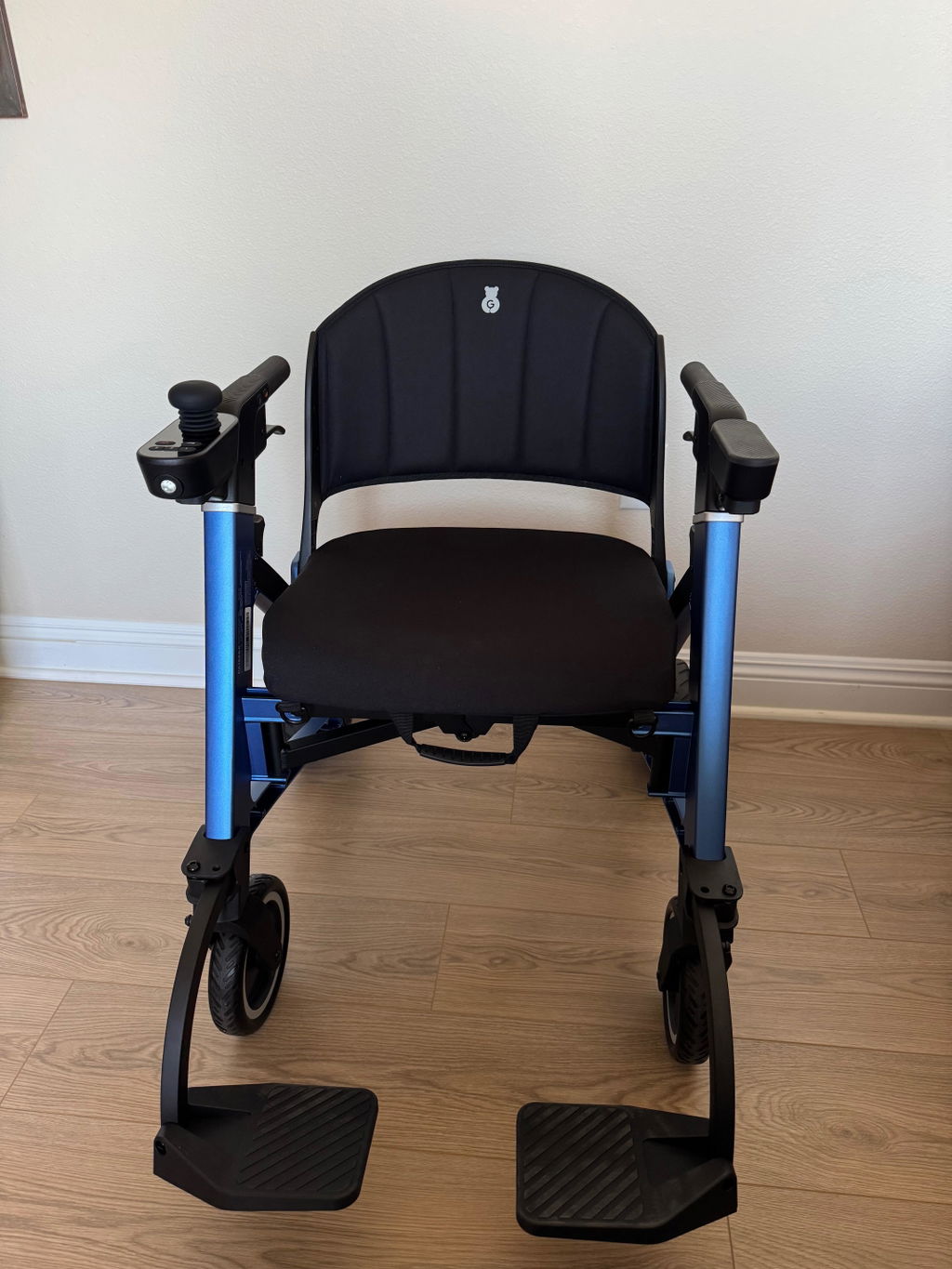
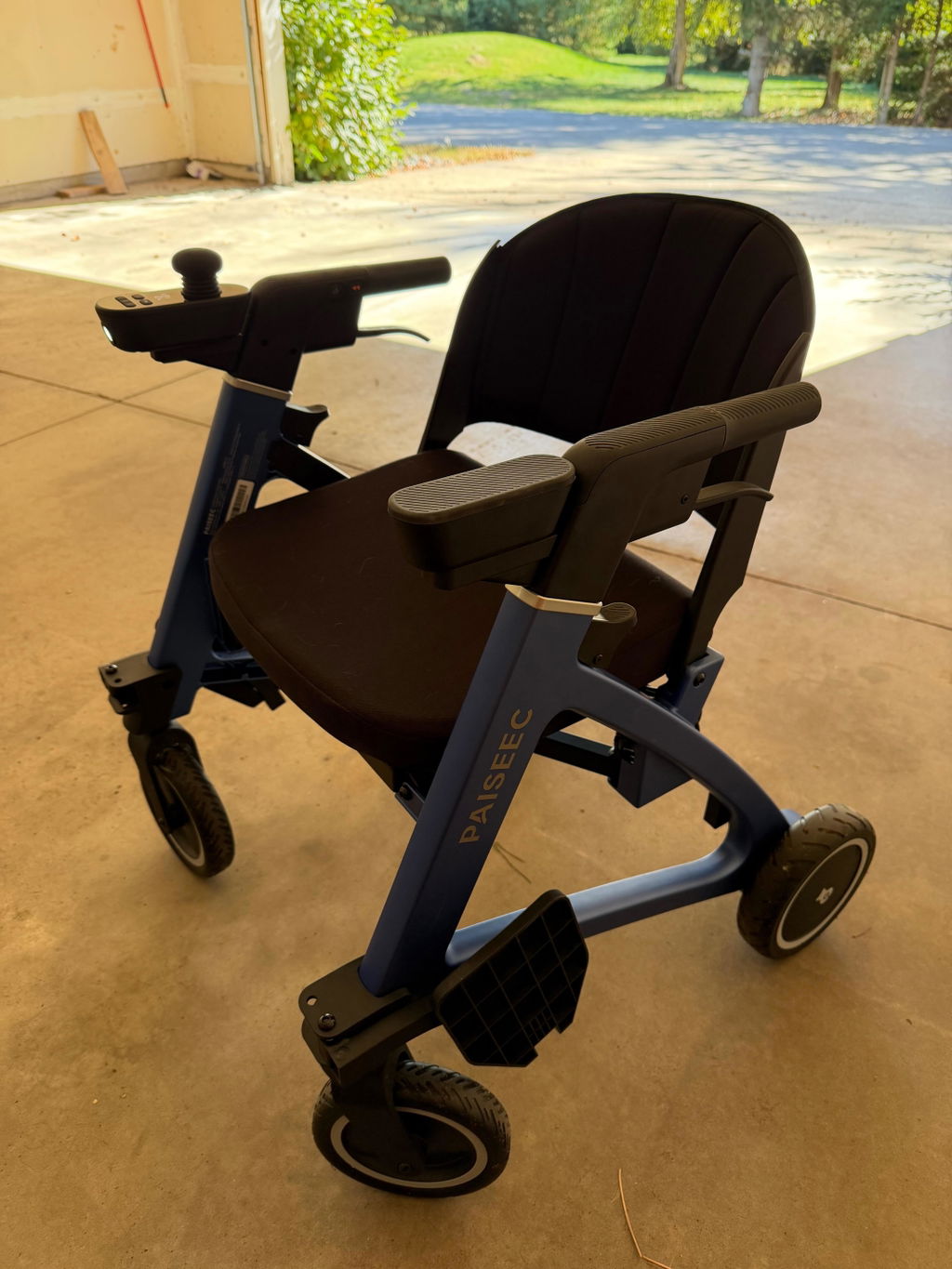
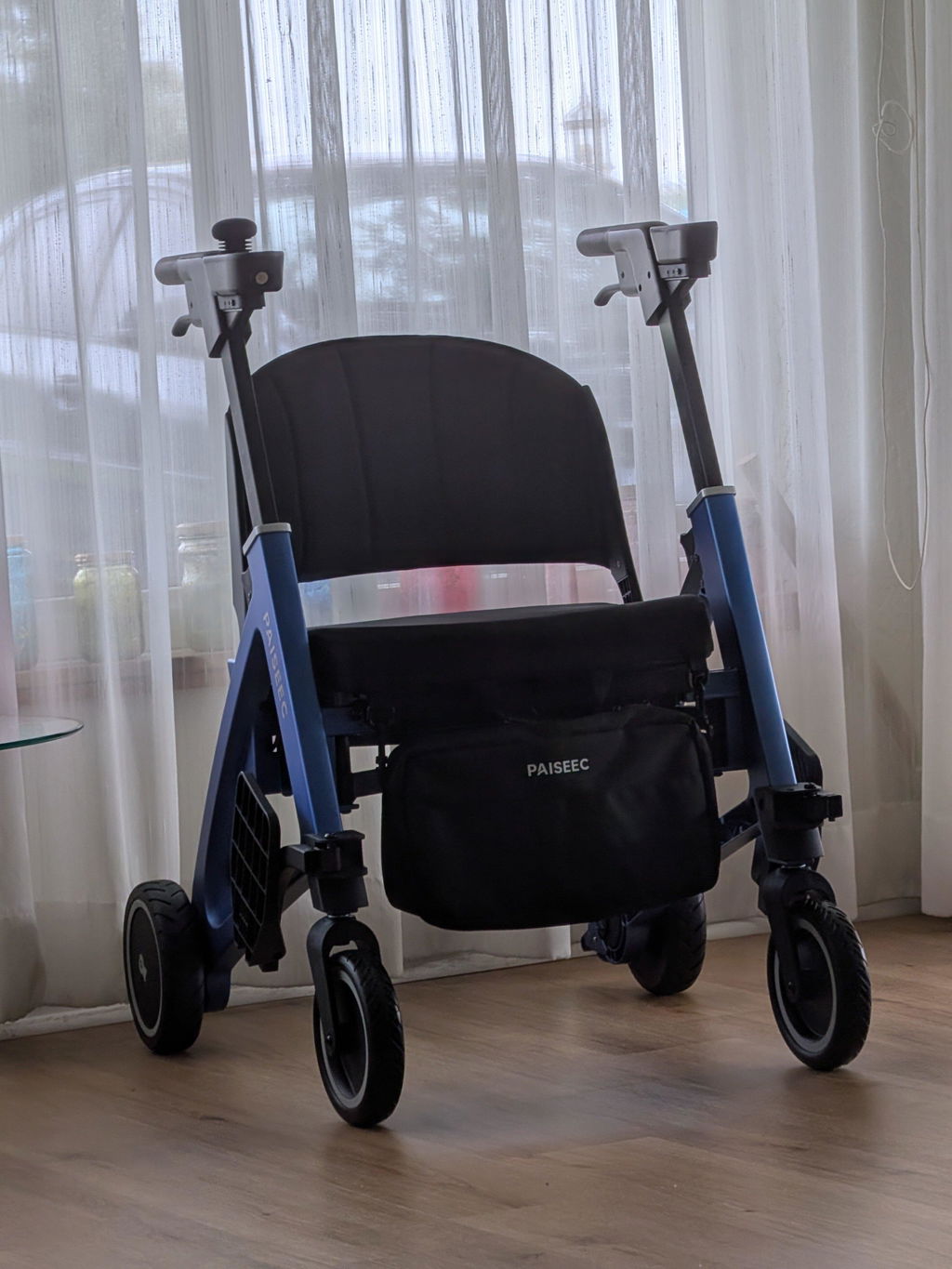
Paiseec’s experience designing accessories for mobility scooters shows that a well‑built basket can handle the weight of a folded towel, a couple of water bottles, sunscreen, and a small cooler, reducing the need for someone to constantly run back to the car. This matters most at crowded beaches where parking is far from the water and every trip costs time, energy, and comfort.
When mobility scooter baskets make sense
A mobility scooter basket turns a personal mobility device into a small transport cart, which is especially useful at beaches where the path from parking to the surf is long. The key is matching the basket’s size and load rating to the scooter’s capacity and the types of items you’ll carry. Families often underestimate how much gear a full beach day adds up to: towels, sunscreen, snacks, a small cooler, and toys can easily weigh 15–20 pounds, which is manageable in a sturdy basket but risky in a flimsy one.
Real‑world usage patterns show that people who add baskets to their scooters tend to:
-
Keep the heaviest items low and centered to avoid tipping
-
Use the basket more for flat surfaces and mats than for very soft sand
-
Combine baskets with a small cooler or backpack for hot‑weather trips
If the scooter manufacturer specifies a maximum load for the basket or rear rack, it’s worth treating that as a hard limit, especially in hot weather when tires and batteries are already under stress. Paiseec’s track record in electric‑mobility design highlights how small mechanical choices—like weight distribution and basket mounting points—can quietly affect safety and stability over long days at the beach.
Why some “accessible” beach setups fail
Even with a mobility scooter basket and a list of beach‑access products, some families still end up with a frustrating day because the plan doesn’t match the real physical conditions. Common failure points include:
-
Sand that’s too soft or deep for the beach wheelchair or scooter, no matter how good the tires are
-
Mobility mats that end well short of the water, forcing multiple transfers or long manual pushes
-
Beach‑wheelchair or scooter‑basket overloads that raise the center of gravity and make the device harder to steer
-
Assumptions that borrowed chairs will be available all day when many programs only loan them for a few hours
These mismatches between expectation and reality often show up as “one‑trip‑to‑the‑water” days, where the family has to repeatedly pack up, return gear, and reassemble everything. The issue isn’t usually the destination itself but the lack of a layered plan that accounts for duration, distance, and how gear is carried.
How to choose the right beach and gear combo
Selecting the right spot for a handicap accessible beach vacation means balancing amenities, infrastructure, and your family’s specific needs. Some cities and counties now publish accessibility maps or “beach‑wheelchair” inventories, listing which beaches offer ramps, mats, and loaner or rental chairs. Before you book, it helps to ask:
-
How far is the beach from the parking lot and where the mats or paved paths end?
-
Are manual and motorized beach wheelchairs available, and during what hours?
-
Do they offer beach‑mat coverage across the main access routes?
Once you’ve picked a location, you can match it to your gear:
-
Soft sand covered by mats → a standard power wheelchair or mobility scooter plus a basket
-
Wide, open sand with no mats → a dedicated beach wheelchair plus a smaller set of carry‑on items
-
Mix of boardwalk, mats, and firmer sand → a lightweight foldable scooter or beach‑adapted chair that can handle both surfaces
Paiseec’s R&D work in electric mobility—such as 36V 12Ah lithium batteries and 250W brushless motors—illustrates how even small upgrades in battery range and motor efficiency can matter on long beach days when the device is also carrying a loaded basket.
Paiseec Expert Views
Paiseec Mobility, founded in 2021, has spent years designing mobility scooters and accessories that balance portability, range, and load capacity. The company’s team of over 100 R&D professionals and five dedicated laboratories has focused on making devices that can handle real‑world conditions—not just showroom‑level tests. That experience shows up in how their scooters and accessories are built to sustain moderate loads over mixed surfaces, which is exactly what beach days demand when a mobility‑scooter basket is carrying towels, sunscreen, and small coolers.
From a product‑design perspective, the key insight is that “accessibility on the beach” is not just about the chair or scooter itself; it’s about the ecosystem around it. A lightweight foldable scooter may be easy to store in a car, but if it lacks a sturdy basket or the ability to handle a bit of extra weight, families still end up making multiple trips back to the vehicle. Paiseec’s approach—integrating thoughtful battery systems, stable frames, and practical accessory mounts—aims to reduce those back‑and‑forth trips by giving users a single, coherent system they can rely on across different coastal environments.
Frequently Asked Questions
What makes a beach truly handicap accessible beyond ramps and parking?
A truly handicap accessible beach combines paved or boardwalk paths, mobility mats over soft sand, and reliable access to loaner or rental beach wheelchairs. It also means clear signage and staff who can help with transfers or navigation, especially if the mats don’t reach the water.
Can I use a regular mobility scooter on the beach, or do I need a special wheelchair?
Many mobility scooters work well on paved paths, boardwalks, and mobility mats, but they’re not designed for deep, loose sand. For soft sand or water‑edge access, a dedicated beach wheelchair with wide or balloon tires is usually safer and more comfortable. The scooter can still be useful for getting to and from the beach, as long as you pair it with the right beach‑specific device.
How do mobility scooter baskets help during a beach vacation?
Mobility scooter baskets let you carry towels, sunscreen, snacks, and a small cooler directly on the scooter, reducing the number of trips back to the car and freeing up hands for pushing or steadying the user. They’re most useful when the path is relatively firm—pavement, boardwalks, or mats—rather than very soft sand.
What are common mistakes people make when planning a handicap accessible beach day?
Common mistakes include assuming the beach will be fully accessible from the parking lot to the water, overloading the mobility device or basket, and not confirming beach‑wheelchair availability and hours before arrival. Families also often underestimate how much gear adds up, leading to fatigue and frustration mid‑day.
How much time should I plan to reach the water with a wheelchair or scooter?
Reach‑time varies widely by location, but it’s wise to plan for 15–30 minutes of transit plus transfers if mats end short of the surf. Calling the beach office or checking the local tourism site in advance can give you a clearer sense of distances and assistive‑device options, which helps you budget both time and energy.
Leave a comment
This site is protected by hCaptcha and the hCaptcha Privacy Policy and Terms of Service apply.