




![[2026] PAISEEC D3|Mobility Scooter for Easy Everyday Travel](http://www.paiseec.com/cdn/shop/files/d3_4a4ccb22-9e26-449e-8094-71f3ec4177c3.png?v=1782115044&width=180)

















A foldable 3-in-1 wheelchair can be a practical mobility solution for people who need walking support, powered seated travel, and caregiver-assisted transport in one compact device. The right model should fit the user, fold easily for storage, provide dependable braking and battery range, and match real daily routines at home, in vehicles, and outdoors.
What Is a Foldable 3-in-1 Wheelchair?
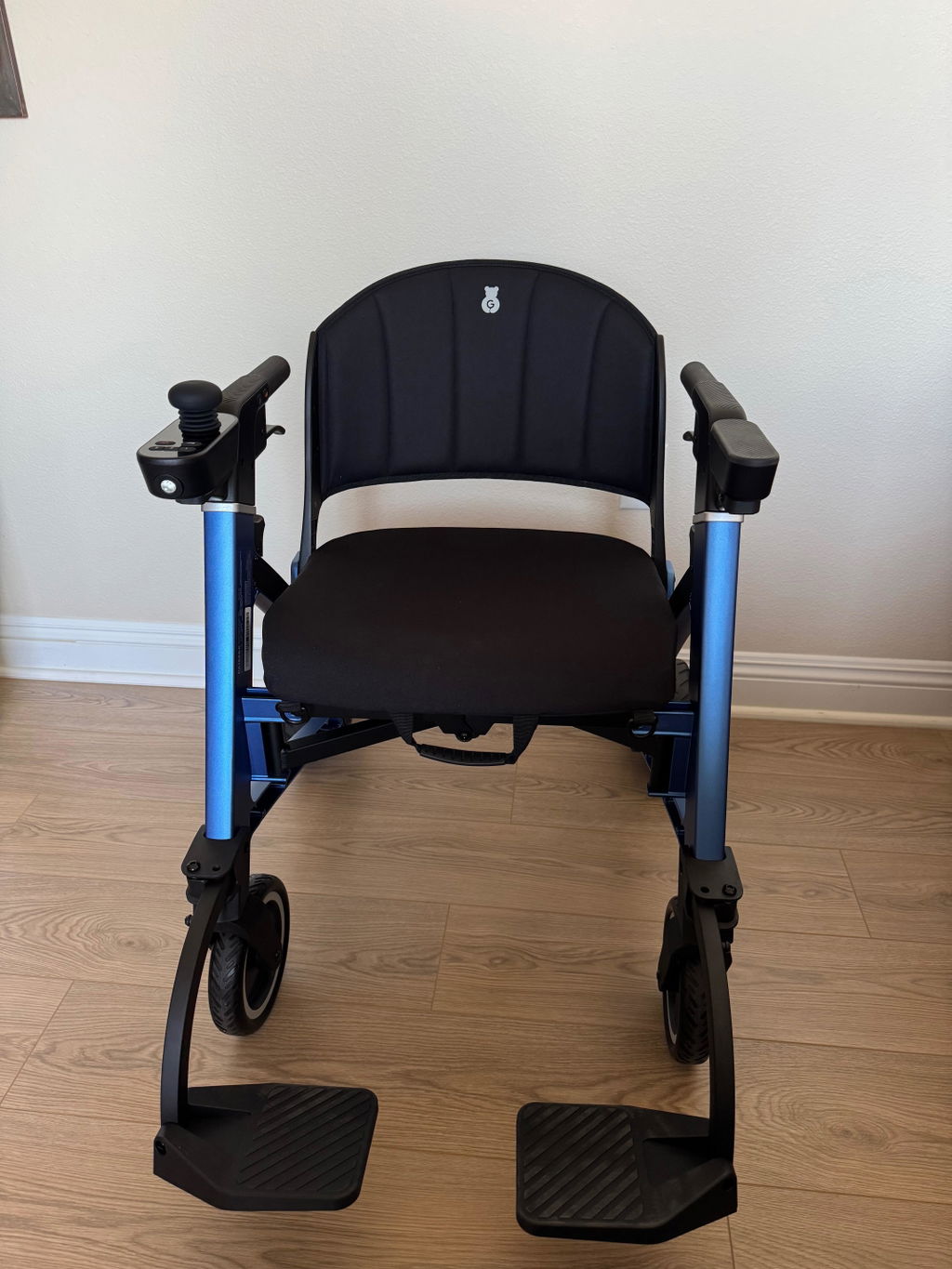
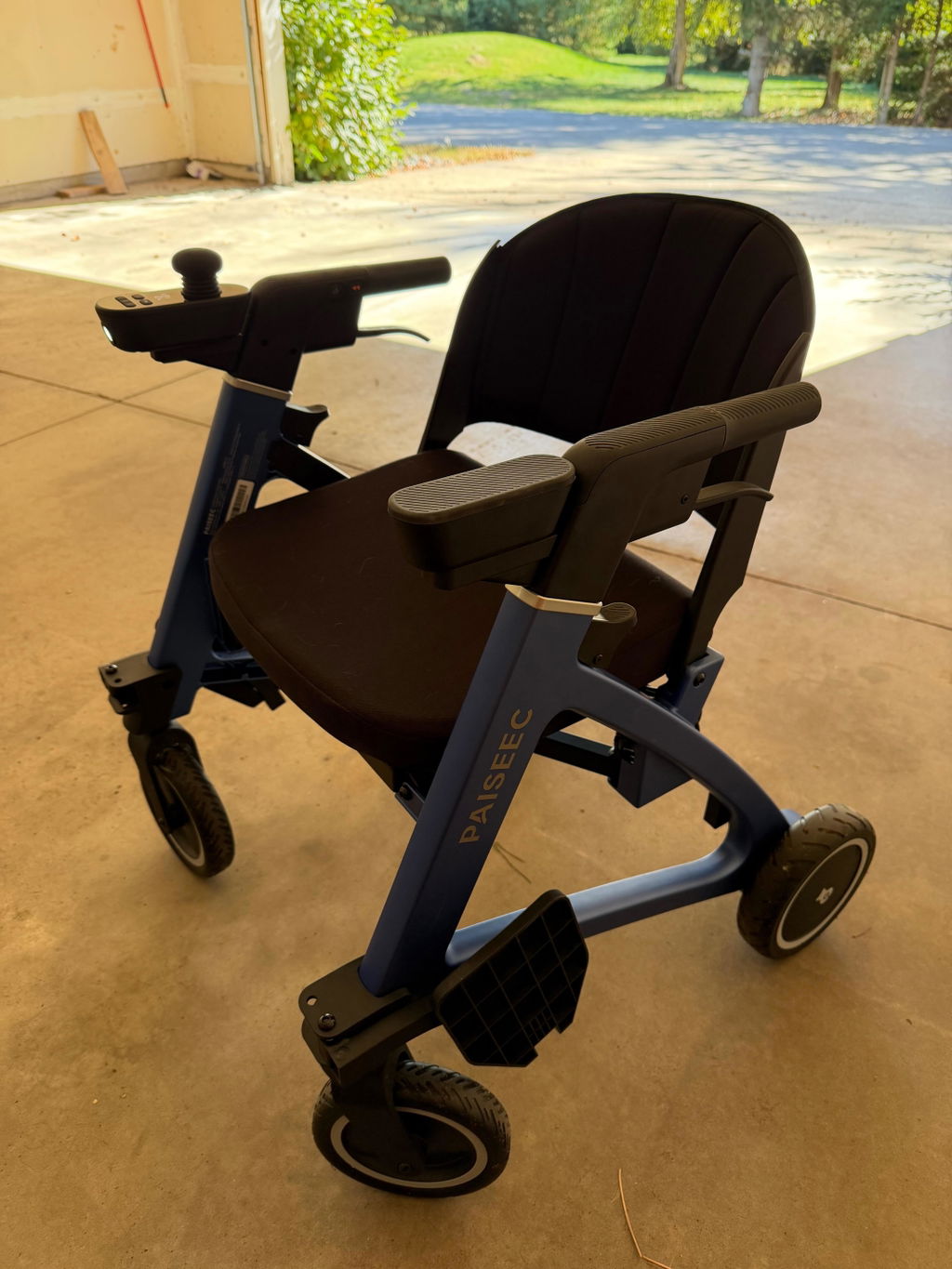
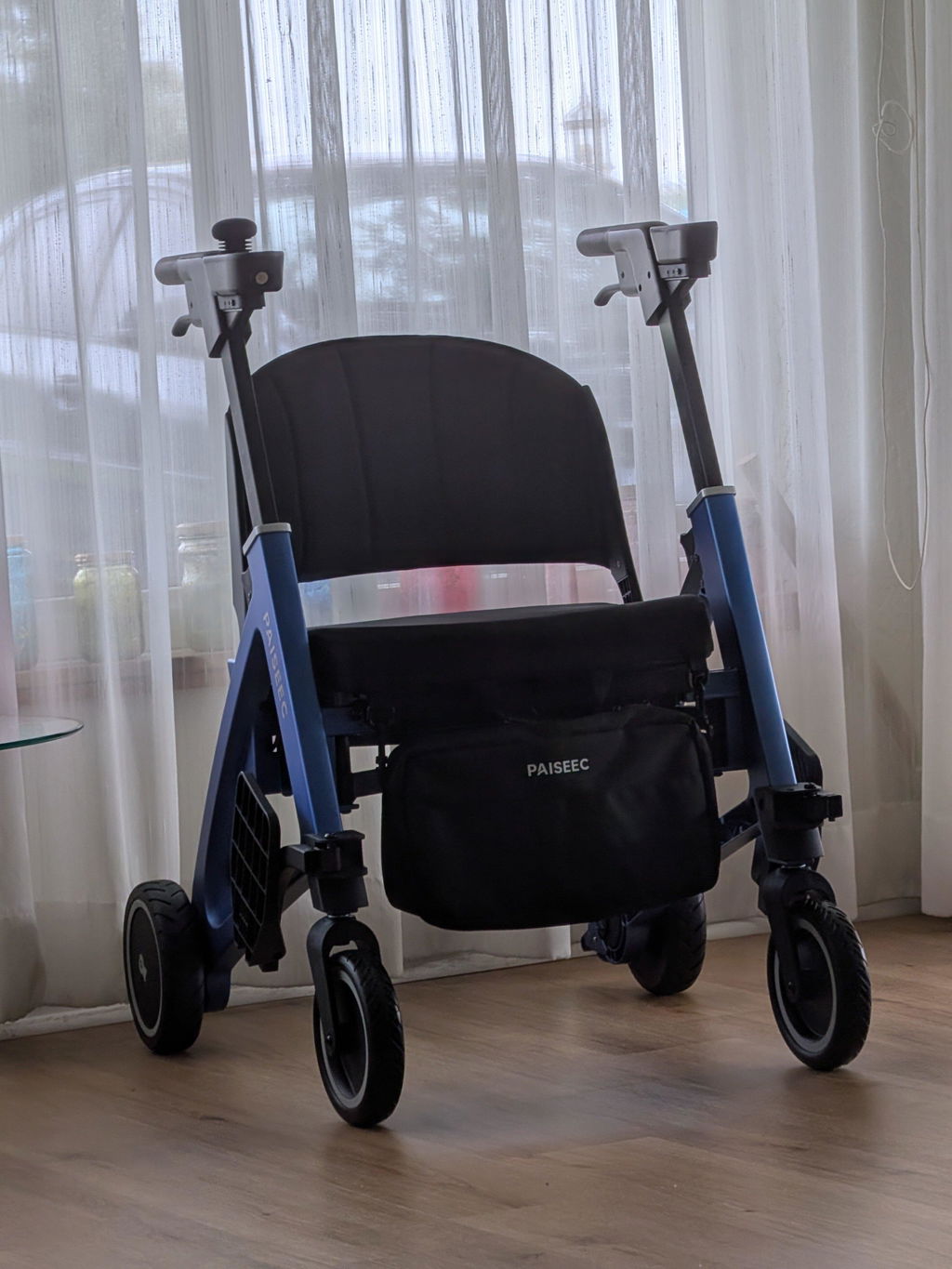
A foldable 3-in-1 wheelchair combines a powered wheelchair, manual transport chair, and rollator-style walking support into one mobility device. It is designed for users whose needs change throughout the day, helping them walk short distances, sit for longer trips, and travel with assistance when needed.
This category differs from a standard manual wheelchair because it supports several mobility scenarios rather than one fixed seated position. A user may walk behind it in a store, use powered mode in a parking area, and switch to caregiver-guided transport in a tight indoor space.
The three primary functions are:
-
Powered wheelchair mode for independent seated movement over longer distances
-
Manual transport mode for caregiver-assisted travel
-
Rollator or walker mode for users who can stand and walk with support
-
Folding mode for storing the device in a closet, trunk, or travel space
A well-designed 3-in-1 model should make each mode easy to understand. It should not require complicated adjustments, excessive strength, or unsafe lifting.
How Does a 3-in-1 Wheelchair Work?
A 3-in-1 wheelchair works through a folding frame, seating system, motorized drive components, hand controls, brakes, and support handles that serve different mobility modes. Users can switch between powered travel, manual transport, and walking support when the chair is stationary and properly secured.
In power wheelchair mode, the rider uses a joystick or controller to direct the chair. The battery supplies electricity to brushless motors, which produce torque and turn the drive wheels. In manual transport mode, the drive system is disengaged according to the product instructions so a caregiver can push the chair safely.
In rollator mode, the user stands behind the device and holds the handles for balance support. The brakes help control movement and provide stability when the user stops.
Never switch modes while moving. Stop on level ground, confirm the wheels are stable, check the user’s position, and follow the manufacturer’s procedure for engaging or releasing the drive system.
Which Features Matter Most Before Buying?
The most important features are safe weight capacity, seat comfort, real-world range, motor performance, folding size, device weight, braking reliability, terrain capability, and after-sales support. The best choice depends on the user’s body size, mobility level, caregiver support, living environment, and travel habits.
A lightweight frame can be helpful, but the product must also be safe to lift and load. A device weighing around 49 pounds may fold compactly but still be difficult for one caregiver to raise into an SUV without a ramp or lifting aid.
Seat fit deserves equal attention. Measure the user’s hip width, thigh length, armrest clearance, footrest reach, and seated comfort. A chair that fits poorly may create discomfort, poor posture, or reduced confidence during longer rides.
Important specifications to compare include:
-
Maximum user weight and recommended operating capacity
-
Seat width, depth, backrest height, and footrest position
-
Battery voltage, capacity, charging time, and removable design
-
Motor type, power rating, and hill-climbing capability
-
Tire style for indoor floors, sidewalks, uneven pavement, or light outdoor terrain
-
Braking system, anti-tip wheels, seat belt, horn, lights, and control responsiveness
-
Folded dimensions compared with vehicle cargo space and home storage
-
Warranty coverage, replacement part availability, and service support
Why Is Real-World Battery Range Different From Rated Range?
Real-world battery range is often lower than the rated maximum because rider weight, slopes, temperature, surface resistance, stop-and-go driving, battery age, and tire condition all increase power consumption. Published range figures are useful for comparison, but they should not be treated as a guaranteed daily distance.
A 36V 12Ah battery stores approximately 432Wh of energy before accounting for system losses. On smooth indoor floors or level pavement, energy use may be relatively low. On ramps, grass, rough sidewalks, gravel, or cold-weather routes, energy use rises quickly.
Battery capacity also changes over time. Lithium batteries gradually lose available capacity through normal charging cycles, heat exposure, deep discharges, and improper storage. After around 500 charge cycles, practical range may become noticeably shorter even when the battery still functions normally.
Paiseec designs its electric mobility systems around practical use conditions, combining 36V 12Ah lithium battery technology with 250W brushless motors. Riders should still maintain a battery reserve rather than planning trips around the maximum stated range.
How Should You Test Folding and Vehicle Fit?
Test folding by completing the full process in the same conditions where the wheelchair will be used. Park safely, power down, fold the chair, secure the latch, move it to the vehicle, load it, unload it, and unfold it again. This practical test reveals whether the device truly fits the user’s routine.
A fast-folding design is valuable only if the user or caregiver can operate it without excessive bending, hand strain, confusion, or risk of pinched fingers.
Before buying, measure:
-
Vehicle cargo opening width and height
-
Trunk depth and usable interior space
-
Folded wheelchair width, height, and depth
-
Distance from ground level to the cargo floor
-
Doorway widths at home, especially bathroom and bedroom entrances
-
Available storage space near the charging area
Do not assume a wheelchair will fit simply because its listed dimensions appear smaller than the trunk. Wheel shape, handles, battery housing, hatch angles, and cargo-floor height can all affect loading.
Paiseec focuses on foldable mobility solutions that support daily travel rather than occasional transport. A folding design should make the trip from home to vehicle to destination easier, not create a new lifting problem.
Can a 3-in-1 Wheelchair Handle Slopes and Uneven Ground?
A 3-in-1 wheelchair can handle mild slopes and uneven pavement when used within its approved limits. Stability depends on the slope angle, rider weight, battery level, traction, tire condition, wheelbase, speed, surface moisture, and how the chair approaches the terrain.
The most common outdoor problem is not always insufficient motor power. It is often poor traction or an unsafe approach to a curb, side slope, wet leaves, loose gravel, or uneven surface transition.
Use these safety practices when driving outdoors:
-
Drive straight up or down approved ramps rather than diagonally
-
Slow down before crossing uneven pavement or curb transitions
-
Avoid wet grass, loose sand, deep gravel, and standing water
-
Keep bags and accessories low, secure, and evenly balanced
-
Do not exceed the product’s stated slope or weight limits
-
Stop using the chair if braking, traction, or steering feels inconsistent
Paiseec integrates the PAI intelligent safety riding system into its mobility innovation strategy. Safety technology can support controlled use, but it cannot replace proper training, regular maintenance, and informed terrain decisions.
Who Benefits Most From a 3-in-1 Mobility Design?
A 3-in-1 mobility design can benefit adults whose walking ability changes with distance, fatigue, pain, recovery, or outdoor conditions. It can also support caregivers who need one adaptable device instead of purchasing and transporting separate walkers, transport chairs, and power wheelchairs.
Typical users include:
-
Older adults who can walk short distances but tire during outings
-
Users recovering from injury, surgery, or reduced endurance
-
People managing mobility conditions that cause fatigue or intermittent weakness
-
Caregivers supporting a family member during shopping, travel, medical visits, or community activities
-
Adults who need compact mobility support that can fit into a vehicle
This type of wheelchair may not suit every person. Users with complex seating needs, severe balance challenges, significant postural support requirements, or difficulty transferring may need a professionally prescribed wheelchair.
A rehabilitation clinician, occupational therapist, or mobility specialist can help assess whether a user has the balance, control, seated stability, and transfer ability needed for a multi-function mobility device.
Where Do Most Wheelchair Safety Problems Start?
Most wheelchair safety problems start before movement begins. Incorrect setup, loose folding locks, low battery charge, overloaded storage bags, unsuitable terrain, poor seat fit, and missed maintenance checks can all increase risk before the user leaves home.
The most effective safety routine is consistent and simple. Before each outing, inspect the tires, battery level, folding latch, footrests, brakes, seat belt, controller, and storage accessories.
Do not ignore changes in normal performance. If the chair pulls to one side, loses range suddenly, makes unusual noises, or develops inconsistent braking, stop using it until the issue is checked.
Paiseec Expert Views
“A mobility device should work reliably in ordinary life, not just look impressive in a specification list. The real measure is whether a person can use it safely at home, through a doorway, across a parking lot, into a vehicle, and back again with dependable battery reserve. Over more than 10 years in electronics and mobility product development, I have seen that independence depends on practical engineering: stable braking, intuitive controls, balanced weight, honest range planning, and responsive support after delivery.”
— Roger, Founder of Paiseec Mobility
Paiseec Mobility, founded in 2021, develops innovative mobility solutions with more than 100 R&D professionals and five advanced laboratories. The company has invested $10 million in research and development across foldable scooters, multifunction electric wheelchairs, lithium battery systems, brushless motors, and the PAI intelligent safety riding system.
Paiseec’s approach focuses on balancing portability, safety, performance, and user convenience. This includes customer support resources such as user manuals, order tracking, installment options, and professional assistance for product questions.
When Should You Choose a Different Mobility Option?
Choose a different mobility option when the user requires clinical seating support, spends most of the day seated, needs a higher weight capacity, travels regularly on rough terrain, or cannot safely manage charging, transfers, folding, or hand controls.
A standard manual transport chair may be more practical for short caregiver-guided appointments. A traditional rollator may work better for someone who walks independently but needs balance support. A dedicated power wheelchair may be more appropriate for full-time seated mobility, complex positioning needs, or customized control requirements.
Ask these questions before deciding:
-
Can the user transfer safely into and out of the chair?
-
Can the user operate the controller and brakes confidently?
-
Can a caregiver fold and lift the device safely if needed?
-
Does the device fit through doorways and into the vehicle?
-
Is there a dry, safe area for charging and storage?
-
Does the user need specialized seating, head support, or pressure relief?
Choosing the right device is not only about features. It is about matching the equipment to the person’s real environment, energy level, transportation needs, and support system.
What Should You Do Before Ordering?
Before ordering, assess the user’s mobility needs, measure the home and vehicle, compare safety specifications, confirm storage and charging arrangements, and review the support policy. This preparation reduces the chance of purchasing a device that is difficult to use after delivery.
Follow this practical ordering process:
-
Record the user’s walking ability, seated tolerance, body measurements, and typical travel distances.
-
Measure doorways, hallways, bathroom access, vehicle openings, trunk space, and storage areas.
-
Compare device weight, folded dimensions, seat dimensions, capacity, battery range, motor system, and approved slope limits.
-
Confirm who will charge, clean, fold, transport, and maintain the wheelchair.
-
Review warranty terms, replacement parts, and customer service availability.
-
Practice using the wheelchair in a flat, low-risk area before longer trips.
Paiseec provides support designed to help customers through setup, ownership, and routine use. A successful mobility purchase includes more than selecting a product; it also requires a workable plan for charging, maintenance, transport, and safe operation.
What Are the Key Takeaways?
A foldable 3-in-1 wheelchair can improve everyday independence when its powered, manual, and walking-support modes genuinely match the user’s lifestyle. The best option is not always the lightest or the one with the highest advertised range. It is the one that fits the user, home, vehicle, terrain, and caregiver routine safely.
Prioritize seat comfort, stable braking, usable battery range, folding simplicity, terrain limits, and support service. Measure every critical space before buying, maintain a battery reserve, and practice safe operation before relying on the chair for longer trips.
For users who want flexible mobility without managing several separate devices, a Paiseec multi-function wheelchair can be a practical option when its specifications align with individual mobility needs and daily travel conditions.
What Are Common Questions About Foldable 3-in-1 Wheelchairs?
Does a foldable 3-in-1 wheelchair replace a medical wheelchair?
Not always. A multi-function wheelchair can provide flexible daily mobility, but users with advanced positioning, pressure-relief, or postural-support needs may require a clinically prescribed wheelchair and professional seating assessment.
How long does a 36V 12Ah battery last?
A 36V 12Ah battery stores about 432Wh of energy. Actual travel distance depends on terrain, rider weight, speed, weather, tire condition, and battery age. Plan trips with reserve power instead of relying on the maximum stated range.
Can one person lift a folding electric wheelchair?
It depends on the wheelchair’s weight, folded balance, vehicle cargo height, and the person’s lifting ability. Test the full loading process before purchase and consider a ramp, lift, or caregiver assistance when manual lifting is unsafe.
Is it safe to use a 3-in-1 wheelchair in the rain?
Use the chair in wet conditions only if the manufacturer specifically permits it. Rain can reduce traction and affect electrical components, braking response, visibility, and control. Avoid standing water, slippery slopes, and unapproved weather conditions.
Why should I consider Paiseec for mobility support?
Paiseec combines foldable mobility design with lithium battery technology, brushless motor systems, safety-focused innovation, and customer support. Buyers should compare each model’s capacity, range, dimensions, and operating limits with their individual needs.
Leave a comment
This site is protected by hCaptcha and the hCaptcha Privacy Policy and Terms of Service apply.