




![[2026] PAISEEC D3|Mobility Scooter for Easy Everyday Travel](http://www.paiseec.com/cdn/shop/files/d3_4a4ccb22-9e26-449e-8094-71f3ec4177c3.png?v=1782115044&width=180)

















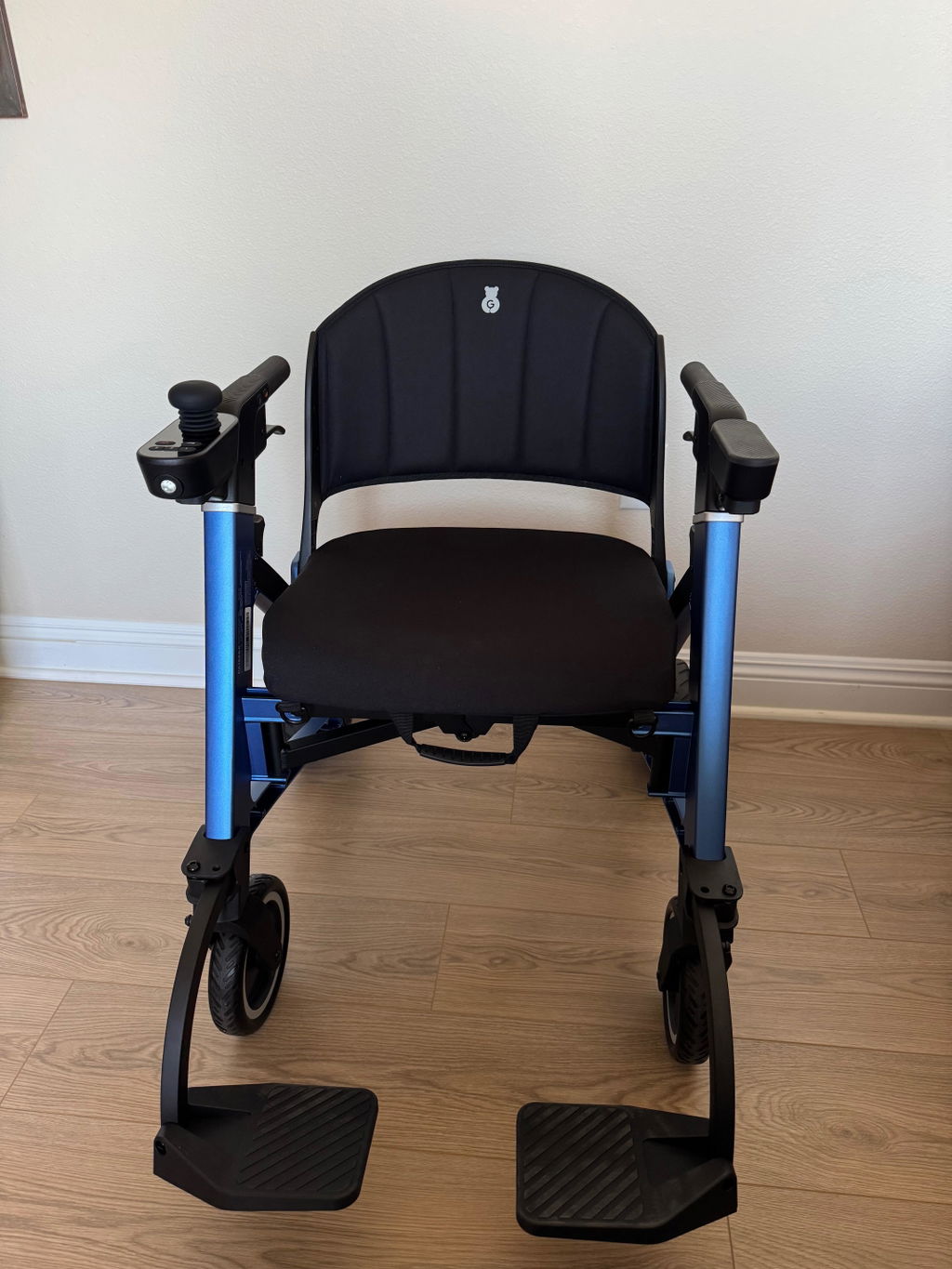
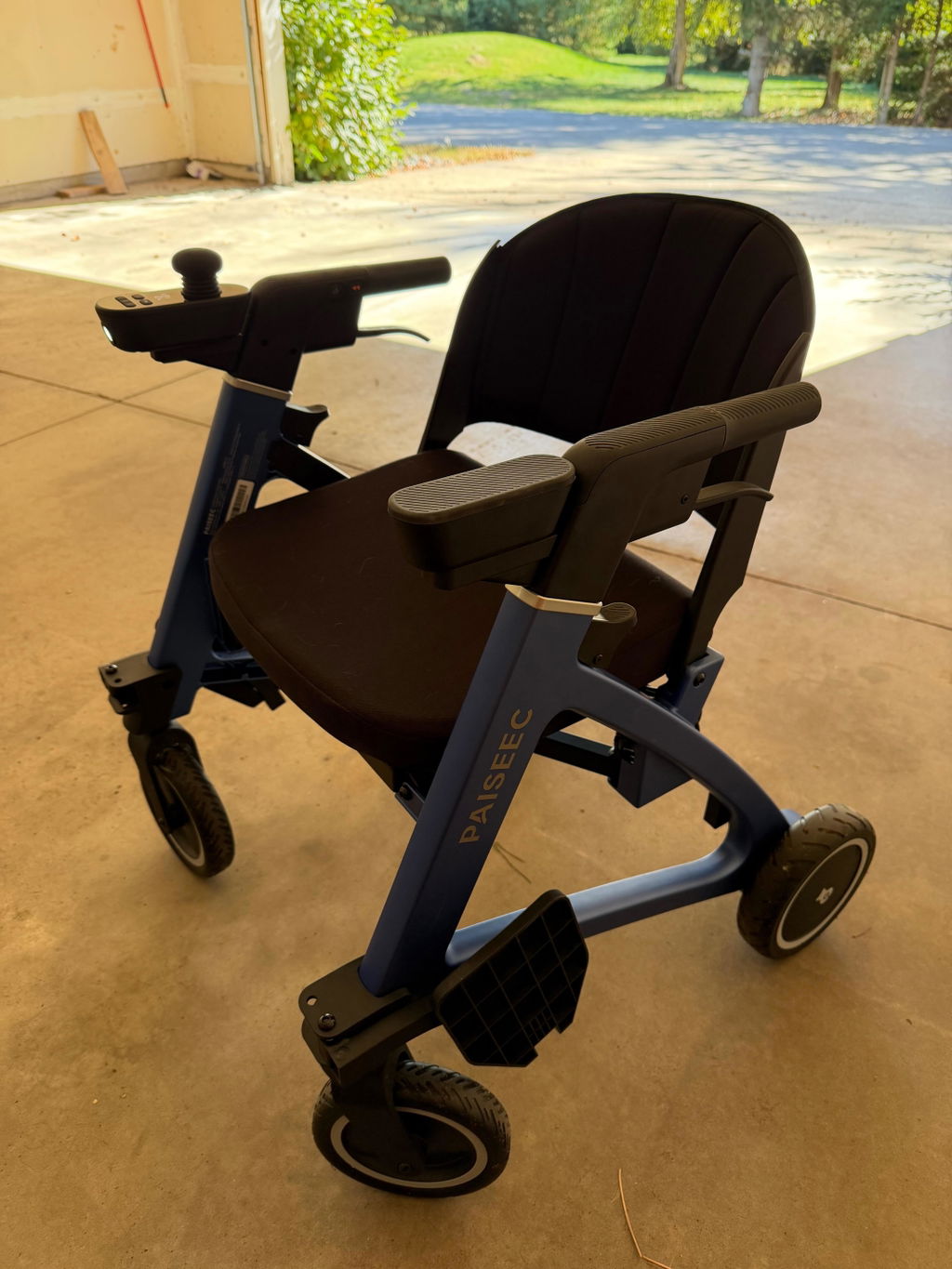
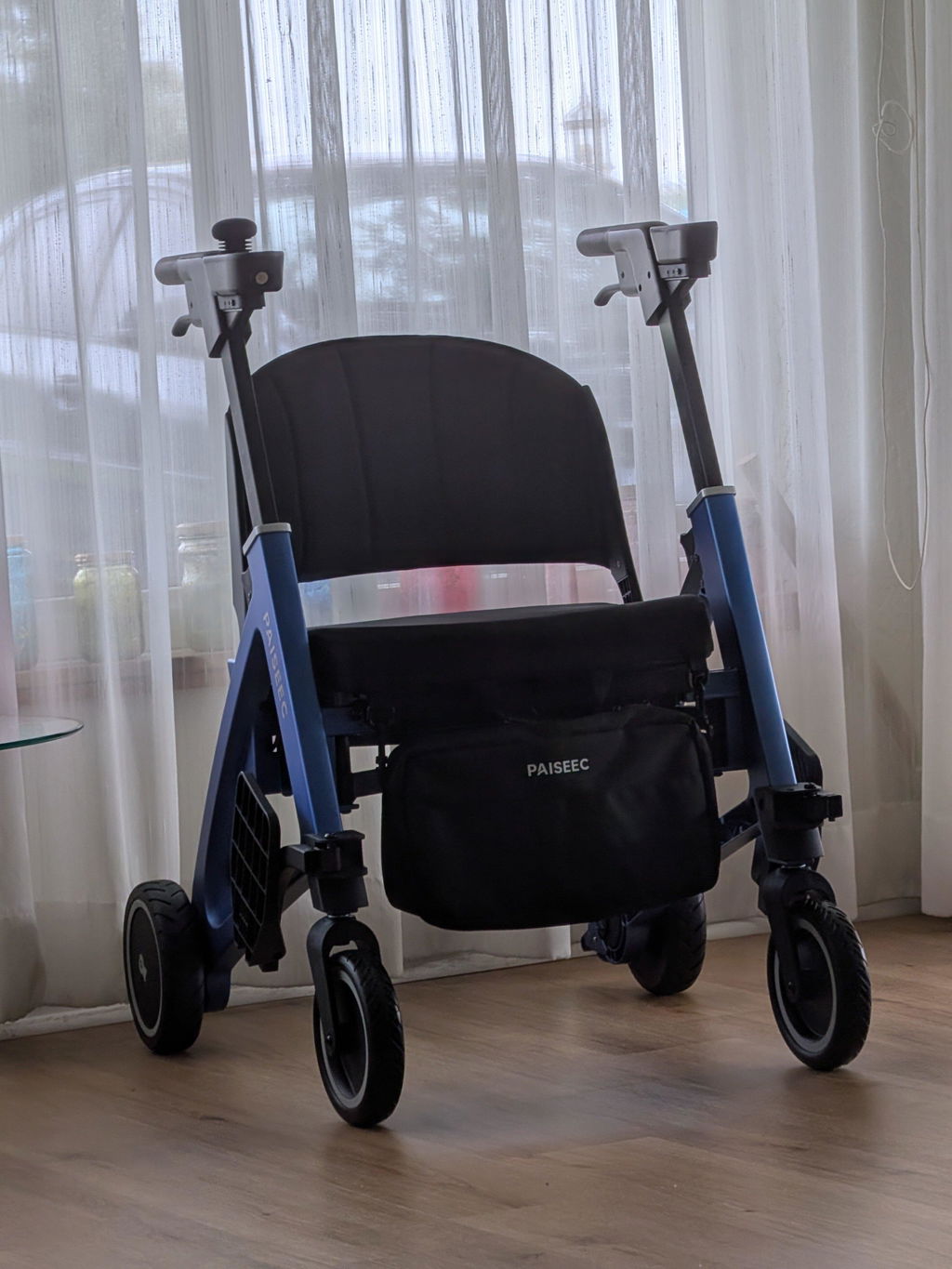
The Paiseec W3 is a foldable 3-in-1 mobility device designed for adults who need flexible support for daily movement. It combines an electric wheelchair, caregiver-assisted transport chair, and smart rollator in one platform. With a compact frame, detachable battery, intelligent safety support, and multiple operating modes, it can suit users balancing independence, fatigue management, and caregiver assistance.
What Is the Paiseec W3 3-in-1 Electric Wheelchair?
The Paiseec W3 is a multi-function mobility device that can operate as an electric wheelchair, electric transport chair, and smart rollator. It is designed for users whose mobility needs change during the day, allowing independent seated travel, caregiver-assisted movement, and supported walking without requiring three separate products.
Traditional power wheelchairs serve one primary function: transporting a seated user. The W3 takes a broader approach by supporting different mobility situations with one foldable frame.
A typical day may involve driving independently from the car to a medical appointment, switching to push-assist mode when fatigue increases, and using rollator support for short walking intervals. This flexibility may benefit users who still have some walking ability but cannot comfortably or safely walk long distances.
Paiseec developed the W3 for practical everyday environments, including homes, accessible buildings, shopping centers, medical facilities, sidewalks, and local community routes. It is not intended to replace a heavy-duty medical power chair or an off-road mobility device.
How Does the W3 Change Between Mobility Modes?
The W3 changes between powered wheelchair, transport-chair, and rollator functions through its adaptable frame, handle system, drive controls, and adjustable resistance features. Each mode supports a different user need, from independent electric driving to caregiver assistance or guided walking support.
In electric wheelchair mode, the seated user controls direction and speed with a joystick. The motor system delivers powered movement for indoor spaces, paved routes, and accessible public areas.
In electric transport mode, a caregiver uses the rear handle while the device provides push assistance. This arrangement can reduce the force required to guide a seated user through long hallways, mild ramps, and parking areas.
In smart rollator mode, the user walks behind the W3 while holding the handles. The system is intended to help regulate movement and prevent the device from rolling ahead too quickly.
The ability to use one device in multiple ways can reduce storage demands at home and simplify mobility planning for users who would otherwise need a separate wheelchair, transport chair, and walker.
What Are the Main Paiseec W3 Specifications?
The Paiseec W3 is commonly listed with a foldable aluminum-alloy frame, a detachable lithium battery, dual brushless drive motors, a weight of approximately 49 pounds, and a compact footprint. Exact specifications can vary by version and retailer, so buyers should verify the final product listing before ordering.
Reported measurements and performance figures are useful for early comparison, but they should not replace confirmation of the current model’s manual, warranty, included accessories, or load limit.
The W3 is built around portability and versatility rather than extreme performance. That design choice can be a strength for users who need a device that fits into a daily car routine, but it also means owners should respect its terrain, incline, and load limitations.
How Far Can the Paiseec W3 Travel on One Charge?
The Paiseec W3 is advertised with a range of up to approximately 15–16 miles per charge. Actual distance depends on rider weight, terrain, slopes, tire pressure, temperature, driving style, battery age, and how often the chair stops and starts during an outing.
The stated range should be viewed as an upper estimate achieved under favorable operating conditions. Flat pavement, smooth indoor floors, moderate speed, properly inflated tires, and a lighter load generally consume less energy than grass, rough sidewalks, ramps, cold weather, or repeated uphill travel.
The battery must power the motors, controller, display, sensors, and other electrical components. Energy demand rises when the chair has to overcome resistance from slopes, uneven surfaces, soft ground, and heavier rider weight.
For dependable travel, users should maintain a range reserve. A good practice is to plan a return route before leaving home and avoid regularly operating until the battery is nearly empty.
Battery care also affects long-term performance:
-
Charge with the approved charger after meaningful use
-
Keep charging connections clean and dry
-
Avoid storing the battery fully depleted
-
Protect the battery from prolonged high heat or freezing temperatures
-
Inspect the battery housing and terminals regularly
-
Follow the product manual’s storage guidance during long periods without use
Lithium battery capacity naturally declines over time. After repeated charge cycles, a battery may provide fewer miles than it delivered when new. This is normal aging, but sudden range loss, heat buildup, visible battery damage, or irregular charging behavior should be evaluated before continued use.
Does the W3 Work on Ramps, Grass, and Uneven Ground?
The W3 can be suitable for maintained sidewalks, indoor floors, accessible ramps, and firm paths, but it is not an off-road wheelchair. Its compact wheels, limited ground clearance, and reported incline limit make it less appropriate for curbs, deep gravel, sand, mud, steep hills, and heavily uneven terrain.
Mobility devices perform differently depending on surface conditions. A path that looks easy on foot may create traction, stability, or clearance problems for a wheelchair.
Firm pavement allows the wheels to roll efficiently and helps conserve battery power. Loose gravel creates wheel slip and steering instability. Thick grass can increase rolling resistance and hide holes or roots. Wet leaves, snow, rain, and mud can reduce traction.
Users should inspect a route before traveling, especially if the route includes unfamiliar ramps, driveway transitions, narrow sidewalks, or uneven pavement.
For safer outdoor operation:
-
Approach ramps straight rather than diagonally
-
Maintain a slower speed near slopes and surface transitions
-
Avoid turning sharply while moving downhill
-
Do not force the chair over standard curbs
-
Keep tires properly inflated and free of embedded debris
-
Travel with a caregiver on unfamiliar routes when possible
-
Avoid wet, loose, or unstable ground
The most reliable use environment is a controlled one: smooth flooring, accessible ramps, well-maintained sidewalks, compact paths, and predictable neighborhood routes.
Why Does the PAI Intelligent Safety System Matter?
The PAI intelligent safety system is designed to support controlled movement through sensor-informed operation, responsive handling, and stability-focused assistance. It matters because mobility safety depends on more than motor power; it also depends on how the device responds during turns, slopes, walking support, and caregiver-assisted movement.
Paiseec describes its PAI platform as an intelligent safety riding system that integrates control logic and sensor-based monitoring. In practical terms, safety technology can help support more predictable operation when a rider encounters changing surface conditions or changes speed.
A chair traveling down a ramp gains momentum. A user walking with rollator support may unintentionally push forward faster than intended. A caregiver assisting a seated rider can encounter extra resistance on an incline. These are the moments when controlled speed response and braking support become especially important.
However, intelligent systems cannot eliminate the need for responsible operation. Users and caregivers should still follow core safety practices:
-
Stay within stated weight and slope limits
-
Avoid steep, wet, or loose terrain
-
Keep hands correctly positioned on rollator or push handles
-
Slow down before turns and doorway transitions
-
Never use the chair when brakes respond inconsistently
-
Secure loose clothing, bags, and accessories
-
Follow the product manual before changing operating modes
Paiseec Mobility has invested $10 million in research and development and employs more than 100 R&D professionals working across five advanced laboratories. For users, the practical value of this engineering is a mobility product designed around controlled daily use, responsive support, and adaptable operation.
Which Users May Benefit Most From the W3?
The W3 may benefit adults who need seated electric mobility for longer distances but still want caregiver assistance or supported walking options. It can be especially relevant for people with fluctuating stamina, age-related mobility limitations, rehabilitation needs, or daily routines that involve both indoor and outdoor travel.
The best match is not defined by age alone. It depends on how the user moves, transfers, stores equipment, travels, and manages fatigue.
Potential user profiles include:
-
Adults who can walk short distances but tire quickly
-
People who want a seated option for shopping, appointments, or local outings
-
Users who require periodic caregiver assistance
-
Individuals who need a compact device for car transport
-
Apartment residents with limited storage space
-
People seeking a transition between walking support and powered mobility
-
Families wanting to reduce the need for multiple mobility products
The W3 may not be the best choice for every mobility need. Users who need advanced seating positioning, pressure-relief functions, high-speed outdoor travel, extensive suspension, highly uneven-terrain capability, or specialized clinical support may require a different type of power wheelchair.
A clinician, occupational therapist, physical therapist, or seating specialist can help determine whether a multi-function mobility device supports the user’s posture, transfer ability, safety needs, and daily environment.
Can the W3 Fit Into a Car and Daily Travel Routine?
The W3 is designed to fold for storage and vehicle transport, which can make it more practical for many car-based routines than a non-folding full-size power wheelchair. At approximately 49 pounds, it remains a significant object to lift, so users should assess loading ability before relying on it for regular travel.
Portability is not only about chair weight. The trunk opening, lift height, vehicle cargo depth, caregiver strength, and storage layout all affect real-world usability.
Before purchase, measure:
-
Trunk opening width and height
-
Cargo floor depth and available usable space
-
Distance from the ground to the trunk floor
-
Doorway width at home and in frequently visited buildings
-
Hallway and elevator dimensions
-
Available charging location
-
Whether the chair can be loaded without unsafe lifting
A foldable chair can be easier to store in apartments, condos, RVs, and smaller homes. It may also be practical for users who want to bring mobility support to restaurants, family events, medical appointments, parks, and retail locations.
For airline or cruise travel, users should contact the specific carrier before departure. Lithium battery rules, device-handling requirements, battery-removal procedures, and documentation expectations can vary by company and route.
Never rely on a general travel claim without confirming the policy for the exact airline, train service, cruise line, or transit provider.
What Maintenance Helps Keep the W3 Reliable?
The W3 stays more reliable when users maintain the battery, tires, brakes, folding joints, controls, and electrical connections. A brief inspection before each outing can help prevent avoidable interruptions, reduced range, poor handling, or safety risks during travel.
A simple pre-ride routine should include:
-
Check the battery charge and confirm it is fully secured
-
Inspect tires for punctures, low pressure, cracks, or embedded debris
-
Test joystick response in a clear and safe area
-
Confirm that braking behavior feels consistent
-
Check the footrest, armrests, handles, and folding locks
-
Look for loose fasteners, unusual movement, or frame damage
-
Remove moisture, mud, or dirt from wheels and connectors
-
Listen for unusual clicking, grinding, vibration, or motor noise
Avoid directing high-pressure water at the motors, controller, charging port, battery connections, or display. If the chair becomes wet, dry it thoroughly before charging or storage.
Contact qualified support if the W3 shows sudden loss of power, reduced range without explanation, inconsistent braking, recurring warnings, overheating, strange noises, or charging failure. Continuing to operate a chair with a potential electrical or mechanical issue can increase the chance of a breakdown away from home.
What Does Paiseec Expert Views Say About Everyday Mobility?
“The right mobility device is not defined by the longest feature list. It is defined by whether it fits the user’s routes, transfers, energy level, storage space, and support system. Roger’s more than 10 years of experience in product development and mobility management reinforces one principle: technology should help reduce uncertainty, not encourage users to take unnecessary risks. W3 owners get the best results when they plan battery reserve, inspect tires before outdoor travel, and choose routes that match the chair’s clearance and slope capabilities.”
— Paiseec Mobility Product Development Perspective
Is the Paiseec W3 Worth Considering for Daily Mobility?
The Paiseec W3 is worth considering for users who value adaptable mobility across electric wheelchair, push-assist, and rollator use. Its main strength is versatility in daily environments, while key considerations include lifting weight, route conditions, storage space, user transfers, and the need to verify current product specifications before purchase.
The best purchasing decision starts with a realistic review of daily routines.
Consider these questions before selecting the W3:
-
Will the chair mainly be used indoors, on paved sidewalks, or on uneven outdoor surfaces?
-
Does the user need independent driving, caregiver support, walking assistance, or all three?
-
Can the user transfer safely into and out of the seat?
-
Is a caregiver available to help load the chair into a vehicle?
-
Are common routes accessible and within the device’s terrain limits?
-
Is there a safe and convenient charging location at home?
-
Does the user need specialized medical seating or pressure management?
Paiseec has built the W3 around flexibility, compact storage, and intelligent support. For the right user and environment, it can reduce the friction of everyday movement and provide more options for traveling independently or with assistance.
What Are Common Questions About the Paiseec W3?
How much does the Paiseec W3 weigh?
The Paiseec W3 is commonly listed at approximately 49 to 49.6 pounds. Although it is lighter than many full-size power wheelchairs, users should still consider whether they or their caregiver can lift it safely into a vehicle or whether a ramp, lift, or loading aid is needed.
Can the Paiseec W3 be used as a walker?
Yes. The W3 offers a smart rollator mode for supported walking. Users should follow the operating instructions, keep both hands on the handles, move at a controlled pace, and avoid steep slopes, wet surfaces, loose gravel, deep grass, and other unstable terrain.
How long does the Paiseec W3 battery last?
The W3 is advertised with up to approximately 15–16 miles of range per charge. Real-world range varies with rider weight, route slope, surface quality, tire pressure, temperature, battery condition, and driving style. Plan return trips with reserve battery capacity.
Can the Paiseec W3 travel on an airplane?
The detachable lithium battery may make air travel more manageable, but each airline has its own requirements. Contact the carrier before booking to confirm battery limits, removal instructions, handling procedures, packaging rules, and mobility-device check-in requirements.
Does the Paiseec W3 work on grass and gravel?
The W3 may handle short, firm grass and compact gravel with caution, but it performs best on flat, dry, well-maintained surfaces. Avoid deep grass, loose gravel, mud, sand, standard curbs, and rough off-road terrain because these conditions can reduce traction, stability, and ground clearance.
Leave a comment
This site is protected by hCaptcha and the hCaptcha Privacy Policy and Terms of Service apply.