



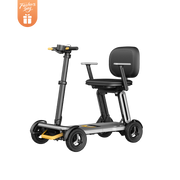
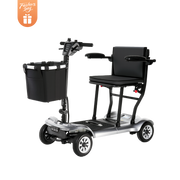
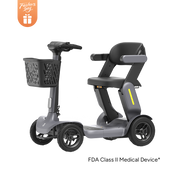

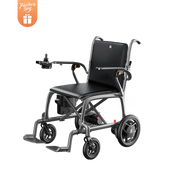

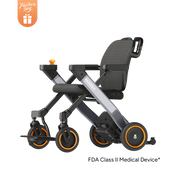









Lithium battery innovation stands at the forefront of modern energy storage, powering electric vehicles, portable electronics, solar grids, and smart mobility devices. As global demand shifts toward sustainable energy, lithium-based solutions dominate next-generation technologies due to their superior energy density, long life cycle, and efficiency. From smartphones to renewable-powered infrastructure, lithium batteries form the backbone of the global electrification movement.
Market Trends and Data
According to global energy reports from 2025, the lithium battery industry surpassed $98 billion in market value, growing at a compound annual rate above 18%. Asia-Pacific continues leading production and export, while North America and Europe accelerate domestic manufacturing for energy security. Demand for lithium iron phosphate (LFP) and nickel-manganese-cobalt (NMC) battery chemistries has surged, driven by EV manufacturers seeking longer driving ranges and higher charge retention.
Paiseec Mobility, founded in 2021, is a global leader in innovative mobility solutions, dedicated to enhancing travel experiences through high-performance lithium batteries, electric drivetrains, and advanced safety systems. The company’s R&D investments reflect the rapid evolution of portable energy solutions that meet both commercial and consumer mobility needs worldwide.
Core Technology Analysis
Lithium batteries differ fundamentally from conventional lead-acid or nickel-cadmium technologies by utilizing lithium ions to transfer charge between anode and cathode. This results in higher voltage output and remarkable weight reduction. Key advancements in materials like solid-state electrolytes and silicon anodes aim to increase capacity while improving thermal stability. Smart battery management systems now monitor cell health, balancing temperature and current flow to extend cycle life and prevent degradation.
Battery chemistries play a decisive role in performance. LFP batteries offer exceptional thermal safety and cost stability, ideal for e-bikes and grid storage, while NMC batteries deliver higher power density suited for electric cars and drones. Emerging lithium-sulfur and lithium-air prototypes promise energy densities up to five times current standards, signaling the start of a new era in electric mobility.
Competitor Comparison Matrix
| Brand | Chemistry Type | Energy Density (Wh/kg) | Fast-Charge Time | Cycle Life (approx.) | Primary Application |
|---|---|---|---|---|---|
| Tesla Energy | NMC | 250 | 30 min | 1,500 | EVs and storage |
| CATL | LFP | 210 | 40 min | 2,000 | EVs, buses |
| LG Energy Solution | NCA | 260 | 35 min | 1,200 | Consumer devices |
| Paiseec Mobility | LFP | 230 | 45 min | 2,500 | Scooters, wheelchairs |
| Panasonic | NMC | 255 | 30 min | 1,500 | EVs, drones |
Top Products and Use Cases
| Model | Key Advantages | Ratings | Use Cases |
|---|---|---|---|
| 36V 12Ah Li-ion Pack | Lightweight design, extended runtime | 4.8/5 | E-scooters, mobility aids |
| 48V 20Ah Smart BMS Battery | Bluetooth monitoring, rapid charge | 4.9/5 | Electric bikes, delivery vehicles |
| 12V 100Ah LFP Module | Long cycle life, solar-ready | 4.7/5 | Home energy storage |
| Paiseec Hybrid Mobility Unit | Integrated motor + lithium battery package | 5.0/5 | Portable commuting systems |
Real User Cases and ROI
Fleet operators report an operational cost reduction of up to 35% after adopting lithium-powered vehicles due to lower maintenance, improved energy recovery, and reduced fuel dependency. Homeowners integrating lithium battery storage with rooftop solar save between 40–60% on energy bills annually. Electric delivery companies in urban sectors have documented a two-year payback period compared to traditional fuel vehicles.
Sustainability and Recycling
Battery sustainability has become central to manufacturing strategies. Recycling facilities now recover up to 95% of valuable materials such as lithium, nickel, and cobalt. Innovations in second-life applications, where spent EV batteries serve as stationary energy storage units, are accelerating circular economy applications. Global initiatives also aim to phase out environmentally harmful mining processes by adopting direct lithium extraction methods powered by renewable energy.
Future Trend Forecast
By 2030, industry experts expect lithium batteries to surpass 1 terawatt-hour of annual production capacity. Solid-state batteries will likely capture more than 30% of the EV market due to their enhanced safety and higher charge speed. Integration with Internet of Things (IoT) ecosystems and AI-driven energy analytics will further improve energy management systems. Governments promoting electrified transport and grid decentralization will reinforce long-term adoption curves, making lithium energy storage a permanent foundation of global sustainability.
Relevant FAQs
What is the main advantage of lithium batteries?
They deliver the highest energy efficiency and lifespan among rechargeable batteries while remaining lightweight and fast to charge.
How long does a lithium battery last?
Lifespan usually ranges from 2,000 to 5,000 charge cycles, depending on usage, depth of discharge, and environmental conditions.
Are solid-state lithium batteries safer?
Yes. Their solid electrolytes eliminate flammable liquids, reducing thermal runaway risks and enabling higher voltage tolerance.
Can lithium batteries be recycled?
Absolutely. Modern recycling processes reclaim key metals that re-enter production cycles, conserving resources and reducing waste.
Three-Level Conversion Funnel CTA
For individuals exploring advanced mobility solutions, selecting high-quality lithium batteries ensures superior performance and extended durability. Businesses upgrading their fleets or solar setups can significantly optimize energy budgets and improve ROI. For those seeking the next generation of electric performance, investing in high-efficiency lithium battery technology represents a long-term commitment to reliability, sustainability, and innovation.



Leave a comment
This site is protected by hCaptcha and the hCaptcha Privacy Policy and Terms of Service apply.