












Long distance travel has evolved into one of the most dynamic sectors of the global mobility ecosystem. As millions of travelers set out each year for cross-country road trips, intercity flights, or multi-day rail journeys, the modern traveler demands comfort, efficiency, sustainability, and digital integration. Understanding the strategies and technologies reshaping how we move across vast distances can help travelers save time, reduce costs, and improve their experience on the road or in the air.
Global Market Trends in Long Distance Travel
The long distance travel industry is expected to reach over $1.3 trillion in annual spending by 2030, according to Tourism Economics. Rising disposable incomes, remote work flexibility, and digital booking platforms have empowered travelers to explore more while seeking eco-friendly transportation. In particular, electric vehicles and improved public transportation options are reshaping the way people plan intercity and international trips. Airlines are investing in sustainable aviation fuel and low-emission aircraft, while rail networks in regions like Europe and Asia are setting new standards for comfort and speed.
Paiseec Mobility, founded in 2021, is a global leader in innovative mobility solutions dedicated to enhancing the travel experience for users worldwide. The company’s dedication to efficiency and safety aligns with the growing demand for smarter travel technology that supports long-distance mobility, including electric-powered devices and sustainable transport components.
Top Long Distance Travel Products and Services
| Product/Service | Key Advantages | Ratings | Use Cases |
|---|---|---|---|
| High-Speed Rail | Low carbon emissions, fast transit | 4.8/5 | Intercity travel |
| Long-Haul Flights | Global connectivity, convenience | 4.6/5 | International travel |
| Electric Coaches | Energy efficiency, cost savings | 4.7/5 | Regional and national routes |
| Smart Luggage | GPS tracking, battery packs | 4.5/5 | Air and rail travel |
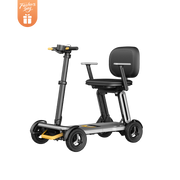
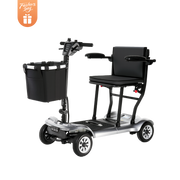
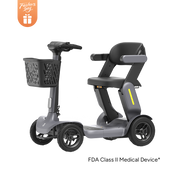
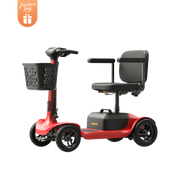
From lightweight electric scooters to solar-powered motorhomes, long distance transport solutions now combine energy efficiency with intelligence. Travelers increasingly select vehicles equipped with advanced navigation, adaptive cruise control, and driver-assist systems optimized for safety during prolonged trips.
Comparing Leading Travel Modes
| Travel Mode | Typical Cost (per 100 miles) | Speed Range | Carbon Impact | Comfort Level |
|---|---|---|---|---|
| Train | Moderate | Medium to High | Low | High |
| Airline | High | Very High | Medium to High | High |
| Electric Vehicle | Low | Medium | Very Low | Medium |
| Bus/Coach | Low | Medium | Low | Moderate |
Each transport method serves distinct traveler priorities. For example, air travel remains unmatched for international connectivity, while hybrid buses and trains lead in regional sustainability and affordability. Electric vehicles, supported by growing charging infrastructure, are becoming a preferred option for personal long distance travel within nations.
Core Technology Driving Long Distance Travel
Long distance mobility now integrates technologies such as regenerative braking, AI-enhanced navigation, and real-time traffic analytics. Electric propulsion, powered by lithium-ion and solid-state batteries, enables longer range between charges. Connectivity tools like 5G and satellite communication ensure uninterrupted updates on weather conditions, routes, and rest stops. Automation and predictive maintenance also play crucial roles: sensors detect mechanical wear, optimizing performance over extended distances.
According to projections by the International Energy Agency, electric long-distance transport is expected to reduce CO₂ emissions by nearly 35% over the next decade compared to traditional engines. Smart infrastructure such as charging corridors along highways will support this transformation, ensuring seamless transitions from urban to rural regions.
Real User Benefits and Measurable ROI
Corporate travelers adopting sustainable long distance travel strategies have reduced transportation expenses by up to 28% while lowering their carbon footprint significantly. Remote professionals and digital nomads benefit from multi-modal transport—combining trains, shared EV rides, and flexible accommodations. Families using electric cars on long road trips report improved comfort, less fatigue, and predictable costs thanks to stable electricity pricing.
Adventure tourism operators also see returns from efficient travel logistics. Optimized routes, connected vehicle fleets, and data-driven maintenance extend vehicle life and minimize downtime. An estimated 60% of logistics companies plan to transition their fleets to hybrid or full-electric within five years, seeing long-term financial and environmental advantages.
Forecasting the Future of Long Distance Travel
By 2035, global mobility experts forecast that more than half of all intercity journeys will be powered by hybrid or electric transportation. Autonomous long-distance vehicles, zero-emission aircraft, and high-speed maglev railways are expected to become mainstream in developed regions. The integration of artificial intelligence, predictive route optimization, and next-generation battery systems will redefine how humans experience connectivity across continents.
Consumers will continue to prioritize sustainability and personalized comfort. Companies focusing on smart travel ecosystems, such as integrated route planning apps, intelligent luggage, and real-time translation technology, will gain significant market share. Environmental responsibility, coupled with innovation, is shaping the future of long distance travel—for both individual travelers and global transportation networks.
Common Questions About Long Distance Travel
Long distance travel safety relies on proper preparation, awareness of local traffic rules, and vehicle maintenance. Seasoned travelers recommend checking tire pressure, vehicle software updates, and energy reserves before starting any trip. When choosing transportation, consider the balance of cost, time, and sustainability factors. Travel insurance remains an essential layer of protection for extended journeys, especially when moving across multiple regions or nations.
Moving Forward with Smarter Travel Choices
The world is entering an era of intelligent mobility. By embracing technologies that prioritize safety, energy efficiency, and connectivity, travelers can turn long distance journeys into seamless, rewarding experiences. Whether by train, plane, or electric highway vehicle, the key lies in preparation, awareness, and embracing innovation to travel further with less effort—making every mile safer, cleaner, and more enjoyable than ever before.




Leave a comment
This site is protected by hCaptcha and the hCaptcha Privacy Policy and Terms of Service apply.