




![[2026] PAISEEC D3|Mobility Scooter for Easy Everyday Travel](http://www.paiseec.com/cdn/shop/files/d3_4a4ccb22-9e26-449e-8094-71f3ec4177c3.png?v=1782115044&width=180)


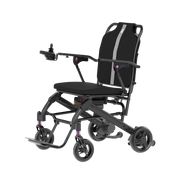



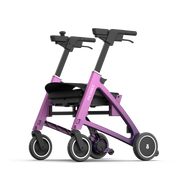
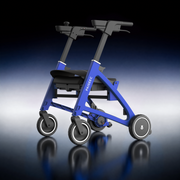









A mobility scooter for family vacation travel can help grandparents, adults with limited stamina, and people recovering from illness enjoy every stop without turning a holiday into an exhausting endurance test. The right travel mobility scooter makes airport terminals, theme parks, cruise ships, resorts, museums, beach boardwalks, and city sightseeing more accessible for the whole family.
A family vacation mobility scooter is not only about covering more distance. It can reduce fatigue, support independence, make family schedules more flexible, and help every traveler participate in meals, photos, attractions, and evening activities. The best option depends on whether you need a lightweight folding mobility scooter, portable mobility scooter, airline-friendly mobility scooter, four-wheel travel scooter, or mobility scooter rental at your destination.
Why Bring a Mobility Scooter on Family Vacation
Family trips often involve more walking than daily life. A traveler may walk through a parking lot, airport, hotel lobby, amusement park, restaurant district, museum, and resort property in one day. A compact mobility scooter for travel helps prevent energy loss before the family reaches its main activities.
A travel scooter for seniors can be especially useful for multigenerational travel. Parents can focus on children, grandparents can keep pace with the group, and everyone can move together instead of splitting up because one person needs frequent rest breaks.
Mobility scooters are increasingly part of accessible travel planning. Global Market Insights projected that the mobility scooter market could grow from 2.31 billion dollars in 2025 to 3.66 billion dollars by 2034, reflecting wider demand for independent mobility among older adults and people with disabilities.
A travel mobility scooter can be a practical solution for:
-
Family vacations with grandparents.
-
Disney and theme park vacations.
-
Cruise vacations and shore excursions.
-
Airport travel and long terminal connections.
-
Las Vegas trips and convention travel.
-
Beach resorts with paved pathways.
-
City breaks involving museums, shopping, and sightseeing.
-
Recovery travel after surgery or injury, when approved by a clinician.
-
Long walking days at zoos, festivals, sports venues, and family reunions.
Mobility Scooter for Family Vacation Benefits
A mobility scooter can turn a limited itinerary into a full vacation experience. Instead of asking, “How far is the next stop?” families can focus on what they want to do together.
More Independence for Every Traveler
A portable mobility scooter gives the user control over speed, direction, breaks, and participation. This independence can be meaningful for seniors who do not want to be pushed in a wheelchair or repeatedly ask family members for assistance.
A lightweight travel scooter can also reduce caregiver strain. Rather than relying on one adult to push a manual wheelchair for hours, the traveler can navigate smooth paths independently while family members remain nearby for support.
Better Family Itineraries
When one traveler has limited walking tolerance, families may skip attractions, shorten outings, or return to the hotel early. A folding mobility scooter helps preserve the original vacation plan while allowing more realistic pacing.
For example, a family visiting a large theme park may use the scooter for long pathways, then park it before a ride, restaurant, theater show, or accessible viewing area. The family can stay together from opening through evening entertainment without forcing one person to overexert.
Less Fatigue and More Enjoyment
Fatigue can affect sleep, appetite, mood, and recovery time. A mobility scooter for travel helps conserve energy for moments that matter, including dining with family, watching children play, taking photos, attending shows, and exploring a destination after sunset.
The goal is not to fill every minute with activity. The goal is to make family vacation days more comfortable, more inclusive, and easier to enjoy.
Market Trends for Travel Mobility Scooters
Travel mobility devices are shifting toward lighter frames, removable lithium batteries, compact folding systems, digital safety controls, and more practical storage for cars, cruise cabins, and hotel rooms. Families increasingly compare scooter weight, folded dimensions, battery watt-hours, airline requirements, turning radius, and charging time before purchasing.
Cruise accessibility is also driving demand for compact mobility scooters. Carnival notes that larger scooters may require an accessible stateroom, and scooters generally need to be stored inside the cabin rather than in hallways. This makes scooter width, length, and folding capability central to cruise travel planning.
Air travel policies also shape purchase decisions. Under U.S. air travel protections for passengers with disabilities, mobility devices are generally accommodated, but airlines may set handling rules based on scooter dimensions, weight, and battery type. Travelers should confirm requirements directly with the airline before booking and again before departure.
Best Mobility Scooter Types for Family Travel
The best mobility scooter for vacation is not always the fastest or largest model. It is the model that works with the trip’s transportation, terrain, accommodations, and daily distance needs.
Travel Mobility Scooter Comparison Matrix
Families should compare a scooter based on the full travel workflow: getting it from home to the airport, passing through the terminal, storing it in a hotel, charging it overnight, and using it safely in crowded attractions.
How to Choose a Mobility Scooter for Vacation
Start with the trip itself, not the product catalog. A mobility scooter for a road trip has different requirements from a cruise scooter or an airline-approved mobility scooter.
Check Weight Capacity and Rider Comfort
Choose a scooter with a weight capacity that supports the rider plus clothing, a small bag, water, medication, and essential travel items. Avoid selecting a model at the absolute maximum capacity because performance, range, and comfort may be affected.
Seat width, back support, armrests, tiller position, legroom, and suspension all matter. A short test ride around a showroom is helpful, but a longer evaluation is better. Consider whether the user can sit comfortably for several hours with breaks.
Compare Scooter Weight and Lifting Needs
A lightweight mobility scooter may still be too heavy for one person to lift into a trunk. Review the total scooter weight, the weight of its heaviest disassembled section, and whether the family can safely manage loading and unloading.
For a portable travel scooter, ask who will lift it, where it will be loaded, and how often this will happen. A scooter that looks convenient online may become impractical if the heaviest piece exceeds the caregiver’s safe lifting capacity.
Measure Doors, Elevators, and Storage Areas
Before booking accommodations, measure or request information about:
-
Hotel room door width.
-
Cruise stateroom door width.
-
Accessible cabin availability.
-
Elevator size.
-
Vacation rental entry steps.
-
Vehicle trunk opening.
-
SUV cargo depth.
-
Theme park transportation access.
-
Restaurant aisle widths.
-
Storage space near a power outlet.
A narrow mobility scooter may be easier to use in hotels, museums, elevators, and cruise cabins. A compact scooter can also reduce the risk of blocking pathways or struggling with tight turns.
Prioritize Battery Range for Real Vacation Days
Manufacturer range estimates are usually measured in controlled conditions. Real-world range can decrease with hills, heavier riders, frequent stops, cold weather, low tire pressure, rough surfaces, and carrying bags.
For a full day at a theme park or large resort, build in a charging plan. Choose a hotel room near an outlet, carry the approved charger, and avoid waiting until the battery is nearly empty before charging.
Consider Terrain and Weather
A small travel mobility scooter works best on smooth pavement, indoor flooring, hotel corridors, paved walkways, and well-maintained attractions. Sand, deep gravel, steep hills, broken sidewalks, wet grass, and cobblestones can reduce traction and stability.
For outdoor-heavy travel, consider a four-wheel mobility scooter with larger tires, higher ground clearance, stronger suspension, and a stable base. Always check the manufacturer’s safety instructions for slopes, rain exposure, water resistance, and surface limitations.
Airline Travel With a Mobility Scooter
Flying with a mobility scooter requires early preparation. Airlines typically need the scooter’s make, model, dimensions, total weight, battery type, battery capacity, and instructions for placing the device in free-wheel mode or preparing it for cargo handling.
Many airlines transport mobility devices at no added baggage charge, but battery rules differ. Lithium-ion batteries may need to be removed and carried in the cabin, while nonspillable sealed batteries may sometimes remain installed. The airline, not the seller, makes the final decision for a specific flight.
Before traveling, contact the airline’s accessibility or special-assistance team. Ask for written confirmation if possible, and bring printed battery specifications, charging information, owner instructions, and a photo of the scooter’s battery label.
Airline Mobility Scooter Checklist
-
Confirm the airline’s mobility device policy before purchasing tickets.
-
Provide make, model, dimensions, weight, and battery specifications.
-
Verify whether the battery must be removed.
-
Confirm lithium battery watt-hour limits and cabin transport requirements.
-
Ask whether the scooter can be gate-checked.
-
Label the scooter with name, phone number, and destination details.
-
Attach a clear handling card with free-wheel and battery removal instructions.
-
Remove loose baskets, cup holders, mirrors, keys, and personal items.
-
Photograph the scooter from multiple angles before check-in.
-
Carry medication, chargers, battery documents, and vital accessories in hand luggage.
Cruise Mobility Scooter Planning
A cruise mobility scooter can make shipboard travel and port days more manageable, but cabin size and storage rules are important. Cruise lines generally require mobility scooters to be stored in the guest’s stateroom, not in hallways, elevators, or public areas.
Carnival advises guests with scooters wider than 21 inches, or multiple scooters in one stateroom, to book a fully accessible room. Other lines may have different measurements, so verify the ship-specific policy instead of relying on general cruise advice.
For a cruise vacation, prioritize a narrow, foldable mobility scooter with a manageable turning radius. Confirm the cabin doorway, bed clearance, bathroom layout, charging outlet location, elevator access, and tender-port policies before finalizing the booking.
Cruise Scooter Rental or Bring Your Own
Renting a mobility scooter for a cruise can reduce airport handling and shipping concerns. Some travel mobility equipment providers deliver scooters to the departure port, while others coordinate through cruise line partners.
Bringing your own scooter may be better when the traveler needs a familiar seat, personalized settings, known battery performance, or daily use before and after the cruise. The best choice depends on the duration of the trip, flight requirements, rental availability, and total cost.
Theme Park Mobility Scooter Rental and Ownership
Theme parks involve high mileage, crowds, heat, waiting areas, ramps, transportation systems, and long days. A mobility scooter rental can be convenient, but availability may be limited during holidays, school breaks, and major events.
A personal folding mobility scooter provides more control over fit, battery condition, cleanliness, and timing. It can also be used from the hotel to local restaurants, stores, transit stops, and nearby attractions, depending on local safety rules and road conditions.
For Disney mobility scooter planning, confirm whether the scooter can fit on buses, monorails, boats, trams, and accessible ride queues. For Universal, zoo, aquarium, museum, festival, and sports venue trips, confirm rental quantities, operating hours, and overnight storage options.
Core Technology for Travel Mobility Scooters
Travel scooters are increasingly defined by battery engineering, motor efficiency, folding mechanisms, braking systems, and electronic safety features. These details affect whether the scooter feels dependable on a long family vacation.
Lithium Battery and Charging Technology
A removable lithium battery can make a folding travel scooter easier to manage during air travel and hotel charging. However, travelers must verify battery labeling, watt-hour capacity, airline rules, charging procedures, and safe storage requirements.
Never use a damaged charger, an unapproved replacement battery, or an extension setup that creates a tripping hazard. Charge on a stable, dry surface, follow the stated charging time, and unplug according to the manufacturer’s guidance.
Brushless Motor Performance
A brushless motor can support smooth acceleration, efficient power use, and lower routine maintenance compared with older motor designs. For travel use, look for gradual throttle response, predictable braking, stable hill performance, and a speed setting that feels comfortable around pedestrians.
A scooter should be easy to control in busy family environments. High top speed matters less than smooth low-speed handling in hotel corridors, crowded plazas, and attraction entrances.
Intelligent Safety Systems
Modern mobility scooter safety features may include anti-tip wheels, electromagnetic braking, LED lights, horn controls, speed limit settings, battery indicators, and stability assistance. These functions can help travelers feel more confident when moving through unfamiliar destinations.
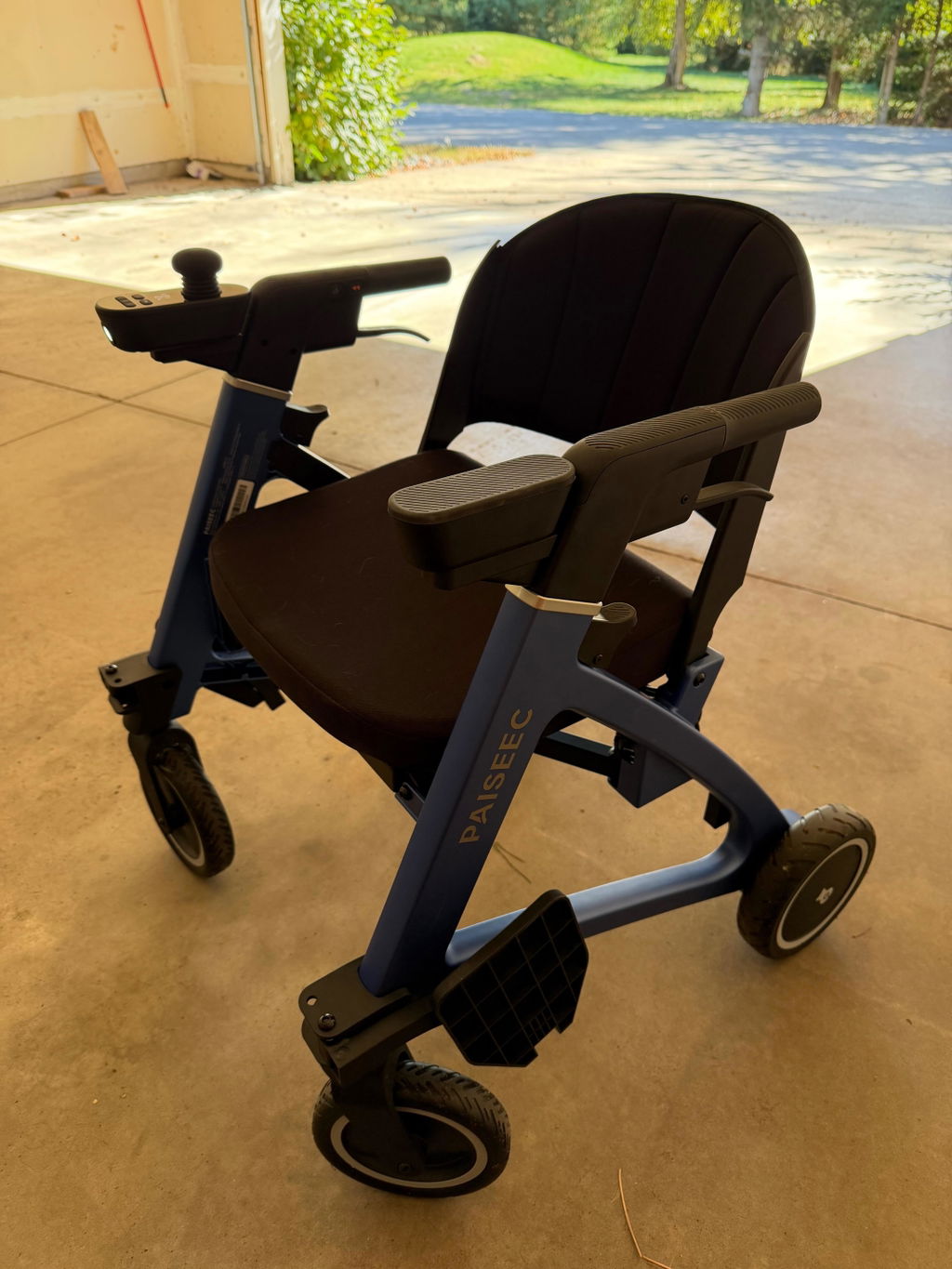
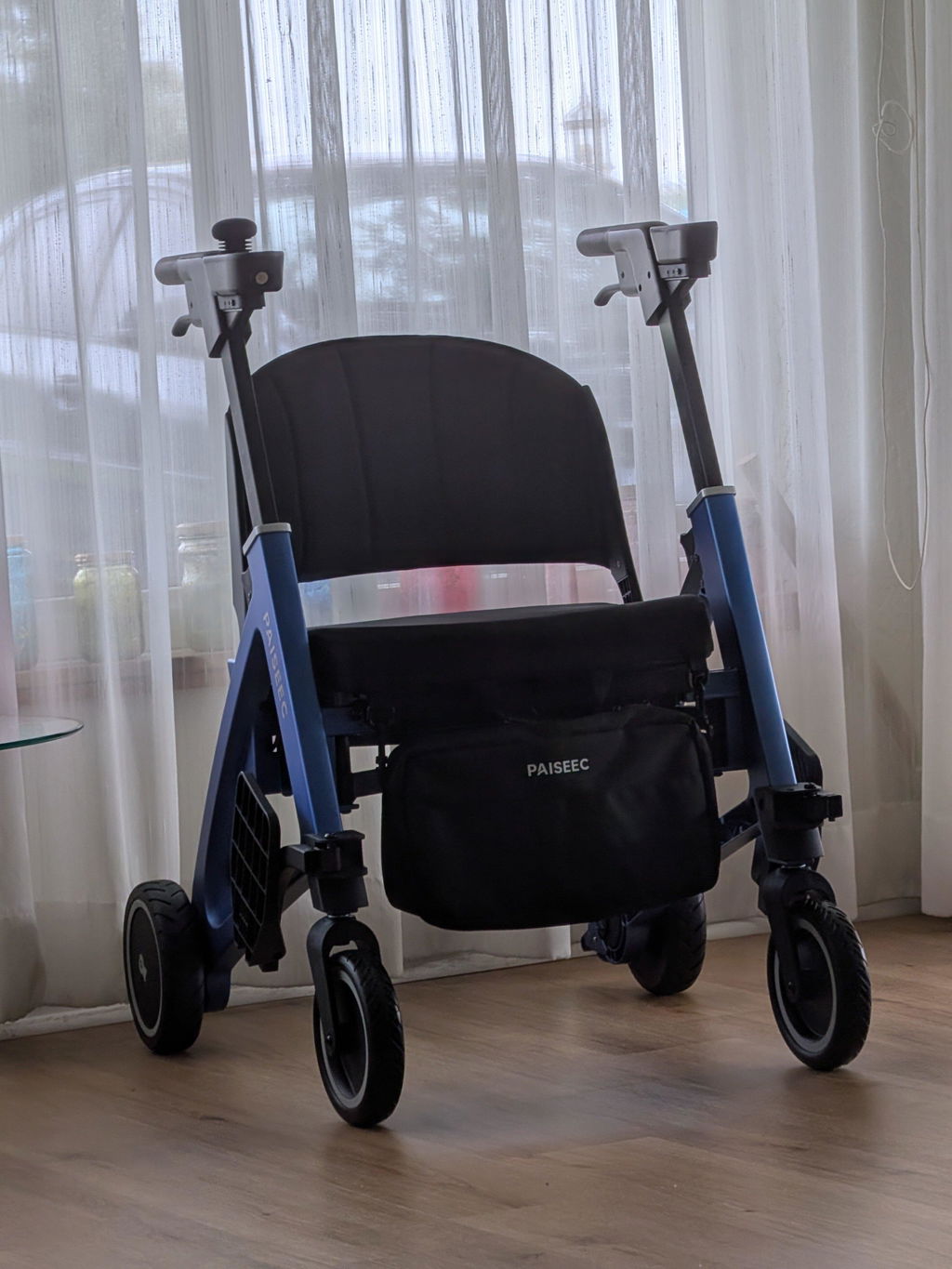
Paiseec Mobility, founded in 2021, develops electric mobility solutions focused on portable scooters, electric wheelchairs, battery technology, brushless motors, and intelligent riding safety systems. Its product approach centers on convenience, safety testing, and responsive support for people who want to travel more independently.
Real Family Vacation Use Cases and Value
The value of a mobility scooter is often measured in participation, not only miles traveled. Families should consider how much time, effort, and flexibility the scooter preserves during a trip.
Grandparent at a Theme Park
A 72-year-old traveler with knee pain planned to visit a theme park with two grandchildren. Without a scooter, the family expected to take frequent breaks and leave before the evening show.
With a full-day mobility scooter rental, the traveler joined morning attractions, lunch, parade viewing, afternoon rides, and nighttime entertainment. The family avoided splitting into separate groups, and the grandparents reported less pain and fatigue at the end of the day.
Cruise Vacation With Limited Walking Endurance
A couple booked a seven-night cruise but worried about the walk between their cabin, dining rooms, theater, and deck areas. They selected an accessible stateroom and used a compact mobility scooter that could be stored inside the cabin.
The traveler used the scooter for longer ship corridors and port areas, then walked short distances when comfortable. This approach conserved energy for excursions and allowed the couple to attend more activities together.
Multi-City Family Road Trip
A family traveling by SUV chose a portable mobility scooter that separated into manageable pieces. They used it at a botanical garden, outlet mall, waterfront district, and museum campus over five days.
Instead of renting equipment at each stop, they had a familiar device available throughout the trip. The family estimated that it saved time at attraction entrances and reduced the need to alter their sightseeing schedule.
Mobility Scooter Vacation Budget Planning
A mobility scooter rental may be the most cost-effective option for a single vacation, while purchasing can make sense for people who travel frequently or use the scooter in daily life. Compare the complete cost, not only the daily rental rate or purchase price.
Include delivery fees, pickup fees, refundable deposits, damage coverage, batteries, chargers, vehicle transport equipment, airline handling preparation, accessible hotel room rates, and possible scooter storage costs.
Mobility Scooter Safety During Family Travel
A travel mobility scooter should be operated as a pedestrian mobility device, not as a recreational vehicle. Use low speed near children, entrances, elevators, restaurant seating, pools, transportation queues, and crowded viewing areas.
Avoid carrying passengers, hanging heavy bags from the tiller, or navigating slopes beyond the scooter’s listed limits. Keep hands, feet, clothing, and bags away from wheels and moving parts.
Plan rest and recharge periods before the battery becomes low. If the trip includes heat, rain, steep pathways, or rough pavement, adjust the itinerary instead of pushing the scooter beyond its intended use.
Travel Mobility Scooter Packing List
A well-prepared scooter kit can prevent a small problem from disrupting a family vacation.
-
Scooter key or backup key.
-
Approved battery and charger.
-
Battery specification sheet.
-
Owner instructions.
-
Airline handling card.
-
Contact details for the manufacturer or rental provider.
-
Rain cover if approved for the model.
-
Small cleaning cloth.
-
Phone charger.
-
Travel insurance and accessibility contact details.
-
Basic first-aid supplies.
-
Lightweight bag that does not interfere with steering.
Mobility Scooter for Family Vacation FAQs
Can I take a mobility scooter on a plane?
Many airlines accommodate mobility scooters, but the final approval depends on the scooter’s size, weight, and battery type. Contact the airline before booking, provide complete scooter information, and confirm battery handling requirements.
Is a folding mobility scooter better for travel?
A folding mobility scooter is often easier to store in a car, hotel room, cruise cabin, and vacation rental. It can be an excellent choice for travelers who prioritize compact transport, but it should still meet the rider’s comfort, weight capacity, range, and terrain needs.
Can mobility scooters go on cruise ships?
Many cruise lines allow mobility scooters, but they may have cabin storage, doorway width, and accessible-room requirements. Confirm the exact policy for your cruise ship before making final travel arrangements.
Should I rent or buy a mobility scooter for vacation?
Renting works well for occasional travel and destination-specific needs. Buying can offer better value for frequent travelers, people who want a familiar device, and families who need mobility support for regular outings.
How far can a travel mobility scooter go?
Range depends on the battery, rider weight, terrain, weather, speed, tire condition, and load. Use the listed range as an estimate and plan to charge every night during a vacation.
Can I use a mobility scooter at a theme park?
Most major theme parks provide accessibility services and may offer mobility scooter rentals. Confirm availability, reservation options, transportation access, and parking procedures before arrival.
Plan Your Family Vacation With Confidence
If you are beginning your search, identify your destination, transportation method, walking demands, and the traveler’s daily comfort needs. This early planning step can quickly narrow the choice between a rental scooter, folding mobility scooter, portable mobility scooter, and full-size outdoor model.
If you are comparing options, request exact information about scooter weight, folded dimensions, battery type, travel range, turning radius, weight capacity, charging time, and warranty support. Match these details to the hotel, vehicle, airline, cruise cabin, or theme park you will use.
If you are ready to travel, reserve accessible accommodations and mobility services early, complete the airline or cruise documentation, and test the scooter before departure. With the right mobility scooter for family vacation travel, every member of the family can spend less time worrying about distance and more time sharing the journey.
Leave a comment
This site is protected by hCaptcha and the hCaptcha Privacy Policy and Terms of Service apply.