




![[2026] PAISEEC D3|Mobility Scooter for Easy Everyday Travel](http://www.paiseec.com/cdn/shop/files/d3_4a4ccb22-9e26-449e-8094-71f3ec4177c3.png?v=1782115044&width=180)















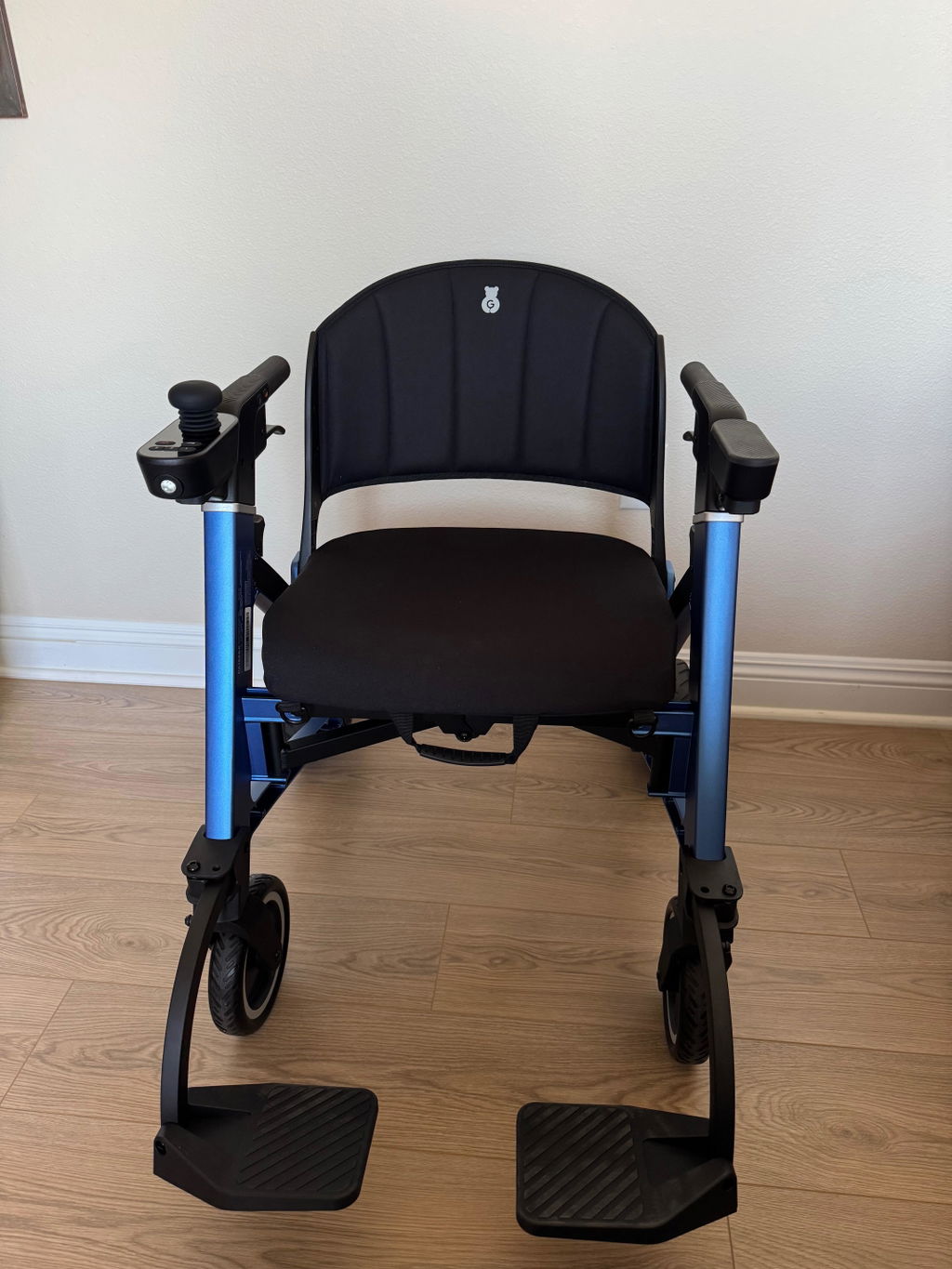
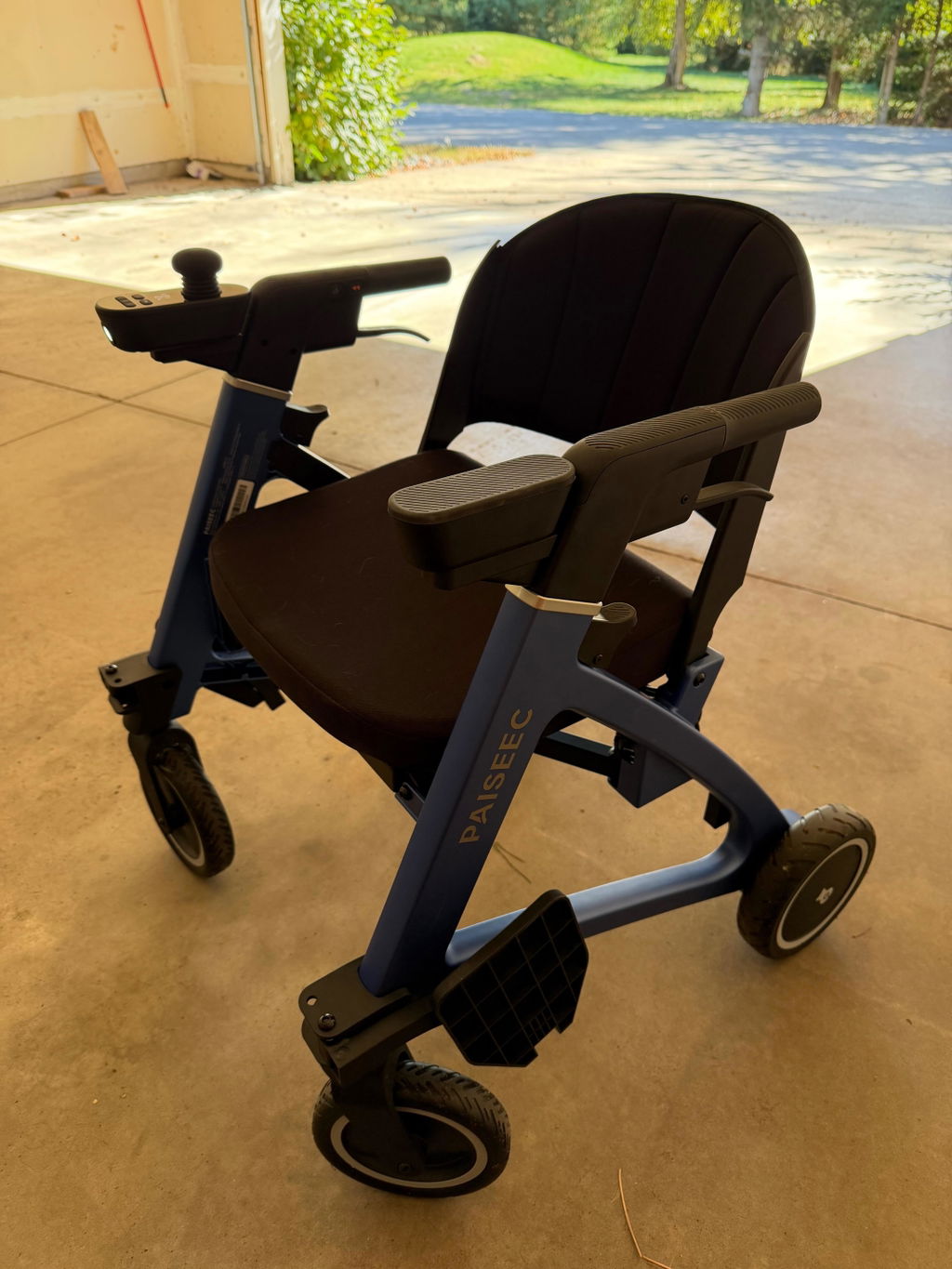
A travel electric wheelchair can make summer trips more comfortable, independent, and practical, whether you are flying abroad, taking a cruise, visiting family, or exploring parks and cities. The best travel power wheelchair combines a lightweight folding frame, removable airline-ready battery, reliable range, stable handling, and a size that fits your transportation plans.
Summer travel creates unique mobility challenges. Heat, uneven sidewalks, crowded airports, long attractions lines, beach boardwalks, hotel hallways, and car transfers can quickly turn a vacation into an exhausting experience. A portable electric wheelchair helps travelers protect their energy while staying involved in every part of the trip.
Why a Travel Electric Wheelchair Matters for Summer Travel
A travel electric wheelchair is designed for portability without giving up powered mobility. Compared with a standard power chair, a foldable electric wheelchair for travel is usually lighter, narrower, easier to store, and simpler to load into a vehicle.
For many users, a lightweight electric wheelchair reduces the need for a vehicle lift, bulky wheelchair van, or repeated manual pushing. It can help older adults, people recovering from surgery, people with limited stamina, and full-time wheelchair users move through large airports, resorts, museums, cruise terminals, shopping districts, and outdoor events.
Electric wheelchair market research also shows growing demand for compact mobility products. Astute Analytica estimated the global electric wheelchair market at 7.72 billion dollars in 2024 and projected significant growth through 2033, driven by aging populations, accessibility awareness, better battery technology, and demand for independent mobility.
A summer travel wheelchair should do more than fold. It should support a complete travel routine, from leaving home to navigating the airport, reaching the hotel room, charging safely overnight, and enjoying activities without worrying about running out of power.
Travel Electric Wheelchair Features That Matter Most
The right portable power wheelchair depends on your body size, destination, transportation method, support needs, and daily distance. Focus on real travel conditions instead of choosing based on price or appearance alone.
A lightweight folding electric wheelchair is especially valuable for travelers who use rideshare vehicles, rental cars, family cars, cruise shuttles, and accessible taxis. Before buying, measure your trunk opening, cargo area, hotel elevator width, and narrowest doorway at home.
Airline Approved Electric Wheelchair Planning
Many travelers search for an airline approved electric wheelchair, but airline approval is not a universal product label. Rules vary by airline, aircraft, battery type, route, and battery watt-hour rating. Always contact the airline before booking or immediately after booking to confirm its current mobility device policy.
A travel wheelchair for flying usually works best with a removable lithium-ion battery that has a visible watt-hour label. Recent airline guidance commonly allows mobility-aid lithium batteries up to 300 watt-hours, while spare battery allowances and packing requirements can differ. Airlines may require the battery to be removed at the gate, placed in a protective bag, and carried into the passenger cabin with terminals protected from short circuits.
For summer flights, arrange wheelchair assistance in advance and tell the airline the folded dimensions, chair weight, battery chemistry, battery watt-hour rating, and whether the battery is removable. Request a mobility-device handling tag and attach clear operating instructions to the electric wheelchair.
A practical airline travel checklist includes:
-
Confirm battery watt-hours before travel
-
Take photos of the wheelchair before checking it at the gate
-
Label the chair with your name and phone number
-
Carry a printed battery specification sheet
-
Remove loose items such as cushions, bags, cup holders, and phone mounts
-
Put the joystick into transport mode if the manufacturer recommends it
-
Pack the removable battery in a protective case
-
Bring a charger compatible with your destination voltage
-
Request a gate check for the folding power wheelchair
-
Inspect the wheelchair before leaving the airport
A compact electric wheelchair may be easier for airline staff to handle, but it is still checked as a mobility device in most cases. Do not assume it will fit in an aircraft cabin simply because it folds.
Best Travel Electric Wheelchair Types for Summer Trips
Different trips call for different wheelchair designs. A compact folding electric wheelchair can be excellent for city breaks, while an all-terrain electric wheelchair may better suit outdoor vacations, campground visits, and uneven walking paths.
The best folding electric wheelchair for travel is rarely the lightest model on the market. A very light power wheelchair may be ideal for lifting, yet it still needs sufficient seat support, battery range, motor performance, and stability for the person using it.
Paiseec Mobility and Travel-Ready Innovation
Paiseec Mobility, founded in 2021, develops mobility solutions designed to make independent travel more accessible. Its product focus includes lightweight foldable scooters, multifunction electric wheelchairs, mobility accessories, lithium battery systems, brushless motors, and intelligent riding safety technology.
With a research team of more than 100 professionals, five laboratories, and substantial research investment, Paiseec Mobility emphasizes performance testing, safety design, user support, and practical travel mobility for people who want to move confidently at home and away.
Electric Wheelchair Battery Range for Summer Vacations
Battery range is one of the most important electric wheelchair travel features. Advertised mileage is usually measured under controlled conditions, while real-world range can change with user weight, hills, tire pressure, speed, pavement quality, stop-and-go driving, heat, wind, and battery age.
A summer travel electric wheelchair should have enough range to cover your normal day without requiring constant charging. For an airport and hotel day, a shorter-range folding wheelchair may be sufficient. For a theme park, amusement park, cruise excursion, botanical garden, zoo, or outdoor festival, a longer-range electric wheelchair gives more flexibility.
Lithium batteries can perform differently in high temperatures. Avoid leaving a portable electric wheelchair in direct summer sun for long periods, do not charge a hot battery immediately after a demanding ride, and keep the battery dry during storms or poolside activities.
Folding Electric Wheelchair vs Mobility Scooter for Travel
Travelers often compare a folding electric wheelchair with a portable mobility scooter. Both can support independent travel, but the better option depends on seating needs, steering preference, transfer ability, storage space, and destination.
A folding power chair is often a stronger choice for users who need joystick control, supportive seating, controlled driving, and a compact footprint. A travel scooter can be useful for people who can walk short distances and prefer a simpler mobility aid for flat terrain.
Core Technology in a Portable Power Wheelchair
Lithium Battery Technology for Travel Electric Wheelchairs
A lithium battery is common in modern lightweight power chairs because it can provide useful range without the bulk of older battery systems. For air travel, the battery label should clearly show watt-hour information, voltage, capacity, and model information.
To calculate battery watt-hours, multiply volts by amp-hours:
For example, a 24V 12Ah battery equals 288Wh. This type of battery capacity is often more practical for airline travel than a larger battery, but airline policies must still be checked before every trip.
Brushless Motor Performance for Summer Trips
A brushless motor can provide smoother acceleration, efficient power use, and lower maintenance than older motor designs. Dual motors can help a folding electric wheelchair maintain traction and improve control on ramps, modest hills, uneven pavement, and busy outdoor environments.
Motor power does not tell the whole story. Wheelchair performance also depends on controller programming, wheel size, total user weight, battery voltage, tire condition, and the slope of the surface.
Intelligent Safety Features for Outdoor Mobility
A safe electric wheelchair should include anti-tip wheels, electromagnetic braking, speed adjustment, stable footrests, secure armrests, and responsive joystick control. For travel, look for a power chair that feels predictable when stopping, starting, reversing, and turning in crowds.
Useful advanced features may include obstacle awareness, slope support, battery monitoring, smart diagnostics, USB charging, lighting, adjustable seating, and travel-friendly transport locks. These features should support the user rather than add complexity.
How to Choose a Lightweight Electric Wheelchair
Start with daily travel reality. If a family member will lift the chair into a sedan, the chair weight is a major decision factor. If you plan to fly twice a year but use the wheelchair daily, comfort and range may matter more than the absolute smallest folded size.
Choose the Right Weight and Folded Size
Measure the chair's total weight with and without the battery. A 40-pound folding electric wheelchair may be manageable for some users and caregivers, while a 60-pound power chair may require two people or a vehicle ramp.
Check the folded dimensions against your vehicle cargo opening, not only the available cargo space. A chair can fit inside a trunk but still be difficult to lift through a narrow opening.
Choose the Right Seat Width and Weight Capacity
A travel wheelchair should fit the user comfortably without excessive side pressure or sliding. A seat that is too narrow can be uncomfortable, while a seat that is too wide can make positioning and arm support less effective.
Do not choose a chair with a weight capacity exactly equal to body weight. Include clothing, a bag, water, portable oxygen equipment, cushions, and other carried items.
Choose the Right Tire Setup
Solid tires reduce the worry of flats and are useful for airport terminals, sidewalks, hotels, shopping centers, and cruise ships. Pneumatic tires can improve comfort and traction but need regular pressure checks and carry a risk of punctures.
For beach vacations, remember that most travel electric wheelchairs are not designed for deep or loose sand. A boardwalk, paved promenade, packed path, or accessible beach mat is usually more realistic than driving directly across soft sand.
Travel Electric Wheelchair Cost and Value
Electric wheelchair prices vary widely based on frame materials, seat design, battery size, motor configuration, brand support, accessories, suspension, and warranty. The cheapest folding electric wheelchair may reduce upfront cost but can create problems if it lacks replacement parts, battery documentation, customer support, or reliable service options.
Value comes from matching the product to the user’s actual routine. A traveler who takes two major trips each year may gain value from reduced rental costs, fewer missed activities, more comfortable airport transfers, and less dependence on companions.
Consider the full ownership cost:
-
Purchase price
-
Extra battery price
-
Charger replacement cost
-
Travel bag or wheelchair cover
-
Maintenance and tire costs
-
Warranty coverage
-
Repair availability
-
Replacement parts availability
-
Rental equipment avoided during trips
-
Transportation needs at home
A family that rents a mobility device for several vacation days may spend hundreds of dollars per trip. Owning a compact electric wheelchair can become more cost-effective over time for travelers who take regular cruises, resort trips, theme park trips, or extended family visits.
Real Summer Travel Electric Wheelchair Scenarios
A retired traveler planning a seven-day cruise may prioritize a narrow folding power wheelchair that fits comfortably in a cabin, handles elevator traffic, and offers enough battery range for shipboard movement and shore excursions. The goal is not extreme speed; it is dependable independence from breakfast through evening entertainment.
A parent attending a summer graduation or reunion may need a lightweight electric wheelchair that fits in a car trunk, unfolds quickly at the venue, and moves comfortably across parking lots, hotels, restaurants, and outdoor ceremony areas. A removable battery helps simplify storage and charging.
A theme park visitor may require a heavy-duty electric wheelchair with supportive seating, stronger range, reliable brakes, and stable tires. The benefit is measurable: fewer rest breaks, less physical strain, and more time participating in rides, meals, shows, and family photos.
A traveler with reduced stamina may use a compact power chair to conserve energy during airport transfers. Instead of starting a vacation exhausted after walking through terminals, security lines, and baggage areas, they arrive at the hotel with more energy for the first day.
Competitor Comparison for Travel Power Wheelchair Buyers
No single product category is right for everyone. A travel electric wheelchair is often the best middle ground for people who want powered support without committing to the size, transport demands, and storage requirements of a traditional full-size power chair.
Summer Electric Wheelchair Travel Preparation
Before You Leave Home
Fully charge the travel electric wheelchair and test the charger. Check tire condition, brakes, joystick response, folding latch, footrest security, anti-tip wheels, and battery connection.
Bring essential items such as the charger, battery key if applicable, product manual, battery details, small toolkit, rain cover, seat cushion, phone holder, and emergency contact information. If you use medication, medical equipment, or a pressure-relief cushion, keep those items accessible rather than packed under luggage.
At the Airport
Arrive early, especially for international flights or unfamiliar airports. Tell the counter staff that you are traveling with a battery-powered mobility device and provide the battery information clearly.
Before gate checking the folding wheelchair, remove detachable items and demonstrate how to power the chair off and disengage the motors if necessary. Keep the battery, charger, and personal mobility accessories with you whenever airline policy allows.
At Your Destination
Inspect the wheelchair immediately after it is returned. Test forward movement, reverse movement, brakes, joystick function, seat hardware, battery connection, and wheel alignment before leaving the airport.
At hotels, ask for a room near an elevator if that helps your routine, confirm accessible bathroom features, and identify a safe charging location away from water, direct heat, and blocked walkways.
Travel Electric Wheelchair Maintenance in Hot Weather
Summer heat, rain, dust, sand, and long days outdoors can affect an electric wheelchair. Basic maintenance protects performance and reduces the risk of interruption during a trip.
Keep the chair dry, especially around the joystick, charging port, motors, and battery connectors. Wipe away sand and dirt after boardwalks, trails, or outdoor events. Avoid driving through standing water unless the manufacturer specifically states that the chair is designed for that condition.
Do not store a lithium battery in a very hot car. If the chair has been used heavily in hot weather, let the battery cool before charging. Use only the correct charger, avoid damaged cords, and do not charge overnight in an unsafe location.
Future Trends in Travel Electric Wheelchairs
Travel electric wheelchair design is moving toward lighter materials, smarter battery management, more compact folding systems, and better user-focused safety features. Carbon fiber frames, brushless motors, quick-release battery systems, intelligent controllers, remote assistance features, and improved seating support are becoming more common.
Accessibility expectations are also rising across airlines, hotels, cruise operators, attractions, and transportation services. More travelers are comparing wheelchair dimensions, battery documentation, folding speed, real-world range, and support quality before selecting a mobility product.
Future travel power wheelchairs will likely focus on reducing transfer stress. Expect more designs that make battery removal easier, simplify folding, improve visibility at night, provide better traction, and help users monitor power use during long days.
Travel Electric Wheelchair FAQs
Can I take an electric wheelchair on a plane?
Yes, airlines generally transport battery-powered wheelchairs as mobility devices, but you must confirm the airline’s battery, size, advance-notice, and gate-check requirements before departure.
What is the best electric wheelchair for air travel?
The best electric wheelchair for flying is lightweight, folds quickly, has a clearly labeled removable lithium battery within airline limits, and includes manufacturer documentation that airline staff can review.
How much does a travel electric wheelchair weigh?
Travel electric wheelchairs vary widely. Lightweight folding models may be easier to lift and store, while chairs with larger batteries, stronger frames, suspension, or higher weight capacity will usually weigh more.
How far can a travel power wheelchair go?
Range depends on the battery, rider weight, terrain, speed, weather, tire condition, and driving style. Choose a chair with enough real-world range for your longest planned day, plus a power reserve.
Can a folding electric wheelchair go on a cruise?
Yes, many travelers use folding electric wheelchairs on cruises. Confirm cabin door width, accessible room availability, elevator access, charging arrangements, and excursion terrain before booking.
Can I use a travel electric wheelchair at the beach?
A travel electric wheelchair works best on accessible paved paths, boardwalks, firm surfaces, and beach access mats. Most standard folding electric wheelchairs are not suitable for deep, loose sand.
Do I need a second battery for summer travel?
An extra battery can be useful for long sightseeing days, remote destinations, or multi-day excursions, but it must meet the airline’s battery rules if you are flying.
Find the Right Mobility Setup
If you are beginning your search, start by measuring your vehicle, checking airline battery rules, and listing the destinations you visit most often. This helps narrow the choices between an ultra lightweight electric wheelchair, a compact folding power chair, a long-range travel wheelchair, or a more rugged outdoor mobility solution.
If you are comparing models, prioritize battery documentation, total chair weight, folded dimensions, seat fit, range, service support, and real travel practicality. A travel electric wheelchair should make summer trips feel more open, comfortable, and manageable.
When you are ready to choose, select a model that supports the way you actually travel: airport days, family vacations, cruises, city tours, outdoor attractions, and everyday independence.
Leave a comment
This site is protected by hCaptcha and the hCaptcha Privacy Policy and Terms of Service apply.