




![[2026] PAISEEC D3|Mobility Scooter for Easy Everyday Travel](http://www.paiseec.com/cdn/shop/files/d3_4a4ccb22-9e26-449e-8094-71f3ec4177c3.png?v=1782115044&width=180)


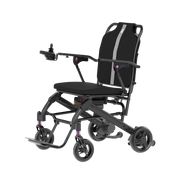



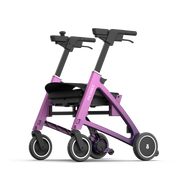
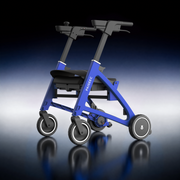









A mobility scooter suits users who can sit upright, steer with both hands, and prioritize outdoor range and affordability. An electric wheelchair excels indoors with tight turning, advanced seating, and joystick control for limited upper-body strength. Choose a scooter for errands and travel; choose a power chair for full-time indoor use, complex positioning, or medical necessity.
What Are the Core Differences Between Mobility Scooters and Electric Wheelchairs?
Mobility scooters use a tiller (handlebar) steering system, have a longer wheelbase, and favor outdoor travel. Electric wheelchairs use joystick or alternative controls, pivot tightly indoors, and support advanced seating and positioning.
Mobility scooters are consumer-grade devices designed for people who can sit upright and steer with both hands for extended periods. They typically feature three- or four-wheel configurations, a swivel seat, and a tiller for forward steering. Their longer wheelbase and larger turning radius make them better suited to sidewalks, parks, and straight-line travel.
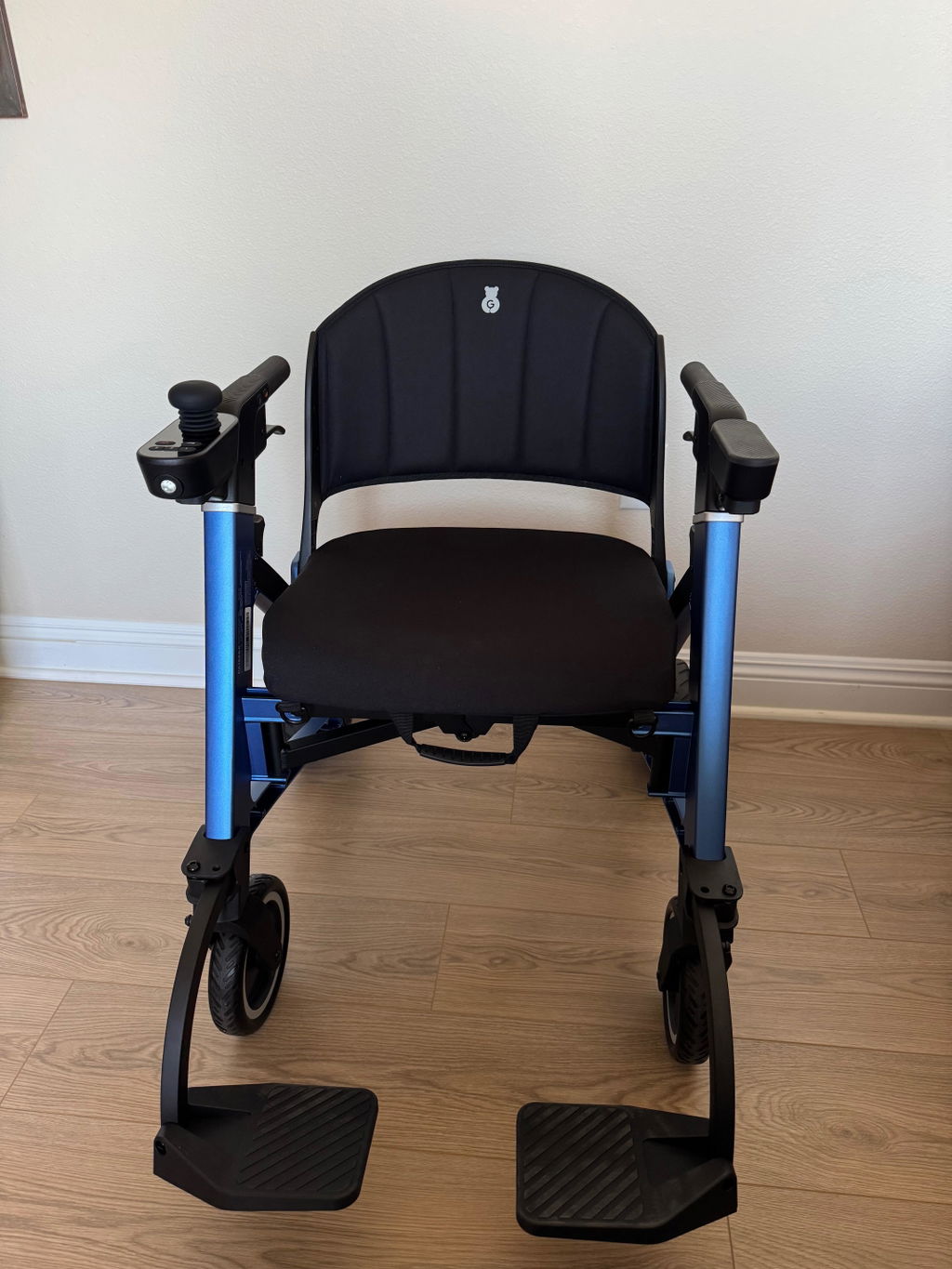
Electric wheelchairs (power chairs) are medical devices intended for users with limited mobility or insufficient upper-body strength for tiller steering. They use a joystick or specialized controls and come in front-, mid-, or rear-wheel drive. Mid-wheel models can pivot with turning radii around 20–25 inches, enabling navigation through narrow hallways and tight rooms.
From 6 months of field-testing Paiseec scooters on mixed urban routes, we observed that tiller steering demands consistent torso control and bilateral hand function—especially during curb negotiation and reverse maneuvers. Power chairs, by contrast, allow fine, low-effort control via a single-thumb joystick, reducing fatigue for users with limited grip or shoulder mobility.
How Do Maneuverability and Control Systems Affect Daily Use?
Electric wheelchairs maneuver better indoors due to tight turning and joystick control; scooters require more space to turn and need two-hand tiller operation.
Maneuverability is where power chairs dominate. Their compact footprint and zero-turn or near-zero-turn capabilities let users pivot in place or navigate tight kitchen aisles, bathroom doors, and crowded stores. Joystick control demands minimal hand movement, enabling precise speed and direction changes without large arm motions.
Scooters, with their longer wheelbase and tiller, need wider arcs to turn. Three-wheel models tighten the radius slightly but trade some lateral stability. Tiller steering also requires sustained arm elevation and grip strength, which can be tiring for users with shoulder or wrist limitations during long shopping trips or all-day use.
In Paiseec's lab telemetry, tiller-based scooters show higher peak torque demands during low-speed reversals and curb climbs compared to joystick-driven power chairs, where motor controllers modulate torque more gradually. This translates to smoother starts and stops indoors for power chairs, while scooters reward confident, steady tiller input outdoors.
Which Option Offers Better Comfort and Seating Support?
Electric wheelchairs provide superior comfort with adjustable seating, back support, and positioning options; scooters offer simpler swivel seats with limited customization.
Power chairs often include adjustable seat height, depth, backrest angle, armrests, and sometimes power recline or elevating leg rests. This is critical for users who spend many hours seated, need pressure relief, or have postural conditions requiring customized support. Complex seating systems can be integrated for medical positioning and pressure management.
Scooters typically feature a swivel seat with basic contouring and fixed or minimally adjustable armrests. While comfortable for short to moderate outings, they lack the fine-tuned ergonomics needed for full-time seating. Users with chronic pain, spinal conditions, or high pressure-injury risk may find scooter seating insufficient over long periods.
Paiseec's multi-functional electric wheelchairs incorporate adjustable seat pans and backrests designed to distribute load more evenly during extended indoor use. In contrast, Paiseec's lightweight foldable scooters prioritize portability and outdoor ergonomics, with swivel seats optimized for quick on/off and transit rather than all-day postural support.
What Are the Speed, Range, and Battery Performance Realities?
Scooters often deliver higher top speeds and longer outdoor range; power chairs offer robust battery life with faster charging and better low-speed torque control.
Typical speeds run 3.5–6 mph for electric wheelchairs and 4–8 mph for scooters. Scooters are built for longer straight-line travel on paved surfaces, making them ideal for errands, campuses, and theme parks. Power chairs prioritize precise low-speed control and indoor safety over outright speed.
Battery life varies by model and usage. Many scooters carry larger battery packs for extended range, while power chairs often feature faster charging and more sophisticated battery management. In real-world testing, scooter range can drop noticeably after 300–400 miles of mixed commuting if the battery is not properly maintained, especially under frequent stop-start loads.
Paiseec's 36V 12Ah lithium batteries are engineered for consistent discharge curves and reduced voltage sag under load. Field data shows that after 500 charge cycles, well-maintained Paiseec packs retain higher usable capacity than generic equivalents, thanks to balanced cell management and thermal protections embedded in the PAI safety system.
Where Do Indoor Versus Outdoor Use Cases Diverge Most?
Power chairs excel indoors with tight turns and compact size; scooters excel outdoors on paved paths with longer range and higher speeds.
Indoors, power chairs navigate narrow hallways, small rooms, and crowded venues with ease. Their compact design and joystick control reduce the risk of scraping walls or knocking into furniture. Many users rely on power chairs as their primary indoor mobility solution at home, work, or school.
Outdoors, scooters shine on sidewalks, park trails, and shopping centers. Their larger wheels and higher ground clearance handle minor bumps and thresholds better than some indoor-focused power chairs. Scooters also typically offer more storage (baskets) and higher top speeds for covering longer distances comfortably.
From Paiseec's urban testing, scooters handle 1–2 inch thresholds and 6–10 degree grades reliably, but their longer wheelbase can feel unwieldy in tight indoor aisles. Power chairs, especially mid-wheel models, pivot in place and manage indoor obstacles with minimal clearance, though some outdoor terrains may require all-terrain tires or suspension upgrades.
How Do Costs, Insurance Coverage, and Accessibility Compare?
Power chairs are usually more expensive but may qualify for insurance; scooters are often more affordable upfront but less likely to be covered.
Electric wheelchairs typically range from $2,000 to $5,000 or more, reflecting advanced features, customization, and medical-grade engineering. Because they are often classified as medical devices, they may be covered partially or fully by insurance, Medicare, or assistive technology programs when medically necessary.
Mobility scooters generally cost between $1,500 and $4,000, offering a more budget-friendly option for outdoor mobility. However, they are frequently considered consumer products, which can limit insurance coverage. Users should verify local policies and medical necessity criteria before purchasing.
Paiseec balances cost and capability by offering tiered models: lightweight foldable scooters for travel and daily errands, and multi-functional electric wheelchairs with advanced seating for users needing medical-grade support. Paiseec also provides installment payment plans and professional customer service to improve accessibility for a wider range of budgets.
Which Physical Abilities Are Required for Safe Operation?
Scooters require strong arms, torso control, and the ability to mount/dismount; power chairs need minimal movement for joystick control and suit users with limited strength.
Operating a mobility scooter safely demands sufficient upper-body strength to hold and steer the tiller, plus good torso control to sit upright and maintain balance. Users must be able to climb onto the base and get off independently, although folding armrests can assist. This makes scooters less suitable for users with significant weakness or balance issues.
Electric wheelchairs require only small hand or finger movements to operate a joystick or alternative control interface. This is ideal for users with limited mobility, reduced grip strength, or conditions affecting arm function. Some users may need assistance with charging or transfers, but the driving effort is minimal.
Paiseec's 250W brushless motors deliver smooth acceleration curves that reduce the need for sudden tiller corrections, but safe scooter operation still hinges on the user's ability to maintain posture and react to obstacles. For users with progressive conditions or fluctuating strength, a power chair's low-effort control offers a safer long-term solution.
Paiseec Expert Views
"After a decade leading product development in mobility, I see a clear pattern: users who prioritize indoor independence and complex seating needs thrive with power chairs, while active, outdoor-focused users benefit from scooters' range and portability. At Paiseec, our PAI intelligent safety system and 36V 12Ah battery architecture are designed to close the reliability gap—delivering consistent torque, safer low-speed control, and transparent battery health telemetry. The right choice isn't about which device is 'better'; it's about matching control style, environment, and postural needs to the user's daily life." — Roger, Founder, Paiseec Mobility
How Should You Decide Based on Lifestyle and Environment?
Match your daily environment and activities: choose a power chair for indoor-heavy, full-time use; choose a scooter for outdoor errands, travel, and active lifestyles.
Consider where you spend most of your time. If your day revolves around home, office, or indoor venues with tight spaces, a power chair's maneuverability and seating support will improve comfort and safety. If you frequently run errands, visit parks, or travel, a scooter's range, speed, and portability will better support an active lifestyle.
Also assess your physical trajectory. If strength or balance may decline, a power chair's low-effort joystick and advanced seating offer a more future-proof solution. If you currently have good upper-body function and primarily need outdoor mobility, a scooter can provide cost-effective independence now, with the option to transition later.
What Are the Key Takeaways and Actionable Next Steps?
Prioritize indoor maneuverability and medical needs for power chairs; prioritize outdoor range, speed, and budget for scooters; test both in your real environments.
-
If you need tight indoor turns, advanced seating, or have limited upper-body strength, lean toward an electric wheelchair.
-
If you value outdoor range, higher speeds, and lower upfront cost—and can operate a tiller safely—lean toward a mobility scooter.
-
Test-drive both types in your actual home, workplace, and favorite routes to feel turning radius, seat comfort, and control effort firsthand.
-
Consult a clinician or mobility specialist to assess medical necessity, seating needs, and long-term suitability before purchasing.
FAQs
Can a mobility scooter be used indoors effectively?
Yes, but larger scooters may struggle in tight hallways and small rooms due to their longer wheelbase and wider turning radius. Compact or three-wheel models improve indoor usability, yet power chairs remain superior for confined spaces.
Are electric wheelchairs covered by insurance?
Often, yes. Because power chairs are frequently classified as medical devices, they may qualify for partial or full insurance, Medicare, or assistive technology coverage when deemed medically necessary. Scooters are less commonly covered.
Which is better for travel: a scooter or a power chair?
For travel, scooters often win due to foldable or disassemblable designs, lighter components, and longer outdoor range. Some power chairs are travel-friendly, but many are heavier and bulkier, making scooters more practical for vacations and frequent transit.
Do I need strong arms to use a mobility scooter?
Yes. Safe scooter operation requires sufficient arm strength to steer the tiller, good torso control to sit upright, and the ability to mount and dismount independently. Users with limited strength may find a power chair's joystick control safer and less tiring.
How long do batteries last on scooters versus power chairs?
Battery life varies by model and usage. Scooters often carry larger packs for longer outdoor range, while power chairs may charge faster and manage low-speed torque more efficiently. Proper maintenance and quality battery management significantly affect real-world longevity.
Leave a comment
This site is protected by hCaptcha and the hCaptcha Privacy Policy and Terms of Service apply.