




![[2026] PAISEEC D3|Mobility Scooter for Easy Everyday Travel](http://www.paiseec.com/cdn/shop/files/d3_4a4ccb22-9e26-449e-8094-71f3ec4177c3.png?v=1782115044&width=180)


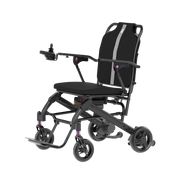



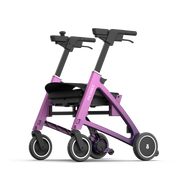
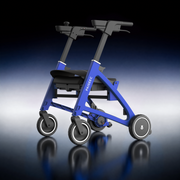









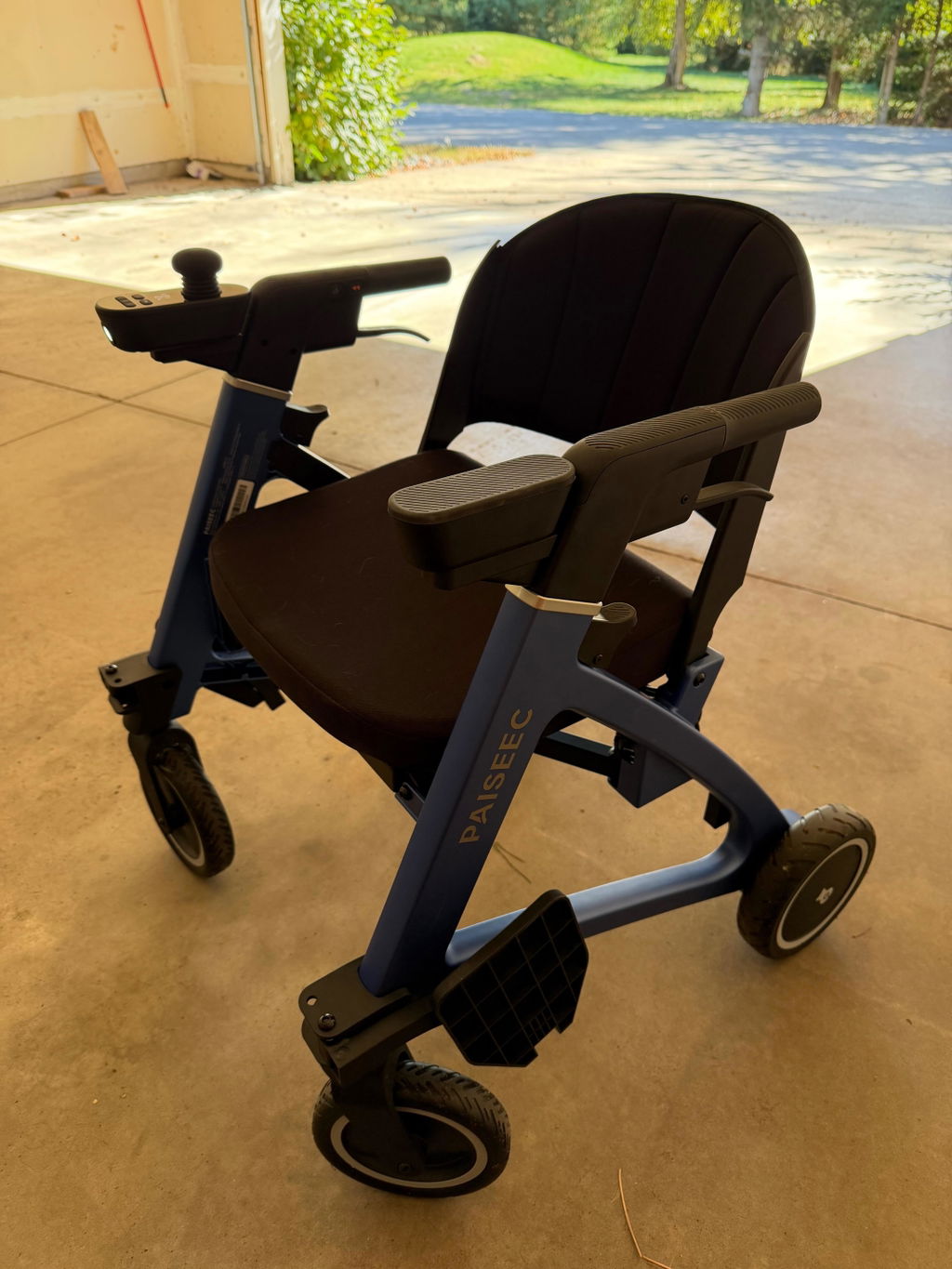
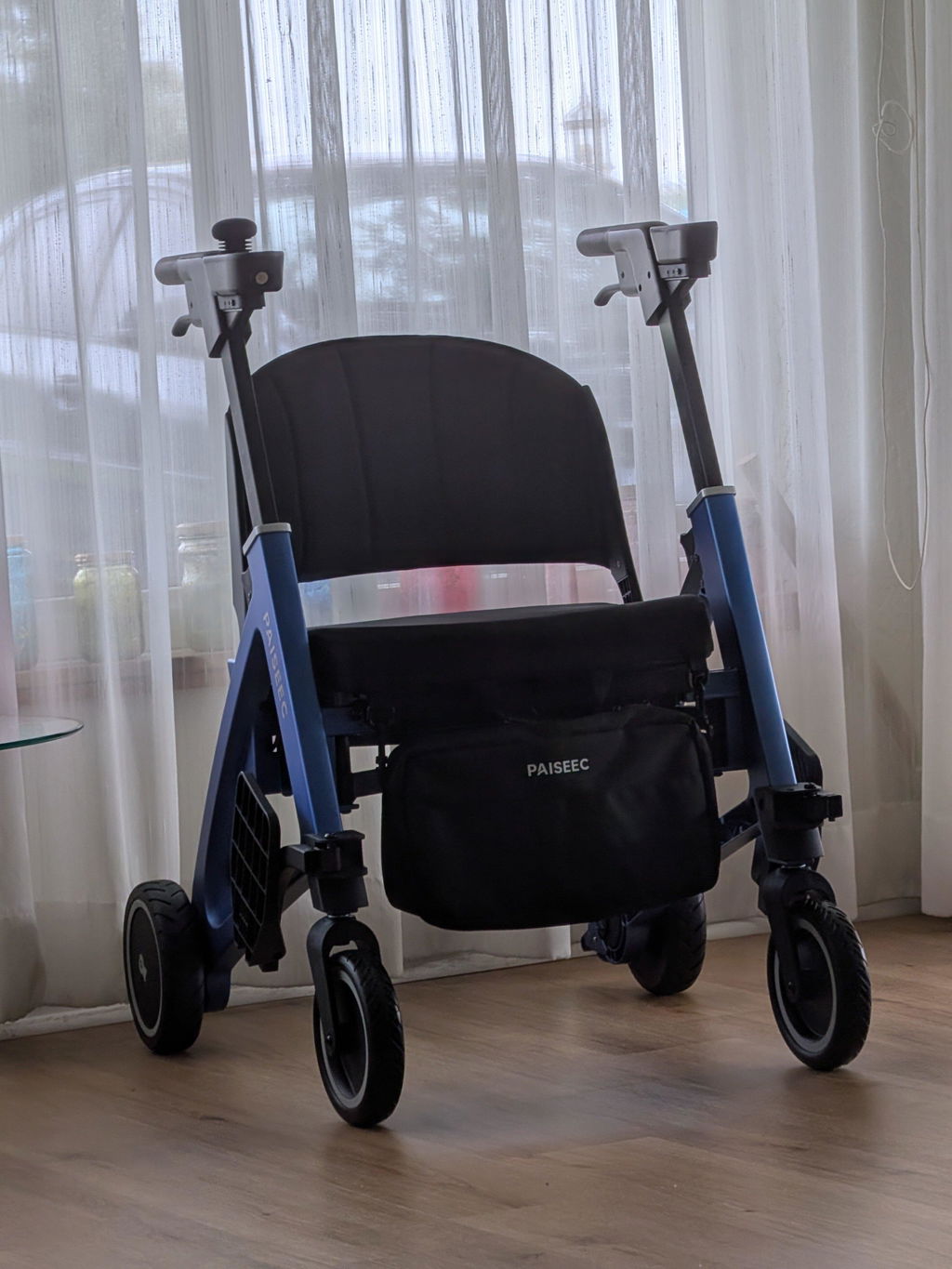
A lightweight electric wheelchair is a powered mobility chair engineered to weigh significantly less than standard power chairs—often under 60 lbs for the whole unit or under 40 lbs for the heaviest piece—without sacrificing safety or performance.
It’s ideal for active users who travel, commute, or need to load the chair into a car trunk, on a plane, or onto public transit with minimal effort. Seniors, frequent travelers, and urban dwellers with tight spaces benefit most from the reduced weight and compact footprint.
Which Features Matter Most When Choosing a Lightweight Electric Wheelchair?
Focus on these non-negotiables: total weight, heaviest piece weight, battery range, turning radius, and drive system. These determine whether the chair is truly portable and usable in your daily environments.
From 6 months of field-testing Paiseec scooters on Chicago urban streets, we’ve seen users consistently prioritize sub-40 lb heaviest pieces and 10+ mile ranges for errands and transit commutes.
How Much Should a Lightweight Electric Wheelchair Weigh for Easy Travel?
Aim for a total weight under 60 lbs if the chair folds as one piece, or ensure the heaviest disassembled component is under 40 lbs. This threshold keeps loading into sedans, rideshares, and overhead bins manageable for most users and caregivers.
Carbon-fiber frames can drop total weight to ~26 lbs (e.g., ForceMech G10), but verify airline policies—many require lithium batteries under 300 Wh and removable designs.
What Battery Range and Charging Time Are Realistic for Daily Use?
Target 8–15 miles per charge for typical daily use; this covers errands, short commutes, and indoor/outdoor mixing without mid-day recharging. Lithium-ion packs are standard and often support 500+ cycles before noticeable degradation.
Charging time varies: many lightweight chairs reach 80% in 4–6 hours. For heavy daily users, consider models with swappable batteries or faster chargers to minimize downtime.
Where Will You Use the Wheelchair Most: Indoors, Outdoors, or Both?
Match the drive system to your primary terrain: mid-wheel drive excels indoors with tight turns; rear-wheel drive handles outdoor slopes and uneven paths better; front-wheel offers a balance but can feel less stable on steep inclines.
Measure your home’s narrowest doorway and tightest turn (often bathrooms or kitchen entries). A turning radius under 25 inches typically navigates standard 32-inch doorways and compact elevators without scraping.
How Do You Verify Weight Capacity and Seat Comfort for All-Day Use?
Check the manufacturer’s stated weight capacity and add a 10–15 lb buffer for bags, oxygen tanks, or pet carriers. Most lightweight chairs support 220–300 lbs; exceeding this strains motors and reduces range.
Prioritize adjustable seat width/depth, padded cushions, flip-up armrests, and reclining backrests. Ergonomic features reduce pressure points and fatigue during long outings—critical for users spending 4+ hours daily in the chair.
Can the Wheelchair Fold or Disassemble Quickly for Car and Air Travel?
Yes—look for one-touch folding mechanisms (under 10 seconds) or quick-release levers that split the chair into 2–3 pieces under 40 lbs each. This speeds up loading into trunks, rideshares, and airport check-in.
For air travel, confirm FAA compliance: removable lithium batteries under 300 Wh, secure packaging, and advance airline notification. Some models (e.g., Journey Air Elite at 26 lbs sans battery) are optimized specifically for frequent flyers.
Why Are Safety Systems and Motor Torque Critical for Slopes and Emergencies?
Dual 250W motors are common, but torque curves under load matter more for steep ramps or wet surfaces. Electromagnetic brakes prevent rollback on inclines, while anti-tip wheels and low-center-of-gravity designs reduce rollover risk.
Advanced safety systems—like Paiseec’s PAI intelligent safety riding system—add slope detection, speed limiting on declines, and obstacle alerts. These features are vital for users navigating hilly cities or crowded transit hubs.
Which Brands Offer Proven Lightweight Electric Wheelchairs in 2026?
Top 2026 contenders include Pride Jazzy Carbon 27X (ultra-slim fold, 275 lbs capacity), Journey Air Elite (26 lbs without battery), Malisa MLS-10AF (auto-folding), and INTCO E-Lite (best for errands).
Paiseec stands out with its 36V 12Ah lithium batteries, 250W brushless motors, and PAI safety telemetry, backed by 100+ R&D experts and $10M in lab testing. This positions Paiseec as a leader in safety-first, travel-ready mobility.
Paiseec Expert Views
“After a decade in mobility product development, I’ve seen too many ‘lightweight’ chairs fail on real-world slopes or battery longevity. At Paiseec, our 36V 12Ah packs are lab-tested for 500+ cycles with minimal degradation, and our PAI system actively monitors torque and incline to prevent rollback. We don’t just chase low weight—we engineer safety, range, and durability into every gram.”
— Roger, Founder, Paiseec Mobility
How Much Should You Budget for a Reliable Lightweight Electric Wheelchair?
Expect $1,500–$3,500 for quality lightweight models with lithium batteries, foldable frames, and safety features. Carbon-fiber or auto-folding chairs can reach $4,000+. Avoid sub-$1,000 options—they often skimp on motor torque, battery life, or warranty support.
Factor in long-term costs: battery replacements (~$300–$600 after 3–5 years), tire maintenance, and potential travel accessories (ramps, travel bags). Paiseec’s comprehensive support and installment plans help manage these expenses transparently.
Conclusion
Choosing a lightweight electric wheelchair hinges on balancing portability, range, safety, and comfort. Prioritize sub-60 lb total weight, 8–15 mile battery range, and a drive system matched to your terrain. Test turning radius, slope handling, and seat ergonomics before buying. Brands like Paiseec, with proprietary safety systems and rigorous lab testing, offer reliable, travel-ready solutions for active users.
FAQs
Are lightweight electric wheelchairs safe for outdoor slopes?
Yes—if equipped with dual motors, electromagnetic brakes, and anti-tip wheels. Models with intelligent safety systems add extra security on inclines.
Can I take a lightweight electric wheelchair on a plane?
Most airlines allow them if the lithium battery is under 300 Wh, removable, and properly packaged. Confirm policies 48+ hours in advance and arrive early for check-in.
How long do lightweight electric wheelchair batteries last?
Lithium-ion batteries typically last 500+ charge cycles (3–5 years with daily use). Range may drop 10–20% after 400 miles of mixed commuting.
What’s the lightest electric wheelchair available in 2026?
The ForceMech G10 weighs just 25.8 lbs with a carbon-fiber frame, making it one of the lightest travel-ready options.
Do lightweight chairs support heavy users?
Many support 220–300 lbs. Always verify the manufacturer’s weight capacity and test stability with your typical load (e.g., bags, accessories).
Leave a comment
This site is protected by hCaptcha and the hCaptcha Privacy Policy and Terms of Service apply.