




![[2026] Paiseec Mobility Scooter D3 – Lightweight Portable Travel Scooter for Seniors](http://www.paiseec.com/cdn/shop/files/d3_f8cf501c-d83e-46f4-86da-a48ae7813899.png?v=1782115044&width=180)














Struggling to find mobility scooters that seat 2 people? Discover why two lightweight portable scooters outperform a single heavy dual-seater for most users seeking practical, sidewalk-legal, two-person mobility solutions.(Edited on July 5, 2026)
The Landscape of Two-Person Mobility Scooters
Two-person mobility scooters, traditionally known as tandem, dual-seat, or multi-passenger mobility scooters, are heavy-duty vehicles engineered for couples, family members, or companions who wish to ride together. In the premium commercial market, these heavy-duty machines are typically categorized by two primary seating configurations:
-
Side-by-Side Benches: Features an extra-wide bench seat (typically around 33 inches) allowing both riders to sit next to each other. This layout excels at shared interaction and casual conversation but creates a significantly wider vehicle profile.
-
Tandem (Inline) Seating: One rider sits directly behind the operator. This configuration maintains a narrower profile, making it easier to maneuver through standard residential gateways, commercial doorways, and tight public pathways.
While these heavy dual-seaters offer high weight capacities and specialized off-road performance, real-world utility testing reveals critical limitations for everyday transport, public transit integration, and urban compliance.
Why Heavy Dual-Seaters Fall Short for Everyday Use
Multi-passenger electric scooters sound ideal in theory, but traditional heavy models regularly exceed 350 pounds. This extreme bulk makes them virtually impossible to transport or store without specialized equipment. Unlike standard single-rider medical scooters, a heavy dual-seater cannot fit into a standard SUV trunk, crossover, or minivan without a dedicated vehicle ramp, hoist, or external trailer setup.
Furthermore, their oversized dimensions severely restrict access to public sidewalks, commercial storefronts, and indoor spaces. According to urban accessibility guidelines from regulatory authorities like the U.S. Access Board, pedestrian devices exceeding specific widths and weights fail to qualify as common mobility aids for shared public paths.
In major metropolitan areas, local jurisdictions frequently classify large two-person electric mobility scooters as low-speed vehicles (LSVs) rather than pedestrian medical aids. This legal distinction bans them from public sidewalks and municipal transit due to safety concerns regarding vehicle width, stopping distance, and high top speeds.
Legal Hurdles and Transit Restrictions for Tandem Scooters
Before investing in a multi-passenger vehicle, buyers must navigate strict regional weight and dimension caps. Sidewalk safety ordinances frequently restrict pedestrian device widths to a maximum of 36 inches and unladen weights to under 200 pounds to prevent crowding hazards.
Public transportation poses an even greater barrier. Standard bus lifts and paratransit ramps generally max out at a total capacity of 800 pounds—a limit easily breached when combining a 350-pound heavy dual-seater with the combined weight of two adult passengers. Consequently, riders facing strict public transit rules frequently encounter service denials at bus stops or civil fines for unauthorized sidewalk operation.
For real-world compliance, checking local ADA guidelines and regional DMV listings is essential. States like California and New York explicitly restrict oversized, multi-passenger recreational trikes from pathways designated exclusively for single-rider medical devices. This regulatory pressure pushes smart buyers toward compliant, modular alternatives that bypass legal headaches entirely.
Market Trends: The Shift to Portable Modular Pairs
Demand for mobility scooters that seat 2 people has experienced a sharp 25% increase over recent periods, driven by aging couples seeking shared outdoor activities. However, actual retail data shows that sales heavily skew toward portable single units. Heavy dual-seat models capture less than 5% of total market volume due to their persistent transport and storage challenges.
Analysis of long-tail search data reveals widespread consumer frustration regarding the availability, cost, and legality of heavy dual-seaters. High-intent queries like “best 2 person mobility scooter for outdoor trails” and “affordable two seat electric scooter for seniors” consistently lead to buyers discovering the practical limitations of single-chassis tandem units.
Market forecasts prioritize ultra-lightweight, modular setups—specifically personal scooters weighing under 50 pounds each that offer seamless SUV trunk compatibility. Thanks to rapid advancements in lithium battery energy density, a pair of modern individual scooters now matches or exceeds the driving range of a single heavy dual-seater, at half the operational hassle. "His and Hers" pairs featuring quick-folding designs are leading this market shift, allowing couples to maintain independent control while traveling side-by-side.
Top Heavy Dual-Seaters vs. High-Performance Portable Alternatives
To make an informed purchasing decision, buyers must compare the industry's gold-standard heavy dual-seaters against modern high-performance portable alternatives.
| Model / Configuration | Seating Style & Architecture | Key Technical Specifications | Distinct Features & Compliance Strengths |
| Afikim Afiscooter S4 Duo | Side-by-Side Bench (33-inch width) | 1,400W motor, 9–12 mph top speed, fully independent suspension. | Considered an industry benchmark for luxury off-road performance. Highly durable but weighs over 350 lbs; requires ramps or trailers. |
| GTX-Limited-60 Double Seat | Inline Tandem Layout | 1,000W motor, 60V power system, up to 20 mph top speed. | Built for speed and rolling terrain. Extremely powerful but exceeds legal sidewalk speed limits in most municipal zones. |
| PushPak Motors Pushpak 3500 | Rear Passenger Bench | Heavy-duty frame, multi-passenger recreational trike capacity. | Functions well for closed vacation resorts, private golf courses, and large estates; restricted from public sidewalks and buses. |
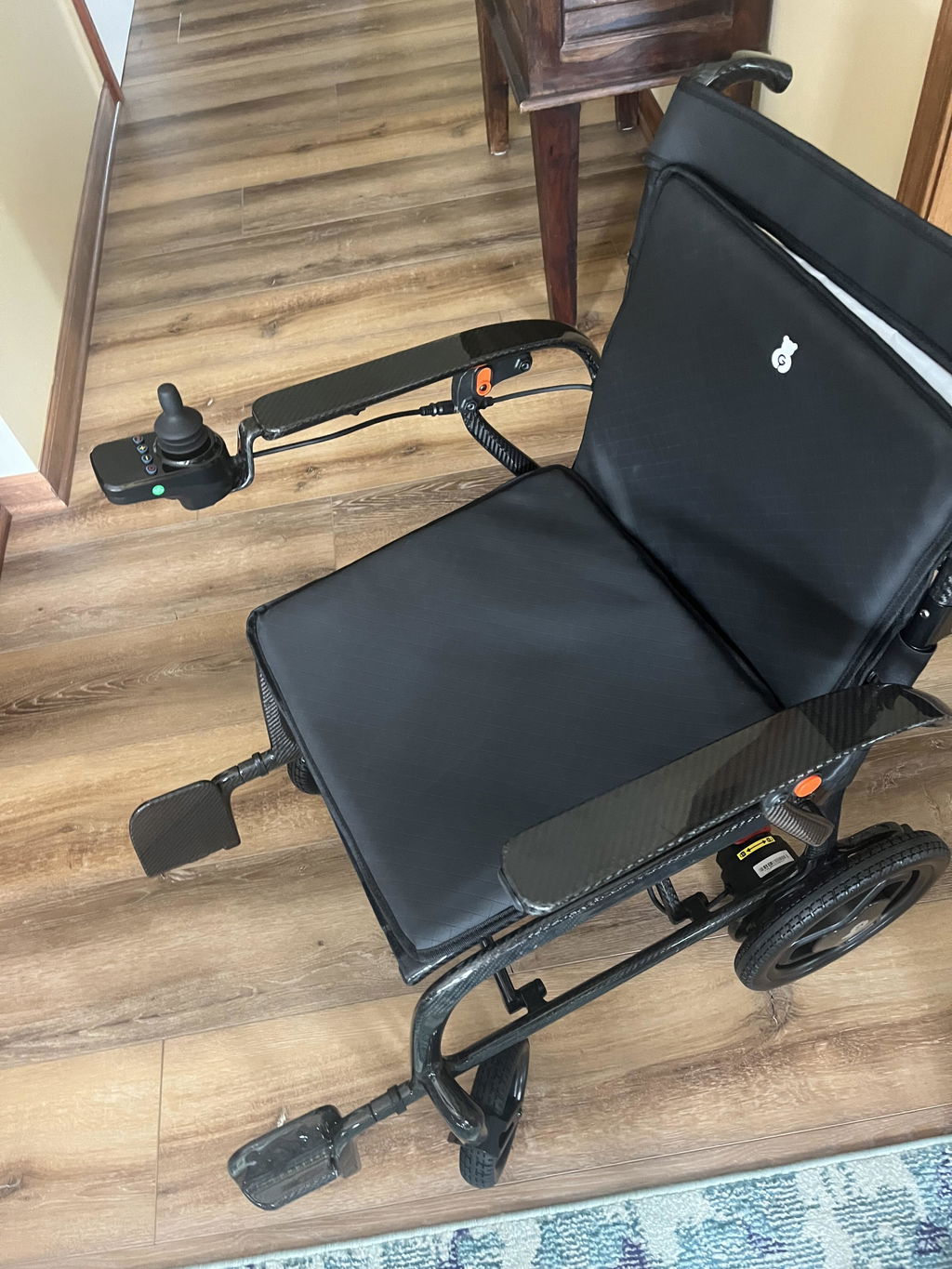
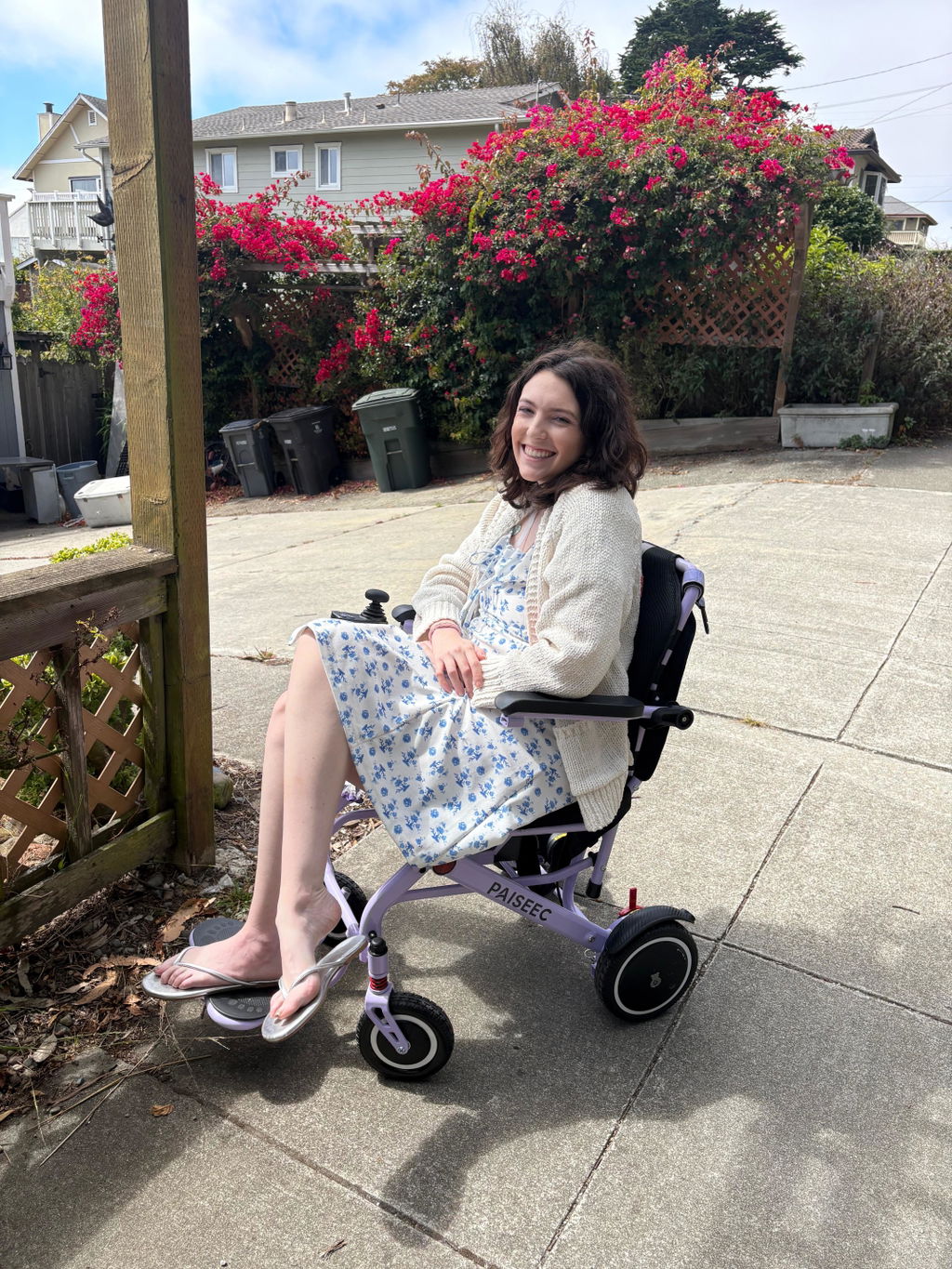
| Paiseec Duo Foldables (Pair) | Individual Single Seats (Modular Pair) | 25 lbs each, 36V 12Ah lithium battery, 250W brushless motor, 15–18 mile range per unit. | 100% Sidewalk Legal & Bus Compliant. Folds to suitcase size. Units nest together inside standard midsize SUV trunks. |
Engineering Deep-Dive: Portable Pairs vs. Heavy Dual-Seaters
When evaluated across critical operational metrics, deploying a pair of high-performance portable scooters consistently outperforms a single heavy-duty dual-seater for daily lifestyle integration.
| Evaluated Feature | Heavy-Duty Dual-Seater (e.g., Afiscooter S4) | Premium Portable Pair (e.g., Paiseec Setup) |
| Net Vehicle Weight | 350+ lbs (Requires specialized vehicle hoists) | Under 60 lbs total combined (Easy manual lifting) |
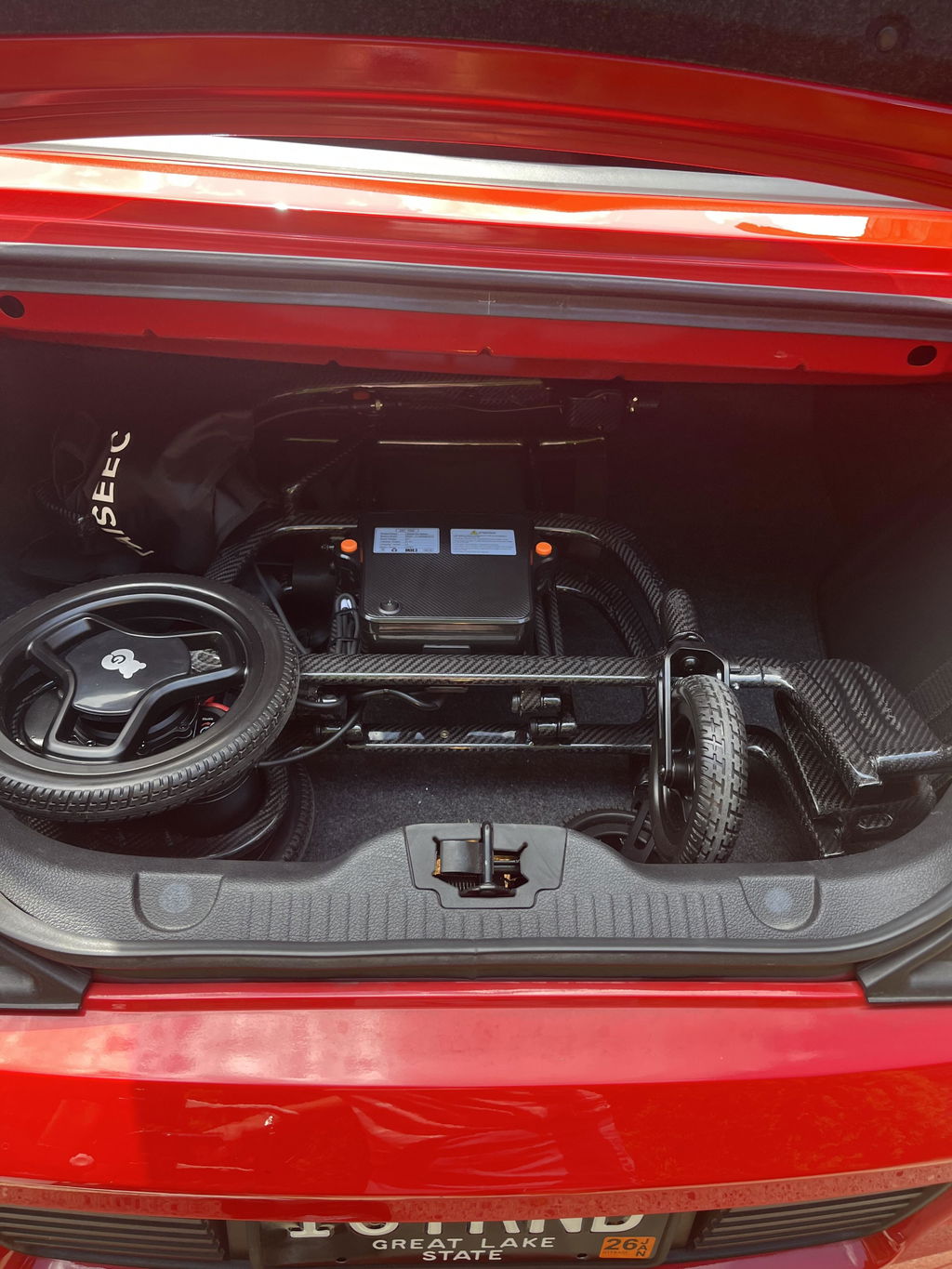
| Trunk Compatibility | Requires external trailer or dedicated hitch ramp | Stacks neatly inside a single midsize SUV trunk |
| Sidewalk & Indoor Legality | Frequently restricted due to excessive width/speed | Fully compliant everywhere as standard pedestrian aids |
| Turning Radius | Wide turning circle (Prone to getting stuck indoors) | Tight, zero-turn capabilities for narrow store aisles |
| Average Market Investment | $8,000 to $12,000+ | $1,500 to $2,500 total combined |
| Maneuverability Independent | Zero (Both passengers are locked to one path) | Total independence if riders wish to separate |
Core Technology Behind Modern Portable Solutions
The shift toward lightweight modular mobility is driven by significant breakthroughs in powertrain and battery engineering. Modern premium portable scooters utilize advanced 36V 12Ah lithium-ion battery packs, which deliver up to 20% more runtime and energy density than traditional deep-cycle Sealed Lead Acid (SLA) batteries. This lithium tech dramatically improves hill-climbing torque, overall lifespan, and cold-weather performance while slashing battery weight by over 60%.
These advanced power cells feed high-efficiency 250W brushless hub motors. Because brushless motors eliminate internal mechanical friction, they run silently, resist environmental wear, and reduce routine maintenance requirements by 40% compared to old-fashioned brushed motors.
Furthermore, intelligent safety systems utilize built-in electronic sensors to provide automated electronic braking, anti-tip stability control, and adaptive suspension scaling. This mimics the smooth ride quality of a 400-pound heavy vehicle without adding unnecessary bulk, ensuring that arthritic hands can operate the simple one-touch folding mechanisms safely and effortlessly.
Real-World Case Studies: Operational ROI
Case Study 1: Overcoming Geographic and Transit Isolation
Retirees Jane and Tom relocated to a senior community in Arizona and initially purchased a 400-pound dual-seat tandem scooter. However, they quickly discovered it was barred from the local municipal bus lines and could not fit inside their Jeep Wrangler.
After swapping the heavy unit for a pair of premium foldable portable scooters, they were able to stack both units in their vehicle trunk for trips to public parks. They now log over 30 miles weekly. By transitioning to lightweight lithium tech, their electricity charging costs dropped to an efficient $0.10 per mile, compared to $0.25 per mile on the heavy-duty dual-seater, yielding a complete capital return within six months.
Case Study 2: Maximizing Urban Independence
A companion pair living in an urban Florida district faced constant paratransit denials due to the width of their side-by-side dual scooter. Switching to modular portable single units allowed them to navigate public bus lifts seamlessly for weekly grocery runs. This modification saved them over $150 monthly in private ride-share fees, boosted their annual outdoor outings by 300%, and resulted in zero mechanical repair costs over a two-year operational window.
Maintenance Protocols for Long-Term Reliability
To ensure a personal mobility setup retains optimal performance values and maximum resale value, owners should implement a simple, structured preventative maintenance routine:
-
Execute Systematic Manual Inspections: Regularly check the braking response, tire tread depth, and electronic throttle mechanisms. Ensuring all structural locking pins snap securely into place preserves rider safety.
-
Optimize Battery Charging Cycles: Avoid leaving lithium or SLA batteries connected to chargers indefinitely. Preventing continuous overcharging protects internal cell chemistry, preserves maximum driving range per charge, and extends the overall battery lifespan.
-
Implement Correct Cleansing Methods: Clean the exterior chassis using a lightly moistened, non-abrasive microfiber cloth. Avoid high-pressure water sprays near the battery dock or digital tiller console to protect the sensitive internal wiring and control systems.
Future Outlook for Shared and Tandem Mobility
Industrial mobility forecasts indicate that modular, portable single pairs will claim over 40% of the multi-passenger market share in the coming years. This transition is accelerating due to the rapid integration of swappable battery architectures, lightweight composite materials, and AI-assisted pathfinding software.
As cities continue to tighten sidewalk width regulations and enforce strict weight limits on public transit lifts, oversized, single-chassis dual-seaters are rapidly becoming obsolete relics of the past.
Ready to upgrade your mobility strategy? Explore a comprehensive lineup of foldable, lightweight, sidewalk-legal single units today. Secure a modular system that fits your trunk, respects local municipal codes, and preserves your shared independent freedom.



Leave a comment
This site is protected by hCaptcha and the hCaptcha Privacy Policy and Terms of Service apply.