




![[2026] PAISEEC D3|Mobility Scooter for Easy Everyday Travel](http://www.paiseec.com/cdn/shop/files/d3_4a4ccb22-9e26-449e-8094-71f3ec4177c3.png?v=1782115044&width=180)


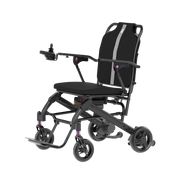



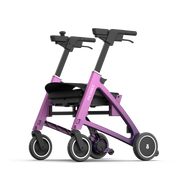
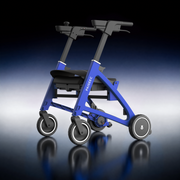









Discover how a power wheelchair transforms mobility and independence. Compare features, battery life, terrain capabilities, and find the best electric wheelchair for your needs in June 2026.
The global electric wheelchair market reached USD 8.73 billion in 2024 and is projected to grow at a CAGR of 10.24% through 2032, reaching nearly USD 19.04 billion. Powered/electronic wheelchairs now hold the largest share of the wheelchair market, with the power wheelchair segment commanding 65% market share as of 2020 due to enhanced mobility capabilities. According to the Centers for Medicare and Medicaid Services, powered wheelchair prescriptions increased by 23% between 2021 and 2023, reflecting growing demand for independence.
For individuals facing mobility challenges, these statistics represent something far more personal: the opportunity to reclaim freedom, navigate daily life with confidence, and maintain active participation in family, work, and community activities.
What is a power wheelchair? A power wheelchair (also known as an electric wheelchair, motorized wheelchair, or power chair) is a mobility device designed for individuals who find walking challenging due to health conditions, accidents, or other medical barriers. Unlike manual wheelchairs requiring physical propulsion, electric wheelchairs feature battery-powered motors operated via joystick or control panel, providing enhanced mobility without physical exertion.
Lost Independence Creates Daily Struggles
Imagine needing assistance for every trip to the kitchen, every visit to the backyard, every errand at the local store. For millions of individuals with limited upper body strength, chronic conditions, or severe physical impairments, this isn't imagination—it's reality. Manual wheelchairs require significant physical exertion, making them unsuitable for those without adequate upper body strength. The frustration of depending on others for basic mobility can erode confidence, limit social participation, and create emotional isolation.
Terrain Limitations Trap Users at Home
Traditional wheelchairs struggle on uneven surfaces. Grass, gravel, bumpy sidewalks, and gentle hills become insurmountable barriers. This terrain limitation effectively traps users indoors, restricting their world to smooth, flat surfaces found only inside homes and certain public buildings. The inability to navigate outdoor environments means missing family gatherings in parks, avoiding outdoor activities with grandchildren, and declining invitations that involve walking or varied terrain.
Battery Anxiety Limits Daily Planning
Even among motorized options, inadequate battery life creates constant anxiety. Users must carefully calculate whether they can reach their destination and return before the battery drains. Short charging times and limited range force restrictive daily routines. The fear of running out of power in public spaces creates psychological stress that undermines the freedom mobility aids should provide. Many users report avoiding longer trips or keeping their phone charged and nearby "just in case" they need to call for assistance.
Weight and Portability Complicate Travel
Heavy wheelchairs become burdens themselves. Transporting a 50+ pound chair into a car, through airport terminals, or storing it in small spaces creates logistical headaches. Many individuals with power wheelchairs report feeling like their mobility aid has become a mobility obstacle when traveling. The weight burden often means relying on caregivers for transportation setup, further diminishing independence. Airline travel becomes particularly challenging when devices aren't approved for cargo transport.
"Power wheelchairs significantly enhance mobility and independence for users. Unlike manual wheelchairs, power wheelchairs have electric motors that allow users to move around freely without the need for physical exertion. This feature is particularly beneficial for individuals who may not have the upper body strength to operate a manual wheelchair."
Lightweight Carbon Fiber Construction
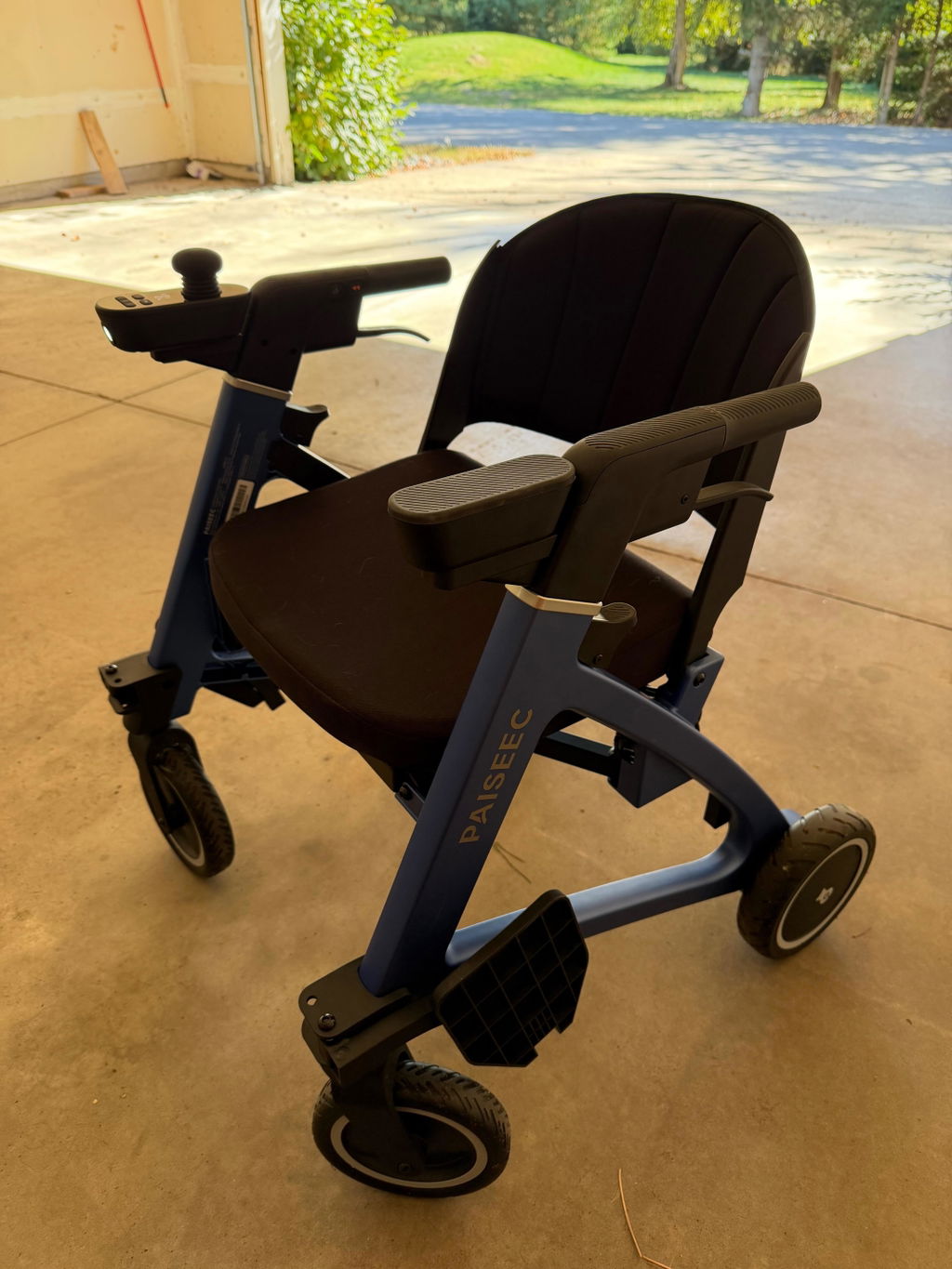
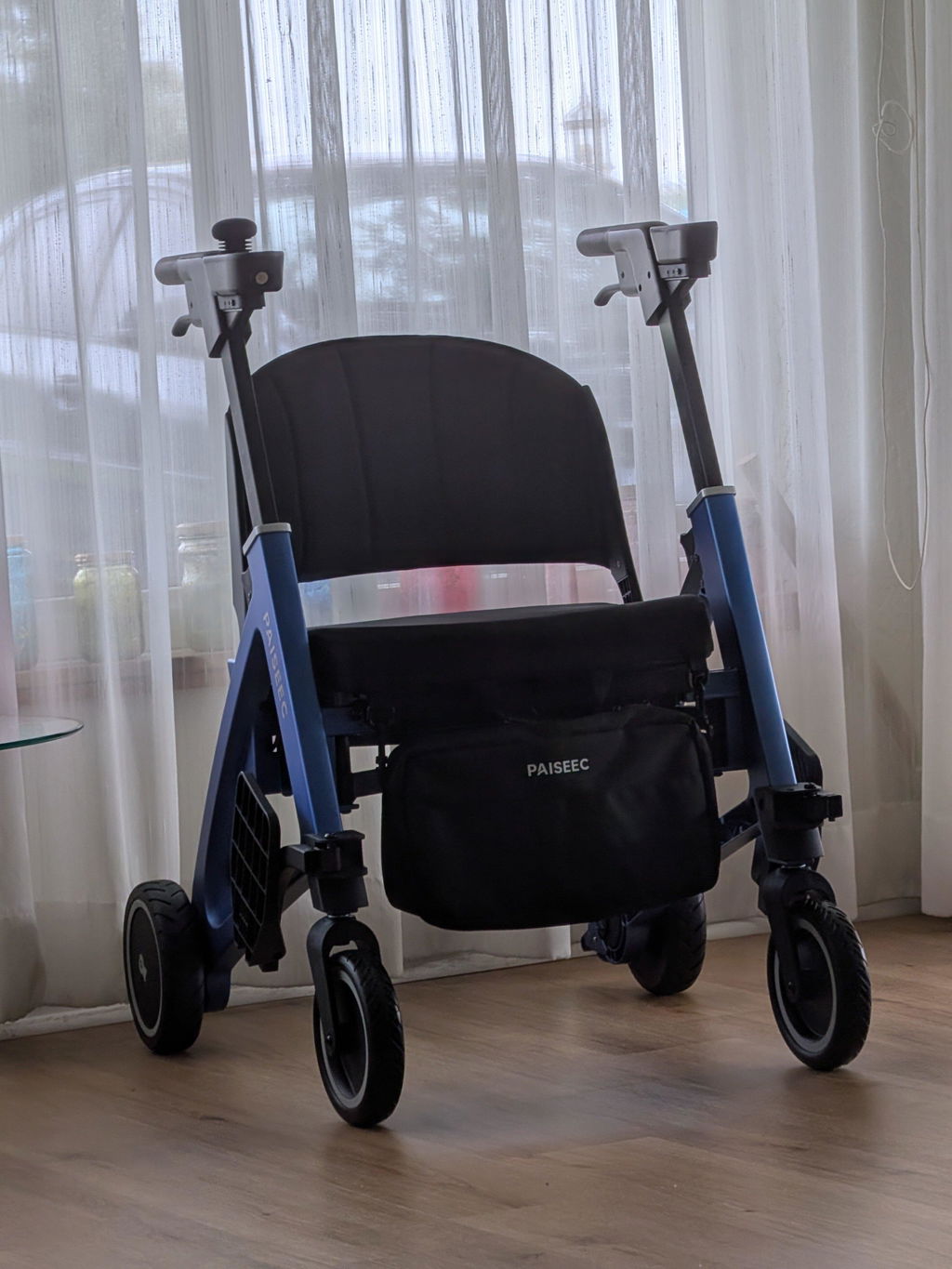
The Paiseec W3 weighs just 49.6 lbs while supporting up to 300 lbs, engineered with aerospace-grade materials that balance durability with portability. This lightweight design enables easy transport into vehicles and storage in compact spaces, addressing one of the most common complaints about traditional power wheelchairs.
All-Terrain Pneumatic Tires with Shock Absorption
Equipped with 8-inch front and 9-inch rear pneumatic tires plus shock-absorbing wheels, the W3 handles grass, gravel, bumpy roads, and mud with stability. The 1.5-inch ground clearance and 8° maximum climbing angle enable navigation of outdoor environments previously inaccessible to wheelchair users.
Smart 3-in-1 Mode Switching
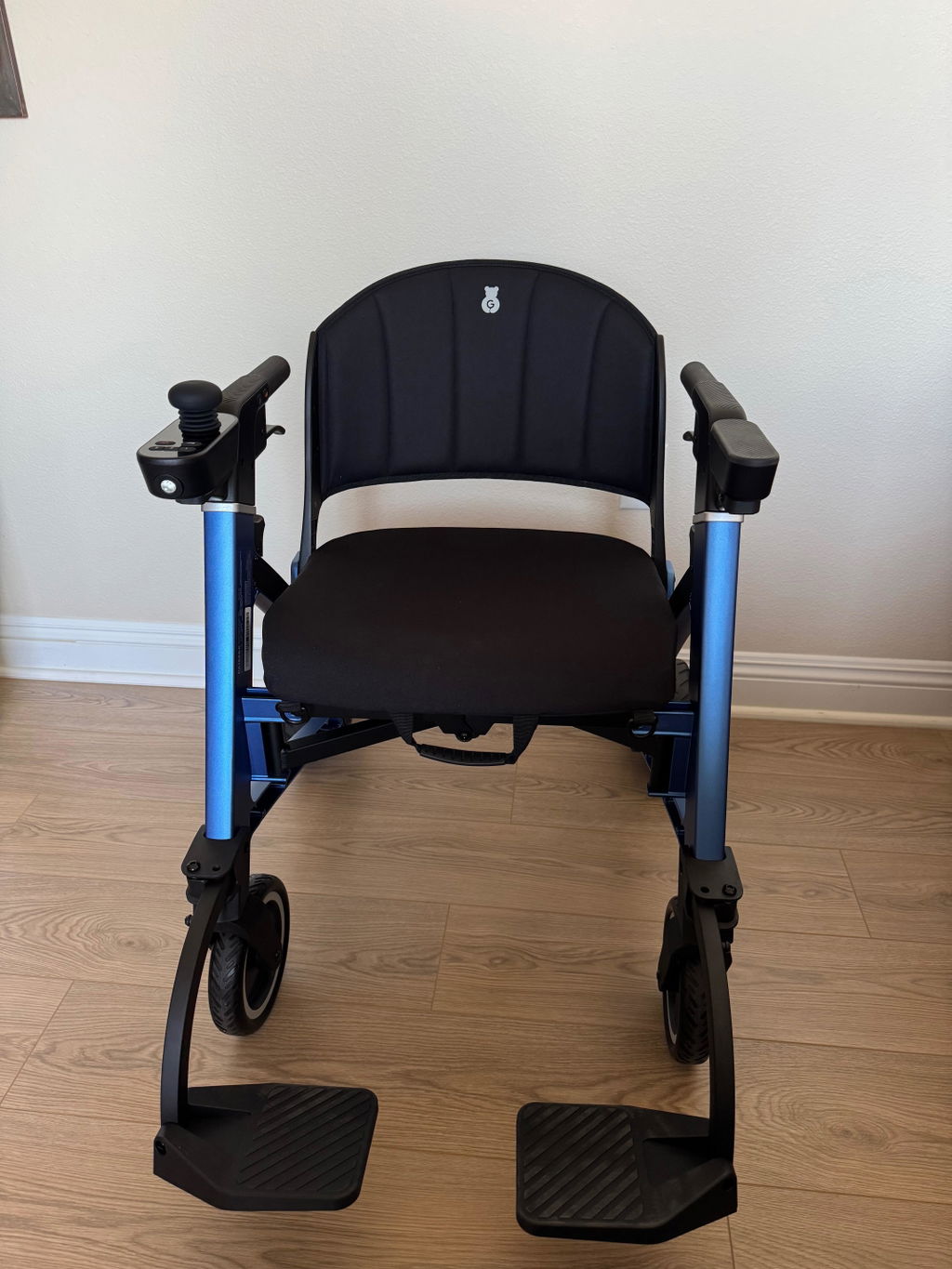
The W3 seamlessly transitions between three modes: electric wheelchair for daily mobility, electric transport chair for assistance, and smart rollator walker for extended use. This versatility means one device serves multiple purposes, eliminating the need to purchase separate wheelchairs, transport chairs, and walkers.
"I've been home bound and immobile for the last 2 years. This gave me back freedom, independence, and most importantly, making sure I don't miss out on chasing my sweet, happy, outdoor loving 16-month-old daughter around."
"It glides over grass, concrete, bumps, gravel, and up and down hills with ease. I absolutely love the under storage, as well as the zippered pouch on the back."
"When using it as a rollator, the chair is very quiet, and pushes with ease. The backrest also doesn't shake or shift when it's in walking mode—it's very sturdy!"
Beyond the flagship W3 3-in-1 Electric Wheelchair, Paiseec offers a comprehensive mobility ecosystem designed for different needs and budgets. The Paiseec W1 2-in-1 Electric Wheelchair provides similar rollator functionality at a lighter 42 lbs weight, ideal for users prioritizing maximum portability while maintaining wheelchair and walker modes.
For users seeking ultra-lightweight portability, the Paiseec Q5 Carbon Fiber Electric Wheelchair weighs only 22 lbs—the lightest power wheelchair in Paiseec's lineup. Its aerospace-grade carbon fiber frame and optional caregiver control kit make it perfect for frequent travelers and air transport.
The Paiseec Q3 Lightweight Electric Wheelchair offers the best value for money, featuring a 32 lbs weight and 11-mile range per charge. While it operates as an electric wheelchair only (without rollator mode), it provides reliable daily mobility at an accessible price point.
All Paiseec wheelchairs feature airline-approved removable lithium batteries, ensuring travel flexibility regardless of which model you choose.
-
Unpack and unfold: Remove the wheelchair from packaging, locate the folding strap on the front, and remove it. Hold the handlebar and gently pull the backrest upward until the wheelchair unfolds completely.
-
Secure the backrest: Unlock the backrest knob, lift to a comfortable position, then turn and tighten the knob to secure. Ensure no shaking or movement before proceeding.
-
Install the battery: Remove the battery from packaging using its handle, insert it into the battery compartment, and lay the handle downward to secure. Ensure the battery is firmly locked with no movement.
-
Power on: Turn on the controller using the power button. The display should illuminate, showing battery level and system status.
-
Test controls: Gently push the joystick forward to move ahead, backward to reverse. Test the horn button and speed controls (+/- buttons) to ensure responsive operation.
-
Adjust handlebar height: For walker mode, adjust the handlebar to fit your height (designed for users 155-185 cm / 5'1"-6'). Tighten securely before walking.
Scenario 1: Morning Household Chores
Traditional approach: Using a manual wheelchair requires significant arm strength to push from bedroom to kitchen, bathroom, and living room. Users often need assistance reaching distant areas or must plan activities around energy limitations. Narrow doorways and hallway corners become challenging navigation points.
With Paiseec W3: The joystick control enables smooth navigation through tight spaces without physical exertion. The tight turning radius allows easy maneuvering around kitchen counters and furniture. Battery-powered movement means no fatigue from pushing, enabling users to complete multiple chores throughout the morning without energy depletion.
Result: Users report regaining ability to cook meals independently, clean living spaces, and maintain household routines without caregiver assistance, significantly boosting confidence and self-esteem.
Scenario 2: Outdoor Park Visit with Family
Traditional approach: Grass, gravel paths, and uneven park surfaces are nearly impassable for standard wheelchairs. Users often must stay on paved walkways only, limiting where they can sit with family. Hills and slopes become dangerous obstacles requiring caregiver assistance to navigate safely.
With Paiseec W3: All-terrain pneumatic tires and shock absorption handle grass, gravel, and bumpy surfaces smoothly. The 8° climbing angle enables gentle hill navigation. Dual powerful motors provide traction on uneven terrain, allowing users to join family at picnic spots off paved paths.
Result: One user shared: "I'm so grateful for this tool that will allow me to enjoy the little things I took for granted before I got sick—chasing my outdoor-loving 16-month-old daughter around." Families can gather anywhere in the park, not just on paved surfaces.
Scenario 3: Airport Travel and Transportation
Traditional approach: Heavy power wheelchairs (70-100 lbs) require cargo shipping or caregiver assistance for vehicle transport. Non-airline-approved batteries cannot fly in cargo, forcing users to rent unfamiliar wheelchairs at destinations. The weight burden creates dependency on others for travel setup.
With Paiseec W3: The 49.6 lbs weight fits easily in vehicle cargo areas. The 24V 12Ah lithium battery is airline-approved and removable (weighing only 8 lbs), enabling users to charge the battery separately inside hotels without hauling the entire chair. Folded dimensions fit standard car trunks.
Result: Users gain true travel independence—loading their own chair, flying with their familiar device, and maintaining consistent mobility across destinations. The removable battery feature eliminates the stress of finding charging stations for entire chairs.
What is the average battery life of a power wheelchair?
The average battery life of a fully charged motorized wheelchair is between 8 and 12 hours, depending on terrain, speed, and user weight. Indoor or flat-surface use extends battery life significantly. The Paiseec W3 delivers 15.6 miles per charge with 5-hour charging time, while the W1 achieves 18 miles per charge.
Can I use an electric wheelchair outdoors on rough terrain?
Yes, but you need a model designed for outdoors with durable tires, suspension, and ground clearance. The Paiseec W3 features 8" front and 9" rear pneumatic tires with shock-absorbing wheels, handling grass, gravel, bumpy roads, and mud. Check manufacturer recommendations for specific terrain limitations.
Does Medicare cover power wheelchairs?
Medicare Part B covers 80% of the approved amount for medically necessary power wheelchairs, with the beneficiary responsible for 20%. Requirements include a physician's prescription documenting medical need for daily living activities and a Medicare-enrolled supplier.
How long do power wheelchair batteries last before replacement?
Power wheelchair batteries typically last 1-3 years, depending on usage frequency and maintenance quality. Daily use with frequent charging may show degradation after 1-2 years. Proper maintenance—including full charging after use, avoiding complete drainage, and regular terminal cleaning—extends battery life.
What's the difference between a 2-in-1 and 3-in-1 electric wheelchair?
A 2-in-1 wheelchair (like Paiseec W1) offers electric wheelchair + smart rollator walker modes. A 3-in-1 wheelchair (like Paiseec W3) adds electric transport chair mode, providing three functions: daily mobility wheelchair, intelligent transport device, and rollator for extended use. The 3-in-1 offers greater versatility in one device.
Are power wheelchairs safe on uneven terrain and inclines?
Yes, many electric wheelchairs handle uneven terrain when equipped with larger durable tires and sturdy suspension. The Paiseec W3 has a maximum climbing angle of 8° and shock-absorbing wheels for bumpy surfaces. Always test on gentle slopes first and proceed cautiously on unpredictable terrain.
Power wheelchairs have evolved from basic mobility aids into intelligent, versatile devices that restore independence and expand life possibilities. The market's 23% growth in prescriptions and projected doubling in size by 2032 reflects a growing recognition that mobility freedom is fundamental to quality of life.
Modern electric wheelchairs like Paiseec's W3 3-in-1 address historic limitations: lightweight portability, all-terrain capability, extended battery range, and multi-function versatility eliminate the trade-offs that once forced users to compromise between home convenience and outdoor freedom.
Ready to reclaim your mobility independence? Explore Paiseec's complete electric wheelchair collection and find the perfect match for your lifestyle.
Paiseec is a leading brand in innovative mobility solutions, transforming the wheelchair industry with groundbreaking 3-in-1 devices that enhance mobility experiences for wheelchair users worldwide.
Sources
Maximize Market Research — Electric Wheelchair Market 2025
ResearchNester — Wheelchair Market Size 2025
Custom Market Insights — Electric Wheelchair Market 2026
Fortune Business Insights — Wheelchairs Market 2025
Grand View Research — Electric Wheelchair Market 2024
Abigail's Medical Supplies — Benefits of Power Wheelchairs 2024
Medicare.gov — Wheelchairs & Scooters Coverage
Marc's Mobility — Motorized vs Manual Wheelchairs 2024
Leave a comment
This site is protected by hCaptcha and the hCaptcha Privacy Policy and Terms of Service apply.